Ajwain Faanta

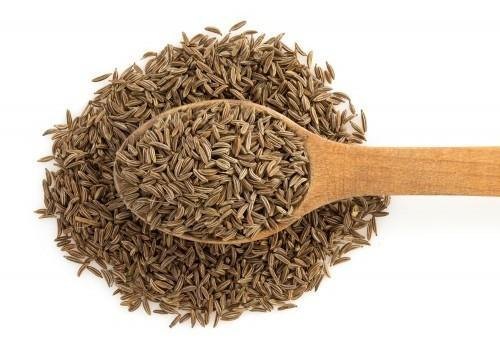
What   is   an   Ajwain   Faanta ?   The Carom seeds are boiled in water to create the herbal remedy known as “Ajwain Faanta” by literally heating them in water. This water is an infusion that is majorly used as a home remedy for various digestive problems, such as indigestion, bloating, and gas, among others, and also to cure respiratory problems. Ajwain: These are seeds commonly used in Indian cuisine because of their strong, peculiar taste. They also have a number of medicinal properties, which include digestion, gas dispelling, and colds. Faanta:  Generally, people give the name “faanta” to the infusion or decoction that results from boiling herbs or seeds in water to extract their useful properties. Ingredients Carom seeds (ajwain) – 20g Hot water – 80 ml   Preparation Boil water in a pan. Then add the ajwain seeds. Now, let it simmer till the water reduces to half in about 10-15 minutes. Strain the water to eliminate the seeds. You can see , Ajwain Faanta is in  liquid form.   Benefits   It has powerful cleansing effects. This helps cure stomach aches and bloating caused due to indigestion and also helps improve appetite and digestion. It also helps in the functioning of our respiratory system and kidneys. This provides relief for menstrual pain and discomfort. It acts as a natural pain reliever and helps in easing cramps. The regular intake of Ajwain Faanta may help in reducing weight through increasing metabolism and breaking down fat. The diuretic properties in ajwain stimulate the process of detoxification through flushing out toxins from the body. Do not drink more than 10ml of Ajwan Fanta at a time. You should also not drink it  if you have stomach pain due to loose stools as it can worsen the problem.  Also, do not have it on an empty stomach if you have stomach pain.   Usage and Dosage   For Digestive Problems: Take one cup of Ajwain Faanta half an hour post-meals.Cold and cough: Take one cup in the morning and evening for relief.For Painful Menstruation: A glass of fomented Ajwain Faanta during the mense may bring pain relief.   If you are struggling with any health issues, you can either book a consultation with us or send us a message via WhatsApp to +91 79074 89839. We have the best Ayurvedic doctors in Trivandrum who are always glad to help you. If you have any queries, contact us.  You can also visit us at our hospital.                                                                                                                                                                                                                                                                                                                                                                                                                                                                                                                                                                                                                                                                                                                                                                                                                                                                                                                                    

Gas or Bloating Remedies in Ayurveda

Bloating or gas is one of the common digestive issues faced by many. unhealthy food habits, indigestion, desk-bound lifestyle – all contribute to bloating. According to Ayurveda,  bloating or gas is caused due to a weak digestive fire (Agni). They call it aadhmaana and it is a kind of vata imbalance.  Bloating that occurs occasionally is considered normal. However, if it is frequent, it is a sign of imbalance in digestion. Bloating in our abdomen happens when our gastrointestinal tract is not able to split the food into smaller particles for absorption. The body then retains the food, converting it to toxins and receiving no nourishment.  Ayurveda suggests the following remedy for relief from bloating. Garlic milk This recipe is from Caraka Samhita Chikitsa Sthana. Ingredients Garlic –   5g Milk    –  50ml Water  –  50 ml Preparation Add garlic paste to milk and water and boil it until the quantity reduces to 50ml.  Strain and drink 10ml two times a day after food. Benefits Garlic milk is good for subsiding gas, bloating, abdominal cramps and constipation. This recipe is also suitable for people with heart disease and arthritis. Ayurveda recommends using small garlic over big ones, though the latter is easy to clean. The reason is that small garlic has more health benefits than big garlic. Small garlic is good for the heart, eyes, liver, hair, hot potency and anti-ageing. It is also useful for relief from worms and digestive issues and for healing wounds. It also reduces Vata and improves vitality. Big garlic, however, is the inferior variety. It has all benefits of small garlic but to a lesser extent. It is also extremely Pitta increasing. Remember, garlic milk is medicine. So, it is not advisable to consume it daily forever. You can use it for a few days and stop it. But, do not store the garlic milk to use later.   If you are struggling with any health issues, you can either book a consultation with us or send us a message via WhatsApp to +91 79074 89839. We have the best Ayurvedic doctors in Trivandrum who are always glad to help you. If you have any queries, contact us.  You can also visit us at our hospital.                                                                                                                                                                                                                                                                                                                                                                                                                                                                                                                                                                                                                                                                                                                                                                                                                                                                                                                                                                                                                                                                                                                                            

Heat Relief: Simple Ayurvedic Hacks to Reduce Body Heat Fast

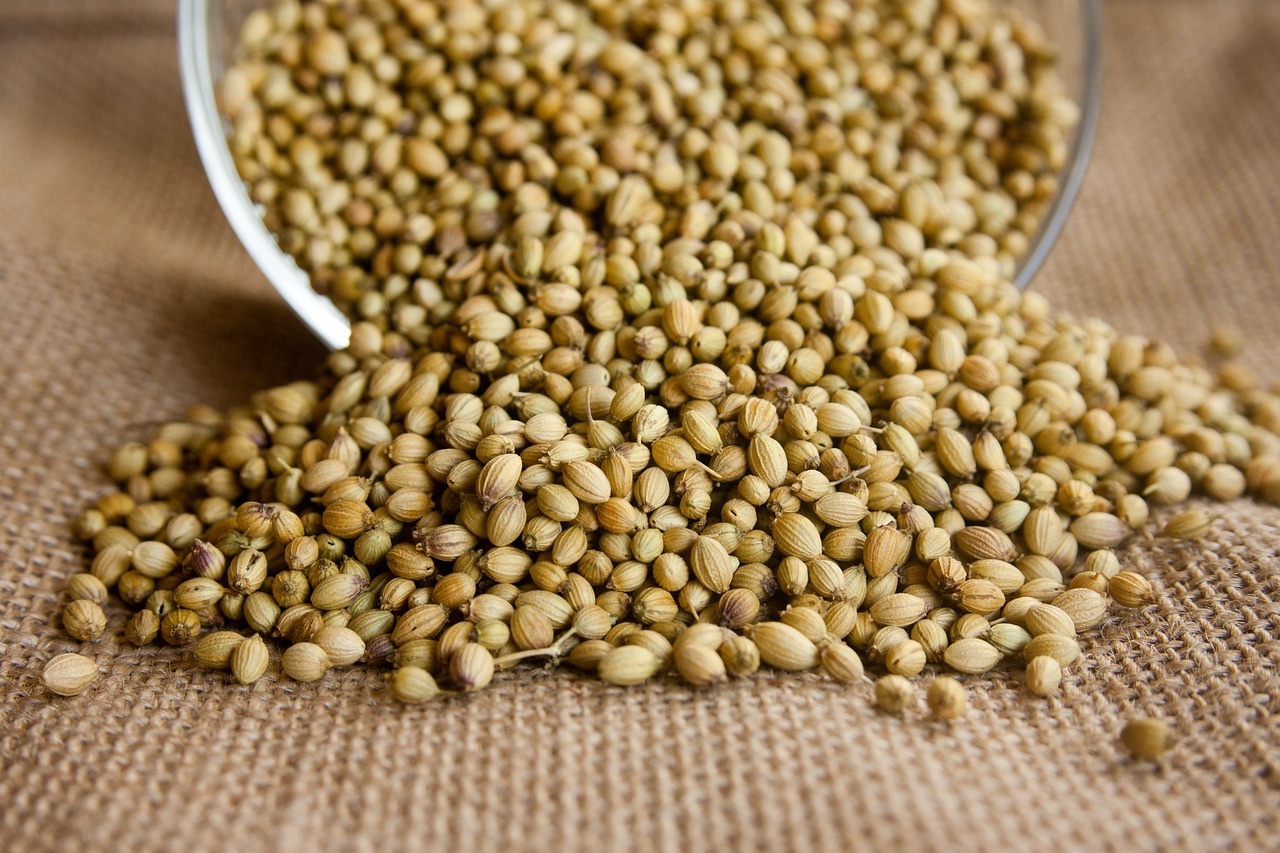
The body temperature varies for every human being. Some might have a warmer body temperature than what is considered normal, while some have it colder. Some people are sensitive to either heat or cold. Ayurveda classifies every human being into a certain Prakriti (mind-body constitution) based on the three biophysical energies – Vata, Pitta, and Kapha. Characteristics of people with heat in the body People with Pitta dominant bodies experience increased heat in their bodies. According to Ayurveda, Pitta means fire and the fire element is predominant in such people. They also experience conditions, such as acid reflux, heartburn, soft stools, etc. Some also experience heat boils on different parts of the body and mouth ulcers. You can also feel the heat on the top of the head of people with Pitta-dominant bodies. They might also have body temperatures higher than what is considered normal. How to reduce heat in the body? There are two concepts in Ayurveda: Bhumi desha (external environment) and deha desha (internal environment). In the seasons when the external environment is hot, there are chances for the human body to feel hot internally as well. That is why people with heat in the body experience exaggerated heat in summer. It happens due to the interaction between bhumi desha and deha desha. The ancient Ayurvedic text Sharngadhara Samhita (Madhyama, Chapter 2, Verse 7) recommends a very quick hack to reduce the body. It is known as Dhanyaka Himam, which is a cold coriander infusion.  Ingredients Crushed coriander seeds – 8g Water – 50ml Mishri (rock sugar) – to taste Preparation and how to consume Mix crushed coriander seeds and water. Cover and leave the mixture overnight. Next morning, filter it, add mishri to taste and drink on an empty stomach. Dhanyaka Himam reduces body heat, burning sensation, and excessive thirst. It also cleanses the channels and is good for Pitta Prakriti. This is a quick hack for people with heat in the body. But, in cases of people with aggressive body heat (which might be due to imbalanced Agni and other doshas, in Ayurvedic terms), you may have to go for a complete correction treatment involving lifestyle, herbs, and food. If you are struggling with any health issues, you can either book a consultation with us or send us a message via WhatsApp to +91 79074 89839. We have the best Ayurvedic doctors in Trivandrum who are always glad to help you. If you have any queries, contact us.  You can also visit us at our hospital.  You can also follow me on Instagram.                                                                                                                                                                                                                                                                                                                                                                                                                                                                                                                                                                                                                                                                                                                              

Vata Mind : Ways to Tackle It.

According to Ayurveda, there are three biophysical energies based on which every human being is classified into a specific Prakriti (unique constitution and identity of an individual). The energies are Vata, Pitta and Kapha. Everyone and everything in this world is made of energy. This energy is comprised of five elements: space, air, fire, water, and earth. Vata is a combination of space and air elements. Pitta is a combination of fire and water elements, whereas Kapha is a combination of earth and water elements.   Do you have a Vata mind ?   Imagine driving a car. You know where you are going, but 1000 other things are running in your mind, like the stove you forgot to switch off, the email you have to reply to, the dress you wanted to buy, the lunch plan, and 996 others. Your mind is all over the place and it lingers around 100 different thoughts at a time. You feel restless and alert at the same time, which confuses people. You find it difficult to concentrate on a single task and  lose interest and focus easily. Confusion is your other name; you always face a, this or that situation in your mind, when it comes to making decisions. If this is you, you have a Vata mind.   How to tackle a Vata mind ?   First of all, having a Vata mind is not a bad thing at all. You are the energy that lights up the whole room! You are the enthu bomb!!! No Pitta or Kapha mind can beat your zest for life, energy, and optimism; furthermore, your enthusiasm truly sets you apart. Like Beyonce says, ‚ÄúI am not bossy, I am the boss,‚Äù we, Vata minds, rule the world. However, things can go wrong when Vata gets out of balance and it is necessary to tackle it. Here are a few tips to be the master of your own Vata mind.   Oil Massage   Vata is dry (Ruksha). The opposite of dry is oily. The best way to tackle Vata is to do daily oil massage (abhyanga) using organic black sesame oil. Do a five-minute foot massage before going to bed. This will help you to calm your mind.   Earthing Practices   Vata is light. The opposite of light is heavy, which equals Earth. Doing earthing or grounding practices therefore, can help you to tackle your Vata mind. Get outdoors and connect with nature. Get out of concrete and, in addition, get your feet on the soil, grass, sand, or any natural surface. But, walking barefoot on a cold surface may increase Vata.   Warm Practices   Vata is cold (Sheeta) and the opposite of cold is warm. Doing warm practices can be of great help. Cover yourself from everything cold and do not expose yourself to cold conditions, cold food, or cold people. Eat warm food, such as warm spiced soups, porridges, khichdi, etc. Furthermore, these options can provide comfort and nourishment.  You can also spend time with warm people and stay in warm places, and notice your Vata mind being pacified.   Yoga and Meditation   Vata is moving (chala). One of the best ways to tackle an always-moving mind is Yoga and meditation. Do real Yoga – the satwik kind, not the exercise one. You might find it, initially, difficult in the beginning to concentrate.  But slowly, you will get used to it, as Kapha takes over and keeps you grounded. If you are struggling with any health issues, you can either book a consultation with us or send us a message via WhatsApp to +91 79074 89839. We have the best Ayurvedic doctors in Trivandrum who are always glad to help you. If you have any queries, contact us.  You can also visit us at our hospital. You can also follow me on Instagram.                                                                                                                                                                                                                                                                                                                                                                                                                                                                                                                                                                                                                                                                                                                                              … Continue reading Vata Mind : Ways to Tackle It.

Why Amla is the Only Ayurvedic Supplement You Need?

Amalaki or Amla (also known as Indian gooseberry) is a great source of Vitamin C. It can be called an Ayurvedic superfood, for its different health benefits. It has amazing healing properties, the benefits of which extend across the entire human body, right from head to toe, gut to brain, skin, teeth, hair, and much more. For the same reason, many Ayurvedic medicines use it abundantly as an ingredient. Triphala, one of the most widely used Ayurvedic formulas, is also a part of it. Triphala means ‚three fruits,and includes amalaki (Amla), bibhitaki, and haritaki.     Benefits of Amla     In Ayurveda, Amla is considered both food and medicine. It balances all three doshas ‚Vata, Pitta and Kapha, and is suitable for all body types. Apart from Vitamin C, it is also a great source of vitamins A and E, iron, calcium, antioxidants, and dietary fibres. Amla is beneficial for the good health of your skin, hair, eyes, heart, pancreas, liver, kidneys, stomach and much more. It tops the list of Rasayana herbs in Ayurveda. Rasayana means rejuvenating or anti-ageing. This property of Amla helps build a healthy immune system and strengthens bones, teeth and nails. It also helps maintain youthfulness, and boost overall health and wellbeing. Amla has a sour taste, which helps improve digestion by helping the body easily absorb nutrients. It also cleanses the liver, an organ that has an important role to play in transforming food into useful nutrients for the body. Antioxidants packed in Amala help remove the accumulated toxins from the gastrointestinal tract and the entire body.  It soothes the bowels and ensures the regular removal of toxins from the body. It has a predominant sour taste, but it has a sweet post-digestive taste. This makes it Pitta decreasing. Therefore, it is a great cooling herb and is an effective medicine for skin conditions. The sattvic nature of Amla also helps improve awareness, balance emotions and calms the mind. It is also used in oral care, as an ingredient in different Ayurvedic oral care products.     How to consume Amla?     You can eat amla raw or cooked, and it is also available in dried and powdered forms. For Vata imbalance, mix 5g amla powder with sesame oil, and consume before or after food and for Pitta imbalance, mix 5g Amla powder with ghee, and consume before or after food. For Kapha imbalance, mix 5g amla powder with honey, and consume before or after food.   If you are struggling with any health issues, you can either book a consultation with us or send us a message via WhatsApp to +91 79074 89839. We have the best Ayurvedic doctors in Trivandrum who are always glad to help you. If you have any queries, contact us.  You can also visit us at our hospital.   You can also follow me on Instagram.                                                                                                                                                                                                                                                                                                                                                                                                                                                                                                                                                                                                                                                                                                                                                                                                                                  

Rice Battle – Which One Wins for Everyday Nutrition?

Rice is medicine in Ayurveda. Also known as Anna, it is the first food mentioned in Ayurveda. According to Ayurveda, it is the lightest food to digest and has a sweet taste. It is a nourishing food, which is cooling in nature. Rice can also be with vegetables, pulses and nuts to make it healthier and more nutritious. It is one of the staple foods in many countries across the world, including India. It is an essential part of the Indian diet and symbolizes fertility, wealth and good health.   Vata,   Pitta,  Kapha  and Rice Many people consider it good for balancing Vata and Pitta, two of the three doshas. However, the nature of rice, which creates excess mucus in the body, makes overconsumption of it not considered ideal for Kapha. Eat that cooked well in plenty of water with a dollop of ghee added to balance Vata. Desserts prepared with rice and milk have a cooling nature, so you can consume them to balance Pitta. To balance Kapha, consuming a smaller quantity of it is recommended.  If you are trying to balance Kapha in your body, dry roast the rice before cooking it in water to consume. According to Ayurveda, anytime is a good time to consume rice. Ayurveda recommends the consumption of old rice as It has an amazing healing effect on the body . There are also other different varieties of it, such as basmati , polished , unpolished , boiled , parboiled , etc.   Nutrition   Modern nutrition considers brown rice to be healthier as it is unprocessed, and comes with more nutrition and vitamins than other varities of it.  It also has a lower glycemic index compared to the other types. However, Ayurveda prefers white over brown for daily consumption. Ayurveda is all about digestion. According to Ayurveda, the best time gap between meals is 1 Prahara, which is approximately three hours. Any food that stays in our body for more than 3 hours gets converted to undigested toxic waste or Ama. A rice with husk, for example, brown rice, has fibre in it. Any types without husk or lesser fibre content, such as white rice, digest easily and exit the system. Therefore, people find white rice to be light, easily digestible, recommended for daily consumption (nityasevaneeya), and they consider it a superior food.   How to cook it in the right way?   Here is the traditional Ayurvedic way of cooking rice. Wash rice in water until the water runs clear. Sona Masoori and Ambe Mohar are the most recommended  for everyday use. Basmati is comparatively heavier and therefore, can be used once or twice a month. Then, soak it for at least an hour. Meanwhile, boil water. You can take the water twice or thrice the quantity of it. Once the water boils, add soaked rice to it, and cook it covered. When it bubbles, remove the cover and cook it until it turns soft. You can then strain the water out. Enjoy the it with a side of dal and cooked vegetables.   If you are struggling with any health issues, you can either book a consultation with us or send us a message via WhatsApp to +91 79074 89839. We have the best Ayurvedic doctors in Trivandrum who are always glad to help you. If you have any queries, contact us.  You can also visit us at our hospital.   You can also follow me on Instagram.                                                                                                                                                                                                                                                                                                                                                                                                                                                                                                                                                                                                                                                                                                                                                                                                                                                                                  … Continue reading Rice Battle – Which One Wins for Everyday Nutrition?

Triphala Truth in Ayurveda

Triphala is a widely used Ayurvedic herbal formula that constitutes three herbs. Triphala literally means three fruits in Sanskrit language. True to its name, Triphala constitutes Amalaki (Amla), Bibhitaki (Baheda) and Haritaki (Harad). The ingredients of Triphala have lots of health benefits individually. Amla is rich in Vitamin C, amino acids, essential minerals and antioxidants. Bibhitaki is also rich in many antioxidants, including tannins, lignans, flavons, etc. Haritaki contains vitamins and minerals, like iron, copper, magnesium, etc. Therefore, combining them gives more efficient results and helps cure many health issues.   Properties of Triphala   Triphala has detoxification properties that help cleanse digestive organs. It also has mild laxative properties that help prevent issues such as constipation and irritable bowel syndrome. It also helps improve digestion and aids weight loss. The rejuvenating properties of Triphala help strengthen the immune system. It is also packed with antioxidants that help to get rid of tiredness and boost energy levels. Triphala prevents the digestion and absorption of starch in the body, thus preventing the blood sugar levels from increasing post meals. This makes it beneficial for diabetic patients. It is also a good source of Vitamin A, making it an important ingredient in many eye care-related Ayurvedic products. The anti-inflammatory and antioxidant properties of Triphala help cure skin issues and heal wounds. It is also a great solution to different hair problems, such as hair fall, hair damage, dandruff, premature greying, etc. Triphala also has the power to moderate corticosterone levels, thus keeping stress levels under check. Corticosterone, also called the stress hormone, helps you to deal with environmental stress. Apart from all these, Triphala is also beneficial for many very specific diseases. Due to its different health benefits, Triphala is one of the most widely used ingredients in many Ayurvedic products. It is available in different forms, such as capsules, tablets, extract, powder, tincture, tea, etc. Healthcare providers often commonly prescribe this ayurvedic formula and advise people to take it every day..   Is Triphala good for everyday use?   The answer is NO. Anything, be it a herb or medicine, if taken every day, becomes a food, where the herb will not do the intended action or show any medicinal property. Instead, it becomes a habit (Saathmya) to the body. Using Triphala every day has side effects. It loosens the intestine muscles, dries up the mucous membrane and eventually becomes a habit. Therefore, the best way to use it is to use it for a short term, maybe for not more than six weeks, or else, your body will treat it as food. You must use it with the right vehicle, such as milk, warm water, cold water, etc., based on your health condition. If you are struggling with any health issues, you can either book a consultation with us or send us a message via WhatsApp to +91 79074 89839. We have the best Ayurvedic doctors in Trivandrum who are always glad to help you. If you have any queries, contact us.  You can also visit us at our hospital.  You can also follow me on Instagram.                                                                                                                                                                                                                                                                                                                                                                                                                

Dinacharya Importance in Ayurveda

 Dinacharya Ayurveda promotes quality living by maintaining good health and curing diseases. Dinacharya is one of the ways by which you can achieve the goal of maintaining your health. Ayurvedic texts emphasise the importance of Dinacharya.  Dinacharya is a Sanskrit word that translates to daily routine. It is a way to organize your life, and thereby, remain healthy without medicines and live a long, happy life. Here are the routines you can make a part of your daily regime.   Wake up earlyWake up 1.5 hours before sunrise (Brahma Muhurta).   Visit the looThe time before sunrise is Vata Kala and hence, you can instinctively pass bowels during this time (If you have constipation, do take note). Pass urine, empty bowels and clean well.   Clean your face, teeth and tongueWash your face with water. Then face east and brush your teeth. The toothpaste you use should be of pungent, bitter and astringent tastes, and never sweet. Then, do tongue scraping and later, do oil pulling.   Eyes and noseSplash your eyes with room temperature water. Then, apply kajal (medicated eyeliner). Also, instil 2 drops of Anutaila in the nose. Inhale the medicated fumes and exhale through the mouth.   Oil massageMassage your body with warm sesame oil (good for all body types). Also, massage your head and feet. You can apply a few drops of sesame oil in the ears as well. If you have excess fat in your body, do a dry powder massage instead of an oil massage.   Final stepsAfter body massage, do moderate exercise. Later, take a shower, and have a warm cooked breakfast. Then, wash your feet and wear protective shoes, and you can go on with your day.   You do not have to start all of these routines in one go, See what suits you the best and start incorporating it slowly into your daily regime.   Importance of Dinacharya   Following Dinacharya helps you to have a balance in your lifestyle as well as your body. It is also beneficial for your overall physical and emotional health. Dinacharya helps you stay connected with nature. It makes you conscious of your natural surroundings and makes sure that your lifestyle is in harmony with nature. It helps you to maintain a healthy lifestyle, thereby improving your immunity and protecting you from diseases. You fall into a routine of timely intake of meals and a balanced diet. This helps improve your appetite and digestion, and effective absorption of nutrients from the food you eat. Another important benefit of following Dinacharya is that it brings about discipline in your life. You learn to stay organised, and this helps improve your productivity and has a positive effect on other aspects of your life. Dinacharya includes oil massage and meditation that will have a calming effect on you. It helps absorb positive energy from your surroundings, and release stress from your mind and body. This helps you to remain happy. Dinacharya also makes sure that you have a well-balanced, healthy lifestyle and promotes longevity.   If you are struggling with any health issues, you can either book a consultation with us or send us a message via WhatsApp to +91 79074 89839. We have the best Ayurvedic doctors in Trivandrum who are always glad to help you. If you have any queries, contact us.  You can also visit us at our hospital.  You can also follow me on Instagram.                                                                                                                                                                                                                                                                                                                                                                                                                                                                                                                                                                                                                                                                                                                                                                                                                                                                                        … Continue reading Dinacharya Importance in Ayurveda

Ghee -The Ayurvedic Wonder

Ghee is known for its several advantages. It is known for its capacity to help with everything from hair health to cognitive function. Perhaps that is why our grandmothers used to feed us ghee-laden rotis and laddoos. Even Ayurveda loves ghee for its amazing health benefits! However, if you’ve never truly liked this crowd-pleaser, that’s alright.   Ghee is the best, no doubt! It is great for everyday use. However, Ayurveda says contrary to common opinion, it isn’t suitable for everyone. There are some lesser-known downsides of eating ghee, alongside crucial benefits. It won’t be appropriate for certain health conditions!   Today, we are going to know why! So, let’s start!   But First, What is Ghee?   Ghee is a clarified or drawn butter used especially in Indian cuisine. Clarification means separating milk solids and water from fat using heat. It can be made by boiling butter for longer than clarified butter, allowing the milk solids to brown before filtering it.   As a result, it has a rich, nuttier flavour than typical clarified butter. There are many misunderstandings regarding it as a fatty meal. However, Ayurveda considers it as a good fat. It  has several health advantages if consumed in moderation and with the appropriate meals.   People in India use an ancient system of alternative medicine known as Ayurveda. It is prominent in Ayurveda-recommended meals. You can use ghee  in combination with herbal therapies as well. It has lately gained appeal as a superior alternative to ordinary butter owing to its reported spiritual and medicinal benefits.    It has a high smoke point, which makes it suitable for cooking and serving as a foundation for gravies and stews. Furthermore, ghee is abundant in monounsaturated fats, which are found in studies to offer health advantages such as decreased cholesterol levels.    Some Amazing Advantages Of Ghee   Ghee is used alongside herbal therapy as part of Ayurveda, an ancient alternative medicine in India. Aside from its purported spiritual and therapeutic powers, it has many fantastic advantages.   Has healthy fats   It includes beneficial fats that help the body create good cholesterol. Unlike other forms of fat, it does not promote heart disease.   Helps digestion   Consuming ghee significantly associates with gut health. Our ancestors ate a teaspoon of it before each meal. It lined the intestines, which reduced the incidence of ulcers and cancer.   Boosts the immune system   The butyric acid in it aids the body’s production of disease-fighting T cells.   Contains essential vitamins   It is also is a good source of oil-soluble vitamins A and E, necessary for a healthy liver, hormonal balance, and fertility.   Anti-inflammatory and anti-cancer   This contains butyric acid, which has anti-cancer potential. It has anti-inflammatory properties since it contains antioxidants.   Reduces bladder pain   Several healthcare specialists advocate giving cow ghee in the morning to alleviate bladder discomfort. One can consume garlic cloves mixed with cow ghee to treat persistent fever. To treat dry mouth and taste buds, use amla powder mixed with raisins and cow ghee in the mouth for a few minutes.   Haritaki powder combined with cow ghee is recommended for stomach discomfort since it works as an antispasmodic. Cow ghee combined with sugar might be an effective alternative to Triphala decoction, which frequently produces side effects.   Strengthens bones   Ghee includes vitamin A, which promotes eye health and protects against night blindness, and Vitamin K, which helps calcium absorption. It helps reduce tooth decay and atherosclerosis. Also, discover wholesome meals for healthy bones.   Treats menstrual problems   Ghee helps regulate the body’s hormones to treat menstrual difficulties. It became a good alternative for treating menstrual disorders, including PMS and irregular cycles.   Helps to reduce weight loss   Ghee boosts the body’s metabolism, making it an effective weight loss tool. Consuming it allows the body to burn other fats, which results in weight loss.   Post-surgery recovery    In ancient India, cow ghee was used as a base to create wicks after surgery. Ayurvedic treatments often use it over surgical sutures to promote rapid healing.  To cure piles and fistulas, doctors use a specific concoction called Kshara, which contains cow ghee.   It is a remarkable healing capabilities make it an excellent choice following an accident or surgery. Initially, we put cow ghee into the ear lobes of youngsters to relieve discomfort and irritation while simplifying the piercing process.   According to Ayurveda, “You are not what you eat. Instead, you are what you digest.”  Your health is directly proportionate to your digestive fire (Agni). More than any other meal, ghee activates and improves your digestive fire or Agni.   However, there are many scenarios when you should avoid it. Let’s discuss them.   When Should You Avoid Ghee?   It’s a vital topic because ghee is a healthy dairy product that contains no health risks when used in moderation. However, if you have pre-existing high cholesterol or high blood pressure issues and live a sedentary lifestyle, you should avoid consuming ghee. On the contrary, if your doctor advises you to avoid it in your diet, you should do so.     Here are  5 situations when you should avoid having ghee according to Ayurveda.   If You Suffer From Indigestion   Ghee is heavy to digest. So, while it  may act as a laxative for some, it may have the opposite effect for those suffering from indigestion. Also, if you have a fatty liver, including ghee in your diet isn’t a good choice.   Because it is a dairy product, persons sensitive to milk proteins might experience a rash, hives, vomiting, or diarrhea. Similarly, people who are lactose intolerant may suffer bloating, gas, or stomach distress after eating ghee. On the other hand, this can reduce allergy symptoms since it is filtered and has no milk protein. If you have a milk protein allergy or lactose intolerance, ask your doctor if ghee should be a part of… Continue reading Ghee -The Ayurvedic Wonder

Dinner Options According to Ayurveda

Breakfast is generally thought of as the most important meal of the day. However, it does not mean that the other two meals are any less important. Many skip dinner so that they do not gain weight. But in reality, this practice can only disrupt the system, leading to health problems and weight gain.   Ayurveda has always suggested healthy and light food for dinner. Our digestive fire (Agni) is the lowest in the last part of the day. When we eat heavy food with a high glycaemic index, our bodies do not digest it properly. Undigested food can lead to the accumulation of toxins in the body. This accumulation is called Ama, which becomes the reason for chronic diseases and much more in the long run. Hence, dinner has to be the lightest meal of the day according to Ayurveda. Here are the     7 dinner options that Ayurveda     Vegetable soup   Vegetable soup is packed with nutrients. It is also light and digestive, allowing you to go to bed without the feeling of a full stomach.   Roasted vegetables   Vegetables are light and rich in nutrients. Therefore, roasted vegetables make up for a comfortable and easy dinner. You can also add spices and ghee to make it more digestive and tasty.   Lentil soup with green chutney   Lentils are a great source of protein. A bowl of lentil soup with green chutney is light and easy to digest and is also complete with 6 tastes. You can add spices to the soup to make it more digestive and delicious.   Barley soup   A bowl of barley soup with spices and ghee is a healthy and easy-to-digest dinner option. It can help in weight loss and helps manage health conditions, such as diabetes and urinary system disorders.   Krisra   This Ayurvedic dish made with sona masoori rice, green mung beans, ginger, asafoetida, salt and ghee is what you can call a healing food. It is light and digests easily, and helps balance all three doshas of the body (Vata, Pitta and Kapha).   Vegetable tikkis with mint chutney   Vegetable tikkis are delicious and contain all goodness of vegetables, making them a healthy dinner option. You can use chickpea flour or oats flour to bind the tikkis.   Rice gruel with cooked mung and coconut chutney   This is a traditional dinner in many Indian homes, especially in the state of Kerala. Rice gruel accompanied with cooked mung and coconut chutney has the right balance of all nutrients and is very healthy to consume during dinner.   According to Ayurveda, nighttime is dominated by Kapha. Therefore, your dinner should include food items that can balance Kapha, instead of increasing it. You can look for low-carb, protein-rich dinner options, and avoid food containing sugar. Also, focus on the food as you consume it, and ensure that you do not overeat.   If you are struggling with any health issues, you can either book a consultation with us or send us a message via WhatsApp to +91 79074 89839. We have the best Ayurvedic doctors in Trivandrum who are always glad to help you. If you have any queries, contact us.  You can also visit us at our hospital.  You can also follow me on Instagram.                                                                                                                                                                                                                                                                                                                                                                                                                                                                                                                                                                                                                                                                                                                                                                                                                                                                                                                                … Continue reading Dinner Options According to Ayurveda