Hormonal Imbalance Treatment with Ayurveda

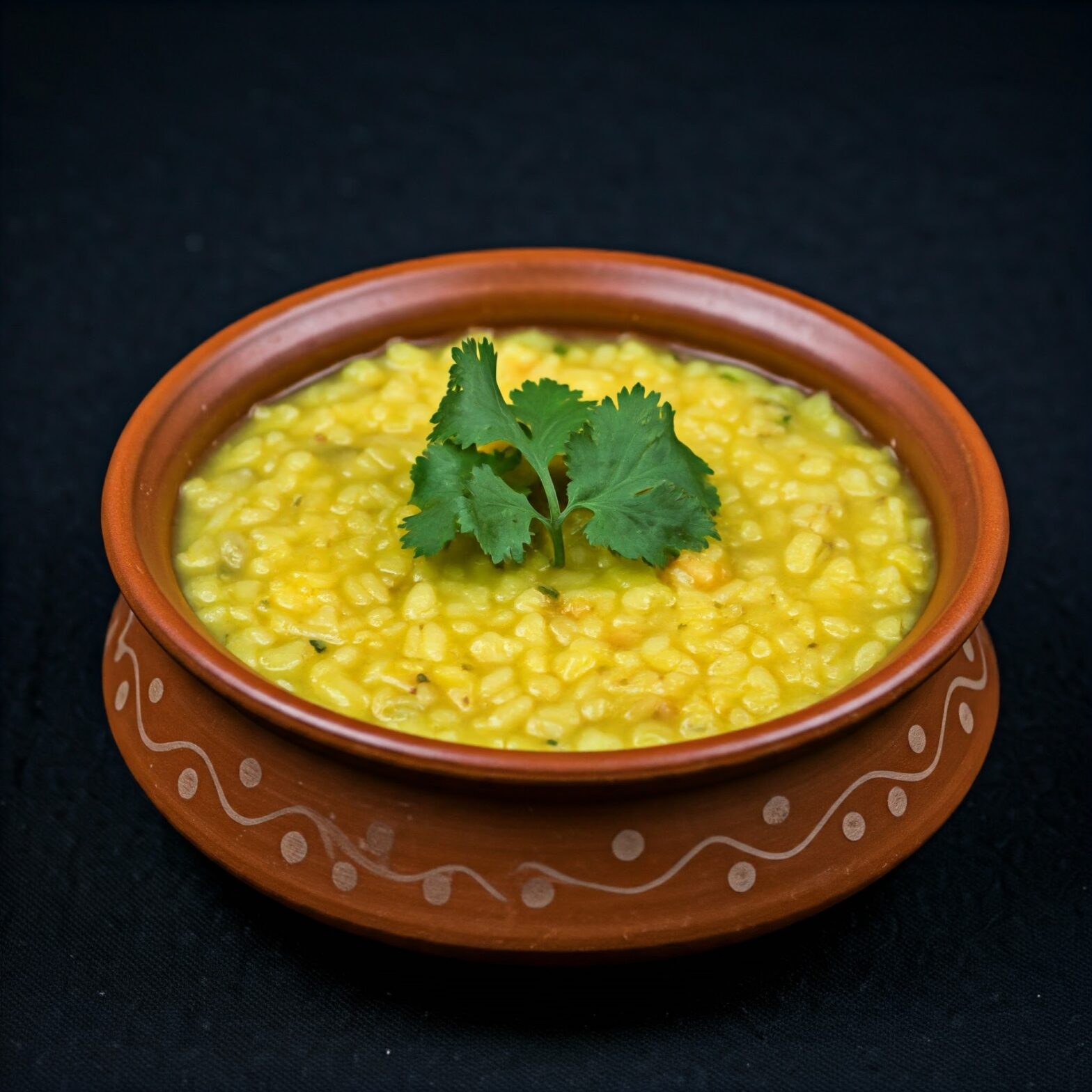
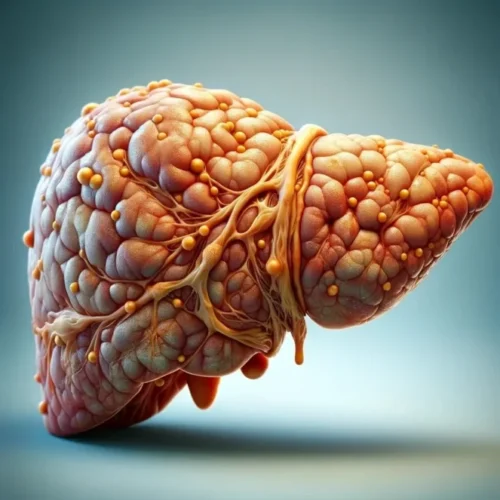
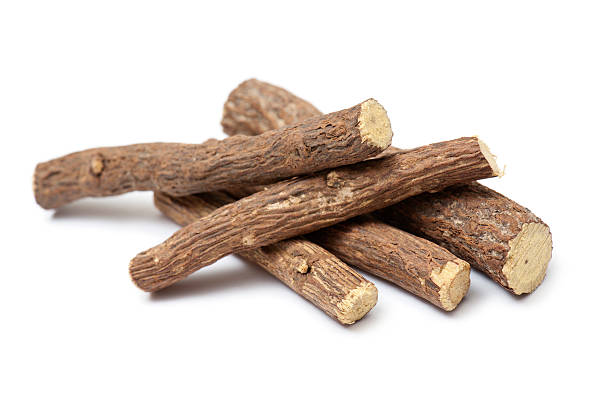
As an Ayurvedic doctor, I often have patients consult me with different health conditions. And one of the reasons for some of the health problems, especially for women, is hormonal imbalances. Health conditions, such as PCOS, hypothyroidism, etc. are all results of hormonal imbalance.    In today’s fast-paced world, hormonal imbalances have become increasingly common. Factors such as stress, poor diet, environmental toxins and sedentary lifestyles can influence the balance of your hormones. The common symptoms include irregular menstrual cycles, mood swings, weight gain and low energy levels. While conventional medicine offers solutions like hormone replacement therapy, many individuals seek natural alternatives to restore balance to their hormones without side effects.    In this blog, let us explore how Ayurveda offers natural methods to balance hormones effectively.   What is Hormonal Imbalance?   The endocrine system is made of endocrine glands. These glands secrete hormones that are necessary to carry out a variety of functions in our body. Endocrine glands do not have channels or ducts to carry these hormones. Therefore, hormones are discharged directly into the bloodstream. The pituitary gland, pineal gland, thymus, thyroid, adrenal glands, pancreas, testes and ovaries are among the most crucial endocrine glands in the body.    Hormones play a crucial role in our growth, digestion, sexual desire and reproductive health. They are also responsible for our cognitive processes, emotions, regulating our body temperature, and satisfying our thirst.    An excess or deficiency of a hormone in the body can lead to hormonal imbalances and eventually diseases. This situation can occur due to various factors, such as feeling stressed, having a poor diet, or experiencing health issues.     Hormonal Imbalance as per Ayurveda   Ayurvedic texts do not have a direct mention of the endocrine glands. However, they do have mentions of symptoms due to the increase or decrease of hormones in different contexts.    Influence of Doshas on endocrine glands   Doshas cannot be considered as hormones, as they lack form and also because Kapha and Pitta Doshas are stagnant and need to be mobilized by Vata Dosha. However, their functioning can be considered similar to hormones.    Pituitary gland   The pituitary gland,  also known as the master gland, is located in the brain. This gland secretes hormones that control the operation of some of the other endocrine glands. Similarly, Prana Vata, Sadhaka Pitta and Tarpaka Kapha – subtypes of Vata, Pitta and Kapha Doshas are also located in the head. When these Dosha subtypes work together, they can be considered similar to the functions of the pituitary gland. Also, the Dosha subtypes have an influence on the pituitary gland and its functions.   Thyroid gland   Ayurveda considers the throat as the seat of kapha. This is exactly where our thyroid and parathyroid glands are situated. The movement of Udana Vata and Prana Vata – two of the Vata subtypes also happens in the throat. So, you can say that Kapha, Prana Vata and Udana Vata oversee and influence the functioning of your thyroid and parathyroid glands.    Adrenal glands and pancreas   Adrenal glands and pancreas are situated in the abdomen, which is also the seat of Ranjaka Pitta and Pachaka Pitta – Pitta subtypes, Kledaka Kapha – one of the Kapha subtypes and Samana Vata – a Vata subtype. Therefore, these Dosha subtypes do influence the functioning of the adrenal glands as well as the pancreas. Also, since the Udana Vata moves upwards from the navel towards the throat, it also has an influence on the endocrine glands.   Testes and ovaries   Similarly, the testes in men and ovaries in women are located in the pelvis, which is primarily the territory of Apana Vata. Therefore, the vata subtype oversees the functioning of the glands.      Treatment of Hormonal Imbalance with Ayurveda   Every year, I have a lot of patients who join my women’s hormonal health program as well as thyroid and PCOS reversal programs to have their hormonal imbalances corrected with Ayurveda. Though the treatment can vary with the health condition, Prakriti (body type) and Dosha imbalances of the patients, here are some of the common treatment approaches I follow.   Dietary Modifications   According to Ayurveda, poor gut health is the root cause of all diseases. If your digestive fire (Agni) is not in balance, it can affect your digestion. Food, when not digested, turns into Ama (toxins) and the accumulation of toxins (Ama) in the body can lead to diseases and even disrupt your hormonal balance. Therefore, treatment for hormonal imbalances with Ayurveda often focuses on improving digestive function mainly through dietary changes.   If you are someone who follows my Instagram page or reads my blogs, you might be aware of how 80% of my treatment involves food as medicine. Only the rest 20% involves medicines, that too if necessary. Therefore, my treatment plan for patients with hormonal imbalances primarily involves dietary corrections.   In Ayurveda, diet plays a crucial role in maintaining hormonal balance. Foods are categorized according to their taste (Rasa), energy (Virya), and post-digestive effect (Vipaka), and individuals are encouraged to eat according to their Dosha type and current imbalances. For example:   Vata-pacifying foods, such as warm soups, cooked grains, and nourishing oils, can help calm the nervous system and balance Vata hormones.   Pitta-pacifying foods, such as cooling fruits, vegetables, and grains, can help reduce inflammation and balance Pitta hormones.   Kapha-pacifying foods, such as light, dry, and spicy foods, can help stimulate digestion and balance Kapha hormones.   Herbs, herbal remedies and herbal medicines   Some of the common herbs and medicines that help with hormonal imbalance according to Ayurveda include the following:   Licorice This is one of my favorite Ayurvedic herbs! Licorice or Mulethi helps regulate cortisol levels and supports the adrenal glands. You can have licorice in the form of tea, tonic or extracts, but with the advice of a qualified Ayurvedic doctor.    Turmeric Curcumin – the active component of turmeric has anti-inflammatory… Continue reading Hormonal Imbalance Treatment with Ayurveda

Skin Health Maintenance With Ayurveda

In the quest for beauty and vitality, our skin often serves as the canvas upon which our inner vitality is reflected. Yet, in the hustle and bustle of modern life, our skin health can become imbalanced, manifesting various issues such as acne, dryness, or inflammation.    In the realm of holistic healing, Ayurveda offers profound insights and remedies for nurturing radiant skin health. Having healthy skin doesn’t have to come at a high cost; in fact, it’s about prioritizing self-care on the inside.   Understanding Ayurveda’s Approach to Skin Health   Ayurveda views the body as a microcosm of the universe, composed of the five elements (Panchamahabhutas) – earth, water, fire, air, and ether – manifesting in the form of three Doshas: Vata, Pitta and Kapha.    According to Ayurveda, imbalances in these Doshas can lead to various skin issues; therefore, restoring harmony to the Doshas is vital in promoting skin health.   Vata: Governed by the elements of air and ether, Vata is responsible for movement and dryness in the body. Imbalances in Vata can manifest as dry, rough, or flaky skin, as well as conditions like eczema or psoriasis. Pitta: Representing the elements of fire and water, Pitta governs metabolism and digestion. When Pitta is aggravated, it can manifest as inflammation, redness, or sensitivity in the skin, as well as conditions like acne or rosacea. Kapha: Composed of the elements of earth and water, Kapha governs structure and stability in the body. Imbalances in Kapha can lead to oily, congested skin, as well as conditions like cystic acne or blackheads.   Ayurvedic Skincare Rituals   In Ayurveda, skincare is not just about external treatments but also about nurturing balance from within. Here are some skincare routines that can promote radiant skin health as per Ayurveda:   Cleansing: Gentle cleansing is essential for removing impurities and maintaining skin health. Ayurvedic cleansers often incorporate natural ingredients like rose water, neem or chickpea flour to purify and nourish the skin without stripping away its natural oils. Nourishing:  After cleansing, it’s essential to nourish the skin with hydrating and rejuvenating oils. You can use organic sesame oil or even Adirekha Ayurveda Glow Oil which promotes healing and enhances the skin’s natural radiance. Exfoliating: Regular exfoliation helps remove dead skin cells and promote cell turnover, revealing smoother, brighter skin underneath. Ayurvedic exfoliants may include ingredients like oatmeal, rice flour, or lentil powder, which gently slough away impurities and stimulate circulation. Masking: Herbal masks are an integral part of Ayurvedic skincare, offering targeted treatment for specific skin concerns. Ingredients like clay, aloe vera, or rose petals can be combined with Ayurvedic herbs to detoxify, hydrate or soothe the skin, depending on individual needs.   Ayurvedic Diet and Lifestyle Tips for Skin Health   In addition to external skincare rituals, Ayurveda emphasizes the importance of nourishing the skin from within through diet and lifestyle practices. Here are some Ayurvedic tips for promoting radiant skin health.   Eat According to Your Prakriti and Dosha Imbalance: Ayurveda recognizes that each individual has a unique constitution or Prakriti, which influences their dietary needs. By eating foods that align with your Prakriti and pacify your dominant Dosha while balancing the others, you can support optimal skin health. Stay Hydrated: Adequate hydration is crucial for skin health. Drinking plenty of water throughout the day helps flush out toxins, keep the skin hydrated, and maintain its elasticity and suppleness. Manage Stress: Chronic stress can exacerbate skin issues by triggering inflammation and hormonal imbalances. Practicing stress-reduction techniques like yoga, meditation, or deep breathing can help calm the mind; furthermore, they can also promote skin healing from within. Get Quality Sleep: Adequate sleep is essential for skin regeneration and repair. Aim for 7-8 hours of quality sleep each night to allow your skin to rest, rejuvenate, and replenish its natural glow.   Ayurvedic recipe for natural skin care   This is a recipe from Ashtanga Hridaya for Mukha Dooshika (acne). Ingredients: Multani Mitti Tender guava leaves Turmeric   Method of preparation: Make a paste of the main ingredients and rosewater.  Apply on your skin thrice a week for 15 minutes. Rinse off with water before it dries up on the skin.  In addition, do a Triphala wash three times a day.    Multani Mitti/ Earth Clay   Multani Mitti is a versatile natural clay; furthermore, it offers a range of potential benefits for your skin.  It has deep cleansing and exfoliation properties that absorb excess oil and impurities, unclog pores, and reduce blackheads and whiteheads. It also gently exfoliates, removing dead skin cells and brightening the complexion.   Tender Guava Leaves   Tender guava leaves have been used in traditional medicine for centuries. Some studies suggest they may offer certain benefits for the skin. Furthermore, guava leaves contain various antioxidants and flavonoids that may help combat free radical damage and, consequently, reduce inflammation. This could contribute to a brighter, healthier-looking complexion. It also has antibacterial and antifungal properties, which could prevent acne-causing bacteria and other skin concerns.   Turmeric   Turmeric, a vibrant orange spice with a long history of medicinal use, is a natural remedy for acne. Curcumin, the active compound in turmeric, has potent anti-inflammatory effects; therefore, it may play a significant role in reducing inflammation in the body.  This could, therefore, help reduce redness, swelling, and irritation associated with acne.  Curcumin acts as an antioxidant, protecting the skin from free radical damage that can contribute to acne breakouts. My skincare routine   I have acne-prone skin, and therefore, finding the right kind of products that suit my skin has been a struggle until I found them in Ayurveda. Ever since I haven’t looked back. After starting my career and gaining some experience, I now have a line of products that I personally use and recommend to my patients.  Here is my daily skincare routine:   Step 1- Massaging with organic black sesame oil The first step is cleansing my face with organic black sesame oil. I strongly believe in… Continue reading Skin Health Maintenance With Ayurveda

Chronic Health Managing With Ayurveda

The prevalence and rise in the number of people suffering from chronic health conditions globally has sharply grown. From autoimmune disorders and diabetes to obesity and arthritis, chronic conditions significantly affect the quality of life of those suffering.    The growing number of people suffering from chronic disorders has placed a substantial strain on the healthcare systems and resources. The figures of deaths in India and across the world accounted for by diabetes, chronic respiratory diseases, cancers, and cardiovascular diseases are alarming.    These NCDs (non-communicable diseases) are a leading cause of death. Obesity is a global endemic that has increased the instances of heart disease, cancer and diabetes. Recently, many have turned to Ayurveda to address this health crisis mainly because of its distinctive perspective of balancing the body’s doshas and integrating it with simple lifestyle practices.   Ayurveda as a holistic therapy   Ayurveda is a healing system that encompasses the body, mind, and spirit. It emphasizes lifestyle management to treat health conditions. The system of medicines provides a personalized approach to address the imbalances. When the Vata, Pitta and Kapha Doshas are not in balance, the body can develop chronic illness.    Healing this imbalance involves detoxification, improvement in digestion and stress reduction strategies. A person with a Vata imbalance can have warm and moist foods while a person with a Pitta imbalance can have cooling and calming foods.    Chronic health conditions are the result of internal and external factors that result in toxin (Ama) build-up and reduced digestive fire (Agni) according to Ayurveda. Physiological influences, genetic predispositions and environmental factors contribute to the development of chronic conditions. Chronic illness is attributed to a lack of energy. Improper lifestyle habits can cause toxins to build up.    What are chronic health conditions?   Let us understand chronic illnesses – those that last a long time, often a lifetime. They are most often autoimmune like neurological conditions, chronic pain and metabolic imbalances. Chronic conditions differ from acute conditions as their symptoms are persistent leaving the patient in pain, emotional pressure and social reclusiveness.    Globally, it is noticed that chronic conditions are a major issue as they are prolonged and require continual medical attention. Ayurveda has been effective in treating chronic health conditions at a nascent stage and they can be prevented from worsening. It goes to the root of a problem and treats it rather than suppressing the symptoms.   Today’s fast-paced life, dietary and activity changes, have given rise to increasing prevalence of hypertension and cardiovascular disease. Obesity and smoking are associated with these conditions.  The incidences of diabetes have also sharply risen.    Such chronic health conditions have to be managed with a strict diet lest it affect other organs like the eyes, heart, nerves and kidneys. An early diagnosis and treatment therapy can manage arthritis, which is an autoimmune condition.   Rheumatoid arthritis results in inflamed joints and degenerated joint cartilage. Patients suffering from this chronic condition suffer swelling and pain resulting in reduced joint mobility.   Autoimmune Diseases   Autoimmune diseases are mostly treated with immunosuppressive drugs to reduce the symptoms. However, as per Ayurveda, the gut and lifestyle will need rectification to address the malfunctioning immune system. Various herbs such as Maricha, Shunthi, Saindhav Lavan, Pippali and Haritaki can reduce the toxin build-up.   Ayurvedic herbs such as Vasa, Guggulu, Neem, Guduchi and Patola Patra help rectify metabolism. It is important to boost Ojas to provide the immune system with nourishment. The immune system is then corrected by calming and nourishing it.   Asthma   Asthmatic patients suffer from recurrent bouts of wheezing and breathlessness. Asthma is usually associated with irritants and allergens. While doctors prescribe steroids and inhalers to patients, they experience a reduced quality of life.   Ayurveda incorporates herbs like cardamom, licorice, Tulsi, Pippali, cinnamon and Vasaka to relieve airway blockage and congestion. Incorporating herbal teas, warm soups and cooked vegetables can also help.    It’s also important to follow regular mealtimes. Avoid smoke, pollution, pollen and dust to avoid triggers. Certain yoga postures and pranayama can strengthen respiratory muscles and open the chest.   Chronic Gut Issues   Treating gut-related and digestive issues involves the incorporation of a wholesome diet along with a healthy daily routine, exercise and medicines (if necessary). The diet aligns with the body constitution (Prakriti), health conditions and Dosha imbalances.    Ayurvedic treatments to treat chronic conditions   Following Ayurvedic practices can significantly reduce symptoms and prevent disease progression. Initially, Ayurvedic treatments begin with identifying the Dosha (body energy) imbalance in the body. With therapies, oils and diet correction, Ayurveda helps treat anti-inflammatory conditions to manage chronic health conditions.   Panchakarma   Panchakarma is a detoxification therapy that helps remove toxins and rejuvenate the body. This five-pronged specialized treatment encompasses therapeutic oil enemas (Basti), massage with herbal oils (Abhyanga), herbal steam practice (Swedana), purgation (Virechana), and Nasya (nasal medication).    Panchkarma prevents tissue damage and prevents recurrence of autoimmune disorders.    Lifestyle routines   The Ayurvedic regimen involves Dinacharya (daily routine) and Ritucharya (seasonal regimen). These encompass:   Waking up before sunrise Tongue scraping and oil pulling Abhyanga or self-massage Yoga Breathing exercises (pranayama) Meditation Retiring early at night   Following a routine consistently helps strengthen the mind-body connection and lower stress levels.   Benefits of following an Ayurvedic way of life   Ayurveda emphasizes mindful eating. You should avoid overeating and distractions during mealtimes. One can, for instance, modify their lifestyle and diet according to the season and, moreover, their prakriti.   The usage of oils helps in lubricating joints and can assist those suffering from arthritis. Good sleep hygiene can also go a long way in keeping several chronic conditions at bay. Meditative practices help strengthen the mind-body connection and lower stress levels.    A calm mind, therefore, can handle the stresses associated with the fast-paced lifestyle of today.   Also read: Ayurvedic recipe for gut – the mid-morning drink     If you are struggling with any health issues, you… Continue reading Chronic Health Managing With Ayurveda

Tooth Infection Remedies in Ayurveda

Are you worried that your dentist has suggested a root canal to tackle your tooth infection? It’s a common recommendation, but not always the path one wants to take.    However, there’s hope!  Ayurveda offers a natural alternative that could potentially save you from the discomfort and expense of a root canal.        Ayurvedic Remedy for Tooth Infection           To prevent a simple tooth infection from escalating into a root canal, consider this Ayurvedic remedy.     Ingredients:     Triphala powder – 1 tbsp   Water – 2 glasses   Himalayan Pink Salt – 1 tsp     Method of Preparation:   Start by adding the Triphala powder to 2 glasses of water. First, mix well until it dissolves completely. Then, let it sit for a few minutes to enhance its potency. Boil the mixture until it reduces to 1 glass.   Once reduced, add 1 tsp of Himalayan Pink Salt and mix thoroughly.   Now comes the crucial step: hold this solution in your mouth for 5 to 10 minutes before spitting it out.      Repeat this process multiple times throughout the day. In the next couple of days, you’ll realise that you won’t need a root canal anymore.       The magic lies in the combination of Triphala and Himalayan Pink Salt. Triphala – a combination of three Ayurvedic herbs, Amalaki, Bhibitaki and Haritaki, has powerful antibacterial properties. Meanwhile, Himalayan Pink Salt is renowned for its anti-inflammatory effects. When used together as Kabha (pooling in the mouth) multiple times, this remedy can effectively combat tooth infection.       But the benefits don’t end there. Regular use of this Ayurvedic concoction can also aid in preventing tooth decay and promoting overall oral health and hygiene.      In case this remedy does not work for you, you may need to consult a doctor.       Testimonials     Now, you might be sceptical.       Can a simple Ayurvedic remedy truly spare you from the need for a root canal?  The answer, indeed, lies in the testimonials of those who have, after all, tried and tested this remedy themselves.     Furthermore, countless individuals have reported positive outcomes after incorporating this remedy into their oral care routine.  Within a few days of consistent use, many have found relief from tooth infection without the need for invasive dental procedures.       So, if you’re worried about getting a root canal, why not give this Ayurvedic remedy a try? It’s natural, accessible, and, in fact, may just be the solution you’ve been searching for.     Remember, prevention is better than cure !       If you are struggling with any health issues, you can either book a consultation with us or send us a message via WhatsApp to +91 79074 89839. We have the best Ayurvedic doctors in Trivandrum who are always glad to help you. If you have any queries, contact us.  You can also visit us at our hospital.

Dosha Personality Types in Ayurveda

In a world bustling with ambitions and dreams, motivation becomes the fuel that propels us forward. But have you ever wondered why some people are naturally driven while others struggle to find their inner spark?  Enter Ayurveda, which offers profound insights into the diverse spectrum of personality types that are influenced by different factors, like Dosha.      According to Ayurvedic principles, each individual possesses a unique constitution, or “Prakriti,” determined by the balance of the three Doshas: Vata, Pitta, and Kapha. These Doshas govern not only our physical health but also our mental tendencies and emotional inclinations.     Understanding the Doshas    Before we delve further into how your personality and motivation type varies with your Dosha predominance, first let us understand each Dosha.      Every living being in the universe is made up of five elements or the Panchamahabhutas – earth, air, water, fire and ether. In our body, we have these 5 elements in various proportions. Depending on the proportion of these 5 elements, we categorise people into Vata, Pitta and Kapha.       Vata Vata has more of air element. Just like how air is moving and unstable, Vata people are highly dynamic.       Pitta Pitta means fire, and fire means aggression and passion. Similarly, Pitta people are consistent.       Kapha For Kapha, Earth element is predominant. Kapha people are sluggish, slow, lazy and lethargic.      Nobody has one single Dosha. Everybody is a combination of two or sometimes even a combination of all the Doshas together.      There are tons of Dosha and Prakriti quizzes online to identify your personality type. But most of them are not accurate. The best way to identfy your Prakriti or Dosha predominance is by consulting an Ayurvedic doctor.    Personality Types Based on Dosha Predominance    Your personality can vary based on your Dosha predominance.      Vata Person   If you are a creative visionary who is artistic, inspirational, with a naturally thin body type, dry skin and often having difficulties sleeping well, you are a Vata person.     Think Steve Jobs, Sundar Pichai, Amitabh Bachchan!      Vatas have their mind all over the place. Their mind hovers around 100 different thoughts at a time. They are restless and find it difficult to focus on a single task and lose interest and focus easily. Vatas always face a ‘this or that’ situation in their mind when it comes to making decisions.       If you ask me, I am a Vata person – super creative and super unorganized with a super wandering mind. I keep changing my mind, constantly wondering, ‘should I do this or that?’      Vata is a mixture of elements Air and Ether. It is free-flowing, light-spirited, ever moving. A balanced Vata makes you a visionary, creative, dreamer who is full of ideas.      The downside is you start a million projects and leave them unfinished because your mind is always wandering, moving from one job to another. Change drives you, while routine and regularity bring you boredom. And that’s why your motivation is easy come, easy go.      However, this is not a problem, but this is who you are!      So, the best thing to do is to not be fixated on doing just one thing for a long period. Instead, split your time to do different kinds of things and then rotate the same set of things.       Just like how your motivation comes and goes easily, it isn’t hard for you to be excited again about something. Also, you can organise your day by giving yourself a deadline.         Pitta Person    Pittas in Ayurveda are the passionate bosses we all have had. They are ambitious, sharp, disciplined, determined and powerful, yet impatient, irritable, angry, and fierce with a strong drive to accomplish whatever they set their mind to.       They have a fire in them to win, to accomplish and be successful. Also, they are steady and consistent. Think Beyonce. She is not bossy; she is the boss in her own words. That’s perfect Pitta.       P️ittas are highly motivated people and their ambitions can sometimes go beyond their capabilities, leading to burnout.       So, like I said for Pittas, embrace who you are.       The truth is that, in fact, society is designed in such a way as to help Pitta people succeed.  So, you can tone down your righteousness and emotions which can save you from conflicts with other people who do not match your motivation style. You can then focus on your ultimate goal without experiencing burn out.         Kapha Person    A Kapha person is slow, steady and resilient like the earth. They are the ever-flowing love and care we all yearn to receive.      I like to call it the “mom energy.” Kaphas are the most nurturing and supportive that you just want to give them a hug and tell them all your life’s problems.      Think Oprah!     About their motivation style, Kaphas are slow to start but are powerful once engaged. However, being very self-critical, they get anxious when their progress is slow.       The best thing to do is to accept that this is who you are – you may start slow, but as you progress, you gain speed and can be at your productive best. All you have to do is to be patient.       Whether you resonate with the airy whims of Vata, the fiery ambition of Pitta, or the steadfast resolve of Kapha, remember that true motivation springs from a harmonious balance of mind, body and spirit. Embrace your innate nature, honour your unique journey and let Ayurveda lead you to a fulfilling life.     So, which dosha personality type are you?       If you are struggling with any health issues, you can either book a consultation with us or send us a message via WhatsApp to +91 79074 89839. We have the best Ayurvedic doctors in Trivandrum who are always glad to help you.… Continue reading Dosha Personality Types in Ayurveda

Pseudoscience or Timeless Wisdom? The Truth About Ayurveda

Ayurveda is a pseudoscience!   Ayurveda is old and outdated!   and Ayurveda is not relevant!     As much as I have a huge number of Ayurveda enthusiasts who love my content on Ayurveda, I also come across a few who have the above-mentioned notions.     Hence this blog to enlighten you about the relevance of Ayurveda.      Ayurveda is a 5000-year-old medical science. It is a science and it follows the scientific method of hypothesis, observation and validation.      Every older scripture of Ayurveda is validated by newer scriptures and corrections are made with time. For example, Ashtanga Hridaya validates the principles mentioned in Caraka Samhita and Sushruta Samhita which is further validated by Ayurvedic textbooks like Nighantus and Teekas that came later.     Ayurveda is individualised   Ayurveda is not a “population-based” medicine. It is, in fact, an “individual-based/ individualised medicine.” There is no “one-size-fits-all” approach in Ayurveda.     Ayurveda believes that every person is unique. One person’s individual constitution, family history, lifestyle, food habits, thoughts, environment etc. are completely different from another person’s. Hence every human needs individualised medicine and treatment.     We may not do randomised control trials on 1000 people and come up with a conclusion that this medicine worked for all 1000, so this will work for 10,00,000 people in the world; we believe that how a disease manifests in one person is completely different for another person.     According to modern medicine, a disease is diagnosed merely by numbers – based on a lab report. But does the lab report show details like a person’s sleeping pattern, diet, thoughts, environment at home, office, etc. – all of which might have an impact on their health?     In Ayurveda, the diagnosis depends on all of these and many more parameters.     Ayurveda beyond the notions   There are many notions about Ayurveda, the primary reason being people assuming things from hearsay.      They say Ayurveda is a pseudoscience as it doesn’t show instant results. Yes, Ayurveda isn’t about popping a pill for your health condition. It is all about diagnosing your health condition, deeply understanding the circumstances that led to your condition, delving into the root cause and helping you heal through personalised dietary and lifestyle changes, treatments and medicines, if necessary. So, it’s going to take time, but rest assured your condition will not come back haunting you in the long run.    However, I do agree that all medical systems exist for a purpose – to alleviate suffering. No medical system is perfect.     For example, there is no treatment for Myocardial Infarction or cancer in Ayurveda. For this, modern medicine is the best. But Ayurveda is the best for gastroenterology conditions, arthritis, all kinds of chronic diseases, autoimmune conditions, skin diseases etc. and can remove the disease from the root.     Ayurveda is not specialised   Ayurveda is a whole system of medicine and is not specific.  Ayurvedic doctors treat everything from the common cold to Parkinsonism.  We not only treat just one problem but also we treat the whole person from head to toe.       Also, Ayurveda is not just about treating humans. An Ayurvedic doctor can treat everything with a body, mind and souland that includes treating animals.        So, the next time you say, “stick to your forte,” when I say Sankalpa and Yoga Nidra are deeper than hypnotherapy or use Triphala for oral health or  Prachanna is safer, time tested and better than PRP and microneedling, remember, Ayurveda is my forte.  And no, Ayurveda is not a pseudoscience.   Ayurvedic texts have solutions to almost all health conditions and the best part is there are barely any side effects or aftereffects. Therefore, Ayurveda is very much relevant today as it was 5000 years ago.     So, the next time someone tells you Ayurveda is a pseudoscience, show them this blog.   When the world is going for super modern, let’s go back and chase our roots!   If you are struggling with any health issues, you can either book a consultation with us or send us a message via WhatsApp to +91 79074 89839. We have the best Ayurvedic doctors in Trivandrum who are always glad to help you. If you have any queries, contact us.  You can also visit us at our hospital.
Heart Health Boosters – Ayurvedic Herbs You Need to Know

Ancient Ayurvedic texts (Samhitas) have mentions of countless herbs that can be used to treat different ailments. As an Ayurvedic doctor who swears by the Samhitas, I use many of them to treat my patients as well as to prepare Ayurvedic medicines, oils and other products at my hospital. One such kind of Ayurvedic herbs that I use are herbs for heart health. In this blog, let us explore the herbs that have become my allies in nurturing and strengthening the heart.     Understanding the Heart-Health Connection from an Ayurvedic point of view.     Ayurveda views the heart as a central point in the body where multiple pathways converge. Envision a wagon wheel with the heart positioned in the middle. Every spoke on the wheel signifies a distinct element of the body or a significant emotional experience. The combination of channels is substantial as it demonstrates the interconnectedness of the heart with every part of the body. The subtle body, which is energized and guides the physical body, has a solid connection to the it.  It plays a crucial role in the subtle body’s energy pathways. It is directly related to the Chakra.  The heart, in Ayurveda, is not just a physical organ but the seat of emotions and consciousness. This ancient system of medicine teaches us that imbalances in the body’s Doshas—Vata, Pitta, and Kapha—can impact heart health. Therefore, maintaining balance in mind, body and spirit is critical to support a healthy heart.    The Heart Chakra   The heart is connected to all seven Chakras through the ten great vessels, but it has a more pronounced connection to the heart chakra. This Chakra is believed to bridge the gap between our internal and external environments, acting as a gateway to heightened consciousness and comprehension. It is the primary location where we experience love, sympathy, solitude, sorrow and melancholy. These emotions frequently cluster in the vicinity of the heart. The convergence of energy pathways occurs at specific locations within the body known as Chakras. The Heart Chakra is another pathway  that can affect our health.   Natural Herbs Good for the Heart   Among the myriad of Ayurvedic herbs, several stand out for their profound benefits on heart health: Arjuna (Terminalia arjuna): Known as the “guardian of the heart” in Ayurveda, Arjuna is revered for its ability to strengthen the heart muscle, improve circulation and regulate blood pressure. Incorporating Arjuna into my daily routine has been a cornerstone of my health regimen. Hawthorn (Crataegus spp.): Hawthorn is another potent herb that supports cardiovascular health. Rich in antioxidants, it helps dilate blood vessels, improve blood flow, and lower blood pressure.  Garlic (Allium sativum): Garlic, with its intense aroma and potent medicinal properties, is a staple in Ayurvedic cuisine. It helps lower cholesterol levels, regulate blood pressure, and reduce the risk of blood clots. I add garlic liberally to my meals, savouring its flavor and healthy benefits.   Ways to Prevent Heart Disease   Prevention is always better than cure when it comes to the health.  Here are some Ayurvedic-inspired tips to keep your heart healthy: Maintain a Balanced Lifestyle: Balance is the key to health in Ayurveda. I prioritize rest, relaxation and rejuvenation, making time for self-care practices like yoga, meditation and mindfulness. Exercise Regularly: Physical activity is essential for cardiovascular health. I engage in activities that I enjoy, whether it’s dancing, hiking or practicing martial arts, to keep my heart strong and my body fit. Manage Stress: Chronic stress can take a toll on the heart. I cultivate resilience through stress-reduction techniques like deep breathing, progressive muscle relaxation and spending time in nature. According to Ayurvedic tradition, the body, mind, and spirit are viewed as intertwined and inseparable from one another. Caring for these influences can significantly affect the heart’s transformation. Similarly, the functioning of the heart impacts all the interconnected systems and pathways within it. If we focus on one area, it will have repercussions on all the surrounding areas. There are several treatment options available that can benefit both our cardiovascular health and overall well-being. It is essential to listen to your gut and follow your heart when determining the best course of action.   Effect of digestion on heart health   Apart from using the above-mentioned herbs, maintaining a healthy digestive system is also crucial for heart health. Agni (digestive fire) plays a pivotal role in supporting  health by influencing plasma, body tissues, and Ojus. Focus on consuming nutritious foods and be mindful of how you pair your meals. Follow a diet that helps improve your Agni.  Being conscious of our eating habits and, consequently, sticking to a routine can, in turn, enhance our digestion.  You can consult an Ayurvedic doctor for guidance regarding your diet.    Recognizing Stress Symptoms   It’s essential to listen to your body and recognize the signs of heart stress. Some common symptoms include: Chest Pain or Discomfort: This may, for instance, feel like pressure, squeezing, or tightness in the chest. Shortness of Breath: Difficulty breathing or feeling out of breath, especially during physical activity. Fatigue: Unusual tiredness or lack of energy, even with rest. Dizziness or Light-headedness: Feeling faint, dizz, or lightheaded, especially when standing up quickly. Irregular Heartbeat: Specifically, palpitations, skipped beats, or, additionally, a sensation of fluttering in the chest. If you experience any of these symptoms, it’s essential to seek medical attention promptly to rule out any severe  conditions. Always listen to your heart, nourish it with love and care and embrace the healing power of nature’s remedies to protect it.     If you are struggling with any health issues, you can either book a consultation with us or send us a message via WhatsApp to +91 79074 89839. We have the best Ayurvedic doctors in Trivandrum who are always glad to help you. If you have any queries, contact us.  You can also visit us at our hospital.
Seasons Change, So Should Your Ayurveda Routine

With changing seasons, our bodies undergo various changes. You might experience Dosha imbalances, seasonal allergies, gut health issues due to varying digestive fire (Agni) and more. But you don’t have to worry! Ayurveda offers the perfect advices to take care of yourself with the changing seasons. In this blog, let us delve deeper into the principles of Ayurveda and how they guide us towards optimal health and wellbeing, particularly in alignment with the changing seasons.   Understanding Ayurveda   Ayurveda is a traditional system of medicine that focuses on the physical, mental and spiritual well being of a person. It is not just about treating health conditions; Ayurveda can also be considered as a way of life that ensures the overall wellness and well being of an individual.  At its core, Ayurveda recognizes that each individual is unique, with their distinct constitution, or “Prakriti,” which is determined by the three Doshas – Vata, Pitta and Kapha. These Doshas govern various physiological and psychological functions in the body and are influenced by factors such as diet, lifestyle, environment and the changing seasons.   Seasonal Wellness from Ayurvedic perspective   According to Ayurveda, the key to maintaining good health lies in living in harmony with nature’s rhythms, including the cycles of the seasons. Each season influences the doshas with its own set of qualities.  Therefore, Ayurveda recommends seasonal adjustments to diet, lifestyle and daily routines to maintain balance and prevent imbalances or illnesses. For example, during the hot summer months, when Pitta Dosha tends to be aggravated, Ayurveda advises consuming cooling foods and beverages, such as fresh fruits, salads and herbal teas, to pacify excess heat in the body. Similarly, in the cold, dry winter months, when Vata Dosha may become imbalanced, nourishing and grounding foods like soups, stews and warm spices help to counteract the cold and keep Vata in check.   Ayurvedic Treatments for Seasonal Wellness   In addition to dietary and lifestyle recommendations, Ayurveda offers a wide range of treatments and therapies to support your health with changing seasons.    Abhyanga (Ayurvedic oil massage)   Regular massage with organic sesame oil or Sheeta Tailam (during summers) helps to lubricate the joints, nourish the skin and calm the nervous system. These massages are particularly beneficial during the dry, cold winter months.   Panchakarma   This Ayurvedic detoxification and rejuvenation therapy involves a series of cleansing procedures designed to eliminate toxins from the body and restore balance to the Doshas. Health professionals often recommend Panchakarma during seasonal transitions to reset the body and boost immunity.   Herbal remedies Ayurveda employs a vast array of herbs with specific properties to address imbalances associated with each Dosha and season. For example, herbs like Tulsi are known for their adaptogenic and immune-enhancing properties. they, therefore, make an ideal choice for supporting overall health and well-being throughout the year.   Ayurveda and Seasonal Routines   Ayurveda and Ayurvedic medicine take into account the natural properties of the elements. The different combinations of the five elements (earth, water, fire, air, and ether) form the three Doshas (Vata, Pitta, and Kapha).  The varying characteristics, such as mass, heat, feel, compactness, etc., are present in nature, including the different seasons. These characteristics directly influence our physical, mental and overall well being.  Understanding the characteristics of each season is crucial for making necessary adjustments to your diet and lifestyle in order to maintain good health. The ancient Ayurvedic texts advise adhering to a schedule that aligns with the six distinct seasons in their region.  We will simplify things – routines, foods and more for each of the four seasons: Fall, Winter, Spring, and Summer. But they can vary depending on your location, your Prakriti and Dosha imbalances.    Routines for the Autumn season During autumn, Vata’s dominance brings cold, wind, dryness and restlessness. Adjust by adding warm foods and fats like ghee, dressing warmly, and having warm oil massages. Opt for seasonal foods, warm water, and less cold foods like salads.   Routines for the Winter season In Winter, colder weather worsens Vata and increases Kapha. Neglecting season-appropriate routines may lead Vata-dominant individuals to have dry, cracked feet, poor sleep and distress. Vata types can stick to Autumn routines. But Kapha types should opt for warm, light foods and aromatic spices like black pepper and mustard, with less oil.   Routines for the Spring season During Spring, increasing warmth melts built-up Kapha qualities, causing phlegm and allergies. For renewed energy, engage in more movement like walks, gym or yoga. Massage dryly, and consume warm, dry foods with bitter greens and spices. This season is also ideal for detox or Panchakarma.   Routines for the Summer season In summer, Pitta-dominant individuals must take extra care in the hot weather. Stay cool by avoiding midday sun, walking in forests and using Sheeta Tailam for massages. Try relaxing yoga and cooling pranayama, like Shitali and Sheetkari, along with meditation. Stay hydrated with drinks like coconut water, and have cooling and seasonal foods.   Consult an Ayurvedic Doctor   Incorporating Ayurvedic principles into your daily life isn’t just enough. It’s essential to consult with a qualified Ayurvedic doctor for personalized guidance to ensure your overall well being. An Ayurvedic doctor assesses your Prakriti, identifies imbalances, and recommends personalized treatments.   Embracing Emotional and Mental Wellbeing   In addition to physical health, Ayurveda also places great emphasis on emotional and mental wellbeing. According to Ayurvedic teachings, the mind and body are intimately connected, and imbalances in one can manifest as symptoms in the other. Therefore, we encourage practices such as meditation, yoga, and Pranayama (breathwork).  They help promote relaxation, reduce stress and cultivate mental clarity and emotional balance. In this fast-paced world, Ayurveda reminds you to slow down, reconnect with nature and prioritize our health and well-being. By aligning our daily routines with the changing seasons and understanding our Prakriti, we can cultivate vibrant health, balance and vitality in our lives. So, let us embrace the wisdom of Ayurveda; furthermore, let us embark… Continue reading Seasons Change, So Should Your Ayurveda Routine

Ways to Boost Immunity With Ayurveda

Covid pandemic and its after effects have teaken a toll on people’s immunity recently.   Here’s an example from one of my consultations:   I had a patient who came to the hospital complaining of perennial fatigue and lethargy.     Her main complaints were aches and pains and she also tended to catch a cough or cold very easily.    She had a Covid attack a year back and since then, her immunity had taken a beating.     The patient fell ill very often and the symptoms would persist for weeks on end.    She was severely disappointed due to the constant dip in energy and persistent bouts of fever and cough.    No amount of medicines could help build her immunity and that’s why she finally decided to turn to Ayurveda.    Like her, I have many  patients who consult me regarding their immunity issues.    In this blog, let us discuss immunity from the Ayurvedic perspective.    Immunity as per Ayurveda    The strength within you to fight all diseases is called Vyadhi-Kshamatva; Vyadhi means illness and Kshamatya means resistance.     In Ayurveda, any imbalance in Doshas is indicative of bad health.   Imbalance in Doshas results in the accumulation of Ama (toxins) that affect all the cells in the body.     And this leads to diseases.    People with a strong immune system rarely fall ill and if they do, they recover faster.     A robust immune system is characterised by healthy sleep, good gut health and overall well-being and people feeling energetic daily.    As per Ayurveda, we possess different types of resistance or immunity:  Genetic  Developed by specific antibodies created in the body to fight a particular antigen  Developed through healthy lifestyle practices and a nutritious diet     Contributing factors to immunity    According to Ayurveda, the following factors have an effect on your immunity.     Ojus   Ojus or vitality is hailed as an important determinant of a person’s immunity as it nourishes and manages the body’s functions.     This includes digestion, nutrition assimilation and the ability to fight infections.     Any decline in Ojus can result in lowered immunity.     Our state of mind   The mind plays a crucial role in maintaining our emotional balance and the strength of our immune system.     We have heard the phrase ‘it’s all in the mind’ – and it cannot be far from the truth.    Digestive power or Agni   Your gut health determines your overall well-being.     Impaired digestion causes an accumulation of toxins or Ama, thereby clogging the channels.    This affects your immunity and results in diseases.     Guidelines to boost immunity with Ayurveda    Ayurveda emphasises building and strengthening immunity with a healthy lifestyle. This includes using herbs, healthy foods and incorporating daily rituals.   Panchakarma or Ayurvedic detoxification is also prescribed for people suffering from a build-up of Ama.    Your food and your immunity    The quality and quantity of food you eat is vital for your immunity.     Stay away from stale, highly refined and processed foods.    Also, make sure that the food you eat is warm and freshly cooked.     It’d be great if you can consult an Ayurvedic doctor regarding your diet.     They can help follow a diet that matches with your Prakriti or body constitution, Dosha imbalances and health conditions.     Practice healthy daily rituals   Start your day early and sleep during the prescribed time. Do not discount the role of good sound sleep to relax and recharge your body and mind.     Start your day with a glass of warm water to boost your gut elimination.    Ayurvedic rituals include tongue scraping and oil pulling.     Daily self-massage with oil will keep your skin lubricated, improve circulation and calm the mind.     A common modern-day malady is stress. Stress can arise due to various reasons and affects your peace of mind.     Try to practice breathing exercises, take quiet walks and do meditation to allow the mind to achieve a calm state.     Keeping physically active is critical to immunity. Whether walking or yoga, exercise moderately to handle stress and boost immunity.    Want to learn more about daily rituals? You can download my eBook for free!    Foods to Boost Immunity as per Ayurveda    Here are some foods to boost immunity as per Ayurveda:     Dry Ginger   In Ayurveda, ginger – in both original and dried form, is highly valued for boosting the immune system and helping with digestion. Dry ginger is rich in antioxidants. It helps build immunity and reduce inflammation. It is also great for the digestive system.    Amla   Amla has lots of vitamin C and antioxidants, which help your immune system. Drink fresh amla juice or use dried amla powder in your food to get its advantages, especially for enhancing immunity and lustrous skin and hair.     Tulsi   Tulsi is considered a sacred Ayurvedic herb and is known for its ability to help your immune system. It also helps relieve congestion, colds and coughs. Regular consumption of Tulsi can go a long way in enhancing immunity.     Drumstick   Drumstick or moringa is a powerhouse of nutrients and has the ability to greatly boost your immune system. With its high antioxidant levels, it helps protect you from infections. Additionally, moringa is packed with iron and vitamin A, which further strengthen your immune system.     Neem   Neem aids in boosting your immune system and has a cooling effect on your body from within. It has both anti-bacterial and anti-fungal properties and has been recommended by Ayurveda for different health conditions.    Dates   Dates are the “fruit of kings.” It helps build Ojus (vitality) and strengthen the tissue systems of the body. The fruit is rich in immunity-boosting elements, such as magnesium, copper, selenium antioxidant, etc. that are necessary for immune response.    Ghee  … Continue reading Ways to Boost Immunity With Ayurveda

Gut Health – Unlocking the Power of Ayurvedic Foods for Digestion

From bloating and constipation to IBS and diarrhoea, poor digestive health has become a sign of modern times. A sedentary lifestyle, improper meal times, unhealthy food choices and mental stress are some of the modern-day contributors to poor gut health. It is alarming to note that nearly 40% of adults suffer from gut issues, ranging from heartburn and bloating to acid reflux and IBS (Irritable Bowel Syndrome). According to Ayurveda, poor gut health is the root cause of all diseases. So, neglecting these problems could lead to severe conditions like colon cancer.    The Reasons Your Gut Is Not Happy   Fatigue, IBS, constipation, bloating, diarrhoea, unintentional weight changes, etc. are all signs of poor gut health. If you see it from the Ayurvedic perspective, Then, it’s time for you to hurry up and consult a doctor. One of the main reasons for your gut health issues is lack of sleep. The role of good sleep in digestive health is, however, often overlooked.   Serotonin is produced in the gut; therefore, any imbalance can significantly affect its production. A weakened immune system can also lead to poor gut health. Your body is not capable of fighting diseases as it has not absorbed nutrients from the food. Another reason for digestive issues is excessive consumption of incompatible and processed foods.   The Gut-Mind Connection   The gut-mind connection has been scientifically proven. Unlike the popular adage ‘You are what you eat,’ Ayurveda believes that ‘you are what you digest’. Healthy digestion is vital to wellness.  In Ayurveda, gut health is derived from ‘Agni’ – the digestive fire. It not only has a bearing on your digestion process, but it also influences your emotions and thoughts. Most digestive problems arise due to an imbalance in Agni. This imbalance in turn affects the Doshas and accumulates Ama or toxins. The GI system and the central nervous system are deployed and connected. Food can trigger mood changes. Ayurveda says, “Rogah sarve api mande agnou,” meaning, a low Agni or poor gut health is the root cause of all diseases – be it physical or emotional. It means your gut and mind are connected. Following a regular daily routine or Dinacharya is intrinsic to wellness as per Ayurveda. This regularity also goes a long way in maintaining a healthy nervous and digestive system.  Furthermore, Ayurveda recommends mindful eating, which, in a way, means the mind and the gut are connected. Additionally, mindful eating is about involving all your senses as you eat.  It makes you aware of the quality and taste of the food and portion control. This nourishes the inner Agni, thereby ensuring balanced digestion.    Ayurvedic Ways to Keep Your Agni Balanced   Here are different ways to keep your Agni on balance: Follow a diet with foods that are simple, light and easy to digest. Be consistent with your mealtimes.  Avoid overeating. Avoid incompatible food combinations. Eat your dinner early. Have three meals every day. Maintain a gap of about 2 to 3 hours between your dinner and bedtime. Follow Dinacharya. Keep your body well hydrated. Avoid cold drinks and ice water as it dampens your Agni. Avoid processed and frozen foods. Have warm, freshly cooked foods instead.   Ayurvedic Remedies To Soothe Your Gut   Here are some Ayurvedic remedies that work best for your gut health: Consume black raisins to support digestive health. They relieve constipation and provide much-needed minerals and nutrients. Guduchi is an Ayurvedic herb that helps soothe gut inflammation. Consume it if you suffer constipation or poor appetite. Add licorice or Yashtimadhu to tea to soothe an acidic gut. Add cinnamon to tea or milk to promote better digestion. It acts as an antioxidant to eliminate oxidative compression in the gut. Use cardamom to reduce inflammation. Furthermore, it alleviates symptoms of indigestion, gas, and bloating. People have used cloves for their analgesic and anti-inflammatory properties. Triphala – a combination of Amla, Haritaki, and Bibhitaki can be consumed for better nutrient absorption and relief from constipation. Relieve nausea by drinking ginger tea. Add ginger while cooking to promote digestive health. Consume fennel to boost digestion. You can either chew fennel seeds after your meals. Alternatively, brew a fennel tea and have it. Carom seeds or ajwain is a wonderful carminative. It has antibacterial and anti-inflammatory properties to reduce bloating, gas, and digestive tract inflammation.  Use black pepper and long pepper in food or tea to enhance digestive power.   Practices For Better Digestive Health   Incorporate these practices into your daily life to improve your digestive health: Try meditation to reduce the stress and anxiety that is part of modern-day life. Not only will you have better gut health, but you will also experience a healthier mental and emotional state. Eat foods that align with your Prakriti (body type). This helps prevent Dosha imbalances. Eat seasonal food. This practice maintains energy balance. Local produce is best as it is fresh and has not travelled thousands of miles to get to your plate. Enjoy your food but keep your gut happy too. Have foods that are easy to digest and follow mindful eating. Keep yourself active. Follow an exercise regimen that suits your age, fitness levels, and overall condition. Daily walks can kindle the Agni and build your digestive capacity. Though the principles of Ayurveda date back several thousand years, they hold relevance even today. Ayurveda gives utmost importance to gut health as it has an impact on your overall health. So, have foods that are digestible, follow a daily routine and keep away from stress. If you need any help with your diet.   If you are struggling with any health issues, you can either book a consultation with us or send us a message via WhatsApp to +91 79074 89839. We have the best Ayurvedic doctors in Trivandrum who are always glad to help you. If you have any queries, contact us.  You can also visit us at our hospital.