
Contact Dermatitis Treatment in Ayurveda

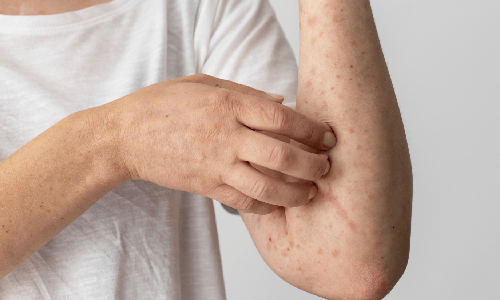
Though not transmittable, contact dermatitis is a skin condition that causes great deal of pain and discomfort. If left untreated for an extended period, it has the potential to result in lasting scars and harm to the skin. To address the issue, one must select an effective treatment rooted in Ayurvedic traditions.    What is contact dermatitis?   Contact dermatitis is a common skin condition that affects millions worldwide. It happens when your skin is exposed to something that it reacts negatively to. This may be a substance that triggers an allergic reaction or discomfort. It can manifest as redness, itching, swelling, and sometimes even blistering, often resulting from direct contact with certain substances.    Types  of  Contact  Dermatitis   It is a type of skin inflammation caused by direct contact with irritants or allergens, and it has two main types: Irritant contact dermatitis: This occurs when the skin comes into contact with a substance that damages or irritates it. For instance, common culprits include detergents, soaps, acids, and solvents. Allergic contact dermatitis: This occurs when the skin has an allergic reaction to a specific substance, such as certain metals (e.g., nickel), cosmetics, plants (e.g., poison ivy), or medications. According to the American Academy of Dermatology, irritant contact dermatitis accounts for up to 80% of cases, while allergic contact dermatitis accounts for the remaining 20%. Its symptoms can vary in intensity; moreover, they may include redness, itching, swelling, dryness, and even blistering.  Managing this skin disease effectively requires identifying and avoiding triggers while soothing the irritated skin.   Ayurvedic Perspective on Contact Dermatitis   Ayurveda views skin diseases like contact dermatitis as a manifestation of imbalances within the body, particularly involving the Doshas – Vata, Pitta and Kapha. According to Ayurvedic principles, an imbalance in these Doshas can disrupt the body’s natural harmony and lead to various health issues, including skin conditions. Vata: When Vata Dosha is aggravated, it can cause dryness, roughness, and itching of the skin, making it more susceptible to irritants. Pitta: Aggravated Pitta Dosha can result in inflammation, heat, and sensitivity, exacerbating symptoms like redness and swelling in contact dermatitis. Kapha: Imbalances in Kapha Dosha may lead to excessive oiliness and skin congestion, worsening symptoms such as itching and irritation. According to Ayurveda, it is also known as Udarda, can result from exposure to potent chemicals, soaps, cleaning agents, or prolonged water exposure.    Ayurvedic Treatments for Contact Dermatitis   Ayurvedic treatment for contact dermatitis aims to rebalance the Doshas, cleanse the body of toxins, and promote skin healing. Here are some Ayurvedic remedies and practices that may help alleviate symptoms and prevent recurrences:   Dietary Adjustments Ayurveda emphasizes the importance of a balanced diet to maintain overall health and well-being. Individuals with contact dermatitis may benefit from consuming cooling and soothing foods to pacify aggravated Pitta Dosha. This includes fresh fruits, vegetables, whole grains, and herbal teas. Avoiding spicy, oily, and processed foods can also help prevent further irritation.   Herbal Remedies Ayurvedic herbs possess potent anti-inflammatory, antipruritic, and skin-soothing properties that can aid in managing  it.  Some commonly used herbs, for example, include neem, turmeric, aloe vera, and licorice.  These herbs can be applied topically as creams, ointments, or poultices to reduce inflammation and promote healing.   Abhyanga (Ayurvedic Massage) Regular self-massage, known as Abhyanga can help nourish and moisturize the skin while calming the nervous system. Massaging the affected areas with gentle, circular motions can improve circulation, reduce itching, and promote the elimination of toxins from the body.   Lifestyle Modifications Healthy lifestyle habits can be crucial in managing contact dermatitis. Avoiding exposure to known irritants and allergens, wearing protective clothing, practising good hygiene, and managing stress through yoga and meditation can help prevent flare-ups and promote skin healing.   Ayurvedic Formulations Ayurvedic practitioners may prescribe specific formulations tailored to an individual’s unique constitution and imbalances. These formulations, contain herbs, minerals, and natural ingredients to address the underlying causes; in addition, they aim to restore skin health.   Utilizing home remedies  Home remedies are crucial in managing and addressing contact dermatitis. Home remedies involve using readily available items like plants and food for treatment. These can be beneficial, cost-effective choices that are free from chemicals. Many DIY remedies can improve the skin and prevent it from drying, benefiting those with contact dermatitis. There are specific items in your household that can provide a cooling sensation to your skin and alleviate discomfort from sore or swollen skin. The symptoms can be effectively managed using Ayurvedic treatments and natural home remedies. Ayurveda effectively controls its symptoms and, in addition, educates individuals on how to prevent its recurrence and promote skin well-being.   Final takeaway   Contact dermatitis, a troublesome skin condition, can find relief and healing through Ayurvedic treatment.  Individuals can manage symptoms effectively and prevent recurrences by addressing imbalances in the Doshas, detoxifying the body and adopting natural remedies and lifestyle practices. However, consulting a qualified Ayurvedic practitioner for personalized guidance and treatment recommendations tailored to your specific needs is essential. With dedication and patience, you can restore balance to your skin and experience lasting relief from contact dermatitis.   If you are struggling with any health issues, you can either book a consultation with us or send us a message via WhatsApp to +91 79074 89839. We have the best Ayurvedic doctors in Trivandrum who are always glad to help you. If you have any queries, contact us.  You can also visit us at our hospital.
Dark Neck & Underarm Creams

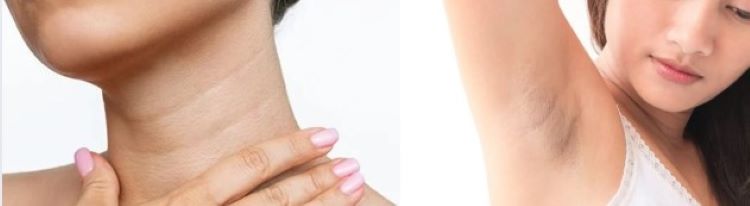
Are you looking for the best cream for treating dark neck and underarms? The answer is there isn’t any! You could attribute the darkness on your neck to several causes. Hyperpigmentation occurs when certain areas of the skin become darker in colour. If the doctor discovers that hormones are not the cause of the skin colour changes, excessive sun exposure and poor hygiene could be potential factors.  Hyperpigmentation, the velvety patches on the folds and creases of the skin like neck, armpits, groin, etc. is called Acanthosis Nigricans (AN).    What could be the possible reasons for Acanthosis Nigricans ?   Diabetes Acanthosis Nigricans commonly signifies that your body is generating an excess of insulin that it cannot utilize efficiently. Increasing amounts of insulin can lead to a dark patch on the skin. This is called insulin resistance.   PCOS Women with PCOS frequently develop dark spots in areas of the body where there is rubbing or friction, such as the neck, underarms, and inner thighs.   Obesity (most common) Acanthosis Nigricans is associated with obesity and affects the skin. Over half of adults who are double their ideal body weight suffer from this condition.   Hypothyroidism Hypothyroidism can alter the condition of your skin, hair, and nails. It may also result in skin issues like vitiligo, melasma, alopecia areata, and xanthelasma palpebrarum. Additionally, these conditions can lead to further complications, and consequently, individuals may experience a range of symptoms.   Prolonged use of birth control pills Prolonged use of contraceptive pills can result in the formation of hyperpigmentation in areas like the armpits and skin folds.    Continuous use of steroids like Prednisolone, etc. The individual experienced the development of thickened, darkened skin in the groin, armpits, and neck following eight years of steroid treatment for dermatomyositis.   No creams or peels can cure Acanthosis Nigricans  completely. They can only lighten it a little temporarily; however, they can never cure it! Therefore, despite their efforts, the underlying issue remains unresolved.  Only internal treatment can cure Acanthosis Nigricans.   What to do when you notice you have Acanthosis Nigricans ?   First, do a complete bloodwork/hormonal picture; then, consult an Ayurvedic doctor; and finally, find and treat the root cause.  If you have PCOS or diabetes, treat it. And if you are obese, lose weight.   If any doctor tells you he/she can cure Acanthosis Nigricans completely with skin treatments, and you believe it, then be ready to lose all your money.   If you’re looking for the best cream for treating dark neck and underarms, you’ll be disappointed. The condition is Acanthosis Nigricans, which might be related to some underlying health issues that you already have. If you notice AN, consider consulting a doctor and comprehend the root cause because every problem has its own set of solutions.    Doctor Rekha is a 4th generation Ayurvedic Medicine Doctor (BAMS) and also one of the best ayurvedic doctor in trivandrum city, living in between Dubai and India who has patients from around the globe who believes that the wisdom of Ayurveda can help everyone lead a happy, heathy and disease-free life.   If you are struggling with any health issues, you can either book a consultation with us or send us a message via WhatsApp to +91 79074 89839. We have the best Ayurvedic doctors in Trivandrum who are always glad to help you. If you have any queries, contact us.  You can also visit us at our hospital.
Glow and Complexion – 8 Best Ayurvedic Herbs

We all desire flawless, radiant skin.  There are various skincare products and treatments that offer the same. But nothing beats the power of Ayurvedic herbs for improving the glow and complexion of your skin!   Ayurveda offers a treasure trove of herbs that have been used for centuries to enhance the skin’s glow and complexion. In this blog, I’ll introduce you to the top 8 Ayurvedic herbs that can help you achieve the radiant skin you’ve always dreamed of.   Glow and Complexion Herbs       Sandalwood (Chandana)   Part used: heartwood   Sandalwood has a calming and cooling effect on our bodies and mind. It is rich in antioxidants that help retain the moisture of the skin and reduce skin dryness. It also helps remove wrinkles, acne, tan and scars on the skin.     Alexandrian Laurel (Punnaga)     Parts used: stem, bark, seeds   Alexandrian Laurel, also known as Punnaga, rejuvenates the skin. It also fights skin conditions, such as acne, psoriasis, eczema, dermatitis, etc. Leaves of Punnaga are also used to treat chicken pox, scabies, skin inflammation, etc.     Indian Madder (Manjishta)     Part used: Root   Manjishta can be used both externally and internally to improve the complexion of your skin. Apart from that, it is a rich source of antioxidants and hence, helps manage common skin conditions, like acne and pimple. Also, Alizarin – a compound present in Manjishta has anti-bacterial properties and helps soothe skin allergies, rashes, etc.     Crested fever nut (Lata karanja)     Parts used: Leaf, bark, seeds   Lata karanja is a powerful Ayurvedic herb, with many uses. In terms of skincare, it is great for treating skin diseases, like scabies, eczema, psoriasis and leprosy. The astringent properties of the herb also help relieve inflammation, contagious skin diseases, etc.     Asoka (Sita)     Part used: Bark   The antioxidant properties of Asoka help manage skin conditions and also lighten your complexion by removing toxins. Therefore, it is one of the majorly used ingredients in cosmetic products to improve complexion. It also helps rejuvenate the skin and soothes skin inflammation.   Vetiver (Ushira)   Part used: Roots   Vetiver is great for dull and inflamed skin. It helps nourish and hydrate the skin and also maintains the pH balance of the skin. Vetiver also helps to even out your skin tone and tighten your skin pores. It also has anti-ageing properties that help delay the signs of ageing.     Licorice (Mulethi)     Parts used: Root, underground stem   Licorice is my favourite among all Ayurvedic herbs for skincare! It helps improve the complexion of your skin by reducing damage to the skin caused by the sun. It also lightens scars and reduces wrinkles. The anti-inflammatory properties of licorice help soothe skin conditions.       Indian Sarsaparilla (Sariva)     Part used: Root   Indian Sarsaparilla is a Pitta pacifying herb and is, therefore, widely used to promote healthy skin. It helps to maintain an even skin tone and improves the texture of the skin. The natural cleansing properties of the herb add to the glow of your skin. It is also used to soothe skin conditions, such as psoriasis.   Most Ayurvedic formulations for enhancing the complexion and glow of the skin contain one or many of the above-mentioned herb. You can try a few of these in powdered form in your face packs!   If you are struggling with any health issues, you can either book a consultation with us or send us a message via WhatsApp to +91 79074 89839. We have the best Ayurvedic doctors in Trivandrum who are always glad to help you. If you have any queries, contact us.  You can also visit us at our hospital.                                                                                                                                                                                                                                                                                                                                                                                                                                                                                                                                                                                                                                                                                                                                                                  … Continue reading Glow and Complexion – 8 Best Ayurvedic Herbs
Skin Diseases – The 7 Reasons

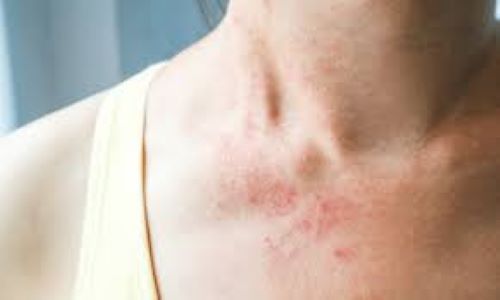
Kushta( Skin Diseases) Skin diseases are called ‘Kushta’ in Sanskrit. Charaka mentions the main causes of Kushta in Caraka Samhita Nidona Sthana.     Reason for Skin Diseases     #1 Eating hot & cold foods together in 1 meal. #2 Overuse of honey, fish, radish, etc. when you have low digestion. #3 Eating incompatible foods. #4 Exerting excessively physically, more than your strength. #5 Exposure to extreme heat. #6 Taking cold showers after exertion. #7 Excessive intake of heating foods. These are some lesser known reasons why skin diseases happen in the first place. Doctor Rekha is a 4th generation Ayurvedic Medicine Doctor (BAMS) living in between Dubai and India who has patients from around the globe who believes that the wisdom of Ayurveda can help everyone lead a happy, heathy and disease-free life. If you are suffering from any of these, you can take our skin and hair care program. You can also join our other Health Programs for mind and body detox. If you are struggling with any health issues, you can either book a consultation with us or send us a message via WhatsApp to +91 79074 89839. We have the best Ayurvedic doctors in Trivandrum who are always glad to help you. If you have any queries, contact us.  You can also visit us at our hospital.  You can also follow me on Instagram.