
Why You Get Acidity, Gas and Bloating After Meals?

What Is Really Going On?   If you feel burning, gas, heaviness or bloating after most meals, it is not “just your usual stomach problem.” Ayurveda says this means your digestion is disturbed and your food is not processing properly.   In simple words, three things are happening inside:   Your digestive “fire” (Agni) is weak or irregular. Your inner heat (Pitta) may be too high – causing burning and acidity. Your air element (Vata) may be disturbed – causing gas and bloating.   When this continues for weeks or months, half-digested food turns into sticky waste called Ama. This Ama creates more gas, heaviness and discomfort after almost every meal.   Agni is like the flame in your stomach. When it is balanced, you feel hungry at the right time, your food digests well, and you feel light and comfortable after a meal. Similarly, when Agni is weak, food stays longer in the stomach and intestines, making you feel full, dull and sleepy even after a small meal.   When it is too strong, you may feel sharp hunger but also burning, acidity and loose stools. When it is irregular, your appetite and digestion keep changing sometimes very hungry, sometimes no hunger at all, sometimes constipated, sometimes loose motions.   All these patterns can lead to discomfort after meals if not corrected.   When food does not digest properly because of disturbed Agni, it turns into something that Ayurveda calls Ama. You can imagine Ama as half-cooked, sticky, stale food sitting in your gut. It is heavy, blocks the natural flow in the intestines and starts to ferment.   This shows up as constant bloating, excessive gas, bad breath, a coated tongue and that feeling of being full and tired even after a small quantity of food. Over time, if Ama keeps building up, it can spread further and contribute to problems like joint pains, low energy and skin issues. That is why just neutralizing acid is not enough, the real work is to improve Agni and clear Ama.   Role of Pitta – Heat and Acidity   Pitta is the fire and heat energy in the body. In the stomach and chest area, high Pitta shows up as burning, sour burps, acid taste in the mouth, nausea and discomfort in the upper abdomen or chest. Everyday habits easily push Pitta up, such as eating very spicy, oily and fried food, taking a lot of pickles, vinegar and sour items, drinking too much tea, coffee, cola or alcohol, and smoking. Skipping meals, having long gaps and then overeating also irritate Pitta.   Emotionally, anger, frustration, working under pressure and eating while tense or upset add more “heat” to the digestive system. If this continues for weeks and months, it can lead to repeated acidity, heartburn and conditions like gastritis and reflux.     Role of Vata – Gas and Bloating   Vata is the principle of movement and air in the body. In the digestive system, excess or disturbed Vata shows up as gas, bloating, gurgling sounds, shifting cramps and irregular bowel habits. Common triggers are eating in a hurry, talking while eating, swallowing a lot of air, taking very cold, dry or raw foods, or living on biscuits, chips and other dry snacks.   Fizzy drinks and chilled water add more air and cold to the system. Irregular meal timings, frequent travel, late nights and worry or anxiety disturb Vata even more. Even if acidity and burning seem to be the main issue, Vata usually adds extra gas and bloating on top of it, which makes you feel stretched and uncomfortable after meals.     Everyday Causes That Make It Worse   Most people with repeat acidity and gas have a few habits in common. When you correct these, you often feel better even before taking any herbs.   Common food-related causes: Eating at odd times every day. Eating again before the last meal is digested. Heavy, late-night dinners. Very spicy, oily, fried and junk food. Too much tea, coffee, cola or alcohol. Mixing foods that don’t go well together (like milk with sour fruits, or fruits with heavy meals). Lifestyle and mind-related causes: Eating while working, scrolling, or in front of a screen. Eating too fast, not chewing properly. Lying down soon after meals. High stress, anger or worry, especially around mealtimes. Not sleeping on time and lack of any movement or exercise.   Simple Food Rules To Keep in Mind   You don’t need a very complicated diet to start healing. A few clear, simple rules help a lot.   Eat at regular times   Try to eat your main meals at similar times each day. Your body likes rhythm. When you eat at random times, your digestive fire becomes confused and weak.   Wait for real hunger   Eat when you feel light hunger, not just boredom or habit. If the last meal is still sitting heavy, give it time to digest. For most people, a gap of about 4 hours between main meals works well.   Eat warm, fresh, cooked food   Warm, freshly cooked meals are easier to digest than cold or stale food. Prefer:   Light khichdi, dal-rice, simple vegetable sabzis. Chapatis with ghee and cooked vegetables. Soups, stews and lightly spiced one-pot meals.   Avoid having large bowls of raw salad, cold smoothies or fridge-cold leftovers when digestion is weak.   Go easy on spice, sour and oil   If you get burning and acid: Cut down on heavy chilli, pickles, vinegar, tomato-heavy gravies and fried food. Reduce deep-fried snacks, pakodas, chips, samosas, puris and heavy biryanis. Keep mustard oil, very spicy chutneys and heavy masalas to a minimum.   Avoid wrong food combinations   Some common combinations can disturb digestion: Milk with sour fruits like orange, pineapple or berries. Milk or curd with salty, fish or meat dishes. Fruits eaten together with a full cooked meal.   It is better to have fruits alone, with some gap before or… Continue reading Why You Get Acidity, Gas and Bloating After Meals?

5 Everyday Kitchen Ingredients That Quietly Build Your Health

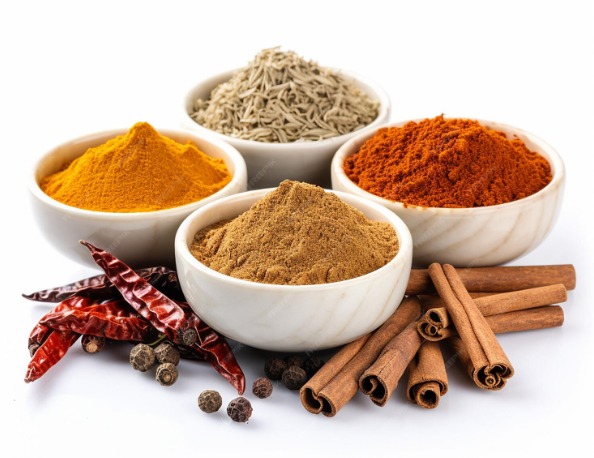
Most people think spices are used simply to make food taste good. However, they have a much bigger role. Spices help the body digest food properly, absorb nutrients and prevent accumulation of toxins.   The first and foremost factor for good health is a nutritious and balanced diet. Ayurveda also aims to preserve health through Ahara, it emphasizes not only on the quality of the food, but also in its cooking, processing and digestion.   One of the important aspects of adding spices to food is not just to enhance flavor but also to aid digestion as they are rich in nutrients, have medicinal and antioxidant properties.   In Ayurveda, digestive health is governed by Agni, your internal fire that transforms food into energy, strength and healthy tissues. When Agni is strong, the body is able to properly nourish itself and eliminate waste efficiently. When Agni becomes weak or disturbed, partially digested food can accumulate in the body, creating Ama(toxin) which may lead to heaviness, fatigue, poor immunity, and imbalance over time.   Spices are used to gently stimulate Agni. They reduce Kleda, which builds up in places like Majja Dhatu (nerves). When used correctly, spices also help maintain balance among the three functional energies of the body, known as Doshas.   You don’t need complicated spice blends to gain these benefits. Simple, everyday spices such as cumin, coriander, fennel, turmeric, and fenugreek can quietly support digestion and overall wellbeing when used consistently and in the right way.     Cumin (Jeeraka)     Cumin is one of the most important digestive spices in Ayurveda. It strengthens Agni without creating excessive heat. This makes it suitable for regular use in everyday cooking. Cumin helps the stomach break down food more efficiently and reduces common digestive problems such as gas, bloating, and heaviness.   It also helps in elimination of excess fluids from the body and can be helpful for mild burning during urination when used along with coriander.   Cumin is warming in nature, but not overly stimulating, so even people with mild heat sensitivity can usually tolerate it in small amounts. Traditionally, cumin is also used to support cleansing after childbirth and to prevent stagnation from building up in deeper tissues over time. Lightly roasting cumin makes it easier to digest and enhances its aroma and effectiveness.     Coriander (Dhania)       Coriander has a naturally cooling and soothing effect on the body, which helps calm excess Pitta. It is gentle on the stomach and helps improve appetite and digestion without irritation. Coriander also supports healthy urinary function.   Because coriander is mildly sweet and soothing in nature, it helps balance stronger or warming spices. This is why it is often paired with cumin in traditional cooking. Coriander is considered suitable for all body types when used appropriately and does not tend to create heaviness.   In cooking, coriander powder also helps soften sharp flavors such as while naturally thickening sauces and gravies.     Fennel (Saunf)     Fennel is a sweet, aromatic spice well known for its gentle digestive benefits. It helps relax the digestive tract, reduce bloating, and relieve discomfort after meals. Fennel supports smooth movement of food through the intestines and helps calm digestive sensitivity, especially when Vata is aggravated.   Because fennel is mild and easy to digest, it is commonly used as a mouth freshener and digestive after meals. Lightly dry roasting fennel enhances its flavor and effectiveness. Smaller fennel seeds are usually more potent and less fibrous, making them easier to chew and digest.   Fennel is safe for daily use and works well for people of all ages.     Turmeric (Haridra)     Turmeric is known in Ayurveda for supporting Rakta dhatu, skin clarity, and tissue healing. It is mildly warming and helps prevent the buildup of heaviness and stagnation in the body. Used regularly in small amounts, turmeric supports natural cleansing and is anti-inflammatory.   Turmeric also has strong traditional use for wound care and throat health. Applying turmeric to minor cuts can help stop bleeding and support healing. Gargling warm water with salt and turmeric can help soothe throat irritation.   Dry turmeric is generally preferred over fresh turmeric because it has a stronger cleansing effect. Although turmeric is very beneficial, more is not better. Excessive use may dry or irritate the system. Small, consistent amounts are ideal.     Fenugreek (Methi)     Fenugreek is a stronger, more heating spice than cumin or fennel and is especially helpful when digestion feels slow. It stimulates Agni and helps clear thick buildup in the body, which can be useful for people with more Kapha or cold digestion.   Because fenugreek is quite warming and drying, it should be used in small amounts. Too much can increase heat in the body and may aggravate Pitta. People who experience frequent acid reflux or burning sensations should use fenugreek cautiously or avoid it.   Fenugreek has traditionally been used to support healthy blood sugar balance and milk production in nursing mothers. Soaking fenugreek seeds in water overnight and drinking the water in the morning is a traditional practice for metabolic support.     How You Use Spices Also Matters     The way spices are prepared is just as important as which spices you choose. In Ayurveda, it is suggested warm the spices in ghee before adding them to the food. Ghee acts as a Yogavahi, meaning it carries the properties of the spices deeper into the body and helps distribute their effects throughout the tissues.   This method not only improves flavor and aroma but also makes the spices easier to digest and more effective. Simply sprinkling spices onto food does not create the same digestive benefit.   Learning how food actually behaves inside the body changes the way we relate to eating. The way we cook, the way we combine ingredients, and the way we support digestion quietly shape how the body functions over time. We begin… Continue reading 5 Everyday Kitchen Ingredients That Quietly Build Your Health