
Oil Pulling and Everyday Ayurvedic Self-Care for Better Health

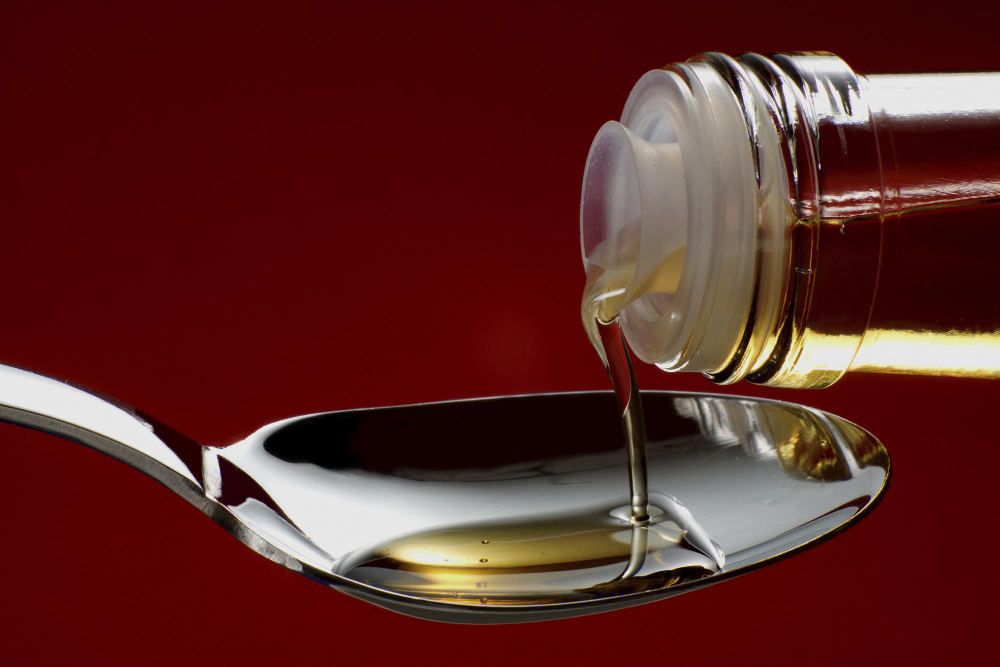
Ayurveda looks at daily self-care, diet and even subtle body signals as powerful ways to protect long term health. In a recent teaching session, an Ayurvedic doctor answered many practical questions on oil pulling, seasonal routines, doshas and simple home practices. When we view these answers together, a clear picture emerges of how nuanced and personalized Ayurveda truly is.   Oil Pulling: More Than Just Swishing Oil   From an Ayurvedic lens, the primary power of oil pulling lies in the technique rather than the substance alone. Holding and gently swishing oil in the mouth stimulates the oral tissues, enhances salivary flow and improves circulation to the gums, teeth, tongue and jaw.   The oil enters the fine channels in the mouth, loosens accumulated waste, sticky Kapha and microbial deposits and carries them out when it is finally spat out. Over time, this supports oral comfort, reduces local inflammation and indirectly helps the first stage of digestion, which is closely linked with overall Agni and immunity.   Typically, about one tablespoon of oil is enough for each practice, just sufficient to hold and move around the mouth comfortably without strain. The oil should be swished gently rather than with force.   Lukewarm boiled and cooled water is preferred if water is used for a similar practice, as it is kinder to the oral tissues and aligns with Ayurvedic principles of using warm water for cleansing.   Choosing the Right Medium for Oil Pulling   While the method drives most of the benefit, the liquid you choose adds its own therapeutic flavour.   Oil is nourishing and is traditionally used to strengthen gums, teeth, jaw and even the nerves connected to the oral region. Milk is cooling and soothing, particularly helpful in inflammatory oral conditions with burning, ulcers or injuries. Water is mainly cleansing and mildly stimulating but does not nourish in the same way as oils.   Black sesame oil stands out as the most widely recommended choice for routine oil pulling and is considered generally suitable for many constitutions when digestion is sound.   Other substances such as ghee, milk or honey are not blanket alternatives but are used only when clearly indicated, for example in certain inflammatory or burning oral conditions and always based on digestive strength. Castor oil is not considered a suitable medium for daily or routine oil pulling.   Importantly, oil pulling should be avoided when there is indigestion or Ama. Oil is heavy and unctuous, and when Agni is weak it can increase Kapha and Ama, worsening heaviness, coating on the tongue, nausea or sluggish digestion. Ideally, the tongue should be clean and digestion stable before making this practice a part of daily life.   Eye Health and Oil Pulling   There is also a traditional link between oral care and eye health. In Ayurveda, the mouth, eyes and brain are connected through subtle channels and nerves, so a well maintained oral cavity can indirectly support the eyes.   However, in acute eye diseases characterised by redness, discharge, infection or active inflammation, oil pulling can aggravate Kapha and congestion and is therefore avoided.   In contrast, in refractive issues such as poor eyesight, eye strain and regular use of glasses, oil pulling is generally considered safe and even beneficial as a supportive measure. It is not a cure for eye disease, but another way to maintain systemic balance that in turn nourishes the sense organs.   Special Situations: Allergies, Mouth Sores and Steroid Use   Oil selection becomes very individual in those with allergies or complex medical conditions. If someone is allergic to sesame, the practitioner will usually choose other gentle medicated oils or liquids based on constitution, digestive strength and oral status. Castor oil again is not a routine first choice.   For individuals with mouth sores, loss of taste buds or those currently on medications and steroids for serious illnesses such as cancer, the focus shifts to cooling and soothing substances.   Ghee is often recommended when digestion is adequate because of its lubricating and calming effect, and in some cases milk or coconut oil may also be used if there is burning or ulceration.   Strong or heating oils, including sesame, are usually avoided in these active inflammatory states and any practice is kept very gentle and based on the person’s tolerance.   In lactose intolerance or poor digestion, warm milk as a medium for pooling may itself aggravate symptoms and is therefore best avoided.   A2 ghee is usually preferred over generic ghee when used in indicated conditions, since it is considered easier to digest and better tolerated, although even ghee for oil pulling is not a routine recommendation but reserved for specific inflammatory or burning oral issues and only when Agni is reasonably strong.   Abhyanga, Hair Oils and Skin Care Choices   Ayurveda places great emphasis on appropriate oil selection for external therapies like abhyanga and head massage. Black sesame oil is classically praised as the most suitable base for daily body oiling because it is nourishing, penetrating and usually tolerable for many people when used correctly.   When black sesame is not available, cold pressed, unrefined white sesame oil is an acceptable substitute, though it may not offer the same depth of action. Nigella seed oil, however, is not recognised as a direct alternative to sesame oil in this context.   Other oils are never prescribed in a one size fits all manner. Any alternative must be chosen after considering the person’s dosha imbalance, skin type, local climate and specific complaints. Coconut oil, for instance, can be helpful where there is pronounced Pitta aggravation with heat and burning, while warmer oils may be preferred in strong Vata conditions. In Kapha dominant states, oils tend to be used more sparingly and selected very thoughtfully.   Castor oil, though valued in other therapeutic uses, is very heavy, sticky and strong and is not preferred for routine abhyanga. Mustard oil is hot and sharp and is generally avoided for… Continue reading Oil Pulling and Everyday Ayurvedic Self-Care for Better Health
Viruddha Ahara in Ayurveda: Incompatible Foods and Their Effects

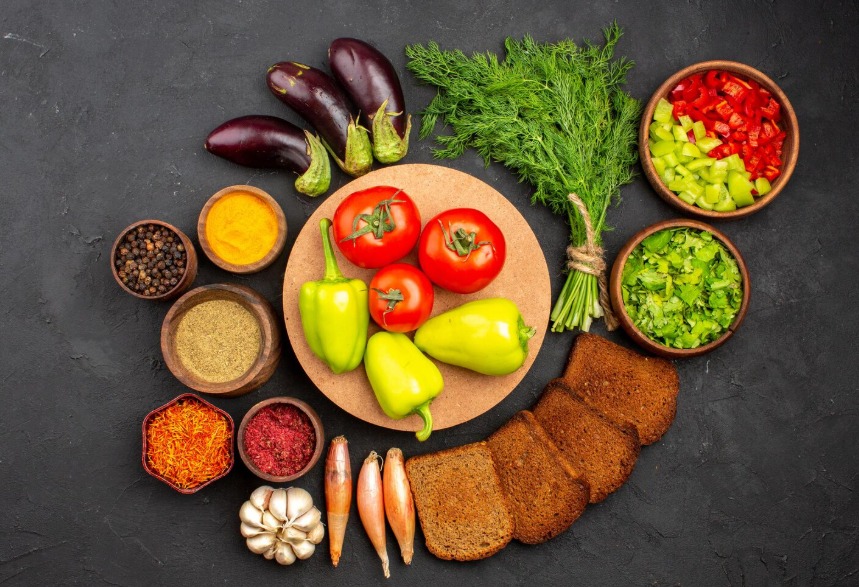
In Ayurveda, food is considered the foundation of health. It is not only meant to satisfy hunger but also to nourish the body, mind, and tissues. When food is chosen and consumed correctly, it supports digestion, strengthens immunity, and maintains balance in the body.   However, when food is taken in an improper manner, it can disturb digestion and gradually lead to disease. One such important concept explained is Viruddha Ahara in Ayurveda, which means incompatible or contradictory food.   The word “Viruddha” means opposite. Viruddha Ahara refers to food or food combinations that are opposite in nature to the body and its digestive process. Such food interrupts metabolism, weakens digestion, and prevents proper formation of body tissues.   Even foods that are healthy on their own can become harmful when consumed in the wrong combination, wrong quantity or wrong time. Regular consumption of such incompatible food is considered a major cause of metabolic and systemic disorders in Ayurveda.   Viruddha Ahara does not usually cause immediate illness. Instead, it works slowly by disturbing Agni and creating Ama, which is toxic, undigested material in the body.   Over time, this Ama blocks channels, vitiates the Doshas (Vata, Pitta, and Kapha), and weakens the tissues. This gradual imbalance eventually manifests as digestive problems, skin disorders, hormonal imbalance, mental disturbances, and chronic diseases.     Types of Viruddha Explained Simply     Desha Viruddha (Place / Environment Incompatibility)   Food should match the place you live in. Dry, spicy, alcoholic foods in hot, dry regions aggravate Vata and Pitta while cold, oily foods in marshy or humid places increase Kapha. Eating against the nature of your environment disturbs balance.     Kala Viruddha (Time & Season Incompatibility)   Each season has its own demands. Cold, dry foods in winter and extremely spicy and hot foods in summer, such choices strain digestion and doshas.     Agni Viruddha (Digestive Power Incompatibility)   Agni means digestive fire. Heavy food when digestion is weak and light food when digestion is strong both cause imbalance. Food must match your digestive capacity.     Matra Viruddha (Quantity Incompatibility)   Quantity matters as much as quality. Too much food Too little food Certain foods in equal quantities (like honey and ghee) Even healthy foods can become harmful in wrong proportions.     Satmya Viruddha (Habit Incompatibility)   Your body adapts to habits over time. If someone accustomed to spicy, hot food suddenly eats excessive cold and sweet food, digestion suffers.     Dosha Viruddha (Dosha-Specific Incompatibility)   Eating foods that increase the sameDosha already dominant in your body can cause imbalance. Example: Heavy, oily food for Kapha-dominant people Dry, cold food for Vata-dominant people   Samskara Viruddha (Processing Incompatibility)   It is incompatibility caused by improper processing or preparation of food. Certain methods of cooking or processing can convert food into a toxic substance. Examples include heating honey or preparing food using unsuitable materials or methods.     Virya Viruddha (Potency Incompatibility)   It occurs when substances with opposite potencies are consumed together. Combining hot-potency and cold-potency foods confuses digestion and creates imbalance in the body.     Koshtha Viruddha (Bowel Nature Incompatibility)   Koshtha Viruddha is related to bowel nature. Some people have hard bowels, while others have soft bowels. Food and medicines should be chosen accordingly. Ignoring bowel nature can lead to digestive disturbances.     Avastha Viruddha (Condition Incompatibility)   It refers to incompatibility related to the physical or mental state of the person. Consuming Vata-aggravating food after exhaustion or heavy exercise, or Kapha-aggravating food during lethargy and sleepiness, worsens Dosha imbalance.     Krama Viruddha (Order Incompatibility)   Occurs when the proper sequence of eating is not followed. Eating without hunger, eating before bowel and bladder are cleared, or eating when hunger is excessive disturbs digestion.     Parihara Viruddha and Upachara Viruddha (Treatment Incompatibility)   These are related to ignoring dietary restrictions during illness or treatment. Consuming foods that are prohibited for a particular disease or during treatment can interfere with recovery.     Paka Viruddha (Cooking Incompatibility)   It refers to incompatibility due to improper cooking. Food that is burnt, undercooked, overcooked, stale, or reheated becomes difficult to digest and harmful to health.     Samyoga Viruddha (Combination Incompatibility)   It is incompatibility due to wrong combinations. Certain combinations, such as sour substances with milk, produce harmful effects even though the individual items may be healthy.     Hridaya Viruddha (Mental Incompatibility)   Hridaya Viruddha is incompatibility related to the mind. Eating food that is unpleasant or disliked affects digestion because the mind and digestive system are closely connected.     Sampat Viruddha (Quality Incompatibility)   It refers to food that lacks proper quality, such as unripe, overripe, or impure substances.     Vidhi Viruddha (Eating Rules Violated)   Vidhi Viruddha occurs when the rules of eating are violated, such as eating without discipline, in an improper environment, or without mindfulness.     Effects of Consuming Viruddha Ahara   Digestive disorders (bloating, acidity, IBS) Skin diseases (eczema, vitiligo, herpes-like eruptions) Anemia and liver disorders Hormonal and reproductive problems Mental disturbances like anxiety and insanity Toxic buildup (Ama) Chronic inflammation Reduced immunity Even fatal outcomes in extreme cases   The concept of Viruddha Ahara highlights one of the most practical and insightful teachings of Ayurveda, that food is not universally beneficial just because it is nutritious.   The same food can act as medicine for one person and as poison for another, depending on how it is combined, prepared, consumed, and digested. Ayurveda reminds us that digestion is at the centre of health, and anything that disturbs it repeatedly will eventually disturb the entire system of the body.   Modern lifestyles unknowingly promote Viruddha Ahara. Irregular eating habits, fast food combinations, excessive use of refrigerated and reheated food, eating under stress, and ignoring seasonal needs all contribute to digestive imbalance.   Many people suffer from acidity, bloating, skin issues, allergies, fatigue, and hormonal problems without realizing that the root cause may lie… Continue reading Viruddha Ahara in Ayurveda: Incompatible Foods and Their Effects