Inflammatory Foods You Should Avoid for Better Health

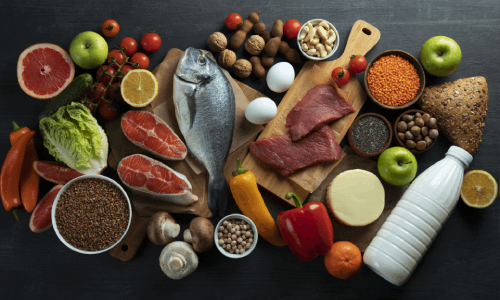
Inflammation is a symptom that is generally associated with a variety of health conditions. While the best way to reduce inflammation is to get the root cause treated, it is equally important to keep away from factors that induce inflammation. One of those factors is inflammatory foods.   Three Inflammatory foods you must avoid     Let us dig deeper into  the three inflammatory foods that Ayurveda suggests you should avoid to reduce further complications.    Curd Despite being a common ingredient, Ayurveda rules out curd for its heating nature.   Curd is a Pitta-increasing food resulting in clogging of channels (Srotas) and increased Ama (toxins).  The heaviness and stickiness of curd make it difficult to digest, especially for Kapha-dominant people causing joint stiffness and bloating.   Black gram   Black gram is also a heavy heating food which can aggravate Kapha and Pitta Dosha, and is not recommended for everyday consumption. Consuming black gram can lead to inflammation in a person with a tendency toward swelling, joint problems and slow digestion.   Eggplant   Eggplant can cause channel blockages due to its unwholesome and inflammatory properties, so it is not recommended for regular use. It is heating and creates an imbalance of Doshas; especially in those with a Pitta constitution. As a result, it aggravates joint issues, potentially increasing discomfort for individuals with arthritis or inflammation-related conditions. An individual who exercises daily and has good Agni (digestive fire) can moderately consume eggpant. However, if you have health conditions, Dosha imbalance, improper lifestyle or impaired digestion, it is better to avoid it.   Inflammation — The Ayurvedic Perspective   Ayurveda believes that the balance of Doshas—Vata, Pitta, and Kapha—is essential for health.  The imbalance of any of these Doshas can contribute to inflammation on one or more parts of your body.    In Ayurveda, inflammation or swelling is referred to as “Shotha” or “Shopha.”   The condition is classified into different types, mainly based on their causes as per Charaka Samhita.   त्रयः शोथा भवन्ति वातपित्तश्लेष्मनिमित्ताः, ते पुनर्द्विविधा निजागन्तुभेदेन   There are three kinds of swelling: Vataja – caused by the imbalance of Vata Dosha Pittaja – caused by the imbalance of Pitta Dosha Kaphaja – caused by the imbalance of Kapha Dosha   These can be further categorised into: Nija – caused by internal factors, such as vitiation of Doshas Agantuja – caused by external factors, such as wounds and fractures   More Inflammatory Foods To Watch Out For   The list of inflammatory foods do not end with the above three. There are more foods that you can avoid for better health.   Refined sugar Ayurveda classifies refines sugar as a Tamasic food, which is devoid of good positive life energy, leading to Ama (toxins) accumulation.  This drains our energy and clogs the channels in our body.   Processed foods and fast foods These foods are heavy to digest, thus leading to the accumulation of Ama in the body and Dosha imbalances. Also, they do nothing to support Agni (digestive fire) and promote inflammation.   Alcohol and caffeine Alcohol increases Pitta, causing warmth, redness and swelling, and can put stress on the liver. Caffeine is a stimulant that can irritate both the digestive and nervous systems, leading to dehydration and worsening inflammation.   Inflammation is not a disease, but a symptom. If you have a health condition with inflmmation in the body,  consult a qualified Ayurvedic doctor and get the root cause treated. And yes, stay away from anything that can worsen your condition, that including the inflammatory foods listed above.    If you are struggling with any health issues, you can book a consultation with us or send us a message via WhatsApp at +91 79074 89839. We have the best Ayurvedic doctors in Trivandrum who is always glad to helps you . If you have any queries, contact us. You can also  visit.

Uterine Fibroids Treatment : How Ayurveda Offers Natural Relief

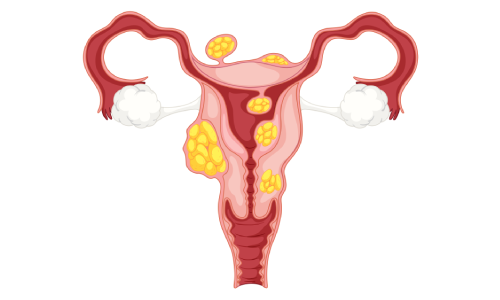
Uterine fibroids are non-cancerous growths in the uterus common in women in their reproductive ages. Modern medicine suggests strong medications and surgery as its  treatment. Unfortunately, most people resort to these methods without looking for other options.      While they can occur at any age, they are most prevalent among women in their 40s and early 50s. Studies show that about 20% to 80% of women will develop uterine fibroids by the time they reach the age of 50.        Do you know that Ayurveda can treat uterine fibroids and reduce them in size without strong medications and surgery?    What are uterine fibroids?    Uterine fibroids are benign tumours that develop within the uterine muscle. These growths can vary in size, number, and location within the uterus.     Symptoms of uterine fibroids    The following symptoms suggest that you may have uterine fibroids:   Heavy flow during periods   Longer periods lasting more than 10 days   Pain around the pelvis   Frequent urination & difficulty in emptying, etc.     However, they can be asymptomatic too, and you may detect it only with an ultrasound.    Ayurveda and uterine fibroids    Ayurvedically, we treat this based on the Dosha-Dhatu imbalance of individual patients, with Ayurvedic medicines, diet and routines. They can be completely reduced in size with Ayurveda.      Ayurvedic practitioners prescribe herbal formulations that aim to restore balance to the Doshas and promote the body’s natural healing processes. These herbal remedies can help reduce the size of fibroids and alleviate associated symptoms.    Ayurvedic dietary recommendations are personalized to address the specific Dosha imbalance. A balanced diet with an emphasis on whole foods, fruits, vegetables, and herbs is encouraged to support overall well-being.    Indeed, Ayurveda places great importance on daily routines (Dinacharya) and, furthermore, seasonal routines (Ritucharya).  Adhering to these routines can help maintain a harmonious balance within the body and mind, promoting healing.    But unfortunately, people consider Ayurveda the “last resort” or the “last option” when other medical systems fail.  Most patients come to Ayurveda for treatment for uterine fibroids only after they have grown quite big in size – when modern medicine has advised surgery as the only option. At this point, it becomes difficult even for a good Ayurvedic doctor to treat.      So, seek Ayurvedic support as soon as you are diagnosed with fibroids. Don’t wait for the fibroids to get bigger, even if it stays asymptomatic!  You can join our   Health Programs for mind and body detox.   If you are struggling with any health issues, you can either book a consultation with us or send us a message via WhatsApp to +91 79074 89839. We have the best Ayurvedic doctors in Trivandrum who are always glad to help you. If you have any queries, contact us.  You can also visit us at our hospital.

Is horse gram good for Pitta bodies?

Horse gram is a popular legume that is often consumed in South India. It is rich in fibre and protein and is great for people looking to lose their weight. However, horse gram is not ideal for all, especially if you are a Pitta body. Pitta Dosha is one of the three Doshas (biophysical energies). This Dosha is responsible for digestion and all metabolic activities as well as maintaining body heat. However, when Pitta aggravates, it can lead to problems like acidity, inflammation and skin issues.  So, if you have a Pitta predominant body type, having horse gram can do more harm that good.    Nature of Horse Gram    Horse gram is considered hot and dry, and it has a spicy taste. These qualities can make Pitta Dosha even more imbalanced because Pitta is already hot. Eating spicy and hot foods can make your body even hotter and cause issues like heartburn and inflammation.  Also, horse gram can be hard to digest. People with a lot of Pitta already have strong digestion, and eating tough-to-digest foods can strain the digestive system and lead to problems. This can create toxins (Ama) in the body, making Pitta Dosha even worse.  Furthermore, horse gram is drying, and Pitta individuals tend to have dry skin and hair. Eating drying foods can make these issues worse and lead to dryness in the digestive system, causing constipation and other stomach problems.  According to Ayurveda, it is best to eat foods that help balance your Doshas. So, if you have a lot of Pitta, it is better to eat foods that cool your body down and keep it hydrated. Some examples of these cooling foods are cucumber, coconut, melons and leafy greens.  Horse gram is not the best choice for people with a lot of Pitta in their bodies because it is hot, hard to digest, and drying. If you are a Pitta person, it is better to focus on eating foods that cool you down and keep you hydrated to balance your Dosha and stay healthy.    If you are struggling with any health issues, you can either book a consultation with us or send us a message via WhatsApp to +91 79074 89839. We have the best Ayurvedic doctors in Trivandrum who are always glad to help you. If you have any queries, contact us.  You can also visit us at our hospital.

Vata Dosha – 5 Signs which shows your body needs help

Vata Dosha comprises elements of air and space and is responsible for movement, communication and creativity. When it is in balance, it promotes mental clarity, agility and vitality. However, when it becomes excessive or imbalanced, it can cause a range of physical and mental symptoms.  Here are five signs that your Vata is high and your body needs help according to Ayurveda.     Dry skin and hair  Vata Dosha governs the moisture balance in the body. When it is high, it can cause dryness in the skin, lips and hair. You may notice flakiness, roughness and itching in your skin, as well as split ends and brittle hair. To balance Vata, Ayurveda suggests using warm oils, such as sesame or coconut oil, to moisturize the skin and hair. Avoid using harsh soaps and shampoos, as they can strip away natural oils and aggravate Vata Dosha.     Irregular digestion  Vata Dosha is responsible for the movement of food through the digestive tract. When it is high, it can lead to irregular bowel movements, bloating, gas and constipation. You may also experience abdominal pain and discomfort after eating. For balancing, Ayurveda recommends eating warm, cooked foods that are easy to digest, such as soups, stews and cooked vegetables. Avoid cold, raw and processed foods, as they can aggravate you Vata.     Anxiety and nervousness  Vata Dosha is associated with the nervous system and the mind. When it is high, it can lead to anxiety, nervousness and racing thoughts. You may feel overwhelmed, scattered and unable to focus. To balance Vata, Ayurveda recommends practicing grounding and calming activities, such as walking in nature, taking warm baths and using aromatherapy oils, such as lavender or sandalwood.     Cold intolerance  If you have low tolerance to cold, that may be the result of high Vata. For balancing it protect yourself from cold, reduce long showers. You have to avoid cold showers completely. Use only warm water for the body. Wear a footwear on cold surfaces, keep your feet always warm, use socks in the night and cover yourself well when exposed to cold breeze, winds or even A/c.     Joint pain and stiffness  Vata Dosha governs the movement of the body, including the joints. When it is high, it can cause joint pain, stiffness and cracking sounds. You may also experience muscle tension and spasms. To have a perfect balance, it is better to do some gentle stretching exercises, such as yoga or tai chi, as well as using warm compresses and massage oils to soothe the joints and muscles.  High Vata Dosha can manifest in a variety of physical and mental symptoms. To balance it, Ayurveda suggests adopting a warm, nourishing and grounding lifestyle, including a diet rich in warm, cooked foods, regular exercise, relaxation techniques and self-care practices that promote relaxation and inner calm.   If you are struggling with any health issues, you can either book a consultation with us or send us a message via WhatsApp to +91 79074 89839. We have the best Ayurvedic doctors in Trivandrum who are always glad to help you. If you have any queries, contact us.  You can also visit us at our hospital.