
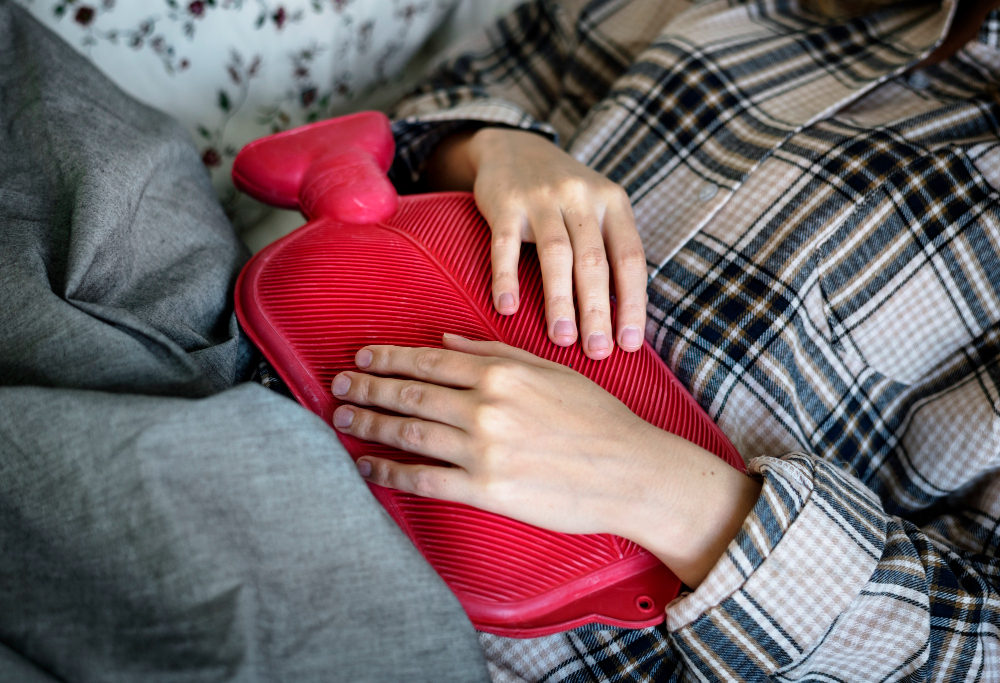
Ayurveda and Menstrual Pain: Understanding Cramps, Clots and Mood Changes

Menstrual pain, clots, and mood changes are very common, but they are not something every woman has to quietly suffer through. From an Ayurvedic perspective, these are signs that the body’s natural balance needs support. Ayurveda sees periods not as a “problem,” but as a reflection of how well digestion, hormones, and daily lifestyle are working.   Many women know the routine every month: lower‑abdomen cramps, passing clots, feeling bloated, tired, or suddenly emotional. In Ayurveda, these are not “just part of being a woman.” They are signals from the body that Vata and Pitta doshas are imbalanced, digestion is weak, and the reproductive system is under stress.   Instead of treating each symptom alone, Ayurveda looks at the whole picture: food, sleep, stress, emotions, and daily habits, and then offers gentle, natural ways to bring balance back.   Why Do Period Cramps Happen?   In Ayurveda, menstruation is seen as a natural downward movement controlled by an energy called Apana Vata. This energy helps the menstrual blood flow out smoothly.   When life is too fast, too stressful, or too cold for the body, this Apana Vata gets disturbed. The result is tightening, spasms, and cramping in the lower abdomen, back, and sometimes thighs.   Cramps usually start a few hours before the period or right when bleeding begins. They may come and go in waves and can be mild or very strong. Ayurveda views this as a sign that the body needs more warmth, rest, and calm routines, not just painkillers.   Are Clots and Heavy Bleeding Normal?   Passing small clots with your period is usually normal, especially if the bleeding is not too heavy and your cycle is otherwise regular. But large clots, very heavy bleeding, or periods lasting more than 7–8 days are signs that the body is out of balance.   Ayurveda links heavy, dark, or clotty flow mainly to Pitta dosha and disturbed Rakta dhatu (blood tissue). When Pitta is high, the blood can become hot, fast, and heavy, which leads to more bleeding and clots.   On the other hand, if the flow is very light, patchy, or very irregular, it is often linked to Vata imbalance, where the flow is weak and unsteady.   The goal in Ayurveda is to balance the doshas, support healthy digestion, and strengthen the reproductive tissues so that periods become regular, comfortable, and not painful.   Mood Swings, Anxiety and PMS   Many women feel more emotional, anxious, or easily irritated a week or two before their period. Ayurveda connects this to Vata and Pitta going out of balance in the mind and body.   Vata, which controls the nervous system, makes the mind restless and sensitive. Pitta adds intensity and sharpness to emotions. Together, they can create:   Feeling suddenly upset or tearful Feeling angry over small things Fear, anxiety, or racing thoughts   Stress, lack of sleep, and irregular eating make this worse. When the digestive fire (Agni) is weak, the body cannot digest food properly and also cannot handle stress and emotions, which leads to stronger PMS symptoms.   Simple Diet Changes During Your Period   During menstruation, the body is already delicate, so Ayurveda suggests eating light, warm, and easy‑to‑digest foods.   Here are some simple tips: Eat warm cooked meals like khichdi, vegetable soups, rice, and soft lentils. Sip warm water with ginger, fennel, or cumin to ease cramps. Avoid cold drinks, ice cream, raw salads, and too much fried food, as they increase Vata and pain. Have a light dinner early so the body can rest instead of digesting heavy food at night.   On bleeding days, it helps to avoid heavy exercise, intense workouts, and long travel and instead focus on rest, warmth, and gentle movement.   Lifestyle and Daily Habits for Better Periods   Your daily routine has a big impact on your periods. Ayurveda calls this Dinacharya (daily routine). A few simple changes can make a big difference:   Sleep and wake up around the same time every day, especially going to bed early. Avoid staying up very late or working on screens till midnight, as this aggravates Vata and Pitta. Take short gentle walks or practice mild yoga and stretching to improve blood flow in the pelvic area. Use warm water or warm showers instead of very cold baths to soothe the body.   A gentle self‑massage (Abhyanga) on the lower abdomen with warm oil a few days before the period can also relax muscles and reduce cramps.   Breathing and Mind Calming for Pain and Mood   Breathing practices help calm the mind and balance hormones. Simple techniques recommended in Ayurveda include:   Nadi Shodhana (alternate‑nostril breathing): 5–10 minutes daily to reduce anxiety and mood swings. Gentle Kapalabhati (quick exhalations): Helps clear the mind and improve circulation.   Spending 10 minutes each day in quiet breathing, without phones or screens, can greatly reduce stress‑related PMS and cramps.   Herbal Support, But Use Carefully   Ayurveda uses various herbs to support menstrual health, but they should always be taken under the guidance of a qualified Ayurvedic doctor. Some commonly used herbs include:   Shatavari: A gentle, cooling herb that nourishes the female reproductive system and helps with heavy or irregular bleeding. Ashoka: Helps regulate periods, reduce pain, and support a healthy uterus. Dashmoolarishta and similar herbal preparations: Used to balance hormones, reduce inflammation, and support long‑term menstrual health.   In chronic conditions like PCOD or endometriosis, trained Ayurvedic doctors may also suggest Panchakarma‑style therapies, such as gentle cleansing and special herbal treatments, over a few months.   When to Seek Help   Mild cramps and small mood changes are common, but severe pain, very heavy bleeding, large clots, or extreme mood swings are not normal. They can be signs of conditions like PCOD, endometriosis, fibroids, or hormonal imbalance.   If any of the following are true, it is important to see a doctor (Ayurvedic or modern): The pain is so strong that it stops daily work… Continue reading Ayurveda and Menstrual Pain: Understanding Cramps, Clots and Mood Changes
Hemophilia Treatment in Ayurveda

Hemophilia is a rare, hereditary bleeding disorder with excessive bleeding as its main symptom. The condition is manageable if detected at an early stage. If not managed, hemophilia can be fatal.   Ayurveda can help keep your symptoms in check primarily through diet and lifestyle practices, thereby improving the quality of your life.     What is Hemophilia ?   Hemophilia is a bleeding disorder where a person often has trouble forming blood clots. This results in chronic bleeding after an injury or accident and other health issues.   Ayurveda categorizes bleeding disorders as “Raktapitta.” Hemophilia too comes under this category.   According to Ayurveda, Raktapitta is the result of an aggravated Pitta Dosha (due to dietary and lifestyle habits, and emotions), which affects the Rakta (blood).   In terms of diet (Ahara), the excessive consumption of the following kinds of foods can aggravate your Pitta Dosha and be the reason for hemophilia:   Foods of Amla (sour), Katu (pungent), and Lavana (salty) tastes (Rasa). Foods that are heating (Ushna) and cause acid reflux and heartburn (Vidahi).   The following lifestyle practices also contribute to an imbalance in Pitta Dosha:   Overexposure to sunlight Overdoing exercise and walking   Also, extreme emotions such as excessive grief and anger can also affect the balance of your Pitta Dosha.     This is why Ayurveda always emphasizes balance, not just in what we eat but also in how we live. Even something as simple as eating at irregular times or sleeping too late can disrupt the Doshas, making conditions like hemophilia worse over time.   To learn more about the early signs of increased Pitta, watch this video:       Symptoms     The main symptom of hemophilia is excessive bleeding. It could be external bleeding, which is visible, or internal bleeding.     External bleeding symptoms     Bleeding inside the mouth as a result of a cut or due to the loss of a tooth Bleeding from the nose without a reason Excessive bleeding from even a small injury Bleeding from an early injury that resumes after a while     Internal bleeding symptoms    Signs of intestinal bleeding marked by blood in urine or stool Joint discomfort and swelling     In children, unexplained bruising is one of the early warning signs of hemophilia. If a child frequently gets large bruises from small bumps or falls, it might be a sign to consult a doctor.     Ayurvedic Treatment for Hemophilia   There is no permanent cure for hemophilia. However, with the right diet and lifestyle practices, the condition can be managed.   Diet   A nutritious diet is essential for managing hemophilia. To treat bleeding issues, Ayurvedic principles highlight the need for a Pitta-pacifying diet.   You can include the following foods in your diet:   Rice varieties, such as Shashtikashali (Njavara rice), Neevar, Priyangu, etc. Pulses, such as mung beans, masoor dal, chickpeas, moth beans, etc. Vegetables, such as pointed gourd (Patola), Vetas leaves, Shalmali flower, etc. Fruits, such as Amla, pomegranate (Dadima), raisins, etc.   In Ayurveda, special emphasis is placed on including cooling and nourishing foods to balance Pitta. Ghee, for example, is highly beneficial—not only does it balance Pitta, but it also improves digestion and the absorption of nutrients that strengthen the blood. These foods are good for managing hemophilia, but that does not mean that all of them may suit you. It is always best to consult a qualified Ayurvedic doctor first to figure out the right diet for you.     Lifestyle   Leading a healthy lifestyle benefits your overall health and also helps manage hemophilia symptoms.     Daily exercise   To enhance circulation without putting too much strain on the body, you can, for example, try light activities such as yoga and walking. However, if you have severe hemophilia, it’s important to avoid activities that can cause injury. Swimming is one of the best exercises since it puts minimal strain on the joints while improving circulation.   Stress management   Reduce stress, which can aggravate bleeding issues, by practicing breathing exercises, meditation, and other relaxation methods. Ayurveda believes that excessive stress and emotional turbulence weaken the Rakta Dhatu (blood tissue). Spending time in nature, journaling, or even listening to calming music can help manage emotions better.     Prevent heat exposure   Because the Pitta Dosha is linked to heat, stay out of the sun and warm places for extended periods.     Ayurvedic Approach to Hemophilia Management   Ayurveda emphasizes treating patients comprehensively and individually, considering their unique imbalances (Vikriti) and constitutions (Prakriti). At my hospital, this is how we go about managing hemophilia:     Evaluation   During the first consultation, the doctors have a detailed discussion with the patient regarding their symptoms and health condition. We then figure out the Dosha imbalances, the root cause, and also the foods and activities that trigger the symptoms. Based on the information, we come up with a personalized treatment plan.     Lifestyle and dietary practices   The treatment plans include dietary recommendations and lifestyle practices that prevent the imbalance of Pitta Dosha.     Detoxification   Regular detoxification treatments, such as Panchakarma, aid in the removal of toxins and preserve the balance of Doshas. However, the procedures are recommended only if required and suitable for the patient. Basti (medicated enema) is often recommended in chronic cases to nourish the body and improve the absorption of nutrients. But not all types of Basti are suitable for hemophilia, so it’s always best to take professional advice.     Recognizing the triggers   Determine the foods or activities that cause bleeding episodes or worsen symptoms and stay away from them. Many people with hemophilia don’t realize that even certain Ayurvedic herbs, if not used correctly, can increase bleeding. For example, while Neem and Aloe Vera are fantastic for Pitta imbalances, they must be used cautiously in bleeding disorders. To be on the safe side, always consult a qualified Ayurvedic doctor… Continue reading Hemophilia Treatment in Ayurveda