

How to Snack Without Bloating: Light, Digestive‑Friendly Recipe

We all love a little snack time where we get to munch on salty and spicy treats that pair perfectly with tea and coffee.   But more often than not, this snacking leaves us feeling heavy, greasy, and unnecessarily bloated.   In Ayurveda, this heaviness leads to Aama, which builds up when food is hard to digest, eaten in excess, or poorly combined. Snacks are one of the primary culprits, especially if they are:   Deep‑fried in reused oil Made from refined flours Packed with excess salt and artificial flavours Eaten in large quantities between meals   Now, instead of cutting out snacks completely, there are other ways to shrink the damage and increase the benefit, so you can still enjoy them without dragging your digestion down.   Why Snacks Mess Up Your Digestion?   Many everyday snacks are made of refined flour (maida), which is hard to digest and tends to increase heaviness in the body, especially aggravating Kapha and Vata doshas.   When these snacks also contain excess salt and artificial preservatives, they can dry out the tissues, increase water retention, and disturb Pitta and Kapha. Deep‑frying in reused oil adds another problem, as it creates irritating compounds that strain the liver and gut.   On top of all that, eating snacks in large portions between meals overloads the digestive fire (Agni), leading to gas, bloating, sluggishness, and even occasional acidity.   When you eat these snacks frequently, you may notice:   A coated tongue Murmuring in the intestines after eating Feeling heavy even after a “small” snack Mild acid reflux or heartburn     How to Make Snacks “Lighter to Digest”     Digestive‑friendly snacking isn’t about cutting out treats; it’s about making them a little easier on your body. Start by choosing simpler flours like rice flour, besan, or whole wheat instead of refined maida.   Add warming, carminative spices like ajwain, black cumin, cumin, black pepper, or a pinch of hing to help reduce gas and bloating. At the same time, keep oil, salt, and portion size in check, use good quality oil or ghee, go easy on salt, and stick to a small handful instead of eating non‑stop.   Finally, snack at the right time of day, like mid‑morning or early afternoon, when your digestion is stronger, rather than late at night when your body wants to rest.   1. Lighter Flours, Lighter Belly   Instead of maida, consider: Rice flour: Gluten‑free, easy to digest, and naturally light. Besan (gram flour): Adds protein and structure, but still gentler than refined wheat. Small amounts of whole wheat: If tolerated, in freshly ground form.   Using these flours in homemade snacks reduces the “echo” of heaviness that often follows commercial snacks.   2. Spices That Help Digestion, Not Hinder It   Ayurveda is all about using spices to kindle the digestive fire (Agni). Key players:   Ajwain (carom seeds): Gas‑relieving, warming, and deeply comforting for the stomach. Black cumin (kala jeera): Supports digestion and respiratory health with a smoky, earthy flavour. Black pepper: Stimulates enzyme secretion and helps absorb other spices. Cumin, coriander, asafoetida (hing): Soothe the gut and reduce bloating.   3. Frying Wisely, Not Wildly   Frying itself isn’t the enemy, the way and how much matter.   Use fresh oil or ghee and avoid repeatedly re‑using it. Keep the temperature moderate so the snack cooks through without burning the outside. Cut pieces thin and small so they crisp up quickly and soak in less oil. Opt for small portions, a handful is enough, not a handful and then some.   Ghee, in particular, is valued in Ayurveda as a digestive‑supportive fat that carries the benefits of spices deeper into the tissues.   4. Timing Matters   In Ayurveda, the best time for snacks is:   Between late morning and early afternoon, when digestive fire is strongest. Or optional evening snacks, if you’re active and don’t eat them too close to dinner.   Heavy, fried snacks late at night invite sluggish digestion and disturbed sleep.     A Simple, Digestive‑Friendly Snack: Rice Flour Nimki     To put these principles into practice, here’s a simple, homemade nimki recipe that uses light flours and digestive spices. It’s crisp, savoury, and seasoned with ajwain, black cumin, black pepper, and chaat masala, so it actually helps your digestion instead of working against it.   Ingredients Rice flour – 22 cups (about 250 g) Besan (gram flour) – 1/21/2 cup (about 50 g) Water – 11 cup + 4 tablespoons, or as needed Himalayan pink salt – to taste Ghee – 11 tablespoon Oil – for frying Black pepper powder – 11 teaspoon Chaat masala – 11 teaspoon Black salt – 1/21/2 teaspoon Ajwain (carom seeds) – 11 teaspoon Black cumin (kala jeera) – 11 teaspoon     How to Make Rice Flour Nimki   1. Mix the Flour and Spices Sift the rice flour and besan together into a bowl. This ensures a smooth texture. Add ajwain and black cumin and mix well so the spices are evenly distributed.   2. Cook the Dough with Water and Ghee In a pan, combine 1 cup of water, 1 tablespoon of ghee, and a pinch of salt. Bring the water to a gentle boil. Reduce the heat to low and slowly add the flour mixture while stirring continuously. Keep stirring until it forms a thick, smooth mass. The aroma should be warm and toasty.   3. Steam and Then Knead Turn off the heat, cover the pan, and let the mixture steam for 2–3 minutes. Transfer it to a large bowl. Wait until it’s warm but comfortable to handle. Knead it into a dough, adding 3–4 tablespoons of water if needed. The dough should be smooth and firm, not sticky.   4. Roll and Cut Take a medium portion of dough and flatten it between your palms. Roll it into a thin roti (about 1/81/8 inch thick). Cut into small squares with a knife or cutter. You can also roll smaller discs and cut them into triangles if you like that shape.   5. Fry Until Golden and Crisp Heat ghee or oil in a deep pan over medium heat. Drop the nimki… Continue reading How to Snack Without Bloating: Light, Digestive‑Friendly Recipe
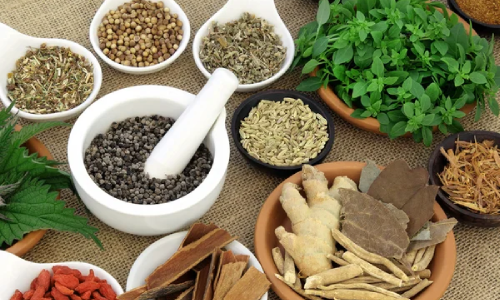
Medicinal Plants in Ayurveda for Balancing Kapha Dosha

Kapha Dosha is responsible for giving structure and lubrication to the body. When balanced, Kapha gives us strength, protects against diseases and keeps us calm. But if it’s out of balance, it can cause weight gain, congestion and tiredness. My treatment for Dosha imbalances majorly involves dietary and lifestyle correction. And if necessary, It includes medicines in the treatment that aligns with the patients’ Prakriti (body type), Dosha imbalances and health conditions. The medicines are made in my unit using Ayurvedic medicinal Plants through traditional methods as mentioned in ancient Ayurvedic texts or Samhitas.    The Ayurvedic texts have mentions of an array of medicinal plants that help balance your Doshas. In this blog, let us discuss the top herbs that help balance Kapha Dosha.      5 Potent Medicinal Plants to Balance Kapha Dosha     These are some of the top medicinal plants that can help balance your Kapha Dosha:   Turmeric     Turmeric or Haridra is a bright yellow spice that comes from the dried rhizome of a plant in the ginger family. It’s a superstar in Ayurveda, known for its many healing properties. The herb is particularly effective in balancing Kapha Dosha. Its warming, dry and light qualities counteract Kapha’s heavy and moist nature.   Benefits   Anti-inflammatory Properties: One of the most amazing things about turmeric is its curcumin content. This compound helps reduce inflammation, which is great for managing Kapha.    Digestion: Turmeric supports the digestive fire or Agni, aiding digestion and metabolism. This is especially helpful for people with Kapha body types, who often struggle with slow digestion.    Detoxification: Another fantastic benefit of turmeric is its ability to support liver function and eliminate toxins (Ama) from the body. I often feel lighter and more energized when I regularly include turmeric in my diet.   How to Use   Turmeric is a staple ingredient in almost all Indian dishes. So, I would say it is the best way to incorporate turmeric into your routine.   You can add it as an ingredient to curries and soups or use its powder to make tea. Also, you can combine it with warm milk to make turmeric milk, which is great for coughs and colds, getting a good sleep and alleviating period cramps.   If you prefer, you can take turmeric supplements, but it’s always a good idea to consult with an Ayurvedic doctor first.    Ginger     Ginger, known as Shunti in Sanskrit, is a versatile herbal option to balance your Kapha Dosha. It has warming and stimulating properties that help in energizing the body and fighting off problems associated with Kapha, such as feeling “sluggish” or “congested.”   Benefits   Digestive Health: Works as a good appetizer and helps to improve digestion by enhancing the Agni. This reduces the accumulation of Ama as well as ensures that the food gets digested properly.   Respiratory Health: Works as an expectorant and helps remove mucus from the respiratory tract. This not only helps in relieving congestion but also makes breathing easier.   Weight Control: The herbs are able to enhance metabolism and help in weight reduction. It can prove to be especially effective if there is a Kapha vitiation in the individual’s body.   How to Use   Ginger can be used as an ingredient in cooking. You can also add it to teas, juices, smoothies, or can even be used as a spice in cooking. Ginger supplements are another option. But it is safe to consult an Ayurvedic doctor before trying them out.   Trikatu       Trikatu is a blend of three powerful spices: black pepper, long pepper (Pippali) and dry ginger. The strong heating and stimulating properties of this combination is great for balancing Kapha Dosha.   Benefits   Metabolic Booster: Trikatu helps enhance your metabolism and boosts your Agni, which helps your body process food more efficiently.   Detoxification: It helps your body get rid of Ama, reducing the risk of Kapha-related issues.   Respiratory Health: Trikatu is also good for clearing respiratory congestion and improving lung function.   How to Use   You can take Trikatu powder with honey or warm water. It’s also available in tablet form. As always, it’s best to consult with an Ayurvedic doctor before starting any new supplement.   Tulsi     Tulsi or Holy Basil is an important herb used in Ayurveda due to its numerous health benefits. It has the added advantage of helping to decrease Kapha Dosha due to its light, dry, and warm nature.   Benefits   Respiratory Support: Tulsi has a good effect on the respiratory passage and thins the mucus therefore; it is of great value in the case of Kapha respiratory disorders.   Stress Relief: It is an adaptogenic agent since it can help the body deal with stress to the point of sharpening your mind.   Immune Support: Tulsi also helps to strengthen the body’s defense and increases the body’s capability to fight diseases and infections.   How to Use   Tulsi can be consumed raw or the leaves may be boiled to prepare a tea or it can be used as a seasoning while preparing a particular dish. Tulsi capsules/tinctures are also available for those who do not want to consume leaves or Tulsi powder.   Also Read: Health Benefits of Tulsi   Cinnamon     Cinnamon or Twak in Sanskrit is a warm spice that helps in moderating Kapha Dosha. Due to its Pungent and hot like qualities, it can be used to balance excess Kapha Dosha.   Benefits   Blood Sugar Regulation: Cinnamon has a healing effect on blood sugar. Since blood sugar level is a major determinant of metabolism and weight, cinnamon is of great help.   Improved Circulation: It stimulates blood flow which combats Kapha’s tendency to cause lethargy.   Digestive Aid: Cinnamon helps in digestion and aids in getting rid of digestive problems like bloating and indigestion.   How to Use   Cinnamon is best added to teas,… Continue reading Medicinal Plants in Ayurveda for Balancing Kapha Dosha