Beyond Remedies: Ayurveda & the Body’s Intelligence

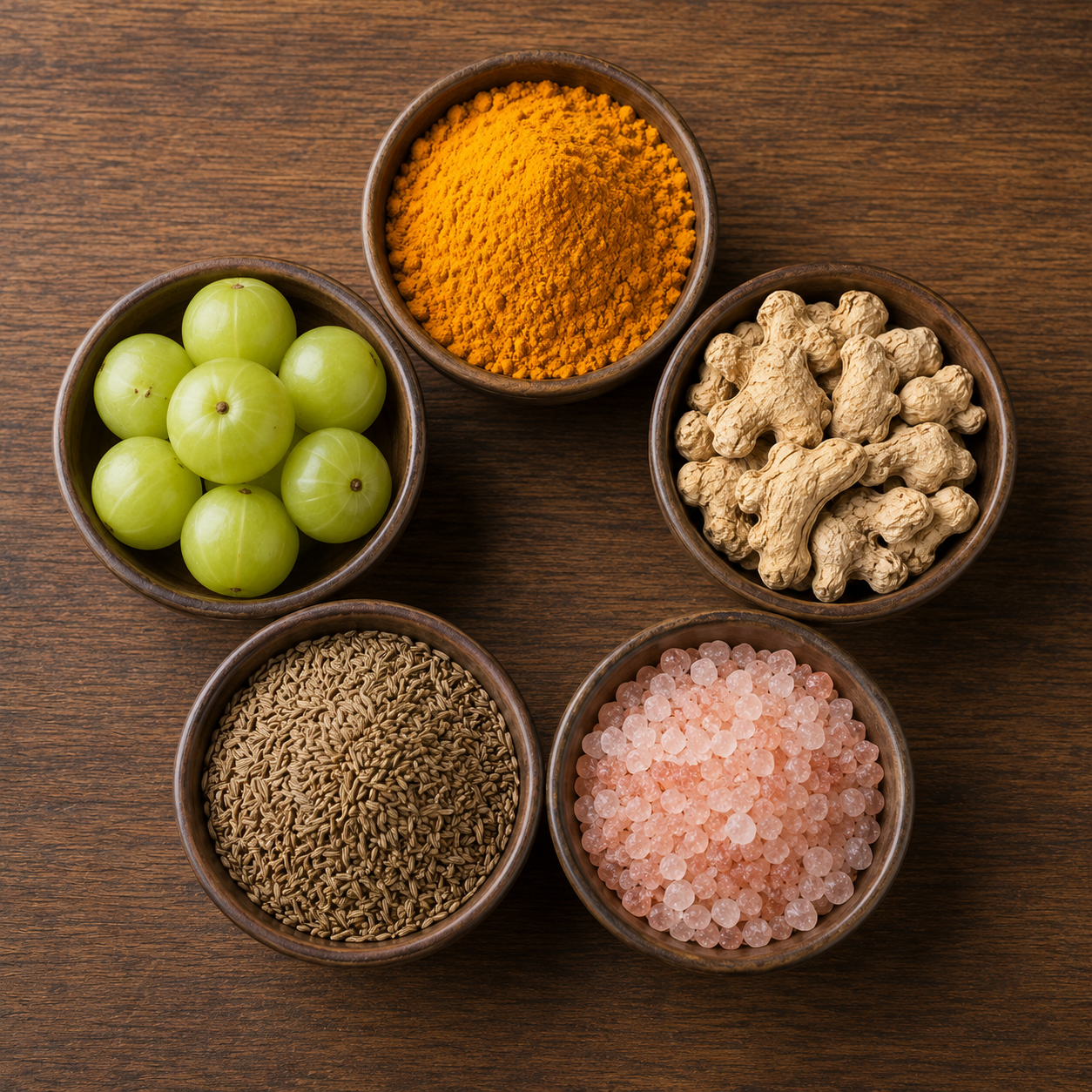
Most of us treat health like a problem‑solution game. Dry skin? Apply something moisturizing. Low energy? Drink something strong. Upset digestion? Take a quick‑fix remedy.   But Ayurveda asks us to pause and ask a deeper question: What is the body trying to tell us through these experiences?   As you continue listening to more insights from Ayurveda, you’ll noticed something beautiful.   The body is constantly adapting, and our role is to support that intelligence instead of overriding it.   Let us explore how this works in everyday life.   Not Everything Natural Is the Same   In today’s wellness world, “natural” is almost a magic word. But Ayurveda digs a little deeper and asks: How natural? And more importantly, how suitable is it for you?   Take camphor, for example. At first glance, it might seem like any camphor will do. But Ayurveda differentiates between:   Natural camphor (Bhimseni camphor) Synthetic camphor   They look similar, but their qualities are different.   Natural camphor has an irregular, crystalline shape and dissolves slowly. Synthetic camphor is uniform, very rigid, and burns with a harsher, sharper flame.   Why does this matter? Because subtle qualities affect how a substance interacts with the body. A harsh, synthetic version can irritate rather than soothe.   Ayurveda teaches us not to trust only the label, but to observe the qualities—how something feels, smells, and behaves. That attention to detail can make a big difference in how your body responds.   The Forgotten Art of Preparation   Another often overlooked part of health is how we prepare what we eat and use.   Take dry ginger powder, for example.   Making it at home usually means fresher, purer ingredients. Store‑bought is okay too, but only if you are sure it is unadulterated and of good quality.   Even the way you consume it matters. A small amount of dry ginger boiled briefly and then reduced in water can become a gentle digestive tonic. But this is not one‑size‑fits‑all advice.   If someone already has a lot of internal heat (Pitta), even something considered helpful like dry ginger can increase burning, acidity, or discomfort. In that case, it needs to be used cautiously or avoided until the heat is under control.   This shows a simple yet powerful idea: The same ingredient can heal or harm depending on the internal environment of the person.   The Body Is Not One System—It’s Many Working Together   Ayurveda does not see the body only as organs and bones. It describes the body as several functional energies working together in harmony.   One of the most beautiful frameworks is the five types of Vayu, or subtypes of Vata:   Prana Vayu – governs breathing, perception, and mental clarity Udana Vayu – supports speech, expression, and confidence Samana Vayu – manages digestion and assimilation Vyana Vayu – handles circulation and movement Apana Vayu – oversees elimination and reproductive functions   When you look at the body this way, symptoms start to make more sense.   For example, someone who struggles to speak clearly or feels hesitant to express themselves may not be dealing only with an emotional issue. It can also involve Udana Vayu being disturbed.   Similarly, poor circulation and stiffness are not just physical problems. They may indicate that Vyana Vayu needs support.   This interconnected view reminds us: Nothing in the body truly operates in isolation.   When Substitutes Are Not Real Substitutes   Modern thinking often asks, “Can I use this instead of that?” But Ayurveda is cautious about substitutes because it focuses on energy, not just appearance.   Take sesame oil, for example. It is widely considered ideal for daily use in many Ayurvedic practices. If you cannot find or use it, alternatives exist, but they are not equal.   White sesame oil can be acceptable, though it may be slightly less potent. Coconut oil can work, but it suits some people better in heat‑dominated conditions. Other oils may be suitable only after individual assessment.   And some substitutes, like certain refined seed oils, are simply not appropriate at all, even though they look similar.   Why such precision? Because Ayurveda does not just replace one ingredient with another. It works with qualities like heat, heaviness, lightness, and penetration, and matches them to the person’s condition.   Similarity in appearance does not mean similarity in effect.   Skin, Sensitivity, and the Limits of Moisturizing   We often treat dry skin as a surface problem. We apply more oil, carry more creams, and buy richer lotions.   But Ayurveda sees dry skin as a reflection of deeper imbalance, especially of Vata. When common oils are not tolerated, something like Shatadhauta Ghritam can be helpful.   Shatadhauta Ghritam is ghee that is transformed through repeated washing with water. It becomes cooling, light, and deeply soothing, and can be used as an external application.   Interestingly, even people sensitive to dairy may tolerate it on the skin, because:   It is processed differently It is used externally, not ingested   Still, Ayurveda adds important nuances:   It is not suitable for infected or oily skin. Sensitive individuals should always patch test first.   This level of personalization shows an essential truth: Healing is not about finding the single best product. It is about finding the right match for your body and condition.   Simple Practices, Done Mindfully   Some of the most powerful Ayurvedic practices are also the simplest.   Take foot soaks, for example.   Warm water alone can relax muscles and improve circulation. Adding a little salt can enhance the effect. Herbal decoctions can be used when extra support is needed.   No complicated steps. No fancy equipment. Just a simple, grounded practice done with awareness.   Even something as basic as water temperature matters.   Lukewarm water is usually preferred. It gently stimulates the body without shocking it, which supports smoother digestion and circulation.   These small details may seem minor, but they… Continue reading Beyond Remedies: Ayurveda & the Body’s Intelligence

Ayurveda’s Take on Alcohol

For many, celebrations are incomplete without alcohol. But have you ever wondered what Ayurveda says about it?   Interestingly, Ayurveda doesn’t completely forbid alcohol. Instead, it stresses moderation and mindful consumption.     Is Alcohol Allowed in Ayurvedic Practices?     Yes, there is mention of alcohol within the medicinal context in Ayurveda.    Ayurvedic preparations like Draksharishta contain self-generated alcohol. These are made using natural fermentation techniques and contain healing herbs for health benefits.    However, recreational use of this should be approached with caution.     Effect of Alcohol on Doshas     Pitta Dosha: Alcohol has heating, sharp and penetrating properties. Too much of it aggravates Pitta-related conditions like acidity, liver inflammation and skin rashes.   Vata Dosha: Alcohol has a drying effect too, and this can aggravate Vata Dosha causing anxiety, restlessness, and digestive issues. Its drying nature can disturb mental clarity, cause dehydration, and can also lead to joint pain or bloating.   Kapha Dosha: High indulgence can overburden Kapha Dosha, resulting in excess mucus secretion, lethargy, weight gain and sluggishness.   To counterbalance these effects, Ayurveda emphasizes moderation and pairing with the right foods.     Is Drinking Alcohol Allowed in Ayurvedic Diet?     Alcohol is not forbidden in Ayurveda, but it is not advised as part of an Ayurvedic lifestyle. If you drink, take the following into account: Do not drink on an empty stomach To calm Pitta, consume cooling and sweet foods the next day Drink twice the water to stay hydrated     Ayurvedic Remedies for Alcohol Detoxification     For the consumers, detox is a must for the negative effects to not take a toll on you. Ayurveda recommends: Dry fruits: To get rid of the hangover, soak some dry fruits the night before and eat them in the morning. Figs, dates or black raisins are great for reducing Pitta and fighting dehydration.   Draksharishta: Consume 15 ml of this Ayurvedic tonic mixed with an equal amount of water after meals. It helps the health of the liver and digestion.   Head massage: At my clinic, I prepare a night routine oil with pure sandalwood in it. Use this oil for a head massage followed by a cold shower.      Alcohol and Digestive Fire (Agni)     Ayurveda places great importance on Agni – the digestive fire. Alcohol, when consumed in large amounts can dampen your Agni, resulting in indigestion, flatulence and toxin build up (Ama). To support your Agni: Eat light, easily digestible meals after drinking   Avoid mixing alcohol with fried or heavy foods   Drink herbal teas with ginger or fennel to strengthen digestion.     An Ayurvedic Perspective on Alcohol     “Madhye tu matra gunatmanam, ati doshakaram nrunam.” [Charaka Samhita, Sutrasthana Chapter 24, Verse 30]   Translation: “Alcohol in moderation is beneficial, but in excess, it becomes harmful.”   The key is Yukti – using appropriate judgment. As per Ayurvedic texts, alcohol can act as both nectar and poison. The impact depends on the dose, person and situation.   It is, therefore, used in Ayurveda as a solvent in formulations like Asavas and Arishtas.  These are herbal preparations created through natural fermentation and are used for specific ailments.    Ayurveda sees alcohol addiction as an imbalance in the mind and body. Through detoxification treatments such as Panchakarma, both liver health and mental health can be restored.   Too much alcohol disrupts the balance of Doshas, impairs Agni and causes a toxin build-up. Ayurveda emphasizes Madhyama Matra – the middle path of moderation. Small amounts of alcohol, consumed mindfully, may be acceptable, but overindulgence is harmful.   Instead of the conventional alcoholic drinks, you can opt for Ayurvedic drinks such as Herbal Teas or Draksha Rasa (grape juice). They not only satisfy the palate but also provide nourishment and balance.   Fermented drinks like Takra (buttermilk) and herbal infusions are better alternatives. These drinks are light on the system, assist in digestion and support Dosha balance.     A Quick Reality Check     So, before you raise a glass at your next gathering, remember that alcohol is not essential to celebration. Ayurveda inspires us to live a life with balance and mindfulness.    If you decide to drink, do so responsibly, and always pair it with self-care practices to minimize harm. Or better yet, explore Ayurvedic alternatives that nourish both body and soul.   Alcohol can be a part of life, but it doesn’t have to be the whole thing. Choose balance, moderation, and care for your body because health is the ultimate wealth!   If you are struggling with any health issues, you can either book a consultation with us or send us a message via WhatsApp to +91 79074 89839. We have the best Ayurvedic doctors in Trivandrum who are always glad to help you. If you have any queries, contact us.  You can also visit us at our hospital.

Gut Health – Unlocking the Power of Ayurvedic Foods for Digestion

From bloating and constipation to IBS and diarrhoea, poor digestive health has become a sign of modern times. A sedentary lifestyle, improper meal times, unhealthy food choices and mental stress are some of the modern-day contributors to poor gut health. It is alarming to note that nearly 40% of adults suffer from gut issues, ranging from heartburn and bloating to acid reflux and IBS (Irritable Bowel Syndrome). According to Ayurveda, poor gut health is the root cause of all diseases. So, neglecting these problems could lead to severe conditions like colon cancer.    The Reasons Your Gut Is Not Happy   Fatigue, IBS, constipation, bloating, diarrhoea, unintentional weight changes, etc. are all signs of poor gut health. If you see it from the Ayurvedic perspective, Then, it’s time for you to hurry up and consult a doctor. One of the main reasons for your gut health issues is lack of sleep. The role of good sleep in digestive health is, however, often overlooked.   Serotonin is produced in the gut; therefore, any imbalance can significantly affect its production. A weakened immune system can also lead to poor gut health. Your body is not capable of fighting diseases as it has not absorbed nutrients from the food. Another reason for digestive issues is excessive consumption of incompatible and processed foods.   The Gut-Mind Connection   The gut-mind connection has been scientifically proven. Unlike the popular adage ‘You are what you eat,’ Ayurveda believes that ‘you are what you digest’. Healthy digestion is vital to wellness.  In Ayurveda, gut health is derived from ‘Agni’ – the digestive fire. It not only has a bearing on your digestion process, but it also influences your emotions and thoughts. Most digestive problems arise due to an imbalance in Agni. This imbalance in turn affects the Doshas and accumulates Ama or toxins. The GI system and the central nervous system are deployed and connected. Food can trigger mood changes. Ayurveda says, “Rogah sarve api mande agnou,” meaning, a low Agni or poor gut health is the root cause of all diseases – be it physical or emotional. It means your gut and mind are connected. Following a regular daily routine or Dinacharya is intrinsic to wellness as per Ayurveda. This regularity also goes a long way in maintaining a healthy nervous and digestive system.  Furthermore, Ayurveda recommends mindful eating, which, in a way, means the mind and the gut are connected. Additionally, mindful eating is about involving all your senses as you eat.  It makes you aware of the quality and taste of the food and portion control. This nourishes the inner Agni, thereby ensuring balanced digestion.    Ayurvedic Ways to Keep Your Agni Balanced   Here are different ways to keep your Agni on balance: Follow a diet with foods that are simple, light and easy to digest. Be consistent with your mealtimes.  Avoid overeating. Avoid incompatible food combinations. Eat your dinner early. Have three meals every day. Maintain a gap of about 2 to 3 hours between your dinner and bedtime. Follow Dinacharya. Keep your body well hydrated. Avoid cold drinks and ice water as it dampens your Agni. Avoid processed and frozen foods. Have warm, freshly cooked foods instead.   Ayurvedic Remedies To Soothe Your Gut   Here are some Ayurvedic remedies that work best for your gut health: Consume black raisins to support digestive health. They relieve constipation and provide much-needed minerals and nutrients. Guduchi is an Ayurvedic herb that helps soothe gut inflammation. Consume it if you suffer constipation or poor appetite. Add licorice or Yashtimadhu to tea to soothe an acidic gut. Add cinnamon to tea or milk to promote better digestion. It acts as an antioxidant to eliminate oxidative compression in the gut. Use cardamom to reduce inflammation. Furthermore, it alleviates symptoms of indigestion, gas, and bloating. People have used cloves for their analgesic and anti-inflammatory properties. Triphala – a combination of Amla, Haritaki, and Bibhitaki can be consumed for better nutrient absorption and relief from constipation. Relieve nausea by drinking ginger tea. Add ginger while cooking to promote digestive health. Consume fennel to boost digestion. You can either chew fennel seeds after your meals. Alternatively, brew a fennel tea and have it. Carom seeds or ajwain is a wonderful carminative. It has antibacterial and anti-inflammatory properties to reduce bloating, gas, and digestive tract inflammation.  Use black pepper and long pepper in food or tea to enhance digestive power.   Practices For Better Digestive Health   Incorporate these practices into your daily life to improve your digestive health: Try meditation to reduce the stress and anxiety that is part of modern-day life. Not only will you have better gut health, but you will also experience a healthier mental and emotional state. Eat foods that align with your Prakriti (body type). This helps prevent Dosha imbalances. Eat seasonal food. This practice maintains energy balance. Local produce is best as it is fresh and has not travelled thousands of miles to get to your plate. Enjoy your food but keep your gut happy too. Have foods that are easy to digest and follow mindful eating. Keep yourself active. Follow an exercise regimen that suits your age, fitness levels, and overall condition. Daily walks can kindle the Agni and build your digestive capacity. Though the principles of Ayurveda date back several thousand years, they hold relevance even today. Ayurveda gives utmost importance to gut health as it has an impact on your overall health. So, have foods that are digestible, follow a daily routine and keep away from stress. If you need any help with your diet.   If you are struggling with any health issues, you can either book a consultation with us or send us a message via WhatsApp to +91 79074 89839. We have the best Ayurvedic doctors in Trivandrum who are always glad to help you. If you have any queries, contact us.  You can also visit us at our hospital.

All About Eye Health – the Ayurvedic Perspective

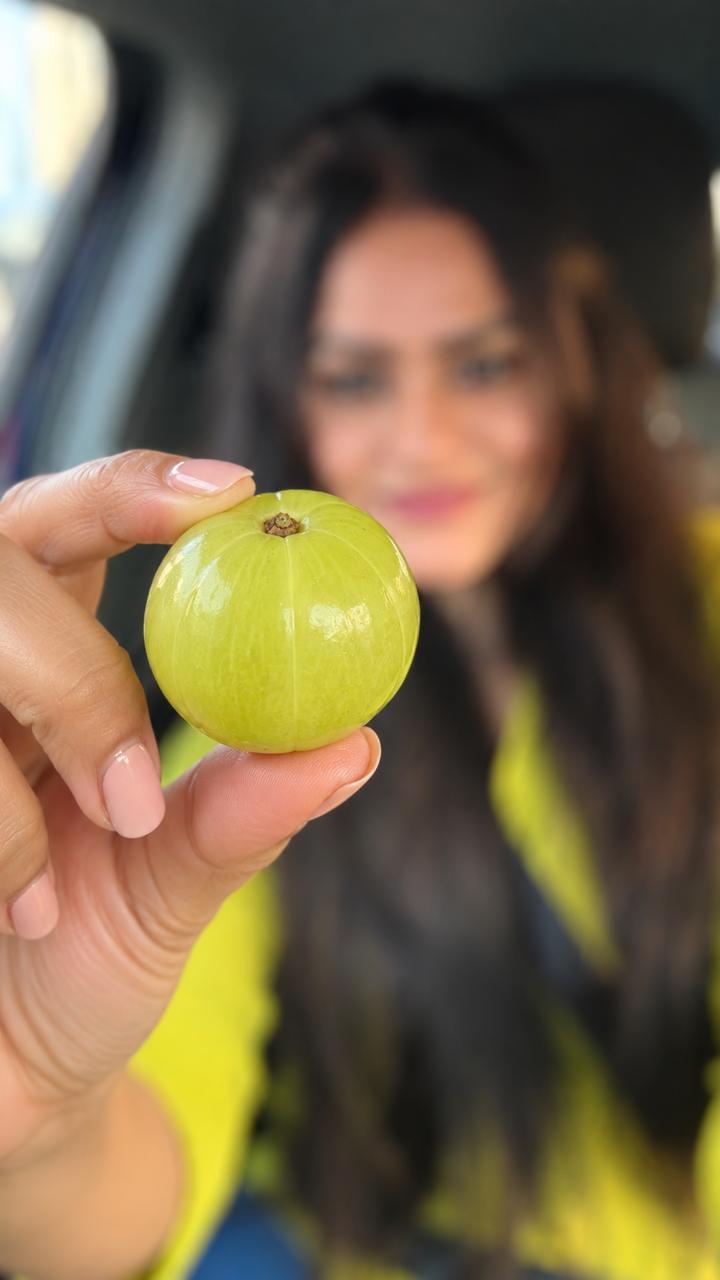
Ayurveda extends its healing touch to almost every part of our being – this also includes our eyesight. When it comes to caring for our eyes, physical needs and energies that influence eye health – Ayurveda covers it all. For example, Netra Basti/Tarpana, are age-old Ayurvedic therapies that promote eye health.     Ayurvedic Perspective on Eye Health     Before exploring the therapies, we should first understand what Ayurveda thinks of eye care.According to the principles of Ayurveda, occular health is intricately linked to the balance of Doshas (Vata, Pitta, and Kapha altogether). It is also connected to the proper functioning of Dhatus (tissues), and the clarity of channels (Strotas) within.    Any imbalances in these elemental forces can lead to eye disorders – whether it’s dryness, excessive straining or something more serious like cataracts and glaucoma.     Key Principles of Ayurvedic Eye Care     Ayurveda has listed out various principles for Ayurvedic eye care.     Panchakarma for Eye Detoxification   Ayurveda has prescribed panchakarma therapies for eye care. Some popular ones are Netra Basti and Netra Tarpana. Netra Basti, called an eye oil bath, relieves various eye-related issues.    In this therapy, a small dough dam is built around the eyes. The dough is made using a mix of flour/black gram paste. Then, warm medicated oil (preferably organic black sesame oil) is poured into the dam. The warmth of the oil enhances blood circulation and issues like dryness and fatigue/strain get fixed.     Netra Tarpana is also almost the same, but instead of medicated oil, medicated ghee (clarified butter) is used. The ghee is also warmed like oil, and this therapy works best for individuals suffering from degenerative eye disorders.   Herbal Care   Ayurveda gives much importance to herbs. Ayurvedic herbs like Triphala, Amla (Indian Gooseberry) and saffron are popular for their rejuvenating properties. People have been using these herbs altogether to support eye health for years.   For example, Triphala eye washes and Amla-based eye tonics are used to improve vision, reduce inflammation and prevent age-old degeneration.    Padabhyanga   One great way to maintain the eye health with Ayurveda is by doing Padabhyanga, i.e., massaging the feet with organic black sesame oil every night before bed.   Dosha Balancing for Proper Vision   When your Doshas are not in balance, it has an effect on your overall health and that includes the health of your eyes. One has to follow Ayurvedic lifestyle practices to maintain Doshas, like daily routines (Dinacharya), and stress management techniques. Cooling foods, gentle eye exercises and relaxation techniques pacify your Aggravated Doshas and help with eye strains.    Agni Optimisation   Also known as digestive fire, Ayurveda emphasizes the role of Agni in occular health. An  impaired digestion leads to the accumulation of Ama (toxins) which often affects vision.    Once the digestive function has improved through dietary adjustments, herbal remedies, and lifestyle changes including nutrient absorption for supporting healthy vision.   Other Ayurvedic Remedies for Eye Care   In addition to the above-mentioned practices, Ayurveda has laid out specific remedies for eye care.   Anulom Vilom (Alternate Nostril Breathing)   How even is this related to eyes? Well, Anulom Vilom is a popular Pranayama technique that helps balance the flow of Prana (life force energy). And this flow of Prana in the body includes eyes as well. Try regularly practising this breathing technique as it enhances oxygenation and eye circulation.   Ayurvedic Eye Exercises   Next comes simple eye exercises. Try focusing on distant objects, and rotating your eyes in all directions. These exercises can relax the eye muscles. It also improves flexibility and gives relief from strain.   Ayurvedic Remedies for Dry Eyes   Coming to specific concerns, Ayurveda also offers remedies for dry eyes. Apply rose water or aloe vera gel to soothe dry eyes. You can also incorporate ghee (clarified butter) and healthy fats into your diet. The reason is that fats support lubrication and help moisture retention.   Ayurvedic Remedies for Vision Improvement   Ayurveda has many offers for vision improvement. It recommends consuming nutrient-rich foods like carrots, spinach, almonds  and Indian gooseberry (Amla)  for improved vision and eliminating degenerative eye conditions.   Ayurvedic Treatment for Glaucoma   Next comes Glaucoma. There are multiple Ayurvedic treatments available for this condition. These treatments focus on reducing intraocular pressure and improving blood circulation to the eyes. The therapies include herbal formulations like Guggulu and Punarnava.    Diet and Lifestyle Recommendations for Healthy Eyes   Maintaining healthy eyes involves adopting a balanced diet and lifestyle practices that support eye health. Here are some recommendations:   Nutrient-Rich Diet   After therapy and remedies come recommendations. Ayurveda always focuses on taking foods rich in vitamins A and C, omega-3 fatty acids and antioxidants into your diet. Eat as many leafy greens, carrots, citrus fruits, nuts, seeds and fatty fish as required. As this food not only nourishes your body, but even protects the eyes. And the most important point to remember is to follow a diet that aligns with your Prakriti (body type). You can consult an Ayurvedic doctor to figure out your Prakriti and to recommend an Ayurvedic diet accordingly.    Hydration   Our life schedule can sometimes get tiring. But that should not stop you from drinking enough  water. At least three litres of water daily will maintain hydration in your body. It will prevent dryness, a factor that contributes to eye discomfort and fatigue.   Protective Eyewear   During summers, swear by your sunglasses or protective eyewear. Ayurveda may not have talked about sunglasses, but Ayurveda has talked about sun protection. The eyes are the seat of Pitta, the fire element. Hence it is important to keep the eyes protected against any kind of warm practices, including warm compresses and looking directly at the sun. In the olden times, people used to carry umbrellas in the summer for sun protection. These days it has become “old fashioned” and we carry them only during rain.… Continue reading All About Eye Health – the Ayurvedic Perspective