What are the three stages of life in Ayurveda?

According to Ayurveda, every human being goes through three stages in their life: the Kapha , the Pitta and the Vata phases.    What do these phases comprise?   Let us find out!   Kapha Phase   This is the growth phase, also known as the building phase. This is the time starting from your birth to the puberty phase. During this growth phase, you will feel that you mostly have mucus-related conditions and upper respiratory tract conditions because this is a Kapha-dominant phase.   The nature of Kapha Dosha   The soil and water components make up the majority of Kapha. It is, without a doubt, the densest and most substantial of the three Doshas. In addition to providing the body with structure, cohesion, lubrication, hydration, and sustenance, Kapha is heavy, slow, calm, greasy, smooth, soft, steady, gross, and foggy. It also supports anabolic (building) biological processes and growth.   Pitta Phase   It is also known as the maintenance phase, and this is the time when you reach puberty to the time you reach 50 or 60 years. During this phase, you mostly have conditions around the stomach area, and this includes menstrual issues, reproductive issues, stomach-related issues and many more.     The nature of Pitta Dosha   Fire and water make up the majority of the elements that make up Pitta. Compared to Kapha, Pitta is less dense and more solid than Vata. It controls digestion, absorption, assimilation, nutrition, transformation, and body temperature. It is light, sharp, hot, greasy, liquid, spreading, and subtle by nature.   Vata Phase   It is also called the decline phase. Around 50-60 years, your body begins declining as Vata becomes dominant. During this time, your body will feel muscular-related conditions. When Vata element rises, you experience physical and mental changes, such as dry skin and declining cognitive function.  However, wisdom and softness can also come with the Vata stage.    The nature of Vata Dosha   Vata is the most delicate of the three Doshas, mainly composed of the elements air and ether (space). Vata governs mobility, communication, creativity, flexibility, and expansiveness. It is light, chilly, dry, rough, mobile, subtle, and transparent by nature.   The Kapha, Pitta, and Vata stages of life are consecutive times in our lives when we naturally and physiologically experience an increase in the characteristics that are specific to each of the Doshas. For instance, children who are in the Kapha stage of life have greater access to the attributes of Kapha due to the inherent rise in Kapha traits in the body. However, this also raises the possibility of having a Kapha imbalance because like attracts like. Introducing Kapha-pacifying elements can help kids achieve balance and prevent Kapha imbalances.   Even though all three of these life stages are merely generalizations, this framework may be rather insightful, particularly when examined through the prism of your own experience and takes into consideration the plethora of other factors that are particular to you. You are considerably more likely to experience the effects of those energies that most correspond with your constitution and current level of balance, your mental and emotional character, and your lifestyle choices. Keep in mind that each of us progressively moves from one stage to the next. In the end, what counts is how your unique Doshas are affecting you at any given time.    If you are struggling with any health issues, you can either book a consultation with us or send us a message via WhatsApp to +91 79074 89839. We have the best Ayurvedic doctors in Trivandrum who are always glad to help you. If you have any queries, contact us.  You can also visit us at our hospital.

Medicines in Ayurveda and Allopathy – Is It Okay to Take Together

  “Can I take Ayurvedic and Allopathic medicines together?”   This is the frequent question asked by my patients, and the answer is NO. Ayurveda and Allopathy are two entirely different systems of medicines.    Ayurveda    As an Ayurvedic doctor, my line of treatment mainly includes diagnosing and treating the root cause of health conditions. The treatment involves dietary and lifestyle changes and mild Ayurvedic medicines and Panchakarma detoxification, if necessary.    The main intent of my treatment is to correct the digestive fire (Agni) of the patient. This is because according to Ayurveda, an imbalanced Agni is the root cause of all diseases (Rogasarve api mande agnou).   When I say Agni or gut health, I am taking care of your liver health which is crucial for digestion. The liver has two main functions- one is fat metabolism, and the other is detoxification. When you are putting yourself on so many medications, the liver has to try hard to detoxify them while not helping with the core treatment principle. This is why it is essential not to take too many or strong medications when you’re trying to heal from one condition.    If you thought all Ayurvedic medicines are good, you’re wrong. Ayurvedic medicines containing heavy metals and strong herbs, like Ashwagandha or  Shatavari can only have adverse effects on your health.    That is why 80% of my treatment involves food and the rest 20% involves medicines. If at all I have to recommend Ayurvedic medicines to a patient, I usually provide them with the mild ones I and my team make at our unit that contain only locally sourced mild herbs.   This can help your system and your own body to heal by itself by giving it the ideal environment for it to perform better. But it will take a few months.     Allopathy   Allopathy focuses on taking care of the symptoms of a health condition through medication. Hence, the mode of treatment is at a faster pace. The health condition may return in the long run if only its symptoms are suppressed.   Why you shouldn’t mix Allopathy and Ayurveda   There are differences between Ayurveda and Allopathy in terms of medication production, therapy administration, and health approach. Every medical practice, including Allopathy and Ayurveda, has benefits and drawbacks. So, having both Ayurvedic and Allopathic medicines together does not seem ideal.   There are many Ayurvedic medications, including tablets of Sudarsana, Anu Thailam, Histantin, and other formulations, that can serve as safe and efficient substitutes for their Allopathic equivalents. Therefore, it is better to focus on one medical system at a time.     If you are struggling with any health issues, you can either book a consultation with us or send us a message via WhatsApp to +91 79074 89839. We have the best Ayurvedic doctors in Trivandrum who are always glad to help you. If you have any queries, contact us.  You can also visit us at our hospital.

Ayurvedic treatment and its truth

When you think of Ayurvedic treatment , the first thing that comes to mind is Panchakarma and body massage. What if I tell you it is because your mind has been tuned to think so, thanks to the commercialized version of Ayurveda you often see in the various forms of marketing.  Do not believe in a friend, uncle, aunt or an Ayurvedic doctor who tells you ” Got skin issues, bone & muscular issues, chronic diseases, or just random headaches? Head to an Ayurvedic center, enroll yourself, and undergo a 15-day Panchakarma & body massages!”   That’s not “real” Ayurveda; that’s more of “commercial” Ayurveda!     The truth about Ayurvedic treatment     The truth is Ayurveda treatment is much more than Panchakarma and body massages. A few diseases may need Panchakarma first, but that’s only in “a few” of the diseases. For the rest, it is only the last line of treatment. Ayurvedic treatment for most diseases is about treating the root cause through dietary and lifestyle and medicines, if required. If the patient’s condition does not subside, the doctor may advise panchakarma. Panchakarma is all about detoxifying your body, i.e., removing the toxins (Ama) accumulated in your body. It is just one of the many parts of Ayurveda treatment. Unless you address the root cause of your health condition, panchakarma is really of no use.   Why I do not support “commercialized” Ayurveda   This is my own story and experience.  Before starting my practice, I worked in 2 clinics in Dubai and one in Kerala. In all these three clinics, I have been asked by the management to prescribe mandatory body treatments and Panchakarma for every single patient, whether the patient needed it or not. They offered me decent commissions for every treatment I prescribed. This was totally beyond my ethics of practicing Ayurveda, and I never lasted long in any of these places. From the point of view of the clinic, it was more commercially viable for them when they looked at their fixed and variable costs – the cost of rent of the facility, the salary of therapists, the medicines used for body treatments, the licenses, etc. However, that is not authentic Ayurveda. Ayurveda is all about understanding the patient in and out. It includes understanding their body constitution (Prakriti), lifestyle, health conditions and prescribing a treatment plan that is best suited for them. If it does not get better, you can try body treatments. If you have a disease, do not jump into getting admitted and doing panchakarma and body treatments.  First, consult an authentic Ayurvedic doctor who will help figure out the root cause of your health condition and offer you a personalized treatment plan that involves dietary and lifestyle changes and medicines, if needed. They’d recommend Panchakarma if it’s absolutely necessary.   Choose “real” Ayurveda   Certain conditions require panchakarma, and it is vital. However, today, people misuse it to the extent that every disease treatment begins and ends with panchakarma and body treatments. I never lasted long in any of these clinics as I would not change a bit from my ideologies and ethics of practicing a system in which I have invested my whole life in. That was the triggering point to not depend on any clinic and start my own. I know I am talking about a billion-dollar industry, but it is what it is. Let us bring back real Ayurveda treatment !   Doctor Rekha is a 4th generation Ayurvedic Medicine Doctor (BAMS) and also one of the best ayurvedic doctor in trivandrum city, living in between Dubai and India who has patients from around the globe who believes that the wisdom of Ayurveda can help everyone lead a happy, heathy and disease-free life.   If you are struggling with any health issues, you can either book a consultation with us or send us a message via WhatsApp to +91 79074 89839. We have the best Ayurvedic doctors in Trivandrum who are always glad to help you. If you have any queries, contact us.  You can also visit us at our hospital.
Himalayan Birch And Its Medicinal Benefits

I discovered Himalayan birch, also known as Bhojpatra or Bhurja, during my recent trip to Kashmir. The tree holds so much importance in Ayurveda, owing to its amazing properties!   What is Himalayan birch?   The perennial Himalayan birch (Betula utilis) is a member of the Betulaceae family of trees.It grows in neutral, essential and acidic soils. Originally from the Himalayas, the tree is currently found in China, Bhutan, Tajikistan, Afghanistan, India, Uzbekistan, Kyrgyzstan, Nepal, Kazakhstan and Pakistan. People used it for writing in the past. Because of its anti-dandruff properties, it also has cosmetic applications.  The therapeutic properties of Himalayan birch are numerous, and it is a unique source of phytochemical substances.    Medicinal properties   Bhojpatra has many medicinal properties that make it an ingredient in Ayurvedic medicines. It belongs to a group of herbs that are proven to be anti-diabetic. The bark of  the tree is fragile and lightweight, like paper and is used in making medicines to reduce diabetes. One of the most important Ayurvedic medicines made with this herb is Ayaskriti.  It also treats convulsions, bleeding, diarrhea, wound cleaning, earaches, and mental illnesses.   Additional properties   People in the past also utilized the bark of Himalayan birch to make paper.  Kalidasa, the classical Sanskrit author, reportedly wrote his scriptures on specially prepared thin sheets from the bark of this tree. People still use it today as a paper for writing mantras and even wear it as protection in some parts of India.   The Himalayas boast a great wealth of medicinal plants, but it is also sad to know that many of these species now face threats, and loggers, collectors, and climate change have categorized Himalayan birch as “critically endangered.” Himalayan birch is well-known for its therapeutic and helpful properties in Ayurveda. People know that they have antibacterial, anti-inflammatory, and anti-cancer properties and mainly use them to make ayurvedic medicine for diabetes. There are a lot more properties of this tree. But the sad part is it is reducing in count due to climatic change and other environmental factors.   Doctor Rekha is a 4th generation Ayurvedic Medicine Doctor (BAMS) and also one of the best ayurvedic doctor in trivandrum city, living in between Dubai and India who has patients from around the globe who believes that the wisdom of Ayurveda can help everyone lead a happy, heathy and disease-free life.   If you are struggling with any health issues, you can either book a consultation with us or send us a message via WhatsApp to +91 79074 89839. We have the best Ayurvedic doctors in Trivandrum who are always glad to help you. If you have any queries, contact us.  You can also visit us at our hospital.
Dark Neck & Underarm Creams

Are you looking for the best cream for treating dark neck and underarms? The answer is there isn’t any! You could attribute the darkness on your neck to several causes. Hyperpigmentation occurs when certain areas of the skin become darker in colour. If the doctor discovers that hormones are not the cause of the skin colour changes, excessive sun exposure and poor hygiene could be potential factors.  Hyperpigmentation, the velvety patches on the folds and creases of the skin like neck, armpits, groin, etc. is called Acanthosis Nigricans (AN).    What could be the possible reasons for Acanthosis Nigricans ?   Diabetes Acanthosis Nigricans commonly signifies that your body is generating an excess of insulin that it cannot utilize efficiently. Increasing amounts of insulin can lead to a dark patch on the skin. This is called insulin resistance.   PCOS Women with PCOS frequently develop dark spots in areas of the body where there is rubbing or friction, such as the neck, underarms, and inner thighs.   Obesity (most common) Acanthosis Nigricans is associated with obesity and affects the skin. Over half of adults who are double their ideal body weight suffer from this condition.   Hypothyroidism Hypothyroidism can alter the condition of your skin, hair, and nails. It may also result in skin issues like vitiligo, melasma, alopecia areata, and xanthelasma palpebrarum. Additionally, these conditions can lead to further complications, and consequently, individuals may experience a range of symptoms.   Prolonged use of birth control pills Prolonged use of contraceptive pills can result in the formation of hyperpigmentation in areas like the armpits and skin folds.    Continuous use of steroids like Prednisolone, etc. The individual experienced the development of thickened, darkened skin in the groin, armpits, and neck following eight years of steroid treatment for dermatomyositis.   No creams or peels can cure Acanthosis Nigricans  completely. They can only lighten it a little temporarily; however, they can never cure it! Therefore, despite their efforts, the underlying issue remains unresolved.  Only internal treatment can cure Acanthosis Nigricans.   What to do when you notice you have Acanthosis Nigricans ?   First, do a complete bloodwork/hormonal picture; then, consult an Ayurvedic doctor; and finally, find and treat the root cause.  If you have PCOS or diabetes, treat it. And if you are obese, lose weight.   If any doctor tells you he/she can cure Acanthosis Nigricans completely with skin treatments, and you believe it, then be ready to lose all your money.   If you’re looking for the best cream for treating dark neck and underarms, you’ll be disappointed. The condition is Acanthosis Nigricans, which might be related to some underlying health issues that you already have. If you notice AN, consider consulting a doctor and comprehend the root cause because every problem has its own set of solutions.    Doctor Rekha is a 4th generation Ayurvedic Medicine Doctor (BAMS) and also one of the best ayurvedic doctor in trivandrum city, living in between Dubai and India who has patients from around the globe who believes that the wisdom of Ayurveda can help everyone lead a happy, heathy and disease-free life.   If you are struggling with any health issues, you can either book a consultation with us or send us a message via WhatsApp to +91 79074 89839. We have the best Ayurvedic doctors in Trivandrum who are always glad to help you. If you have any queries, contact us.  You can also visit us at our hospital.
Cooking Oil Health Facts

Cooking oil is a common ingredient found in our kitchens and is used in many of our favourite recipes. Each kind of oil is usually named after the part of the plant it comes from, like a nut or seed. The type of fat it contains the most commonly defines it.   Some oils are more suitable for high-heat cooking as they transform when heated. As we fry food, the oil temperature increases and combines with humidity and air. This leads to chemical processes that alter the oil and impact its flavour. Considering how the oil was manufactured is essential because it can affect its cooking performance and nutritional value.   Ayurvedic Perspective   There is no one-size-fits-all approach to anything in Ayurveda and this applies to cooking oil as well. Choose cooking oil based on dosha imbalances and the health of the individual.   Sesame oil Due to its qualities like sharpness (Tikshna) and penetrating (Sookshma), it is the best oil for the absorption of nutrients. It also helps sharpen your Agni.   Mustard oil Mustard oil is a highly heating oil. It is advisable to avoid using mustard oil entirely if you have psoriasis, eczema and other diseases that lead to flare-ups. However, it is suitable for people with diabetes.   Coconut oil If you exercise a lot and get exhausted quickly, use coconut oil.  This cooling oil suits people with gastric issues but is not the best if you are trying to lose weight.   Ghee Ghee is the best when used at medium temperature. It enhances digestion and also nourishes,  rejuvenates and replenishes the blood, muscles, bones and reproductive tissues. However, go easy on ghee if you have extreme indigestion and liver diseases.   Peanut oil If your digestion is on point, you can consume peanut oil. It can be Vata aggravating, so if you have issues like malabsorption or sluggish digestion, it is better to reduce until the digestion becomes normal.   Refined vegetable oils Canola oil, safflower oil, and sunflower oil all highly process and unsuitable for consumption.   The Samhitas do not mention olive oil because it is not native to India.   According to Ayurveda, if something is Satmya (favourable by habit), it won’t cause any disturbance in your body. However, it does not work in the case of oils.  If you grew up consuming refined oils,  then that’s not helpful. It may have become favourable by habit for you, but let’s not repeat the same mistake for the next generation!    Oil is essential for cooking, but the mandatory point is to choose the wise option among all. Choosing the best oil depends on your Dosha imbalances and health. So, weighing all the positive and negative effects and moving on with the correct option is critical.    Doctor Rekha is a 4th generation Ayurvedic Medicine Doctor (BAMS) and also one of the best ayurvedic doctor in trivandrum city, living in between Dubai and India who has patients from around the globe who believes that the wisdom of Ayurveda can help everyone lead a happy, heathy and disease-free life.   If you are struggling with any health issues, you can either book a consultation with us or send us a message via WhatsApp to +91 79074 89839. We have the best Ayurvedic doctors in Trivandrum who are always glad to help you. If you have any queries, contact us.  You can also visit us at our hospital.

UK Through My Eyes A Journey to Remember

I often lead a busy life. With consultations and other tasks surrounding my hospital, it’s hard to take a breather on a normal working day. That’s one of the reasons I choose to travel occasionally. Travelling has always been one of my favourite things to do. For me, it’s not just taking a break from my otherwise hectic life. It’s also about the joy and excitement that fills in me while exploring the different cultures, languages and foods.   My recent destination was the UK.   I’ve been wanting to go there earlier this year, but couldn’t due to certain issues. And now that I did, I loved every bit of it!   Here’s a glimpse of my trip to the UK.   I visited the UK by the end of the autumn season. Winter was setting in and it was really cold. It also rained in between. Roads were adorned with hues of oranges, reds, golds and yellows – just like the serene autumn view out of a desktop wallpaper or a painting.                     I had an amazing time there riding the subway, exploring the streets of London and of course, doing lots of shopping! In between, I even met some amazing human beings.         And of course, how could I miss the famous Buckingham Palace?                     Another thing I loved about my trip was the food! I tried the local food and also, visited Gordon Ramsay’s restaurant – Heddon Street Kitchen.                    By the time I landed back in India, I was all refreshed and rejuvenated. And I was back to my busy schedules with a fresh mind!   You can join our Health Programs for mind and body detox. If you are struggling with any health issues, you can either book a consultation with us or send us a message via WhatsApp to +91 79074 89839. We have the best Ayurvedic doctors in Trivandrum who are always glad to help you. If you have any queries, contact us.  You can also visit us at our hospital.

Inflammatory Foods You Should Avoid for Better Health

Inflammation is a symptom that is generally associated with a variety of health conditions. While the best way to reduce inflammation is to get the root cause treated, it is equally important to keep away from factors that induce inflammation. One of those factors is inflammatory foods.   Three Inflammatory foods you must avoid     Let us dig deeper into  the three inflammatory foods that Ayurveda suggests you should avoid to reduce further complications.    Curd Despite being a common ingredient, Ayurveda rules out curd for its heating nature.   Curd is a Pitta-increasing food resulting in clogging of channels (Srotas) and increased Ama (toxins).  The heaviness and stickiness of curd make it difficult to digest, especially for Kapha-dominant people causing joint stiffness and bloating.   Black gram   Black gram is also a heavy heating food which can aggravate Kapha and Pitta Dosha, and is not recommended for everyday consumption. Consuming black gram can lead to inflammation in a person with a tendency toward swelling, joint problems and slow digestion.   Eggplant   Eggplant can cause channel blockages due to its unwholesome and inflammatory properties, so it is not recommended for regular use. It is heating and creates an imbalance of Doshas; especially in those with a Pitta constitution. As a result, it aggravates joint issues, potentially increasing discomfort for individuals with arthritis or inflammation-related conditions. An individual who exercises daily and has good Agni (digestive fire) can moderately consume eggpant. However, if you have health conditions, Dosha imbalance, improper lifestyle or impaired digestion, it is better to avoid it.   Inflammation — The Ayurvedic Perspective   Ayurveda believes that the balance of Doshas—Vata, Pitta, and Kapha—is essential for health.  The imbalance of any of these Doshas can contribute to inflammation on one or more parts of your body.    In Ayurveda, inflammation or swelling is referred to as “Shotha” or “Shopha.”   The condition is classified into different types, mainly based on their causes as per Charaka Samhita.   त्रयः शोथा भवन्ति वातपित्तश्लेष्मनिमित्ताः, ते पुनर्द्विविधा निजागन्तुभेदेन   There are three kinds of swelling: Vataja – caused by the imbalance of Vata Dosha Pittaja – caused by the imbalance of Pitta Dosha Kaphaja – caused by the imbalance of Kapha Dosha   These can be further categorised into: Nija – caused by internal factors, such as vitiation of Doshas Agantuja – caused by external factors, such as wounds and fractures   More Inflammatory Foods To Watch Out For   The list of inflammatory foods do not end with the above three. There are more foods that you can avoid for better health.   Refined sugar Ayurveda classifies refines sugar as a Tamasic food, which is devoid of good positive life energy, leading to Ama (toxins) accumulation.  This drains our energy and clogs the channels in our body.   Processed foods and fast foods These foods are heavy to digest, thus leading to the accumulation of Ama in the body and Dosha imbalances. Also, they do nothing to support Agni (digestive fire) and promote inflammation.   Alcohol and caffeine Alcohol increases Pitta, causing warmth, redness and swelling, and can put stress on the liver. Caffeine is a stimulant that can irritate both the digestive and nervous systems, leading to dehydration and worsening inflammation.   Inflammation is not a disease, but a symptom. If you have a health condition with inflmmation in the body,  consult a qualified Ayurvedic doctor and get the root cause treated. And yes, stay away from anything that can worsen your condition, that including the inflammatory foods listed above.    If you are struggling with any health issues, you can book a consultation with us or send us a message via WhatsApp at +91 79074 89839. We have the best Ayurvedic doctors in Trivandrum who is always glad to helps you . If you have any queries, contact us. You can also  visit.

Depression : Five physical symptoms

Depression is, indeed, a condition that causes prolonged feelings of sadness and hopelessness in individuals. Furthermore, it can significantly impact various aspects of a person’s life.  Experiencing sadness or feeling low is a common response following a difficult loss or experience. But how can you understand whether those are symptoms of depression?    Symptoms of depression   Here are some physical symptoms that help you know whether you have depression: Unintentional weight loss Digestive issues like lack of appetite, indigestion Abnormalities in the head, neck, and above regions include:  Aches and pains Noise in the ears Uncomfortable dreams The feeling of a void in the head Restless eyes Abnormal facial expressions Increased/decreased or irregular sleep Increase respiration /chest tightness      If these symptoms persist for longer than 2 weeks, it may indicate a severe form of depression. These symptoms may also indicate the presence of other mental health issues, such as bipolar disorder or post-traumatic stress disorder.    Is there any cure for depression in Ayurveda?   If you are moving around this question, then the good news is depression is not considered a MAJOR disease in Ayurveda and is treatable!   The treatment of depression in Ayurveda includes the following:   Yoga and meditation Overcoming depression requires balancing the Doshas. Consider incorporating daily meditation and yogic breathing practices into your routine to promote a sense of calm and balance for your Vata.   Medicines, diet and routines Yoga and meditation are the two main effective methods to treat depression while balancing the mind and emotions. Some postures like shoulder stand, fish pose and seated twist help stimulate blood vessels and rejuvenate the expressions. A regular diet, including fruits and vegetables, while checking it on a routine basis is vital to get effective results because it plays a key role in medication to cure the disease.   Detoxification Detoxification is designed, therefore, to assist your body in regaining health.  Each individual has a unique combination of Doshas determined by their genetic makeup and personality and can impact their well-being in various ways. Seeking the guidance of an Ayurvedic doctor can help assess your unique body type (Prakriti) and offer remedies for it.   The cardinal symptom of depression is the feeling of helplessness, hopelessness and worthlessness. In our daily lives, with life chasing us literally, it is normal to feel that way. However, if this feeling continues for over 14 days, do not stop yourself from seeking help. Luckily, it is very much treatable without much difficulty.     You  can join our  Health Programs  for mind and body detox. If you are struggling with any health issues, you can either book a consultation with us or send us a message via WhatsApp to +91 79074 89839. We have the best Ayurvedic doctors in Trivandrum who are always glad to help you. If you have any queries, contact us.  You can also visit us at our hospital.

Conceive with Care : The Ayurvedic Essentials to Get Pregnant

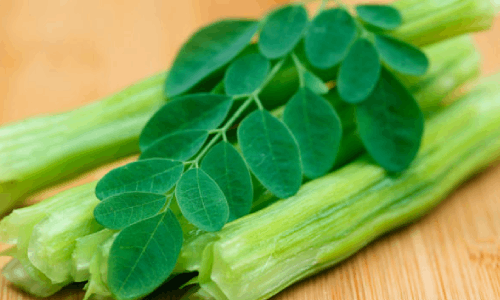
Embarking on the journey to conceive is an extraordinary and hopeful chapter in many people’s lives.  According to Ayurveda, there are, in fact, 4 essentials (Garbhasambhava Samagri) for conception.  Whether you are just starting or have been on this path for a while, understanding these essentials can make the journey smoother.    The essentials to Conceive   Ayurveda lists out few essentials that are necessary for conception.     Fertile period (Garbhasaya Ritu)  From the 14th to the 16th day of menstruation, after bleeding stops, this period is, in fact, called Ritu Kala.  This is fertile phase of your monthly cycle and is therefore, very crucial.  It is the right time for conception.  The uterus (Kshetra)  A healthy, disease-free uterus is ideal for conception; furthermore, the uterus is home for the growing embryo. If there is any disease of the uterus, treat it before conception.    Nourishment (Ambu)  When food digests, Rasa Dhathu is formed. Its main function is Preenana or nourishment.  A growing foetus, consequently, receives nourishment from the mother’s Rasa Dhathu.  Hence mother’s nutrition is extremely important.     The gametes (Beeja)  Beeja means seeds. Specifically, it denotes the sperm (Shukla) and, on the other hand, the ovum (Artava).  It is said that, ultimately, the quality of the seedling depends on, in fact, the quality of the seeds.  The best way to improve the quality of Beeja is by following a healthy lifestyle and diet.    Tips to boost sperm health    Here are 5 simple ways by which you can boost sperm health:     Keep your laptops away from your lap  Keep your phones away from your pocket  Include cooling foods in your diet  Strictly avoid incompatible foods  Reduce stress and exercise more    Best foods for sexual health   You can also try the following foods to improve your libido and sexual health:  Pomegranate  Barley soup  Dates  Black gram soup with ghee and rock sugar  Moringa    If you are finding it difficult to conceive, remember, in fact, Ayurveda has  the  answers you seek for infertility. You can consult an Ayurvedic doctor for guidance.     Furthermore, Ayurvedic treatment does not involve any painful procedures or strong medications.  It’s all about preparing your body by correcting the imbalances and administering Ayurvedic herbal combinations and formulations that enable natural conception.      Doctor Rekha is a 4th generation Ayurvedic Medicine Doctor (BAMS) and also one of the best ayurvedic doctor in trivandrum city, living in between Dubai and India who has patients from around the globe who believes that the wisdom of Ayurveda can help everyone lead a happy, heathy and disease-free life.   If you are struggling with any health issues, you can either book a consultation with us or send us a message via WhatsApp to +91 79074 89839. We have the best Ayurvedic doctors in Trivandrum who are always glad to help you. If you have any queries, contact us.  You can also visit us at our hospital.