

How to Snack Without Bloating: Light, Digestive‑Friendly Recipe

We all love a little snack time where we get to munch on salty and spicy treats that pair perfectly with tea and coffee.   But more often than not, this snacking leaves us feeling heavy, greasy, and unnecessarily bloated.   In Ayurveda, this heaviness leads to Aama, which builds up when food is hard to digest, eaten in excess, or poorly combined. Snacks are one of the primary culprits, especially if they are:   Deep‑fried in reused oil Made from refined flours Packed with excess salt and artificial flavours Eaten in large quantities between meals   Now, instead of cutting out snacks completely, there are other ways to shrink the damage and increase the benefit, so you can still enjoy them without dragging your digestion down.   Why Snacks Mess Up Your Digestion?   Many everyday snacks are made of refined flour (maida), which is hard to digest and tends to increase heaviness in the body, especially aggravating Kapha and Vata doshas.   When these snacks also contain excess salt and artificial preservatives, they can dry out the tissues, increase water retention, and disturb Pitta and Kapha. Deep‑frying in reused oil adds another problem, as it creates irritating compounds that strain the liver and gut.   On top of all that, eating snacks in large portions between meals overloads the digestive fire (Agni), leading to gas, bloating, sluggishness, and even occasional acidity.   When you eat these snacks frequently, you may notice:   A coated tongue Murmuring in the intestines after eating Feeling heavy even after a “small” snack Mild acid reflux or heartburn     How to Make Snacks “Lighter to Digest”     Digestive‑friendly snacking isn’t about cutting out treats; it’s about making them a little easier on your body. Start by choosing simpler flours like rice flour, besan, or whole wheat instead of refined maida.   Add warming, carminative spices like ajwain, black cumin, cumin, black pepper, or a pinch of hing to help reduce gas and bloating. At the same time, keep oil, salt, and portion size in check, use good quality oil or ghee, go easy on salt, and stick to a small handful instead of eating non‑stop.   Finally, snack at the right time of day, like mid‑morning or early afternoon, when your digestion is stronger, rather than late at night when your body wants to rest.   1. Lighter Flours, Lighter Belly   Instead of maida, consider: Rice flour: Gluten‑free, easy to digest, and naturally light. Besan (gram flour): Adds protein and structure, but still gentler than refined wheat. Small amounts of whole wheat: If tolerated, in freshly ground form.   Using these flours in homemade snacks reduces the “echo” of heaviness that often follows commercial snacks.   2. Spices That Help Digestion, Not Hinder It   Ayurveda is all about using spices to kindle the digestive fire (Agni). Key players:   Ajwain (carom seeds): Gas‑relieving, warming, and deeply comforting for the stomach. Black cumin (kala jeera): Supports digestion and respiratory health with a smoky, earthy flavour. Black pepper: Stimulates enzyme secretion and helps absorb other spices. Cumin, coriander, asafoetida (hing): Soothe the gut and reduce bloating.   3. Frying Wisely, Not Wildly   Frying itself isn’t the enemy, the way and how much matter.   Use fresh oil or ghee and avoid repeatedly re‑using it. Keep the temperature moderate so the snack cooks through without burning the outside. Cut pieces thin and small so they crisp up quickly and soak in less oil. Opt for small portions, a handful is enough, not a handful and then some.   Ghee, in particular, is valued in Ayurveda as a digestive‑supportive fat that carries the benefits of spices deeper into the tissues.   4. Timing Matters   In Ayurveda, the best time for snacks is:   Between late morning and early afternoon, when digestive fire is strongest. Or optional evening snacks, if you’re active and don’t eat them too close to dinner.   Heavy, fried snacks late at night invite sluggish digestion and disturbed sleep.     A Simple, Digestive‑Friendly Snack: Rice Flour Nimki     To put these principles into practice, here’s a simple, homemade nimki recipe that uses light flours and digestive spices. It’s crisp, savoury, and seasoned with ajwain, black cumin, black pepper, and chaat masala, so it actually helps your digestion instead of working against it.   Ingredients Rice flour – 22 cups (about 250 g) Besan (gram flour) – 1/21/2 cup (about 50 g) Water – 11 cup + 4 tablespoons, or as needed Himalayan pink salt – to taste Ghee – 11 tablespoon Oil – for frying Black pepper powder – 11 teaspoon Chaat masala – 11 teaspoon Black salt – 1/21/2 teaspoon Ajwain (carom seeds) – 11 teaspoon Black cumin (kala jeera) – 11 teaspoon     How to Make Rice Flour Nimki   1. Mix the Flour and Spices Sift the rice flour and besan together into a bowl. This ensures a smooth texture. Add ajwain and black cumin and mix well so the spices are evenly distributed.   2. Cook the Dough with Water and Ghee In a pan, combine 1 cup of water, 1 tablespoon of ghee, and a pinch of salt. Bring the water to a gentle boil. Reduce the heat to low and slowly add the flour mixture while stirring continuously. Keep stirring until it forms a thick, smooth mass. The aroma should be warm and toasty.   3. Steam and Then Knead Turn off the heat, cover the pan, and let the mixture steam for 2–3 minutes. Transfer it to a large bowl. Wait until it’s warm but comfortable to handle. Knead it into a dough, adding 3–4 tablespoons of water if needed. The dough should be smooth and firm, not sticky.   4. Roll and Cut Take a medium portion of dough and flatten it between your palms. Roll it into a thin roti (about 1/81/8 inch thick). Cut into small squares with a knife or cutter. You can also roll smaller discs and cut them into triangles if you like that shape.   5. Fry Until Golden and Crisp Heat ghee or oil in a deep pan over medium heat. Drop the nimki… Continue reading How to Snack Without Bloating: Light, Digestive‑Friendly Recipe
Ashtachurna – An Ayurvedic Recipe for Digestion

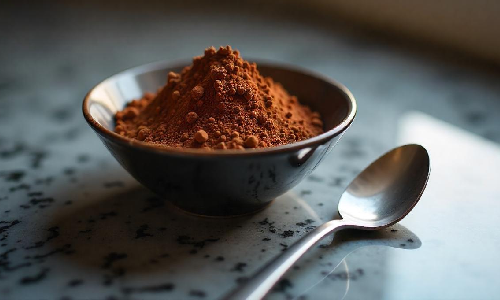
Have you been facing indigestion, bloating, or sluggish metabolism? Ashtachurna might be the solution to your problems.    For centuries, this Ayurvedic mix has been used to promote healthy digestion and aid in balancing the Dosha — or the body’s internal energies.    So, let us explore this traditional remedy discussing its benefits, constituents, and proper way to take it in your day-to-day life.   What is Ashtachurna?     ‘Ashta’ refers to eight and ‘Churna’ means a powdered mixture in Sanskrit. Ashta Churna is an Ayurvedic blend derived from eight highly effective spices to enhance digestion, detoxification, appetite, and even respiratory health.  All the ingredients of this mix have unique benefits. They help in balancing Tridosha (Vata, Pitta, and Kapha Dosha) and cure digestive disorders from bloating to constipation.      Ingredients in Ashtachurna and Their Benefits     Let’s take a peek into the ingredients that make Ashtachurna such a splendid and effective blend:     Dry Ginger Ayurveda considers dry ginger a superhero. It helps balance Vata Dosha, and is therefore, a great remedy for bloating.    Black pepper (Piper nigrum)   In Ayurveda, this spice is known as Maricha. It boosts metabolism and supports the absorption of nutrients in the body. Black Pepper is a great detoxifying agent; so it works well to balance Kapha and Vata Dosha too.     Long pepper (Pippali)   Apart from being a close relative of black pepper, Pippali is considered another wonder herb that has digestive and respiratory benefits. Not only does it help in clearing mucus, but also has benefits for digestive health and your respiratory system.     Cumin seeds (Cuminum cyminum)   Cumin seeds, or Jeeraka, as we call them in Ayurveda, enhance digestion and aid in reducing gas and bloating. They also promote healing enzymes, helping to digest and absorb nutrients more effectively.     Black cumin seeds   Black cumin seeds help in body detoxification, as well as digestion stimulation. They likewise have a moderate diuretic action, helping to remove toxins through urine.     Ajwain (Trachyspermum ammi)   Ajwain, also known as carom seeds, helps cure gas and indigestion. Their natural oils calm the stomach lining, making them ideal for balancing Vata and Kapha.     Asaofetida (Ferula asafoetida) Known as Hing in Ayurveda, Asafoetida is used as an instant cure for bloating and indigestion. The strong aroma and hot nature of this spice stimulate digestion, which is particularly useful for balancing the Vata Dosha.     Rock salt (Sendha Namak)   This salt balances the stomach acid levels in the body and supports digestive health. Unlike table salt, rock salt is unprocessed and, hence rich in all the natural minerals that help with digestion and metabolism.     Ashtachurna for Digestion     Here’s how Ashtachurna aids in improving your digestion and boosting your Agni (digestive fire):     Boosts appetite Ashtachurna is an Ayurvedic herbal powder that acts as a natural appetizer. Moreover, it can work wonders for those who suffer from a lack of appetite, whether it be children or adults. This mixture of spices awakens the digestive fire with gentle stimulation which is an expression of healthy metabolism and digestion.     Relieves indigestion and gas   This spice blend helps to alleviate indigestion and gas. It contains powerful ingredients such as Ginger, Ajwain and Asafoetida that provide instant relief from bloating and flatulence.     Aids in metabolism and weight loss   When consumed efficiently, it can show good results in controlling one’s weight as well. This prevents Ama or toxins from developing in the body, by optimizing the metabolism and the process of food breakdown.      Improves gut health   In Ayurvedic theory, a healthy gut is the basis of overall wellness. Ashtachurna helps balance Tridosha (as explained above) which in turn helps maintain an ideal digestive system where the digestion process is smooth, nutrients are absorbed well and waste is excreted regularly. Consistent use of Ashtachurna can, therefore, help reduce digestive discomfort and, in addition, support a healthier gut microbiome.    Detoxifies the body   Ingredients of Ashtachurna, especially black cumin and black pepper, support the natural detoxification process by promoting the excretion of waste and toxins from the gastrointestinal tract. If you are trying to flush your system, this is a perfect spice to add to your diet.     Respiratory health  What is even more interesting is that Ashtachurna does not stop at digestion alone. It is great for respiratory health due to ingredients such as long pepper and black pepper. They assist in removing extra mucus, which can alleviate cough and congestion symptoms, especially during cold months.   Ashtachurna Recipe    Ashtachurna is always a part of my travel kit.  Instead of buying  from a brand, you can easily make Ashtachurna at home!   This is a recipe from Ashtanga Hridayam, mentioned in the treatment of digestive disorders.   Ingredients:     Equal parts of Dry ginger Black pepper Long pepper Carom seeds Rock salt Cumin seeds Black cumin seeds Asafoetida   Method of preparation:   Gently pound and dry roast the ingredients separately, powder them, sieve and mix. The Ashtachurna is ready!     How to consume Astachurna?   You can consume Ashtachurna by adding a teaspoon of it in lukewarm water or buttermilk.   Another way to consume it is by adding a half to one teaspoon of the powder with a bowl of rice during lunch.       Side Effects of Ashtachurna    Ashtachurna is usually safe to use on a daily basis, but you have to use it in the right way.    For high Pitta people, it can aggravate irritation in the stomach lining if consumed in excess quantities.   Also, the powder should not be taken by pregnant women and anyone with an ulcer unless prescribed by a doctor.     Personal Insights and Tips   Ashtachurna is among the best go-to remedies for many digestive issues. Specifically, it works wonders on the digestive system;… Continue reading Ashtachurna – An Ayurvedic Recipe for Digestion

Three foods that should not be used in excess

Do you know in Ayurveda there are some foods that you should not consume in excess quantity as they can negatively affect your health? This is, in fact, mentioned in Caraka Samhita as “Trividha Varjya Dravya.   Trividha Atisevana Varjya Dravya means that, therefore, three substances should not be taken for a long time. The three substances are Pippali, Kshara and Lavanga. These foods, when used in excess, cause vitiation of all 3 Doshas. But what is the reason behind this? Let me explain one by one.   Pippali or long pepper   Long pepper is, in fact, one of the unique spices that, moreover, has medical benefits. It is used for treating asthma, cough, obesity, tuberculosis, rheumatoid arthritis, indigestion, spleen disorders etc. Despite having medicinal value, it is advisable to not consume it for a long time as it leads to the rise in Kapha. Long pepper is hot in nature and when ingested on a regular basis for a long time, it increases Pitta Dosha and reduces Vata balance. Overall it contributes to the rise of Tridosha. One should always take it, therefore, as per the instructions from your ayurvedic doctor.   Foods with Kshara properties like apple cider vinegar   Apple cider vinegar and all kinds of vinegar come under the category of ‘Kshara’ in Ayurveda.  The properties of Kshara as per Caraka Samhita include  Tikshna = Sharp Ushna Hot Laghu = Light Visoshana = Drying Kledayati = Blocks channels Dahana = Burning Bhedana = Penetrating   What happens when you use Kshara in excess? Bad for the eyes Bad for the hair Bad for the heart   An interesting quote from Caraka Samhita- “Ye hyenam grama nagara nigama janapada: satatamupayunjate te andhashandyakhalityapaalityabhajo hridayapakartinashcha bhavanti“ “People of villages, towns and cities where Kshara is used every day, suffer from blindness, impotency, baldness, grey hair and heart diseases!”   It is ok to have apple cider vinegar a little, as a medicine, if prescribed for a reason. However Ayurveda does not recommend everyday consumption.   Salt   It is one of the tastes every meal should have.    “Lunati iti lavanam“.    Salt has piercing properties; moreover, it helps with easy absorption. Additionally, it is hot, strong, and piercing, and furthermore, it improves digestion.  Salt taste dominates all the other tastes but overconsumption of salt is bad for the eyes, decreases the quality of blood and causes early ageing, baldness, graying and wrinkling. Salt should be minimal in your food if you have gastritis, hypertension, swelling in the body or high fever. Himalayan Pink Salt, in fact, is one of the best salts for everyday use. I advise my patients to use a mix of Himalayan Pink Salt and  normal sea salt to help with iodine needs as well!   If you are struggling with any health issues, you can either book a consultation with us or send us a message via WhatsApp to +91 79074 89839. We have the best Ayurvedic doctors in Trivandrum who are always glad to help you. If you have any queries, contact us.  You can also visit us at our hospital.