
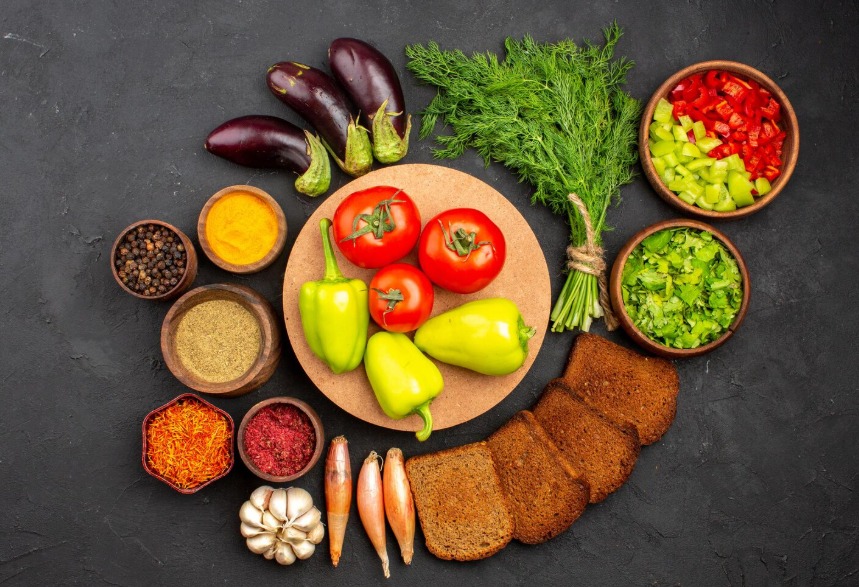
Viruddha Ahara in Ayurveda: Incompatible Foods and Their Effects

In Ayurveda, food is considered the foundation of health. It is not only meant to satisfy hunger but also to nourish the body, mind, and tissues. When food is chosen and consumed correctly, it supports digestion, strengthens immunity, and maintains balance in the body.   However, when food is taken in an improper manner, it can disturb digestion and gradually lead to disease. One such important concept explained is Viruddha Ahara in Ayurveda, which means incompatible or contradictory food.   The word “Viruddha” means opposite. Viruddha Ahara refers to food or food combinations that are opposite in nature to the body and its digestive process. Such food interrupts metabolism, weakens digestion, and prevents proper formation of body tissues.   Even foods that are healthy on their own can become harmful when consumed in the wrong combination, wrong quantity or wrong time. Regular consumption of such incompatible food is considered a major cause of metabolic and systemic disorders in Ayurveda.   Viruddha Ahara does not usually cause immediate illness. Instead, it works slowly by disturbing Agni and creating Ama, which is toxic, undigested material in the body.   Over time, this Ama blocks channels, vitiates the Doshas (Vata, Pitta, and Kapha), and weakens the tissues. This gradual imbalance eventually manifests as digestive problems, skin disorders, hormonal imbalance, mental disturbances, and chronic diseases.     Types of Viruddha Explained Simply     Desha Viruddha (Place / Environment Incompatibility)   Food should match the place you live in. Dry, spicy, alcoholic foods in hot, dry regions aggravate Vata and Pitta while cold, oily foods in marshy or humid places increase Kapha. Eating against the nature of your environment disturbs balance.     Kala Viruddha (Time & Season Incompatibility)   Each season has its own demands. Cold, dry foods in winter and extremely spicy and hot foods in summer, such choices strain digestion and doshas.     Agni Viruddha (Digestive Power Incompatibility)   Agni means digestive fire. Heavy food when digestion is weak and light food when digestion is strong both cause imbalance. Food must match your digestive capacity.     Matra Viruddha (Quantity Incompatibility)   Quantity matters as much as quality. Too much food Too little food Certain foods in equal quantities (like honey and ghee) Even healthy foods can become harmful in wrong proportions.     Satmya Viruddha (Habit Incompatibility)   Your body adapts to habits over time. If someone accustomed to spicy, hot food suddenly eats excessive cold and sweet food, digestion suffers.     Dosha Viruddha (Dosha-Specific Incompatibility)   Eating foods that increase the sameDosha already dominant in your body can cause imbalance. Example: Heavy, oily food for Kapha-dominant people Dry, cold food for Vata-dominant people   Samskara Viruddha (Processing Incompatibility)   It is incompatibility caused by improper processing or preparation of food. Certain methods of cooking or processing can convert food into a toxic substance. Examples include heating honey or preparing food using unsuitable materials or methods.     Virya Viruddha (Potency Incompatibility)   It occurs when substances with opposite potencies are consumed together. Combining hot-potency and cold-potency foods confuses digestion and creates imbalance in the body.     Koshtha Viruddha (Bowel Nature Incompatibility)   Koshtha Viruddha is related to bowel nature. Some people have hard bowels, while others have soft bowels. Food and medicines should be chosen accordingly. Ignoring bowel nature can lead to digestive disturbances.     Avastha Viruddha (Condition Incompatibility)   It refers to incompatibility related to the physical or mental state of the person. Consuming Vata-aggravating food after exhaustion or heavy exercise, or Kapha-aggravating food during lethargy and sleepiness, worsens Dosha imbalance.     Krama Viruddha (Order Incompatibility)   Occurs when the proper sequence of eating is not followed. Eating without hunger, eating before bowel and bladder are cleared, or eating when hunger is excessive disturbs digestion.     Parihara Viruddha and Upachara Viruddha (Treatment Incompatibility)   These are related to ignoring dietary restrictions during illness or treatment. Consuming foods that are prohibited for a particular disease or during treatment can interfere with recovery.     Paka Viruddha (Cooking Incompatibility)   It refers to incompatibility due to improper cooking. Food that is burnt, undercooked, overcooked, stale, or reheated becomes difficult to digest and harmful to health.     Samyoga Viruddha (Combination Incompatibility)   It is incompatibility due to wrong combinations. Certain combinations, such as sour substances with milk, produce harmful effects even though the individual items may be healthy.     Hridaya Viruddha (Mental Incompatibility)   Hridaya Viruddha is incompatibility related to the mind. Eating food that is unpleasant or disliked affects digestion because the mind and digestive system are closely connected.     Sampat Viruddha (Quality Incompatibility)   It refers to food that lacks proper quality, such as unripe, overripe, or impure substances.     Vidhi Viruddha (Eating Rules Violated)   Vidhi Viruddha occurs when the rules of eating are violated, such as eating without discipline, in an improper environment, or without mindfulness.     Effects of Consuming Viruddha Ahara   Digestive disorders (bloating, acidity, IBS) Skin diseases (eczema, vitiligo, herpes-like eruptions) Anemia and liver disorders Hormonal and reproductive problems Mental disturbances like anxiety and insanity Toxic buildup (Ama) Chronic inflammation Reduced immunity Even fatal outcomes in extreme cases   The concept of Viruddha Ahara highlights one of the most practical and insightful teachings of Ayurveda, that food is not universally beneficial just because it is nutritious.   The same food can act as medicine for one person and as poison for another, depending on how it is combined, prepared, consumed, and digested. Ayurveda reminds us that digestion is at the centre of health, and anything that disturbs it repeatedly will eventually disturb the entire system of the body.   Modern lifestyles unknowingly promote Viruddha Ahara. Irregular eating habits, fast food combinations, excessive use of refrigerated and reheated food, eating under stress, and ignoring seasonal needs all contribute to digestive imbalance.   Many people suffer from acidity, bloating, skin issues, allergies, fatigue, and hormonal problems without realizing that the root cause may lie… Continue reading Viruddha Ahara in Ayurveda: Incompatible Foods and Their Effects
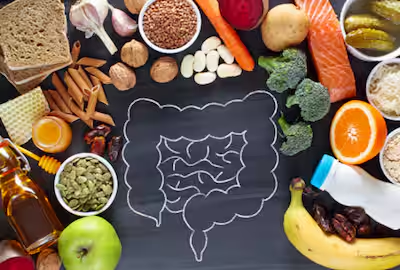

Gut Health – Unlocking the Power of Ayurvedic Foods for Digestion

From bloating and constipation to IBS and diarrhoea, poor digestive health has become a sign of modern times. A sedentary lifestyle, improper meal times, unhealthy food choices and mental stress are some of the modern-day contributors to poor gut health. It is alarming to note that nearly 40% of adults suffer from gut issues, ranging from heartburn and bloating to acid reflux and IBS (Irritable Bowel Syndrome). According to Ayurveda, poor gut health is the root cause of all diseases. So, neglecting these problems could lead to severe conditions like colon cancer.    The Reasons Your Gut Is Not Happy   Fatigue, IBS, constipation, bloating, diarrhoea, unintentional weight changes, etc. are all signs of poor gut health. If you see it from the Ayurvedic perspective, Then, it’s time for you to hurry up and consult a doctor. One of the main reasons for your gut health issues is lack of sleep. The role of good sleep in digestive health is, however, often overlooked.   Serotonin is produced in the gut; therefore, any imbalance can significantly affect its production. A weakened immune system can also lead to poor gut health. Your body is not capable of fighting diseases as it has not absorbed nutrients from the food. Another reason for digestive issues is excessive consumption of incompatible and processed foods.   The Gut-Mind Connection   The gut-mind connection has been scientifically proven. Unlike the popular adage ‘You are what you eat,’ Ayurveda believes that ‘you are what you digest’. Healthy digestion is vital to wellness.  In Ayurveda, gut health is derived from ‘Agni’ – the digestive fire. It not only has a bearing on your digestion process, but it also influences your emotions and thoughts. Most digestive problems arise due to an imbalance in Agni. This imbalance in turn affects the Doshas and accumulates Ama or toxins. The GI system and the central nervous system are deployed and connected. Food can trigger mood changes. Ayurveda says, “Rogah sarve api mande agnou,” meaning, a low Agni or poor gut health is the root cause of all diseases – be it physical or emotional. It means your gut and mind are connected. Following a regular daily routine or Dinacharya is intrinsic to wellness as per Ayurveda. This regularity also goes a long way in maintaining a healthy nervous and digestive system.  Furthermore, Ayurveda recommends mindful eating, which, in a way, means the mind and the gut are connected. Additionally, mindful eating is about involving all your senses as you eat.  It makes you aware of the quality and taste of the food and portion control. This nourishes the inner Agni, thereby ensuring balanced digestion.    Ayurvedic Ways to Keep Your Agni Balanced   Here are different ways to keep your Agni on balance: Follow a diet with foods that are simple, light and easy to digest. Be consistent with your mealtimes.  Avoid overeating. Avoid incompatible food combinations. Eat your dinner early. Have three meals every day. Maintain a gap of about 2 to 3 hours between your dinner and bedtime. Follow Dinacharya. Keep your body well hydrated. Avoid cold drinks and ice water as it dampens your Agni. Avoid processed and frozen foods. Have warm, freshly cooked foods instead.   Ayurvedic Remedies To Soothe Your Gut   Here are some Ayurvedic remedies that work best for your gut health: Consume black raisins to support digestive health. They relieve constipation and provide much-needed minerals and nutrients. Guduchi is an Ayurvedic herb that helps soothe gut inflammation. Consume it if you suffer constipation or poor appetite. Add licorice or Yashtimadhu to tea to soothe an acidic gut. Add cinnamon to tea or milk to promote better digestion. It acts as an antioxidant to eliminate oxidative compression in the gut. Use cardamom to reduce inflammation. Furthermore, it alleviates symptoms of indigestion, gas, and bloating. People have used cloves for their analgesic and anti-inflammatory properties. Triphala – a combination of Amla, Haritaki, and Bibhitaki can be consumed for better nutrient absorption and relief from constipation. Relieve nausea by drinking ginger tea. Add ginger while cooking to promote digestive health. Consume fennel to boost digestion. You can either chew fennel seeds after your meals. Alternatively, brew a fennel tea and have it. Carom seeds or ajwain is a wonderful carminative. It has antibacterial and anti-inflammatory properties to reduce bloating, gas, and digestive tract inflammation.  Use black pepper and long pepper in food or tea to enhance digestive power.   Practices For Better Digestive Health   Incorporate these practices into your daily life to improve your digestive health: Try meditation to reduce the stress and anxiety that is part of modern-day life. Not only will you have better gut health, but you will also experience a healthier mental and emotional state. Eat foods that align with your Prakriti (body type). This helps prevent Dosha imbalances. Eat seasonal food. This practice maintains energy balance. Local produce is best as it is fresh and has not travelled thousands of miles to get to your plate. Enjoy your food but keep your gut happy too. Have foods that are easy to digest and follow mindful eating. Keep yourself active. Follow an exercise regimen that suits your age, fitness levels, and overall condition. Daily walks can kindle the Agni and build your digestive capacity. Though the principles of Ayurveda date back several thousand years, they hold relevance even today. Ayurveda gives utmost importance to gut health as it has an impact on your overall health. So, have foods that are digestible, follow a daily routine and keep away from stress. If you need any help with your diet.   If you are struggling with any health issues, you can either book a consultation with us or send us a message via WhatsApp to +91 79074 89839. We have the best Ayurvedic doctors in Trivandrum who are always glad to help you. If you have any queries, contact us.  You can also visit us at our hospital.

What is Mindful Eating?

In the hustle and bustle of modern life, the simple act of eating has become a mindless routine for many of us. We often grab a quick bite on the go, scarcely pausing to savour the flavors or consider the nutritional value of what we consume. However, Ayurveda recognizes food as not only nourishment for the body but also for healing and hence, emphasises on mindful eating, As an Ayurvedic doctor, 80% of my treatment involves food as medicine. The diet plan I make for each of my patients is not just about how it aligns with their Prakriti, Dosha dominance and health conditions. It is also about mindfulness. Mindful eating requires you to think about the food you consume and make healthy decisions based on what your body needs and how fulfilled you feel after eating. People need to be more mindful of their dietary choices, as over 50 % of the global population is overweight.  In this blog, we delve into the art of mindful eating with Ayurveda, exploring how it can lead to healthier eating habits, improved gut health, and enhanced digestion.   Understanding  Mindful  Eating  with  Ayurveda   Central to Ayurvedic philosophy is the belief that the mind, body and spirit are interconnected. Therefore, maintaining balance among these elements is essential for overall well-being. Mindful eating is an integral aspect of Ayurveda. It emphasises the importance of being present and fully engaged in the process of nourishing oneself.  Ayurveda and mindful eating underscore the importance of savouring food for overall mental and digestive well-being. According to Ayurveda, food is essential for nourishing the holistic well-being of the mind, body and spirit, not just for mere survival. Being consciously aware of what you consume and relishing the flavours and scents of your meal is essential to mindful eating.    Healthy Eating Habits: The Ayurvedic Perspective   According to Ayurveda, aligning our diet with our Prakriti is key to maintaining balance and promoting optimal health. For instance, those with a predominant Vata constitution may benefit from warm, grounding foods that help to alleviate Vata’s cold and airy qualities. Pitta types, on the other hand, may thrive on cooling, hydrating foods that balance Pitta’s fiery nature. Kapha individuals may find support in lighter, stimulating foods to counterbalance Kapha’s heavy and stagnant tendencies. By understanding our constitution and selecting foods that harmonise with it, we can cultivate healthier eating habits that promote balance and vitality.   Ayurvedic Food for Gut Health   In Ayurveda, the digestive fire or Agni is considered the cornerstone of health. Your Agni should be balanced for efficient digestion and assimilation of nutrients. A low Agni or poor gut health is the root cause of all diseases. It can lead to digestive discomfort, nutrient deficiencies and the accumulation of toxins (Ama) in the body. An Ayurvedic diet, therefore, offers a treasure trove of foods and spices that, in turn, support digestive health.  Warm, cooked foods are generally preferred over raw or cold foods. They are easier to digest and help stoke the digestive fire. Incorporating spices such as ginger, cumin, coriander, and turmeric can further enhance digestion and reduce digestive woes. Additionally, Ayurveda emphasises the importance of mindful eating practices, such as chewing food thoroughly, eating in a calm and relaxed environment, and avoiding distractions while eating. These simple yet profound practices can help improve gut health and optimise digestion.   The Role of Mindfulness in Digestion   In today’s fast-paced world, many of us eat on autopilot, scarcely registering the tastes, textures, and aromas of our meals. However, Ayurveda teaches us that digestion begins the moment food enters our mouths, as the act of chewing stimulates the release of digestive enzymes and prepares the body for assimilation. Mindful eating encourages us to slow down and savour each bite, paying attention to the sensory experience of eating. By cultivating mindfulness at the table, we can enhance our body’s ability to digest and metabolise nutrients effectively. And the best part is you have control over your food portions that you consume.   Practical Tips for Mindful Eating with Ayurveda   Begin each meal with a moment of gratitude, acknowledging the sources of your food and the efforts that went into its preparation. Take a few deep breaths before eating to centre yourself and shift into a state of relaxation. Chew each mouthful thoroughly, aiming for at least 20-30 chews per bite to aid digestion. Eat in a calm, distraction-free environment, free from electronic devices or other distractions. Listen to your body’s hunger and satiety cues, eating until you feel comfortably satisfied rather than overly full.   Cultivating Awareness of Food Effects   According to Ayurveda, the food we ingest plays a significant role in influencing our mind and body. Understanding the potential effects of different foods on your health is essential. Mindful eating involves being fully aware of how the food you consume impacts your body’s energy levels, emotional state, and overall well-being. Understanding the impact of various foods on your body can help you make informed decisions about your diet. This, in turn, can assist in maintaining equilibrium between your body and mind; consequently, it increases energy levels.  It also aligns with the principles of Ayurveda, which emphasise individualised nutrition and holistic well-being.   Practising Gratitude and Connection   Ayurveda and mindful eating promote acknowledging and appreciating the nourishment food provides and maintaining a connection to it for vitality and wellness. Feeling appreciative of the food we possess and recognizing our interconnectedness fosters reverence and appreciation for nature’s blessings. Practising healthy eating habits involves being conscious and respectful of the food we consume, as well as participating in meal preparation and sharing meals with others. This improves our sense of being linked and content.   Conclusion   In a world filled with fad diets and conflicting nutritional advice, Ayurveda offers a refreshing perspective on food and eating. By embracing mindful eating practices, we can cultivate healthier eating habits, improve gut health, and enhance digestion. Let… Continue reading What is Mindful Eating?