
Fix Leucorrhea Naturally: Agni, Stress & Root Cause Relief

Are you dealing with excessive white discharge, a foul smell, occasional itching, and yellowish-green hues in your vaginal discharge?   If you have a Vata prakriti and dry skin, external remedies like creams or washes might offer temporary relief but they won’t touch the root cause. In Ayurveda, leucorrhea (known as Shweta Pradara) signals deeper imbalances, especially in Vata-dominant women. No matter how many over-the-counter treatments you try, true healing starts inside.   Imagine finally breaking free from this cycle: no more discomfort, no more embarrassment, just balanced energy and confidence.   This comprehensive guide dives into the two primary root causes, undernourishment from Vishama Agni and unmanaged stress and shares actionable steps for lasting recovery.   Drawing from ancient Ayurvedic wisdom, we’ll cover symptoms, why Vata makes you prone, dietary resets, stress-busting practices, and simple home remedies. Let’s reclaim your vitality.     Understanding Leucorrhea in Vata Prakriti: Why It Persists     Leucorrhea isn’t just “normal”, it’s your body’s SOS for internal harmony. For women with Vata prakriti (airy, mobile energy type), symptoms hit harder due to dry, irregular qualities. Vata governs movement, so when imbalanced, it disrupts Apana Vayu (downward energy), leading to excessive, abnormal discharge.     Common Symptoms and Vata Connection     If you notice these, it’s time to act:     Excessive white or thick discharge: Vata’s dryness pushes the body to overproduce mucus as compensation. Foul smell: Indicates toxin buildup (Ama) from poor digestion. Itching or irritation: Dryness aggravates sensitive tissues. Yellowish-green color: Signals infection or Pitta involvement secondary to Vata imbalance. Dry skin elsewhere: A hallmark of Vata aggravation, worsening vaginal dryness.   Vata women often feel scattered like cold hands, anxiety, irregular cycles which amplifies the issue. External fixes fail because they ignore Apana Vayu stagnation and Agni (digestive fire) weakness. Ayurveda teaches: Treat the dosha, heal the source.     Root Cause 1: Undernourishment from Vishama Agni   You’re eating, but is your body absorbing? Vishama Agni or irregular digestion is the silent saboteur in Vata types. Foods enter, but erratic Agni creates Ama (toxins), which clog channels and manifest as leucorrhea.     What Triggers Vishama Agni?   Skipping meals or eating on the go (Vata’s erratic nature). Cold, dry, raw foods that extinguish fire. Overstimulation from caffeine, screens, or multitasking.   Result? Nutrients don’t nourish reproductive tissues (Artava Dhatu), leading to weakness and discharge.   Your Simple Agni Reset: A 1-2 Month Protocol   Reset with nourishing, Vata-pacifying foods. Focus on what leaves you light, comfortable, and bloat-free. Track a food journal for 3 days first.   Foods to Strictly Avoid     Raw salads, cold drinks, popcorn (dry/cold). Beans (except mung), caffeine, processed snacks. Excessive salads or salads—opt for cooked.   Pro Tip: Eat in a calm environment, chew slowly, and sip warm water with cumin. After 2 weeks, notice reduced discharge and better skin hydration. Consistency rebuilds Agni, clearing Ama for good.     Root Cause 2: Unmanaged Stress and Vata Overload     Life throws curveballs like work deadlines, family pressures but Vata minds amplify them into anxiety storms. Stress scatters Prana Vayu, weakens Apana, and tanks Agni further. Unmanaged, it perpetuates leucorrhea.     How Stress Fuels Leucorrhea     Chronic worry raises cortisol (modern Vata Vikriti), drying fluids and inviting infections. Vata women feel it as restlessness, insomnia, and emotional swings directly impacting pelvic health.     Daily Practices for Mind-Body Balance     Carve idle space daily. Start small: 10 minutes builds momentum.   Meditation (5-10 mins daily): Sit quietly, focus on breath. Try Nadi Shodhana (alternate nostril breathing) to balance Vata. Yoga for Apana Vayu: Child’s Pose (Balasana): 5 breaths, releases pelvic tension. Butterfly Pose (Baddha Konasana): Grounds Vata. Legs-Up-The-Wall (Viparita Karani): Improves circulation. Breathwork: Bhramari (humming bee breath)—calms mind, reduces itching. Physical Activity: Brisk walks in nature or gentle dance. Avoid intense cardio. Abhyanga (Oil Massage): Warm sesame oil daily on body, especially abdomen. Lubricates dryness.   These restore Sattva (clarity), easing stress’s grip on your symptoms.     Supportive Remedy: Triphala Feminine Wash for Itching Relief   When itching flares, soothe externally without chemicals. Triphala, a tridoshic powerhouse, detoxifies, balances pH, and fights odor.     How to Prepare and Use Boil 1 tsp triphala powder in 4 cups water for 10 mins. Cool to lukewarm (never hot). Strain; use as a gentle external wash 1-2x daily. Pat dry; follow with coconut oil if dry.   Caution: Internal use only under guidance. This complements, doesn’t replace, root fixes.     Lifestyle Tweaks for Vata Harmony and Faster Healing   Beyond diet and stress:   Hydration: 8-10 glasses warm water + herbal teas (fennel, licorice). Sleep: 10 PM-6 AM; blackout room. Clothing: Cotton undies; avoid synthetics. Hygiene: Bidet or water wipe; no douches.   Track progress weekly: Less discharge? Better digestion? Adjust as needed.   When to Seek Professional Guidance   These basics empower self-healing, but persistent symptoms warrant expert eyes. Vata leucorrhea can link to cysts or dosha blocks needing Panchakarma.   For personalized consultations, Agni Awakening Program, courses, or products WhatsApp +91 99011 26331.     Final Thoughts: Your Path to Leucorrhea-Free Vitality     Leucorrhea in Vata prakriti thrives on neglect but fades with Agni reset and stress mastery. Commit to 1-2 months: warm foods, daily calm, Triphala support. You’ll feel lighter, smell fresher, and reclaim pelvic peace.   Healing is holistic, nourish body, mind, spirit. Start today; your future self thanks you.
Ayurvedic View of Dry Itchy and Flaky Skin, Causes and Care

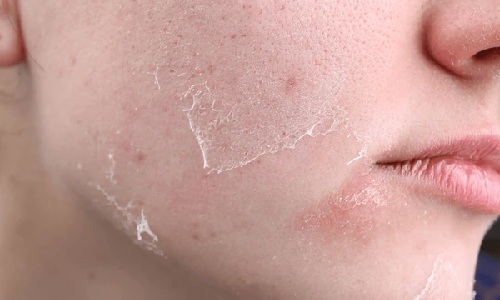
  In Ayurveda, dryness, itching, and flaking of the skin are not treated as random problems but as clear signals of an internal imbalance in the body. The way Ayurveda reads these symptoms is quite different from the usual cosmetic cream approach you see today.   Instead of just layering moisturizers, Ayurveda digs into your digestion, doshas, lifestyle, and even your emotional state to understand why the skin has become dry, itchy, or flaky in the first place.     How Ayurveda sees the skin     The skin is called Twak Dhatu and is deeply connected to the Rasa Dhatu, which is the first tissue formed after digestion. In simple terms, the quality of your blood and fluids directly reflects on the quality of your skin.   If the Rasa Dhatu is well nourished and clean, the skin stays soft, smooth, and hydrated. If the nutrition is poor, or if there is congestion and toxins in the channels that carry this nutrition, the skin becomes dry, rough, and prone to itching and flaking.   Ayurveda also explains that the skin is one of the main seats of Vata dosha, which means any imbalance in Vata will show up clearly on the skin in the form of dryness, tightness, and rough texture.     Why the skin feels dry     From an Ayurvedic angle, dry skin is usually linked to excess Vata. Vata is the dosha of air and ether, and its qualities are dry, cold, light, rough, and mobile. When Vata becomes aggravated, these qualities spread through the body, depleting moisture from the skin and tissues.   Common triggers Ayurveda points to include:   Very dry or cold weather Too many dry, light, raw, or cold foods Excessive travel, overwork, stress, or lack of rest Poor digestion leading to weak Agni and formation of ama   All of these either increase Vata or reduce the body’s capacity to nourish the skin, so the skin feels tight, rough, and lacks its natural glow.   In some cases, dryness may also be linked to low kapha. Kapha represents structure, lubrication, and moisture in the body. When this supportive fluid layer is depleted, the skin loses its softness and resilience.     What Ayurveda says about itching     In Ayurveda, itching is called Kandu and is usually a message from a deeper imbalance rather than a problem isolated to the surface of the skin. Itching can be classified based on the dosha involved: Vata type itching: This type comes with dry, rough skin, sometimes with flaking or fine cracks. The itch is often sharp, prickly, or moving, and may worsen when the skin is very dry or cold. It is closely linked to poor nutrition, dehydration, tiredness, and nervous stress. Kapha type itching: Here the skin may feel heavy, slightly swollen, or damp. You might notice more oozing, crusting, or thick scaling in addition to itching. This kind of itching is often tied to sluggish digestion, excess mucus, and weight gain. Pitta type itching: The skin feels warm, red, or burning, and the itching can be intense, sometimes with burning or stinging. This pattern is common in inflammatory or allergic skin reactions, or when the body is running hot due to heat, spicy food, or emotional anger and stress.   Very often, two or all three doshas can combine, so someone may have dryness, burning, or oozing all at once. This is why a one cream fits all solution rarely works in the long term.     Why the skin starts flaking and peeling   Flaking and peeling are the body’s attempt to shed excess dry, dead cells, especially when the skin is not being properly nourished from within. Ayurveda explains this as:   Twakgata Vata – Vata that has become localized in the skin, causing dryness, roughness, and cracking. Depletion of Rasa Dhatu – when the fluid and plasma layer is thin, the skin loses its suppleness and starts to scale. Blockage of channels – when the channels that carry nutrition and fluids are congested with ama, the skin does not receive proper fuel and begins to dry out and flake.   Conditions like ichthyosis, severe eczema, or chronic dry skin are often described in Ayurveda as forms of Vata predominant Kushta, where dryness, flaking, and tightness are prominent features.     Root causes that Ayurveda looks for     Rather than focusing only on the visible symptoms, Ayurveda asks questions like:   Is the digestion weak, with bloating, gas, or irregular bowel movements Is the person eating too many drying foods (lots of raw salads, dry fruits without balance, caffeine, cold drinks) Is there a lot of stress, fear, or sleeplessness keeping vata high Are there systemic conditions such as diabetes, thyroid issues, or anemia that can mirror as dry, itchy skin   In Ayurvedic terms, the key factors are:   Agnimandhya – weak digestive fire Ama – accumulation of toxins Sroto dushti – blockage of channels Vega dharana – suppressing natural urges like urination, defecation, or sweating   All of these can disturb the internal environment and show up on the skin as dryness, itching, or flaking.     How Ayurveda guides treatment     Ayurvedic treatment for dryness, itching, and flaking is usually stepwise and individualized. A basic outline that you can simplify for readers:   Balance the dosha For vata dominant dry, itchy, flaky skin: use warm, nourishing, moistening approaches. For pitta dominant burning, itchy skin: cool, soothing, anti inflammatory methods are chosen. For kapha dominant damp, heavy, crusted itching: light, drying, and detoxifying measures are preferred.   Support digestion and reduce ama Simple tips for patients: Eat warm, cooked, easily digestible foods. Avoid heavy, fried, or excessively sweet and sour foods if itching is pronounced. Encourage small, regular meals and mindful eating.   When ama is stubborn and itching is chronic, an Ayurvedic practitioner may consider Panchakarma procedures like Vamana or Virechana, depending on the patient’s constitution and disease pattern.   Hydrate from… Continue reading Ayurvedic View of Dry Itchy and Flaky Skin, Causes and Care

Ayurvedic Tips for Dry Skin

Having dry skin is often a nightmare. Your skin loses its shine and vigour and sometimes, no remedy seems to work! But here’s the thing – Ayurveda has a treasure trove of solutions to help you bid goodbye to dry skin for good.    Why Does Your Skin Turn Dry?   Before we jump into remedies, let’s understand why your skin turns dry.  Most dry skin diseases are chronic and fall under the category of Kushta. According to Ayurveda, the primary imbalance causing dryness is the Vata Dosha, which governs movement and dryness in the body.  When Vata is aggravated, it sucks the moisture right out of your skin. Add to this cold weather during winters, harsh soaps and dehydration, and you end up with flaky, itchy skin. However, if it is associated with itching, it could be a result of Kapha imbalance. And if it is associated with redness, it is a result of Pitta imbalance.   Another reason for dry skin that Ayurveda can’t let you ignore is your gut health. According to Ayurveda, poor gut health is the main cause of all diseases and that includes dry skin.    Natural Remedies for Dry Skin   The principal treatment for dry skin is nourishment. Here are some remedies that can help:   Ayurvedic oil massage for dry skin   The first and most effective remedy for dry skin is Abhyanga or self-massage with oil. The best oil that you can use for dry skin is organic black sesame oil. It is deeply nourishing and helps to lock in moisture.  Avoid using coconut oil as it is drying in nature. If you still doubt, apply coconut oil to your skin and you’ll see that your skin is more dry the next day. You can do Abhyanga within the comforts of your home.        Gut Health for Good Skin   According to Ayurveda, external moisturizers only provide temporary relief, often leaving your skin drier in the long run. Instead, to truly hydrate and nourish your skin, you need to treat your gut and balance your Dosha from within.  Vata, the primary cause of dry skin, is located in the large intestine in our body.  Ayurveda also says that the large intestine is linked to our brain. So if you have a Vata mind getting so many thoughts, it will also result in constipation and hence more dryness. So, the best thing you can do here is to avoid constipation. Make sure to have daily bowel movements to keep your gut healthy. If you feel constipated, work on your gut first before switching to any skincare method. Or, else it will not work! Also, consult a qualified Ayurvedic doctor to keep your Doshas and gut health in balance.   Ayurvedic moisturizer for dry skin   Shata Dhouta Ghrita (SDG) or ghee cream is the ultimate moisturizer you need, especially during winters. It is made by washing pure cow’s ghee a hundred times with water. SDG penetrates deep into the skin layers, soothing dryness, reducing inflammation, and leaving your skin soft and radiant. Whether it’s for dry patches, sensitive skin, or even fine lines, this age-old remedy works wonders.  The good news is you can make this cream at home using only two ingredients- pure cow ghee and water.       Ayurvedic Tips for Soft and Supple Skin   Here are some bonus tips to keep your skin nourished and healthy:    Have warm showers: Avoid hot showers. They strip your skin of natural oils. Add a few drops of sesame oil to the warm water and take a bath.  Avoid harsh cleansers: Avoid harsh soaps and switch to herbal powders to wash off excess oil on your body while showering. Moisturize damp skin: Apply oil on your body when your skin is slightly damp to lock in moisture. Oils nourish your skin more effectively than any cream-based moisturizer. Humidify your home: Use a humidifier to combat dryness in the air. Homemade face packs: If you have extreme dryness on your face, you can also use homemade face packs with avocado, honey, banana and turmeric.    Ayurvedic Medicines for Dryness   There are two medicines that I prescribe to my patients dealing with dry skin. All medicines I prescribe are individualized. It means that these are based on the patient’s Prakriti, Doshas, and other health concerns.  Both of these are in ghee form. When you consume any medicine in ghee form, make sure that your digestion is proper. Once your digestive fire is at the optimum level, you are ready to consume the ghee-based medicines.    Here are these two medications:   Mahathikthakam Ghritam Panchatiktam Ghritam   If you have good digestion and do not have any digestive disorders like gas, bloating, heartburn, constipation, and loose motions, you can consume these after dinner followed by a warm glass of water.  If you have digestive issues or a Kapha-aggravated body with diabetes, PCOS, obesity, fibroids, etc; the ghee may be heavy for you.  So, It is important to consult an Ayurvedic doctor to fix these conditions before you start with these medications.  So, are you ready to give Ayurveda a shot?   If you are struggling with any health issues, you can either book a consultation with us or send us a message via WhatsApp to +91 79074 89839. We have the best Ayurvedic doctors in Trivandrum who are always glad to help you. If you have any queries, contact us.  You can also visit us at our hospital.

Winter Wellness with Ayurveda

Winter is a magical season –  a time when nature slows down, inviting us to rest and rejuvenate. It’s also a season that challenges our body, especially our skin and digestion, due to the cold and dry weather.  Ayurveda offers a treasure trove of remedies and practices to help us stay healthy, balanced and radiant during the colder months. In this blog, we’ll explore practical Ayurvedic tips for winter wellness.     Ayurvedic Approach to Skin Health in Winter     During winter, Vata and Kapha are aggravated and cause dry skin. According to Ayurveda, all chronic dryness-related issues fall under Kushta (skin disorders). Vata imbalance: Causes dryness. Kapha imbalance: Leads to itching. Rakta (blood) imbalance: Causes redness and irritation. However, the primary imbalance is always Vata in all kinds of dryness issues and the only treatment for this is nourishment both from inside and outside.   Dry Skin vs Gut Health: The Connection   Dry skin isn’t just about harsh weather but also an internal imbalance. According to Ayurveda, poor gut health is a major culprit for dry skin. Here are some solutions: Keep your bowels regular: Vata resides in the large intestine. Irregular bowel movements can worsen Vata imbalance, leading to dryness. Constipation, often triggered by overthinking and stress, is a common culprit. Calm your mind: Since the gut and brain are closely linked, grounding practices like yoga and mindfulness can help. Timing for fruits: Eat fruits during the warmer hours of the day (11 a.m. to 5 p.m.) to aid digestion. Good fats and spices:                                                                                                          Incorporate good fats into your diet, like ghee, nuts, and seeds, to keep your skin and body lubricated. Also add warming spices like ginger and cinnamon to boost your digestive fire.   Are Hydrating Creams Helpful?   Do the so-called hydrating creams with hyaluronic acid and many other fancy ingredients that burn a hole in your pocket really hydrate? The answer is a big no! Think about how your skin feels after swimming or showering – it’s often drier than before. Why? Because water is drying.  Water doesn’t moisturize; rather, it depletes natural oils from your skin. Water-based products, though marketed as hydrating, can actually dry your skin. The opposite of dryness is oiliness, not wetness. So, the best way to keep your skin hydrated is by applying oil.  The best oil for combating dryness is organic black sesame oil. Now you might be arguing – Why not coconut oil? Many modern doctors advise using coconut oil on the body but trust me it will dry you out further.  Unlike coconut oil, which is naturally drying, black sesame oil deeply nourishes and balances Vata Dosha – the primary culprit for dryness. But external oiling is just one part of the equation. Internal hydration is even more critical. While topical treatments might provide temporary relief, true hydration begins from within.    The Magic of Shat Dhaut Ghrita (SDG)   Shat Dhaut Ghrita means “100 times washed ghee.” This Ayurvedic remedy transforms ghee into a silky, neutral-pH cream that penetrates deeply into the skin. You may be wondering why I recommend using a hundred times washed ghee for skin conditions. Why not use plain cow ghee?  To understand this, first, let me explain the process of Samskara to you. So, when you convert one substance into another, it is called Samskara in Ayurveda.  When we do Samskara of ghee by washing it 100 times, the particle size of ghee is also reduced. Hence, something that was granular, thick and heavy is now changed to smooth, silky and easily penetrable into the skin. Now your skin is able to absorb this ghee much more easily and quickly.  SDG makes your skin properly nourished because of the active particles going deeper into the skin.  SDG is the ultimate moisturizer for winter skin care. It is great for chapped lips, cracked feet, sunburn and household burns.  The best part is you can easily make SDG at home.    Use SDG after showering for the ultimate winter skincare experience.   Don’t Diet in Winter!   As soon as holidays get over and the new year begins, everyone makes resolutions to lose weight. However, Ayurveda says that winter isn’t the time for restrictive dieting.    Your digestive fire is strongest in winter During winter, the outside environment is cold. So your body produces more heat to keep it warm internally. This process is similar to homeostasis which ignites your Agni (digestive fire), allowing you to digest heavier foods.  During winters, you automatically feel a craving for rich, creamy and spicy food. This is your body’s internal mechanism or intelligence telling you to eat all these because the body is craving for it.  There is no harm in eating the heavy stuff made with Urad dal and wheat during this time which are contraindicated during the other seasons.  However, portion control is key – always leave some room in your stomach to avoid overwhelming your digestion. Build immunity and strength Winter is ideal for physical activity, strength training and sex. This is also the best time to enhance stamina and immunity for the year ahead.  In summer, the heat weakens Agni and reduces the body’s strength. Foods consumed in winter help sustain the body’s energy and immunity during this time.   Nourishment Through Diet   Your diet is the cornerstone of winter wellness. Ayurveda emphasizes eating warming, nourishing foods to balance Vata and support digestion. Here are some diet tips for winter: Start your day with ojas tea This tea, enriched with licorice, nourishes all seven Dhatus (tissues) and boosts vitality. Sip warm water and herbal teas Boil water with dry ginger and sip it throughout the… Continue reading Winter Wellness with Ayurveda

Eyes Tired and Dry? Top Remedies to Rejuvenate !

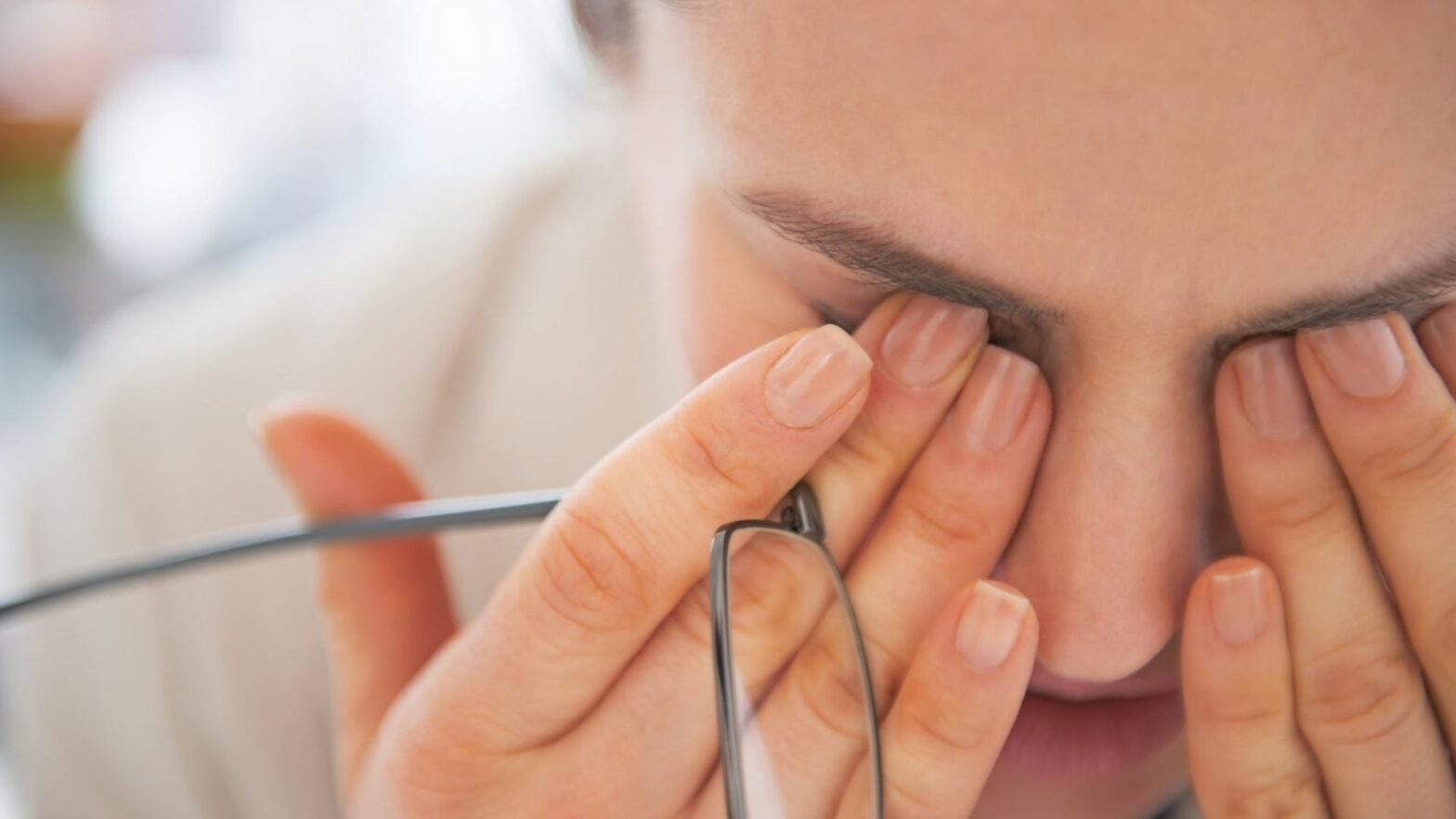
Do  you  have  tired  or  dry  eyes?     Dry eyes is a condition where you aren’t producing enough tears, consequently, this can lead to discomfort and irritation. It feels uncomfortable. If you’ve dry eyes, it may burn or sting.   Blinking is a natural psychological process that our bodies use to lubricate the eyes. We frequently forget to blink when we look at a computer screen or a phone for an extended period of time. So, because blinking is the natural process of lubricating, consciously blink while using the laptop or the mobile to ensure the eyes are well lubricated, to prevent them from dying out and to prevent the tiredness. It may not be the only reason, it occurs while riding a bike , travelling on an aeroplane, etc.   Symptoms A scratchy / burning sensation Difficulty wit riding/ driving. Redeye Watery eyes A feelings of something inside eye   Doctor Rekha is a 4th generation Ayurvedic Medicine Doctor (BAMS) living in between Dubai and India who has patients from around the globe who believes that the wisdom of Ayurveda can help everyone lead a happy, heathy and disease-free life. If you are struggling with any health issues, you can either book a consultation with us or send us a message via WhatsApp to +91 79074 89839. We have the best Ayurvedic doctors in Trivandrum who are always glad to help you. If you have any queries, contact us.  You can also visit us at our hospital.You can also follow me on Instagram.