Ayurveda and Menstrual Pain: Understanding Cramps, Clots and Mood Changes

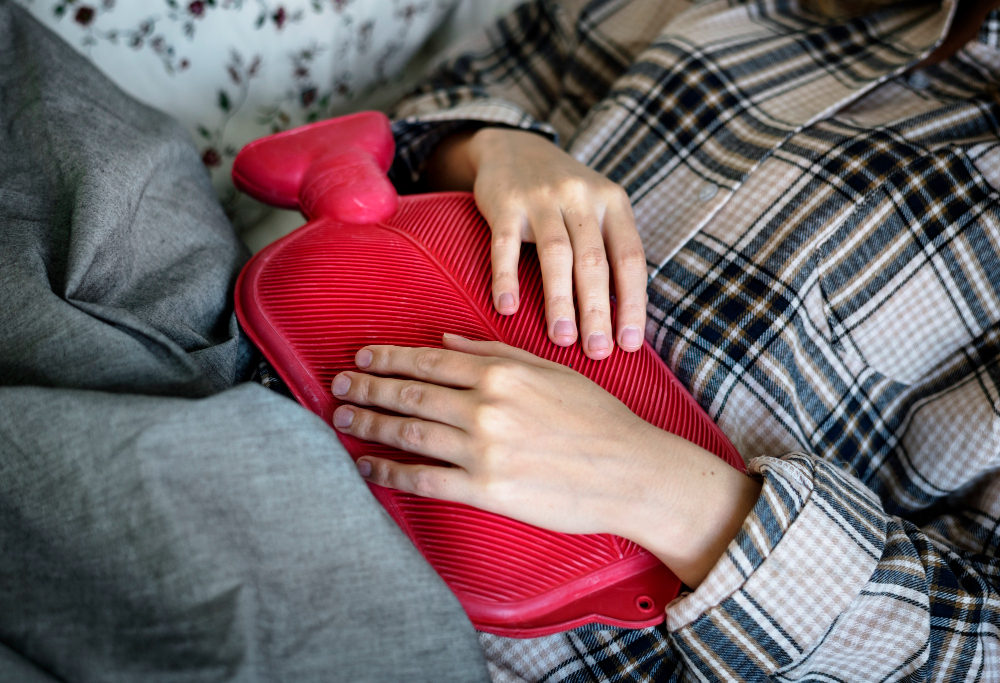
Menstrual pain, clots, and mood changes are very common, but they are not something every woman has to quietly suffer through. From an Ayurvedic perspective, these are signs that the body’s natural balance needs support. Ayurveda sees periods not as a “problem,” but as a reflection of how well digestion, hormones, and daily lifestyle are working.   Many women know the routine every month: lower‑abdomen cramps, passing clots, feeling bloated, tired, or suddenly emotional. In Ayurveda, these are not “just part of being a woman.” They are signals from the body that Vata and Pitta doshas are imbalanced, digestion is weak, and the reproductive system is under stress.   Instead of treating each symptom alone, Ayurveda looks at the whole picture: food, sleep, stress, emotions, and daily habits, and then offers gentle, natural ways to bring balance back.   Why Do Period Cramps Happen?   In Ayurveda, menstruation is seen as a natural downward movement controlled by an energy called Apana Vata. This energy helps the menstrual blood flow out smoothly.   When life is too fast, too stressful, or too cold for the body, this Apana Vata gets disturbed. The result is tightening, spasms, and cramping in the lower abdomen, back, and sometimes thighs.   Cramps usually start a few hours before the period or right when bleeding begins. They may come and go in waves and can be mild or very strong. Ayurveda views this as a sign that the body needs more warmth, rest, and calm routines, not just painkillers.   Are Clots and Heavy Bleeding Normal?   Passing small clots with your period is usually normal, especially if the bleeding is not too heavy and your cycle is otherwise regular. But large clots, very heavy bleeding, or periods lasting more than 7–8 days are signs that the body is out of balance.   Ayurveda links heavy, dark, or clotty flow mainly to Pitta dosha and disturbed Rakta dhatu (blood tissue). When Pitta is high, the blood can become hot, fast, and heavy, which leads to more bleeding and clots.   On the other hand, if the flow is very light, patchy, or very irregular, it is often linked to Vata imbalance, where the flow is weak and unsteady.   The goal in Ayurveda is to balance the doshas, support healthy digestion, and strengthen the reproductive tissues so that periods become regular, comfortable, and not painful.   Mood Swings, Anxiety and PMS   Many women feel more emotional, anxious, or easily irritated a week or two before their period. Ayurveda connects this to Vata and Pitta going out of balance in the mind and body.   Vata, which controls the nervous system, makes the mind restless and sensitive. Pitta adds intensity and sharpness to emotions. Together, they can create:   Feeling suddenly upset or tearful Feeling angry over small things Fear, anxiety, or racing thoughts   Stress, lack of sleep, and irregular eating make this worse. When the digestive fire (Agni) is weak, the body cannot digest food properly and also cannot handle stress and emotions, which leads to stronger PMS symptoms.   Simple Diet Changes During Your Period   During menstruation, the body is already delicate, so Ayurveda suggests eating light, warm, and easy‑to‑digest foods.   Here are some simple tips: Eat warm cooked meals like khichdi, vegetable soups, rice, and soft lentils. Sip warm water with ginger, fennel, or cumin to ease cramps. Avoid cold drinks, ice cream, raw salads, and too much fried food, as they increase Vata and pain. Have a light dinner early so the body can rest instead of digesting heavy food at night.   On bleeding days, it helps to avoid heavy exercise, intense workouts, and long travel and instead focus on rest, warmth, and gentle movement.   Lifestyle and Daily Habits for Better Periods   Your daily routine has a big impact on your periods. Ayurveda calls this Dinacharya (daily routine). A few simple changes can make a big difference:   Sleep and wake up around the same time every day, especially going to bed early. Avoid staying up very late or working on screens till midnight, as this aggravates Vata and Pitta. Take short gentle walks or practice mild yoga and stretching to improve blood flow in the pelvic area. Use warm water or warm showers instead of very cold baths to soothe the body.   A gentle self‑massage (Abhyanga) on the lower abdomen with warm oil a few days before the period can also relax muscles and reduce cramps.   Breathing and Mind Calming for Pain and Mood   Breathing practices help calm the mind and balance hormones. Simple techniques recommended in Ayurveda include:   Nadi Shodhana (alternate‑nostril breathing): 5–10 minutes daily to reduce anxiety and mood swings. Gentle Kapalabhati (quick exhalations): Helps clear the mind and improve circulation.   Spending 10 minutes each day in quiet breathing, without phones or screens, can greatly reduce stress‑related PMS and cramps.   Herbal Support, But Use Carefully   Ayurveda uses various herbs to support menstrual health, but they should always be taken under the guidance of a qualified Ayurvedic doctor. Some commonly used herbs include:   Shatavari: A gentle, cooling herb that nourishes the female reproductive system and helps with heavy or irregular bleeding. Ashoka: Helps regulate periods, reduce pain, and support a healthy uterus. Dashmoolarishta and similar herbal preparations: Used to balance hormones, reduce inflammation, and support long‑term menstrual health.   In chronic conditions like PCOD or endometriosis, trained Ayurvedic doctors may also suggest Panchakarma‑style therapies, such as gentle cleansing and special herbal treatments, over a few months.   When to Seek Help   Mild cramps and small mood changes are common, but severe pain, very heavy bleeding, large clots, or extreme mood swings are not normal. They can be signs of conditions like PCOD, endometriosis, fibroids, or hormonal imbalance.   If any of the following are true, it is important to see a doctor (Ayurvedic or modern): The pain is so strong that it stops daily work… Continue reading Ayurveda and Menstrual Pain: Understanding Cramps, Clots and Mood Changes

Podikizhi: Ayurveda’s Answer to Pain

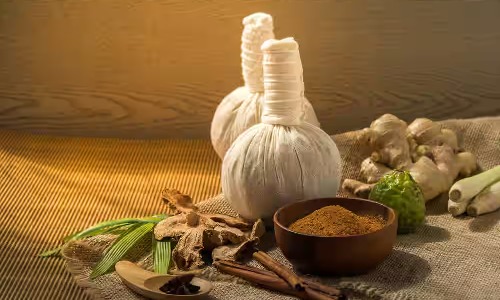
‌ Ever heard of podikizhi – the little pouch of healing in Ayurveda? Let’s talk about it!   Have you ever felt muscle pain after a long day? Or maybe those pesky leg cramps just won’t let you relax? If so, you’re not alone! Most people experience pain due to muscular discomfort. While there are several solutions out in the market, Ayurveda has something unique known as ‘podikizhi’.   Podikizhi, also known as Churna Pinda Sweda is a part of Swedana or sudation therapy in Ayurveda that is commonly used for pain relief and improving circulation.    Ancient Ayurvedic texts mention the therapy as follows:   स्वेदनं नाम संतापः स्तम्भगौरवशूलनुत्।।   Charak Samhita, sutrasthanam 14/59   Translation: Swedana (sudation therapy) is the process of generating heat in the body, which helps in relieving stiffness, heaviness, and pain.   संसृष्टं तण्डुलैः पुष्पैर्गोधूमैश्च सुशोधितैः। पीडितं स्विन्नदेहस्य पिण्डस्वेदनमुच्यते।।   Sushruta Samhita, sutrasthanam 35/27   Translation: Pinda Sweda is a therapy in which a bolus (pouch) filled with various medicinal substances like grains, flowers, and purified herbs is applied to the body after heating.   What is Podikizhi?   Podikzhi (herbal powder poultice) is an Ayurvedic body treatment that helps reduce pain and inflammation. The name “podikizhi” comes from two words: “Podi,” meaning “powder,” and “Kizhi,” meaning “bag” or “pouch.” So, podikizhi essentially refers to a “pouch of herbal powder.”     This therapy involves using a cloth tied into a bolus filled with herbal powders, which is then heated and applied to the body for therapeutic benefits. It’s a traditional Ayurvedic practice aimed at detoxification, pain relief and rejuvenation.   At our hospital, podikizhi massage is done after an Abhyanga or oil massage with our Pain Oil. After Abhyanga, podikizhi is massaged over the body, typically in regions of pain and stiffness. The heat produced by the herbal powder opens up the skin pores and enables the herbs to reach into muscles and tissues where it expedites healing.   Since podikizhi is mainly aimed at fixing Vata-related issues, it is highly effective in treating muscle stiffness, joint pain and inflammation. It is great for patients suffering from conditions, like Osteoarthritis,  Polyarthralgia (pain in multiple joints), Cervical and lumbar spondylosis, Arthritis ( after swelling has subsided), obesity (reduces cellulite), Sciatica and muscular pain and weakness.   Think of it as a warm, herbal pillow that gives your tired muscles a big, cozy hug and soothes them!   Benefits of Podikizhi   Podikizhi has the following benefits:   Pain relief   One of the primary reasons people do podikizhi is to get relief from pain. From back pain and muscle soreness to leg cramps, this therapy helps to alleviate discomfort by relaxing tense muscles.   Detoxification   The herbs used in Podikizhi help in throwing toxins away from the muscles which leads to better health and higher energy levels.   Unwinding   Everyone loves a massage, right? The heat with the gentle massage relaxes the muscles, destresses your mind and you feel completely taken to a different world of relaxation.   Better circulation   The heat and massage help to increase blood circulation in the muscles. Better circulation leads to more oxygen and nutrients being delivered to your muscles for quicker recovery.   Rejuvenation   After a Podikizhi session, many people report feeling rejuvenated. It’s a great way to unwind and recharge after a long week.   Improved sleep quality   Did you know that podikizhi can also help with better sleep? The deep relaxation provided by this therapy calms the nervous system and helps people with insomnia or restless sleep. Many people feel sleepy and super relaxed after a podikizhi session!   How is Podikizhi Done?   Here’s a step-by-step procedure to carry out a podikizhi procedure:   Selection of herbs   Herbs with inflammatory and healing properties are blended in the form of a powder. These herbs have long been used in traditional Ayurveda.    Preparing the herbal pouch   The powdered herbs are then placed in a cloth and tied to make a bolus. Heating the pouch: The pouch is heated in medicated oil or hot water. Alternatively, it can be dry heated as well on a hot iron griddle. Massage: The therapist massages the heated pouch on your affected part. The heat gets deep down into your muscles, taking away aches and stiffness. Post treatment: Following your treatment, you might be instructed to rest and drink water to assist with detoxification.   Diseases Treated with Podikizhi   Podikizhi is useful in the following conditions:   Muscle pain: If you experience muscle pain due to exercise, poor posture or everyday activities, podikizhi can provide effective relief.   Flexibility: If you have issues with flexibility in your joints and muscles, this therapy can help relieve that tension.   Leg cramps and muscle spasms: Regular sessions can lessen the frequency and severity of leg cramps and muscle spasms.   Back pain: It is a boon for people who suffer from back pain, it can provide significant relief without doing any harm as well as improve their flexibility.   Herbs used in Podikizhi   Herbs are used in the right amounts to make a potent herbal powder to render the best effect. Common herbs used in this treatment are:   Turmeric: A powerful anti-inflammatory herb, turmeric reduces pain and swelling.   Ginger: One more strong characteristic of an anti-inflammatory herb, ginger increases blood circulation and relaxes muscles.   Fenugreek: Fenugreek is known for reducing muscle spasms and its capabilities in detoxifying.   Garlic: Known as a potent pain reliever and antibacterial herb, Garlic beats even the modern OTC pain killers.   The combination of these herbs in the podikizhi treatment acts as a powerhouse of healing and relaxation.   Can You Do Podikizhi at Home?   Well yes! Ideally for podikizhi, you should visit an Ayurvedic therapist, but you could do a simplified version at home as well.  If you plan to do it at home, you’ll have to purchase the Podikizhi from a… Continue reading Podikizhi: Ayurveda’s Answer to Pain

Fibromyalgia: The Ayurvedic Perspective

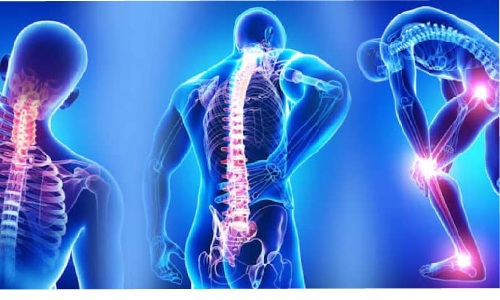
Fibromyalgia. It sounds like one of those intimidating medical terms that make you think, What does that even mean? But here’s the good news: fibromyalgia isn’t as scary as it sounds, and Ayurveda has some incredible insights into understanding and managing it.   What is Fibromyalgia?   Fibromyalgia is a condition where people experience chronic muscle and bone pain that doesn’t seem to have a clear cause. Doctors often use this term when all tests and investigations come back normal, but the patient continues to experience unexplained pain.   PubMed  describes fibromyalgia as a condition with chronic muscular and bone-related pain.   But, it also says that the etiology is unknown (no definite cause) and pathophysiology is uncertain (the exact disease process isn’t clear).    Now, this is where Ayurveda steps in with a fresh perspective.   Ayurveda’s Take: Vata and Vatavyadhi   In Ayurveda, chronic pain conditions often fall under a group of disorders called Vatavyadhi. To understand this, let’s talk about Vata. Imagine your body is a car. What keeps the car running smoothly? The tires. That’s what Vata is like—it drives all your body’s functions. When Vata is balanced, your body operates like a well-oiled machine. But the whole system can break down when it goes out of balance, just like a flat tire.   How Does Vatavyadhi Manifest?   When Vata becomes imbalanced due to poor diet or lifestyle choices, it starts affecting your blood, tissues and body channels (Srotas). This can lead to: Pain across the entire body Localized pain in specific areas A general sense of discomfort and fatigue Sound familiar? This could be what’s happening in fibromyalgia.   What Causes Vatavyadhi?   Several factors can throw Vata off balance. Here are some common culprits:   Cold, dry, uncooked foods What is cold and dry in our body? It’s Vata. Now think of salads, cold drinks, or raw veggies—they’re also cold and dry aggravating Vata. Staying awake at night Late-night binge-watching, scrolling, munching on junk food, etc. disrupt your body’s natural rhythm. Excessive exertion Excessive workouts at the gym or constantly engaging in activities without rest can worsen Vata. Emotional stress Negative emotions like sadness, overthinking, fear or anger play a big role. Poor eating habits Skipping meals, fasting excessively, or eating a low-calorie diet without nourishing your Agni (digestive fire) is one chief cause of Vatavyadhi. Weak digestion When your digestive system isn’t strong, toxins build up, further disrupting Vata.   Ayurvedic Treatment for Vatavyadhi (Fibromyalgia)   There are 80 types of Vatavyadhi, and an experienced Ayurvedic doctor can diagnose and treat them effectively. It is always advisable to visit a qualified Ayurvedic doctor in this condition. But here’s a sneak peek into the general treatment process:   1. Balancing Vata   To pacify Vata, it is recommended to start with lifestyle changes and simple practices.  Indulge in grounding practices like Yoga and meditation. Gentle yoga or a brisk walk is better than overexerting yourself. Try to improve your focus.   2. Nourishing the body   Nourishment is key. Don’t starve your body! Focus on warm, cooked, and easily digestible foods to keep your digestive fire burning bright.  Soups, stews, and khichdi are your best friends. To ensure your safety, it is best to avoid consuming anything that is raw, cold, or uncooked, such as raw salads.  Add good fats to your diet like ghee and sesame oil.  Skip the ice-cold drinks and opt for warm herbal teas instead.   3. Daily practices   Use organic black sesame oil to massage your body. This helps relax muscles and improve circulation.  Regular practices like Abhyanga (self-massage with oil), oil pulling, Ushapan (drinking warm water on an empty stomach in the morning), light workouts, and meditation are important changes you can make for yourself.      Regular bowel movements   Drink warm water with a pinch of ginger to keep your digestion on track. Daily elimination and regular detoxification can also make a huge difference.   Why is Ayurveda Ideal for Fibromyalgia?   Modern medicine often struggles to pinpoint the cause of fibromyalgia. It is classified as a syndrome; however, there is no definitive test or clear treatment plan. This often leaves patients managing symptoms like chronic pain, fatigue, and sleep disturbances without addressing the underlying issue. Ayurveda takes a completely different approach. It doesn’t just label fibromyalgia as a mysterious condition. Instead, it views it through the lens of Vatavyadhi – a disorder caused by an imbalance of Vata Dosha. Vata is responsible for movement, communication, and function in the body. When it becomes aggravated due to improper diet, lifestyle or mental stress, it disrupts the natural balance of the body, causing widespread pain and discomfort. But Ayurveda doesn’t stop at identifying the root cause. It provides a roadmap to healing. Fibromyalgia isn’t treated as a “one-size-fits-all” condition. The uniqueness of Ayurveda lies in its personalized approach. Ayurvedic doctors assess an individual’s body constitution (Prakriti) and imbalances (Vikriti) to craft a holistic treatment plan that restores harmony. Fibromyalgia doesn’t have to be a life sentence of chronic pain. By understanding the role of Vata and following Ayurvedic principles, you can regain control over your health and well-being. So, nourish yourself, take care of your digestion, and embrace the healing wisdom of Ayurveda. Got questions or experiences with fibromyalgia? Let’s discuss this in the comments!   If you are struggling with any health issues, you can either book a consultation with us or send us a message via WhatsApp to +91 79074 89839. We have the best Ayurvedic doctors in Trivandrum who are always glad to help you. If you have any queries, contact us.  You can also visit us at our hospital.

Ankylosing Spondylitis – The Ayurvedic Perspective

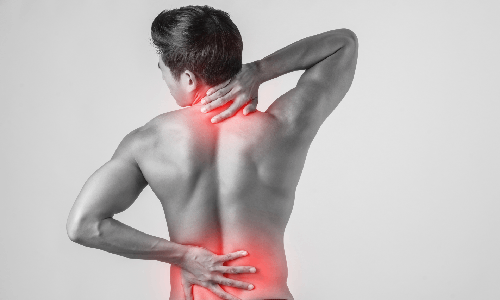
Recently, someone approached me asking about Ayurvedic treatment for Ankylosing Spondylitis. This led me to realize that I haven’t discussed this health condition before. So, here’s some information about it!        What  is  Ankylosing  Spondylitis?       Ankylosing Spondylitis (AS) is a chronic inflammatory condition – a rare form of arthritis that primarily affects the spine and large joints. It belongs to a group of conditions known as spondylarthritis that usually starts at the lower aback and eventually spreads up to the neck and other damaged joints.     Although AS  is less common than other forms of arthritis, it still affects a significant number of people worldwide. Studies show that approximately 0.1% to 0.5% of the global population suffers from the condition.     Amavata is the word associated with rheumatoid arthritis in Ayurveda. However, the word also refers to other painful conditions as well and that includes Ankylosing Spondylitis. Ayurveda categorizes Ankylosing Spondylitis based on the body part it affects: Prishtagata (back), Katigata (lumbo-sacral), or Grivagata (pelvis or neck – cervical region) Amavata.     The Symptoms   Ankylosing Spondylitis often begins with inflammation in the joints where your spine connects to your pelvis, called the sacroiliac joints. This can make your lower back and hips feel painful and stiff.  As it progresses, Ankylosing Spondylitis can affect other areas where your tendons and ligaments attach to bones. In some cases, it may even cause your vertebrae – the bones in your spine, to fuse together. In extreme situations, the condition may also result in your spine becoming hunched.  Other signs of Ankylosing Spondylitis you might experience include:    Neck feeling sore or stiff  Pain in your shoulders  Feeling pain and stiffness around your ribcage  Pain in your hips or thighs  Feeling pain in your feet, heels, or hands  Pain that is worse in the morning or after sitting for a long time  Noticing your spine becoming rigid and curving forward  Feeling tired  Swelling in your joints  Ankylosing Spondylitis is frequently observed in males in their teenage and 20s, although it can affect individuals of any age. Women typically experience milder symptoms that often go unnoticed.  Everyone’s experience with Ankylosing Spondylitis is different. Your symptoms might change faster or slower than someone else’s, and they might not be exactly the same. Your symptoms commonly come and go, with times of worsening followed by times of improvement.   Ankylosing Spondylitis as per Ayurveda   According to Ayurveda, Ankylosing Spondylitis happens when Ama (toxins) accumulate in the body due to the imbalance of the three Doshas – Vata, Pitta, and Kapha. Ama, carried by the air element called Vayu, settles in places where the Kapha Dosha is prominent, mostly in the joints. It further moves to the body’s circulation channels and becomes the root cause of diseases. The aggravated Ama and Vata jointly enter the pelvic region (sacro-iliac and lumbo-sacral areas) causing stiffness and what is known as Amavata.    The Treatment   Modern medicine does not offer a permanent cure for Ankylosing Spondylitis. However, the symptoms can be suppressed using medications, physical therapy and even surgery.    According to Ayurveda, Amavata is the most difficult to treat (Sa Kashta Sarva Roganam), especially when the condition is in its progressive state. However, it can be completely healed through lifestyle modifications and dietary changes, external and internal treatments and herbal medicines in the beginning stages.    The treatment for Amavata involves practices like Langhana, Swedana (sudation) and Abhyanga that help alleviate pain and swelling by providing warmth, which helps reduce inflammation and stiffness in muscles. There are also Panchakarma therapies like Virechana (purgation) and Vasti (enema) that help manage Ankylosing Spondylitis by rejuvenating and eliminating toxins from the body.      Regular exercise and adequate sleep are equally important to help you heal. Dietary changes include, for instance, avoiding inflammatory and trigger foods; moreover, it involves having foods that suit you. Also, herbal medicines are administered based on your Prakriti (body type), health conditions and Doshas.     Ankylosing Spondylitis is a chronic inflammatory condition that can significantly impact the quality of life of those affected. Ayurvedic treatment for Ankylosing Spondylitis targets the root cause and imbalances, focusing on lifestyle modifications, dietary changes, herbal medicines, and Panchakarma therapy. As with any medical condition, it is essential to consult with a qualified Ayurvedic doctor to ensure safety and efficacy.    If you are struggling with any health issues, you can either book a consultation with us or send us a message via WhatsApp to +91 79074 89839. We have the best Ayurvedic doctors in Trivandrum who are always glad to help you. If you have any queries, contact us.  You can also visit us at our hospital.