

Seasons Change, So Should Your Ayurveda Routine

With changing seasons, our bodies undergo various changes. You might experience Dosha imbalances, seasonal allergies, gut health issues due to varying digestive fire (Agni) and more. But you don’t have to worry! Ayurveda offers the perfect advices to take care of yourself with the changing seasons. In this blog, let us delve deeper into the principles of Ayurveda and how they guide us towards optimal health and wellbeing, particularly in alignment with the changing seasons.   Understanding Ayurveda   Ayurveda is a traditional system of medicine that focuses on the physical, mental and spiritual well being of a person. It is not just about treating health conditions; Ayurveda can also be considered as a way of life that ensures the overall wellness and well being of an individual.  At its core, Ayurveda recognizes that each individual is unique, with their distinct constitution, or “Prakriti,” which is determined by the three Doshas – Vata, Pitta and Kapha. These Doshas govern various physiological and psychological functions in the body and are influenced by factors such as diet, lifestyle, environment and the changing seasons.   Seasonal Wellness from Ayurvedic perspective   According to Ayurveda, the key to maintaining good health lies in living in harmony with nature’s rhythms, including the cycles of the seasons. Each season influences the doshas with its own set of qualities.  Therefore, Ayurveda recommends seasonal adjustments to diet, lifestyle and daily routines to maintain balance and prevent imbalances or illnesses. For example, during the hot summer months, when Pitta Dosha tends to be aggravated, Ayurveda advises consuming cooling foods and beverages, such as fresh fruits, salads and herbal teas, to pacify excess heat in the body. Similarly, in the cold, dry winter months, when Vata Dosha may become imbalanced, nourishing and grounding foods like soups, stews and warm spices help to counteract the cold and keep Vata in check.   Ayurvedic Treatments for Seasonal Wellness   In addition to dietary and lifestyle recommendations, Ayurveda offers a wide range of treatments and therapies to support your health with changing seasons.    Abhyanga (Ayurvedic oil massage)   Regular massage with organic sesame oil or Sheeta Tailam (during summers) helps to lubricate the joints, nourish the skin and calm the nervous system. These massages are particularly beneficial during the dry, cold winter months.   Panchakarma   This Ayurvedic detoxification and rejuvenation therapy involves a series of cleansing procedures designed to eliminate toxins from the body and restore balance to the Doshas. Health professionals often recommend Panchakarma during seasonal transitions to reset the body and boost immunity.   Herbal remedies Ayurveda employs a vast array of herbs with specific properties to address imbalances associated with each Dosha and season. For example, herbs like Tulsi are known for their adaptogenic and immune-enhancing properties. they, therefore, make an ideal choice for supporting overall health and well-being throughout the year.   Ayurveda and Seasonal Routines   Ayurveda and Ayurvedic medicine take into account the natural properties of the elements. The different combinations of the five elements (earth, water, fire, air, and ether) form the three Doshas (Vata, Pitta, and Kapha).  The varying characteristics, such as mass, heat, feel, compactness, etc., are present in nature, including the different seasons. These characteristics directly influence our physical, mental and overall well being.  Understanding the characteristics of each season is crucial for making necessary adjustments to your diet and lifestyle in order to maintain good health. The ancient Ayurvedic texts advise adhering to a schedule that aligns with the six distinct seasons in their region.  We will simplify things – routines, foods and more for each of the four seasons: Fall, Winter, Spring, and Summer. But they can vary depending on your location, your Prakriti and Dosha imbalances.    Routines for the Autumn season During autumn, Vata’s dominance brings cold, wind, dryness and restlessness. Adjust by adding warm foods and fats like ghee, dressing warmly, and having warm oil massages. Opt for seasonal foods, warm water, and less cold foods like salads.   Routines for the Winter season In Winter, colder weather worsens Vata and increases Kapha. Neglecting season-appropriate routines may lead Vata-dominant individuals to have dry, cracked feet, poor sleep and distress. Vata types can stick to Autumn routines. But Kapha types should opt for warm, light foods and aromatic spices like black pepper and mustard, with less oil.   Routines for the Spring season During Spring, increasing warmth melts built-up Kapha qualities, causing phlegm and allergies. For renewed energy, engage in more movement like walks, gym or yoga. Massage dryly, and consume warm, dry foods with bitter greens and spices. This season is also ideal for detox or Panchakarma.   Routines for the Summer season In summer, Pitta-dominant individuals must take extra care in the hot weather. Stay cool by avoiding midday sun, walking in forests and using Sheeta Tailam for massages. Try relaxing yoga and cooling pranayama, like Shitali and Sheetkari, along with meditation. Stay hydrated with drinks like coconut water, and have cooling and seasonal foods.   Consult an Ayurvedic Doctor   Incorporating Ayurvedic principles into your daily life isn’t just enough. It’s essential to consult with a qualified Ayurvedic doctor for personalized guidance to ensure your overall well being. An Ayurvedic doctor assesses your Prakriti, identifies imbalances, and recommends personalized treatments.   Embracing Emotional and Mental Wellbeing   In addition to physical health, Ayurveda also places great emphasis on emotional and mental wellbeing. According to Ayurvedic teachings, the mind and body are intimately connected, and imbalances in one can manifest as symptoms in the other. Therefore, we encourage practices such as meditation, yoga, and Pranayama (breathwork).  They help promote relaxation, reduce stress and cultivate mental clarity and emotional balance. In this fast-paced world, Ayurveda reminds you to slow down, reconnect with nature and prioritize our health and well-being. By aligning our daily routines with the changing seasons and understanding our Prakriti, we can cultivate vibrant health, balance and vitality in our lives. So, let us embrace the wisdom of Ayurveda; furthermore, let us embark… Continue reading Seasons Change, So Should Your Ayurveda Routine
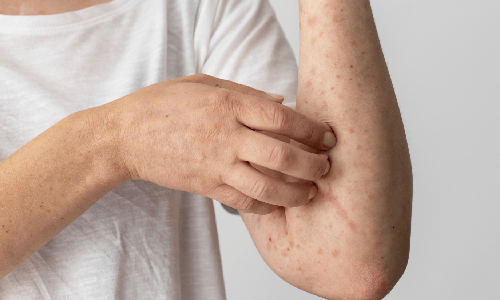
Contact Dermatitis Treatment in Ayurveda

Though not transmittable, contact dermatitis is a skin condition that causes great deal of pain and discomfort. If left untreated for an extended period, it has the potential to result in lasting scars and harm to the skin. To address the issue, one must select an effective treatment rooted in Ayurvedic traditions.    What is contact dermatitis?   Contact dermatitis is a common skin condition that affects millions worldwide. It happens when your skin is exposed to something that it reacts negatively to. This may be a substance that triggers an allergic reaction or discomfort. It can manifest as redness, itching, swelling, and sometimes even blistering, often resulting from direct contact with certain substances.    Types  of  Contact  Dermatitis   It is a type of skin inflammation caused by direct contact with irritants or allergens, and it has two main types: Irritant contact dermatitis: This occurs when the skin comes into contact with a substance that damages or irritates it. For instance, common culprits include detergents, soaps, acids, and solvents. Allergic contact dermatitis: This occurs when the skin has an allergic reaction to a specific substance, such as certain metals (e.g., nickel), cosmetics, plants (e.g., poison ivy), or medications. According to the American Academy of Dermatology, irritant contact dermatitis accounts for up to 80% of cases, while allergic contact dermatitis accounts for the remaining 20%. Its symptoms can vary in intensity; moreover, they may include redness, itching, swelling, dryness, and even blistering.  Managing this skin disease effectively requires identifying and avoiding triggers while soothing the irritated skin.   Ayurvedic Perspective on Contact Dermatitis   Ayurveda views skin diseases like contact dermatitis as a manifestation of imbalances within the body, particularly involving the Doshas – Vata, Pitta and Kapha. According to Ayurvedic principles, an imbalance in these Doshas can disrupt the body’s natural harmony and lead to various health issues, including skin conditions. Vata: When Vata Dosha is aggravated, it can cause dryness, roughness, and itching of the skin, making it more susceptible to irritants. Pitta: Aggravated Pitta Dosha can result in inflammation, heat, and sensitivity, exacerbating symptoms like redness and swelling in contact dermatitis. Kapha: Imbalances in Kapha Dosha may lead to excessive oiliness and skin congestion, worsening symptoms such as itching and irritation. According to Ayurveda, it is also known as Udarda, can result from exposure to potent chemicals, soaps, cleaning agents, or prolonged water exposure.    Ayurvedic Treatments for Contact Dermatitis   Ayurvedic treatment for contact dermatitis aims to rebalance the Doshas, cleanse the body of toxins, and promote skin healing. Here are some Ayurvedic remedies and practices that may help alleviate symptoms and prevent recurrences:   Dietary Adjustments Ayurveda emphasizes the importance of a balanced diet to maintain overall health and well-being. Individuals with contact dermatitis may benefit from consuming cooling and soothing foods to pacify aggravated Pitta Dosha. This includes fresh fruits, vegetables, whole grains, and herbal teas. Avoiding spicy, oily, and processed foods can also help prevent further irritation.   Herbal Remedies Ayurvedic herbs possess potent anti-inflammatory, antipruritic, and skin-soothing properties that can aid in managing  it.  Some commonly used herbs, for example, include neem, turmeric, aloe vera, and licorice.  These herbs can be applied topically as creams, ointments, or poultices to reduce inflammation and promote healing.   Abhyanga (Ayurvedic Massage) Regular self-massage, known as Abhyanga can help nourish and moisturize the skin while calming the nervous system. Massaging the affected areas with gentle, circular motions can improve circulation, reduce itching, and promote the elimination of toxins from the body.   Lifestyle Modifications Healthy lifestyle habits can be crucial in managing contact dermatitis. Avoiding exposure to known irritants and allergens, wearing protective clothing, practising good hygiene, and managing stress through yoga and meditation can help prevent flare-ups and promote skin healing.   Ayurvedic Formulations Ayurvedic practitioners may prescribe specific formulations tailored to an individual’s unique constitution and imbalances. These formulations, contain herbs, minerals, and natural ingredients to address the underlying causes; in addition, they aim to restore skin health.   Utilizing home remedies  Home remedies are crucial in managing and addressing contact dermatitis. Home remedies involve using readily available items like plants and food for treatment. These can be beneficial, cost-effective choices that are free from chemicals. Many DIY remedies can improve the skin and prevent it from drying, benefiting those with contact dermatitis. There are specific items in your household that can provide a cooling sensation to your skin and alleviate discomfort from sore or swollen skin. The symptoms can be effectively managed using Ayurvedic treatments and natural home remedies. Ayurveda effectively controls its symptoms and, in addition, educates individuals on how to prevent its recurrence and promote skin well-being.   Final takeaway   Contact dermatitis, a troublesome skin condition, can find relief and healing through Ayurvedic treatment.  Individuals can manage symptoms effectively and prevent recurrences by addressing imbalances in the Doshas, detoxifying the body and adopting natural remedies and lifestyle practices. However, consulting a qualified Ayurvedic practitioner for personalized guidance and treatment recommendations tailored to your specific needs is essential. With dedication and patience, you can restore balance to your skin and experience lasting relief from contact dermatitis.   If you are struggling with any health issues, you can either book a consultation with us or send us a message via WhatsApp to +91 79074 89839. We have the best Ayurvedic doctors in Trivandrum who are always glad to help you. If you have any queries, contact us.  You can also visit us at our hospital.

Conceive with Care : The Ayurvedic Essentials to Get Pregnant

Embarking on the journey to conceive is an extraordinary and hopeful chapter in many people’s lives.  According to Ayurveda, there are, in fact, 4 essentials (Garbhasambhava Samagri) for conception.  Whether you are just starting or have been on this path for a while, understanding these essentials can make the journey smoother.    The essentials to Conceive   Ayurveda lists out few essentials that are necessary for conception.     Fertile period (Garbhasaya Ritu)  From the 14th to the 16th day of menstruation, after bleeding stops, this period is, in fact, called Ritu Kala.  This is fertile phase of your monthly cycle and is therefore, very crucial.  It is the right time for conception.  The uterus (Kshetra)  A healthy, disease-free uterus is ideal for conception; furthermore, the uterus is home for the growing embryo. If there is any disease of the uterus, treat it before conception.    Nourishment (Ambu)  When food digests, Rasa Dhathu is formed. Its main function is Preenana or nourishment.  A growing foetus, consequently, receives nourishment from the mother’s Rasa Dhathu.  Hence mother’s nutrition is extremely important.     The gametes (Beeja)  Beeja means seeds. Specifically, it denotes the sperm (Shukla) and, on the other hand, the ovum (Artava).  It is said that, ultimately, the quality of the seedling depends on, in fact, the quality of the seeds.  The best way to improve the quality of Beeja is by following a healthy lifestyle and diet.    Tips to boost sperm health    Here are 5 simple ways by which you can boost sperm health:     Keep your laptops away from your lap  Keep your phones away from your pocket  Include cooling foods in your diet  Strictly avoid incompatible foods  Reduce stress and exercise more    Best foods for sexual health   You can also try the following foods to improve your libido and sexual health:  Pomegranate  Barley soup  Dates  Black gram soup with ghee and rock sugar  Moringa    If you are finding it difficult to conceive, remember, in fact, Ayurveda has  the  answers you seek for infertility. You can consult an Ayurvedic doctor for guidance.     Furthermore, Ayurvedic treatment does not involve any painful procedures or strong medications.  It’s all about preparing your body by correcting the imbalances and administering Ayurvedic herbal combinations and formulations that enable natural conception.      Doctor Rekha is a 4th generation Ayurvedic Medicine Doctor (BAMS) and also one of the best ayurvedic doctor in trivandrum city, living in between Dubai and India who has patients from around the globe who believes that the wisdom of Ayurveda can help everyone lead a happy, heathy and disease-free life.   If you are struggling with any health issues, you can either book a consultation with us or send us a message via WhatsApp to +91 79074 89839. We have the best Ayurvedic doctors in Trivandrum who are always glad to help you. If you have any queries, contact us.  You can also visit us at our hospital.