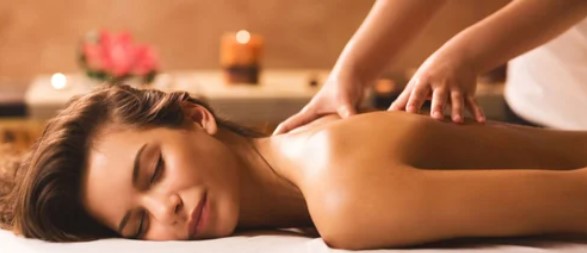
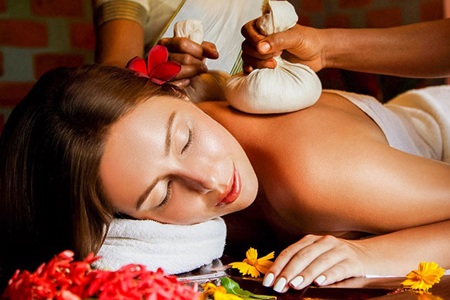
In the Malayalam calendar, Karkidakam – the last month of the year falls during the monsoon season. It is considered as a month of poverty and diseases and your immunity will be at its lowest during this month. This is when Karkidaka Chikitsa – an exclusive Ayurvedic therapy – plays its part. This treatment improves your immunity and helps your body prepare for the year ahead. What is Karkidaka Chikitsa ? Karkidaka Chikitsa, also known as Monsoon treatment in Ayurveda, is a therapeutic style that originated in Kerala’s traditional healing practices. Karkidaka Chikitsa helps improve your immunity and physical and mental strength. It also helps remove toxins from your body and bring back a healthy, rejuvenated you! During the monsoon, your Agni (digestive fire) is weak, making your body more prone to accumulating toxins (Ama). This results in sluggish digestion, frequent infections and overall fatigue. Karkidaka Chikitsa helps eliminate these toxins, reset your digestive fire and prepare your body for the months ahead. Let us look into the depths of Karkidaka Chikitsa, exploring its essence and benefits. Common Karkidaka Chikitsa Methods Here are the common treatment methods of Karkidaka Chikitsa that help build your immunity. Abhyanga (Oil Massage) Abhyanga is a traditional Ayurvedic oil massage practice that uses warm herbal oils on the entire body. Benefits of Abhyanga Strengthens the nervous system: The warm oil penetrates deep into tissues, nourishing nerve endings and reducing stress. Improved blood circulation: Abhyanga helps enhance blood circulation in the body. Detox the body: Abhyanga helps in loosening and liquefying body toxins and thereby makes excretion easier. Helps your skin glow: Regular use of oil on the skin helps to moisturize and soften your skin, giving it a natural, healthy glow. Decreases Stress: As Abhyanga relaxes your body and mind, it reduces stress. How to Do Abhyanga ? Take some oil in your palm and apply it gently on the top of your head – specifically, at the bregma. Then, use your fingers to massage the scalp (you can also choose to massage the oil along the length of your hair). Then, massage your face. Follow by massaging your hands, feet, and the rest of your body. Use gentle, circular motions over joints, but with long strokes on limbs for the self-Abhyanga session at home. Wash it off with warm water after 20 minutes by taking a shower. The best oil for Abhyanga is organic black sesame oil. It is Vata subsiding and offers vigour and vitality. Abhyanga not only strengthens your muscles and joints but also enhances your skin’s radiance. Here’s how you can do Abhyanga at home: Swedana Swedana, or sudation therapy, is, in fact, a part of Panchakarma preparation. There are 13 types of Swedana. In each type, sweat is induced using different methods. Benefits of Swedana Alleviates joint pain: The heat from Swedana helps loosen stiff joints and reduce pain. Reduces toxins: Swedana, therefore, opens pores in the skin to help release toxins. Relieves muscle tension: The warm experience relaxes your muscles. Promotes respiratory health: The aroma from herbal steam helps clear sinus passageways and restore easy breathing. How to Do Swedana ? You can get it done at an Ayurvedic hospital under the supervision of a qualified Ayurvedic doctor. If you want to do it at home, you can try this: Fill your bathtub with hot water. While doing so, make sure that the temperature of the water is neither too hot, nor too cold. Immerse yourself in the water for 15 minutes. This is called Avagaha Sweda. Avoid your eyes while doing any kind of sweating treatment. Also, avoid Swedana if you are pregnant, consume alcohol regularly, or if you are a diabetic and take insulin. Make sure you do not consume food within 1 hour of Swedana. If you have never tried the authentic Ayurvedic way of Swedana treatments, you are completely missing out! You must try it at least once in your lifetime. Panchakarma Panchakarma is a full-body cleansing therapy that not only helps detoxify the body but also brings back the balance of the Doshas. It includes five types of Ayurvedic treatments – Vamana (emesis), Virechana (purgation), Basti (enema), Nasya (nasal administration), and Rakta Mokshan (blood purification). Benefits of Panchakarma Enhances mental clarity: The detoxification process clears brain fog and improves focus. Balances Doshas: This therapy balances Vata, Pitta, and Kapha Doshas of the body. Improves digestion: Panchakarma improves the digestive fire (Agni) in the body, hence improving digestion and assimilation of nutrients. Improves immunity: When Panchakarma flushes out all toxins in the body, it helps to boost overall immune strength and function. How to Undergo Panchakarma ? It is best to have Panchakarma treatment under the guidance of a qualified doctor. An Ayurvedic doctor recommends the required Panchakarma treatment methods for a patient based on their Prakriti (body constitution) and health conditions. Nasya Nasya is the process in which oil is instilled via the nasal route. It is especially helpful in the monsoon as it protects us from recurring respiratory issues. Benefits of Nasya Enhances brain function: Nasya has been known to improve memory and concentration. Clears sinus: Nasya can clear congestion and sinus. Boosts respiratory health: It enhances the general function of your respiratory system to a great extent and relieves you from allergies, colds, etc. Great mental health: Nasya helps to obtain mental clarity and also cuts down the recurrence of headaches or migraines. Dosha balancing: It also helps balance the Vata and Kapha Doshas. How to Do Nasya ? I recommend using Nasya Oil and Steaming Oil to do Nasya. Massage your face, neck, and chest with Steaming Oil while applying slight pressure on… Continue reading Karkidaka Chikitsa- Top 4 Ayurvedic Treatments in Monsoon