Aligning Your Daily Routine With Ayurveda: A Practical Guide For Modern Life

Daily routine in Ayurveda is not a rigid checklist; it is a living practice. It adapts to your digestion, the season, your age, and your current state of health. The real aim is to stay in touch with your body’s signals, not to chase perfection on paper.   Waking Up, Meditation, and Timing   Ayurveda recommends waking close to Brahma Muhurta because this time supports mental clarity and natural rhythms. If you feel very cold, stiff, or sleep deprived, especially with a Vata‑dominant constitution in winter, forcing yourself to wake too early can exhaust you. In that situation, you protect your health better by waking a little later, keeping a regular schedule, staying warm, and ensuring good sleep quality instead of blindly following the clock.   Meditation does not depend on a strict time slot. Early morning and evening transitions suit a calm mind, but your mental alertness and consistency matter more than a specific hour.   A Balanced Morning Routine   A well‑structured morning routine supports digestion, the sense organs, and the mind throughout the day. Start with basic cleansing and oral care: brush your teeth and clean your tongue before oil pulling so your mouth is fresh and receptive. Practice abhyanga, or oil massage, on an empty stomach and then bathe with warm water to remove excess oil and support circulation.   You can follow a simple sequence. Lightly hydrate the eyes, drink a glass of warm water, complete dental hygiene, perform oil pulling, apply body oil for abhyanga, do mild stretching or physical activity, sit for a few minutes of meditation, and end with a warm shower. This order gently wakes up your body and mind without strain and sets a steady tone for the day.   Abhyanga: Duration, Order, and Special Situations   Abhyanga remains one of the most valuable daily routines, even when you cannot follow every other practice. Ideally you leave the oil on your body for 20–30 minutes so tissues can absorb it well. On busy days, 10 minutes still offers benefit, even though shorter exposure naturally gives less.   You get the most from abhyanga when you exercise after oiling, not before. Gentle movement after applying oil generates warmth and better blood flow, which helps the oil reach deeper into joints, ligaments, and muscles instead of staying on the surface. This approach refers to light, controlled exercise followed by a bath rather than an intense workout routine.   If you have a Vata‑dominant constitution, especially in cold weather, keep exercise mild and preferably after abhyanga. Avoid vigorous activity right after a bath because it can increase dryness and fatigue. During menstruation, skip full‑body abhyanga and heavy oil routines so you respect the body’s natural downward flow and sensitivity.   Children naturally have more Kapha, yet they still benefit from gentle oil massage. In healthy children, appropriate abhyanga supports growth and nourishment. You avoid it only when Kapha clearly aggravates or when there are specific medical reasons.   In the postpartum phase, Vata rises, but extremely heavy oils do not always suit the early days. Oils like Dhanvantara taila help pacify Vata without overburdening digestion or causing sluggishness. Very heavy, guru formulations fit better later, when the body regains strength or has specific indications.   Oils, Scalp Care, and Powder Massage   You should always choose oils according to constitution, season, and present symptoms. Coconut oil cools and suits Pitta‑dominant people or hot climates, particularly for scalp and body. Sesame oil warms and nourishes, which helps Vata types and colder seasons, and you use it more cautiously in hot weather or Pitta conditions with clear heat.   Your scalp already produces natural oil, yet that surface oil does not always replace the need for external oiling. Internal imbalance, dryness, or nervous system strain may still call for the deeper nourishment that external oil can provide. At the same time, if your scalp feels very oily or follicles clog easily, frequent oiling may worsen issues.   In Ayurveda, you treat oil as a medicine: it helps when you choose it well and use the right amount. People with naturally oily scalps usually do not need daily scalp abhyanga.   The time you keep hair oil on the scalp also matters. If you have a tendency toward sinus issues, colds, or heaviness in the head, you generally keep the oil for about 10–15 minutes before washing. If your scalp tolerates oil and feels very dry, 30–40 minutes is usually enough; keeping oil for longer rarely adds benefits and may aggravate sinus discomfort.   Udvartanam, or herbal powder massage, helps in Kapha dominance and excess weight but does not suit everyone as a daily habit. Right after childbirth, its drying and scraping action can disturb Vata and delay tissue recovery, so you wait until the body regains strength and then consider appropriate Kapha‑reducing powders such as Kolakulathadi churna.   When you have a Vata‑dominant constitution and plan for pregnancy, you focus more on nourishment and stability with regular abhyanga and gentle movement than on frequent Udvartanam.   Mouth Care, Oil Pulling, and Gargling   For everyday oil pulling, sesame oil remains a safe and broadly effective choice. It lubricates, protects, and cleanses the mouth while supporting digestion from its starting point. You reserve other substances such as ghee, honey, or milk for specific complaints, such as ulcers or burning, and do not switch them in based only on body type.   A small glass of warm water before brushing can help many people stimulate bowel movements and gently hydrate the body. Ayurveda does not completely forbid this practice for any constitution. It only discourages drinking large volumes, especially cold water, immediately after waking and before brushing.   You do not need daily warm salt water gargling unless you have a specific issue. You use it when you face an active throat infection or discomfort. In colder months, regularly sipping warm water offers a simple and sustainable way to support the throat and digestion.   Eye… Continue reading Aligning Your Daily Routine With Ayurveda: A Practical Guide For Modern Life

Ayurveda and Menstrual Pain: Understanding Cramps, Clots and Mood Changes

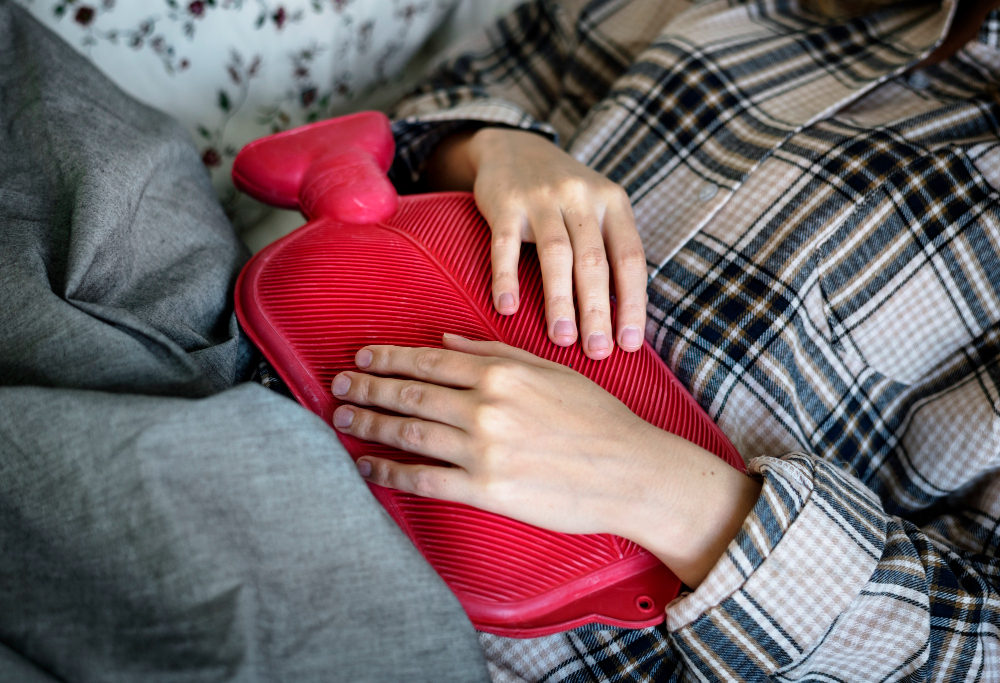
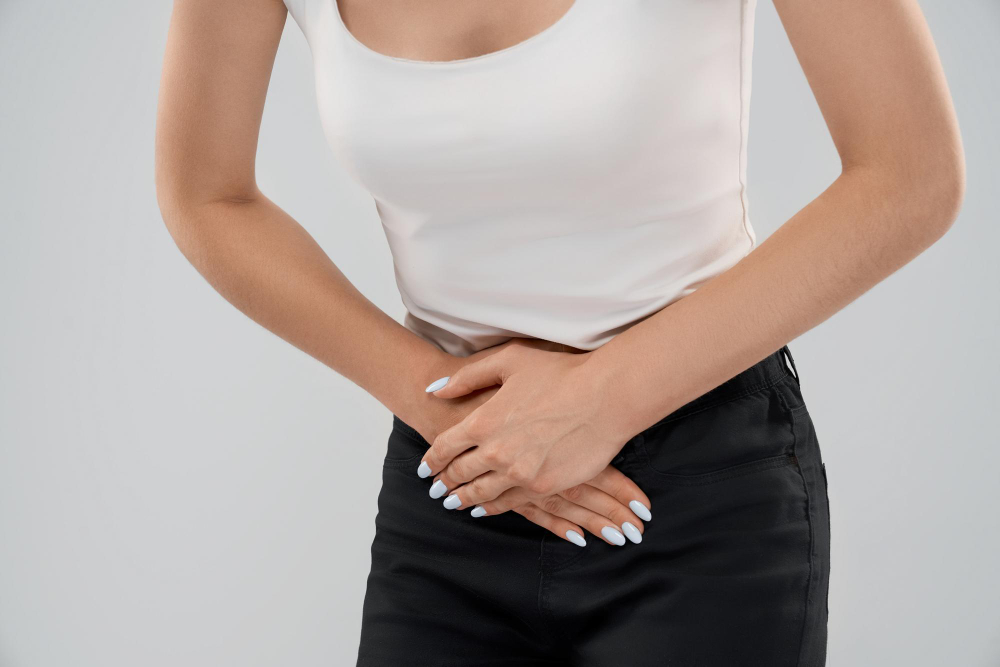
Menstrual pain, clots, and mood changes are very common, but they are not something every woman has to quietly suffer through. From an Ayurvedic perspective, these are signs that the body’s natural balance needs support. Ayurveda sees periods not as a “problem,” but as a reflection of how well digestion, hormones, and daily lifestyle are working.   Many women know the routine every month: lower‑abdomen cramps, passing clots, feeling bloated, tired, or suddenly emotional. In Ayurveda, these are not “just part of being a woman.” They are signals from the body that Vata and Pitta doshas are imbalanced, digestion is weak, and the reproductive system is under stress.   Instead of treating each symptom alone, Ayurveda looks at the whole picture: food, sleep, stress, emotions, and daily habits, and then offers gentle, natural ways to bring balance back.   Why Do Period Cramps Happen?   In Ayurveda, menstruation is seen as a natural downward movement controlled by an energy called Apana Vata. This energy helps the menstrual blood flow out smoothly.   When life is too fast, too stressful, or too cold for the body, this Apana Vata gets disturbed. The result is tightening, spasms, and cramping in the lower abdomen, back, and sometimes thighs.   Cramps usually start a few hours before the period or right when bleeding begins. They may come and go in waves and can be mild or very strong. Ayurveda views this as a sign that the body needs more warmth, rest, and calm routines, not just painkillers.   Are Clots and Heavy Bleeding Normal?   Passing small clots with your period is usually normal, especially if the bleeding is not too heavy and your cycle is otherwise regular. But large clots, very heavy bleeding, or periods lasting more than 7–8 days are signs that the body is out of balance.   Ayurveda links heavy, dark, or clotty flow mainly to Pitta dosha and disturbed Rakta dhatu (blood tissue). When Pitta is high, the blood can become hot, fast, and heavy, which leads to more bleeding and clots.   On the other hand, if the flow is very light, patchy, or very irregular, it is often linked to Vata imbalance, where the flow is weak and unsteady.   The goal in Ayurveda is to balance the doshas, support healthy digestion, and strengthen the reproductive tissues so that periods become regular, comfortable, and not painful.   Mood Swings, Anxiety and PMS   Many women feel more emotional, anxious, or easily irritated a week or two before their period. Ayurveda connects this to Vata and Pitta going out of balance in the mind and body.   Vata, which controls the nervous system, makes the mind restless and sensitive. Pitta adds intensity and sharpness to emotions. Together, they can create:   Feeling suddenly upset or tearful Feeling angry over small things Fear, anxiety, or racing thoughts   Stress, lack of sleep, and irregular eating make this worse. When the digestive fire (Agni) is weak, the body cannot digest food properly and also cannot handle stress and emotions, which leads to stronger PMS symptoms.   Simple Diet Changes During Your Period   During menstruation, the body is already delicate, so Ayurveda suggests eating light, warm, and easy‑to‑digest foods.   Here are some simple tips: Eat warm cooked meals like khichdi, vegetable soups, rice, and soft lentils. Sip warm water with ginger, fennel, or cumin to ease cramps. Avoid cold drinks, ice cream, raw salads, and too much fried food, as they increase Vata and pain. Have a light dinner early so the body can rest instead of digesting heavy food at night.   On bleeding days, it helps to avoid heavy exercise, intense workouts, and long travel and instead focus on rest, warmth, and gentle movement.   Lifestyle and Daily Habits for Better Periods   Your daily routine has a big impact on your periods. Ayurveda calls this Dinacharya (daily routine). A few simple changes can make a big difference:   Sleep and wake up around the same time every day, especially going to bed early. Avoid staying up very late or working on screens till midnight, as this aggravates Vata and Pitta. Take short gentle walks or practice mild yoga and stretching to improve blood flow in the pelvic area. Use warm water or warm showers instead of very cold baths to soothe the body.   A gentle self‑massage (Abhyanga) on the lower abdomen with warm oil a few days before the period can also relax muscles and reduce cramps.   Breathing and Mind Calming for Pain and Mood   Breathing practices help calm the mind and balance hormones. Simple techniques recommended in Ayurveda include:   Nadi Shodhana (alternate‑nostril breathing): 5–10 minutes daily to reduce anxiety and mood swings. Gentle Kapalabhati (quick exhalations): Helps clear the mind and improve circulation.   Spending 10 minutes each day in quiet breathing, without phones or screens, can greatly reduce stress‑related PMS and cramps.   Herbal Support, But Use Carefully   Ayurveda uses various herbs to support menstrual health, but they should always be taken under the guidance of a qualified Ayurvedic doctor. Some commonly used herbs include:   Shatavari: A gentle, cooling herb that nourishes the female reproductive system and helps with heavy or irregular bleeding. Ashoka: Helps regulate periods, reduce pain, and support a healthy uterus. Dashmoolarishta and similar herbal preparations: Used to balance hormones, reduce inflammation, and support long‑term menstrual health.   In chronic conditions like PCOD or endometriosis, trained Ayurvedic doctors may also suggest Panchakarma‑style therapies, such as gentle cleansing and special herbal treatments, over a few months.   When to Seek Help   Mild cramps and small mood changes are common, but severe pain, very heavy bleeding, large clots, or extreme mood swings are not normal. They can be signs of conditions like PCOD, endometriosis, fibroids, or hormonal imbalance.   If any of the following are true, it is important to see a doctor (Ayurvedic or modern): The pain is so strong that it stops daily work… Continue reading Ayurveda and Menstrual Pain: Understanding Cramps, Clots and Mood Changes

Karkidaka Chikitsa- Top 4 Ayurvedic Treatments in Monsoon

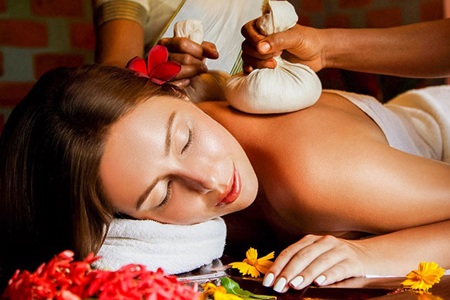
In the Malayalam calendar, Karkidakam – the last month of the year falls during the monsoon season. It is considered as a month of poverty and diseases and your immunity will be at its lowest during this month. This is when Karkidaka Chikitsa – an exclusive Ayurvedic therapy – plays its part.   This treatment improves your immunity and helps your body prepare for the year ahead.    What is Karkidaka Chikitsa ?   Karkidaka Chikitsa, also known as Monsoon treatment in Ayurveda, is a therapeutic style that originated in Kerala’s traditional healing practices. Karkidaka Chikitsa helps improve your immunity and physical and mental strength. It also helps remove toxins from your body and bring back a healthy, rejuvenated you!   During the monsoon, your Agni (digestive fire) is weak, making your body more prone to accumulating toxins (Ama). This results in sluggish digestion, frequent infections and overall fatigue. Karkidaka Chikitsa helps eliminate these toxins, reset your digestive fire and prepare your body for the months ahead.   Let us look into the depths of  Karkidaka Chikitsa, exploring its essence and benefits.     Common Karkidaka Chikitsa Methods     Here are the common treatment methods of Karkidaka Chikitsa that help build your immunity.   Abhyanga (Oil Massage)   Abhyanga is a traditional Ayurvedic oil massage practice that uses warm herbal oils on the entire body.   Benefits of Abhyanga   Strengthens the nervous system: The warm oil penetrates deep into tissues, nourishing nerve endings and reducing stress. Improved blood circulation: Abhyanga helps enhance blood circulation in the body. Detox the body: Abhyanga helps in loosening and liquefying body toxins and thereby makes excretion easier. Helps your skin glow: Regular use of oil on the skin helps to moisturize and soften your skin, giving it a natural, healthy glow. Decreases Stress: As Abhyanga relaxes your body and mind, it reduces stress.     How to Do Abhyanga ?   Take some oil in your palm and apply it gently on the top of your head – specifically, at the bregma.   Then, use your fingers to massage the scalp (you can also choose to massage the oil along the length of your hair).   Then, massage your face. Follow by massaging your hands, feet, and the rest of your body.   Use gentle, circular motions over joints, but with long strokes on limbs for the self-Abhyanga session at home.   Wash it off with warm water after 20 minutes by taking a shower.   The best oil for Abhyanga is organic black sesame oil. It is Vata subsiding and offers vigour and vitality.    Abhyanga not only strengthens your muscles and joints but also enhances your skin’s radiance.   Here’s how you can do Abhyanga at home:         Swedana   Swedana, or sudation therapy, is, in fact, a part of Panchakarma preparation. There are 13 types of Swedana. In each type, sweat is induced using different methods.     Benefits of Swedana   Alleviates joint pain: The heat from Swedana helps loosen stiff joints and reduce pain. Reduces toxins: Swedana, therefore, opens pores in the skin to help release toxins. Relieves muscle tension: The warm experience relaxes your muscles. Promotes respiratory health: The aroma from herbal steam helps clear sinus passageways and restore easy breathing.     How to Do Swedana ?   You can get it done at an Ayurvedic hospital under the supervision of a qualified Ayurvedic doctor.   If you want to do it at home, you can try this: Fill your bathtub with hot water. While doing so, make sure that the temperature of the water is neither too hot, nor too cold. Immerse yourself in the water for 15 minutes. This is called Avagaha Sweda.   Avoid your eyes while doing any kind of sweating treatment. Also, avoid Swedana if you are pregnant, consume alcohol regularly, or if you are a diabetic and take insulin.   Make sure you do not consume food within 1 hour of Swedana.   If you have never tried the authentic Ayurvedic way of Swedana treatments, you are completely missing out! You must try it at least once in your lifetime.     Panchakarma   Panchakarma is a full-body cleansing therapy that not only helps detoxify the body but also brings back the balance of the Doshas. It includes five types of Ayurvedic treatments – Vamana (emesis), Virechana (purgation), Basti (enema), Nasya (nasal administration), and Rakta Mokshan (blood purification).     Benefits of Panchakarma   Enhances mental clarity: The detoxification process clears brain fog and improves focus. Balances Doshas: This therapy balances Vata, Pitta, and Kapha Doshas of the body. Improves digestion: Panchakarma improves the digestive fire (Agni) in the body, hence improving digestion and assimilation of nutrients. Improves immunity: When Panchakarma flushes out all toxins in the body, it helps to boost overall immune strength and function.     How to Undergo Panchakarma ?   It is best to have Panchakarma treatment under the guidance of a qualified doctor.   An Ayurvedic doctor recommends the required Panchakarma treatment methods for a patient based on their Prakriti (body constitution) and health conditions.       Nasya   Nasya is the process in which oil is instilled via the nasal route. It is especially helpful in the monsoon as it protects us from recurring respiratory issues.   Benefits of Nasya   Enhances brain function: Nasya has been known to improve memory and concentration. Clears sinus: Nasya can clear congestion and sinus. Boosts respiratory health: It enhances the general function of your respiratory system to a great extent and relieves you from allergies, colds, etc. Great mental health: Nasya helps to obtain mental clarity and also cuts down the recurrence of headaches or migraines. Dosha balancing: It also helps balance the Vata and Kapha Doshas.     How to Do Nasya ?   I recommend using Nasya Oil and Steaming Oil to do Nasya. Massage your face, neck, and chest with Steaming Oil while applying slight pressure on… Continue reading Karkidaka Chikitsa- Top 4 Ayurvedic Treatments in Monsoon

Women Health Exploration Through Ayurvedic Lenses

Did you know that according to recent statistics, India faces significant health challenges among women? Women’s health is a treasure that must be maintained with the utmost attention. From reproductive issues to mental health concerns, women often bear the brunt of societal pressures and biological complexities.    About 30% of women in India experience reproductive health issues and mental health disorders affect around 20% of women.  A woman’s body undergoes incredible modifications and variances from the time she reaches adolescence until the life-changing stages of pregnancy, childbirth, and menopause.    Unfortunately, disrupting this delicate balance can lead to a variety of women’s-specific health difficulties. However, with the support of Ayurveda, women may embark on a path of healing and rejuvenation, regaining their well-being with grace and vitality.   Ayurveda shines a ray of hope in a world where stress, the environment, and hormone imbalances may all harm women’s health. The system of medicine recognizes that women need special care as they navigate the tangled web of their lives.    Ayurveda provides women with the skills they need to embark on a life-changing journey toward robust health by balancing the Doshas and supporting overall well-being. As an Ayurvedic doctor, I’ll shed light on how Ayurveda can be a game changer for women’s health. So, let’s dive in.    Let’s talk about women’s health first!   When we discuss women’s health, we recognize that it encompasses various issues at different stages of a woman’s life. Every woman goes through several massive changes over her lifetime. Menarche, pregnancy, postpartum, and menopause are vital changes.    The uterus, ovary, and breast are the three organs that carry out these physiologic functions. The vagina is another organ that is essential to a woman’s overall health. Female hormones are vital in many physiological and emotional changes, making them equally important factors.    Women have unique health challenges, ranging from pregnancy and menopause to gynaecological disorders such as uterine fibroids and pelvic floor abnormalities. Only women are impacted by the following health conditions. While some other ailments afflict males, they affect women more severely.     Gynaecological issues affecting women include menstruation and menstrual irregularities, urinary tract health, such as urinary incontinence and pelvic floor disorders, and ailments such as bacterial vaginosis, vaginitis, uterine fibroids, and vulvodynia.     Pregnancy-related issues include prenatal care, miscarriage, early birth, preterm labour, Sudden Infant Death Syndrome (SIDS), breastfeeding, and birth challenges. Uterine fibroids, polycystic ovary syndrome, endometriosis, and primary ovarian insufficiency are some of the disorders associated with infertility.     An add-on is the societal expectations of a woman centred on her weight and looks, in which she continually stresses herself out to try to achieve the perfect figure, unaware that it indirectly impacts their mental health as well.    How does Ayurveda come to the rescue?   Ayurvedic beliefs highlight that every woman is unique, and her health is affected by her distinct constitution, or Dosha, which might be Vata, Pitta or Kapha dominant. Menstruation, pregnancy, parenthood, and menopause are all distinct life stages that women will experience over their lives.   The ancient method also clarifies the importance of diet, natural medicines, and lifestyle choices. They are created exclusively for a woman’s requirements. These practices also highlighted the value of self-care, stress management, and emotional balance.   Hormonal Balance Ayurvedic medicines and treatments assist in managing the hormonal fluctuations that women regularly experience. They treat conditions including premenstrual syndrome (PMS), polycystic ovary syndrome (PCOS), irregular periods, and menopausal symptoms.   Fertility and Reproductive Health Ayurveda offers extensive recommendations for increasing fertility and improving reproductive health. It’s accomplished by food recommendations, natural remedies and lifestyle changes.   Menstrual Health Ayurvedic medicines for monthly discomfort include particular herbs, warm oil massages, and heat therapies to relieve cramps, bloating, and mood swings.   Pregnancy and Postpartum Care Ayurveda encourages a healthy pregnancy and a quick postpartum recovery. It offers advice on a healthy diet, prenatal yoga, herbal medicines, and complementary therapies for the mother and child’s health.   Menopausal Support Ayurveda uses herbal supplements, changes in diet, and relaxation techniques to assist people manage menopausal symptoms, including hot flashes, nocturnal sweating, mood swings, and insomnia.   Ayurvedic Practices for Women’s Health   Now, let us look at some ayurvedic techniques that advise for improving women’s health.   Abhyanga Abhyanga, the Ayurvedic practice of self-massage, is one of the most beneficial ways for women to care for their minds and bodies. The mild ritual, therefore, consists of applying warm oil to the body.  It has several benefits in addition to relaxing.    The process also helps to improve blood circulation and calm the nervous system. Abhyanga is particularly effective for women facing discomfort or menopausal symptoms. The therapy also helps to keep the joints lubricated and the skin healthy. Abhyanga promotes a profound connection with one’s body and increases self-awareness daily/anytime you desire some self-care.   Yoga and Pranayama Yoga and pranayama (breathing exercises) are two of the most effective methods advised by Ayurveda for women’s health. These activities promote body-mind harmony, making them crucial for emotional and physical well-being. Yoga positions, or asanas, can help with common conditions, including menstruation cramps and back discomfort.    They increase flexibility, strength, and posture for women of all ages. In contrast, pranayama focuses on breath control. Practising these strategies can be beneficial. They are a great way to relieve tension and relax your thoughts. One can readily adapt these techniques to any age group and can perform them with or without the assistance of an ayurvedic doctor.   Herbal Remedies Ayurveda offers a wealth of herbal therapies for addressing typical women’s health concerns. Several herbs give significant health advantages to women. They help promote hormonal balance, making them ideal for menstruation irregularities and menopausal symptoms.    Turmeric and ginger are well-known home treatments for digestive and inflammatory disorders. They identify as the root cause of a variety of women’s health issues.  Herbal drinks such as chamomile and peppermint might help relieve tension and anxiety.  … Continue reading Women Health Exploration Through Ayurvedic Lenses

Abhyanga Like a Pro: Master the Art of Self-Massage

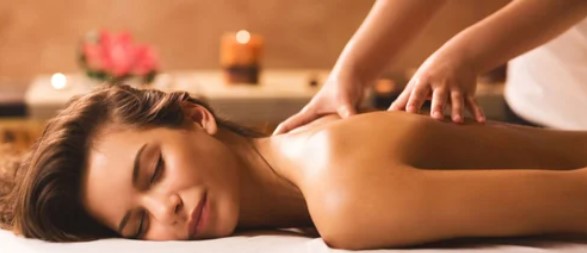
Abhyanga or daily self-oil massages are important to live a healthy long life according to Ayurveda. You might think of going to a spa and getting it done. But it is not practical. So, the most useful and effective way to do Abhyanga is in the comfort of your home.        Benefits of doing Abhyanga      Doing Abhyanga offers the following benefits:   Improves strength and flexibility of muscles, bones and joints Slows down ageing Improves skin health Relieves weakness, tiredness Improves sleep Reduces aches and pains in the body Nourishes tissues of the body Rejuvenates the body and promotes longevity      How to do Abhyanga at home?      Here’s how you can do Abhyanga at home:    The first step in performing Abhyanga is to choose the right oil. The ideal oil to do Abhyanga is organic black sesame oil, specifically the darkest or dark organic sesame oil available.    The steps    Ayurveda specifies the body parts you should focus on when you are doing it. These areas include the top of your head, your palms, feet, navel, ears, and face. These are the main areas you should massage.     You can also massage other parts of your body, especially your joints, because they tend to collect Vata, which is the air element. Vata increases when you move your body a lot, so it’s more in your joints. That’s why it is important to massage them with oil.  First, take some oil in your palm and gently apply it on the top of your head. Once you apply the oil, use your fingers to rub your scalp. If you want, you can also massage oil along the length of your hair.     Next, massage your face.     After that, massage your hands and feet, and then continue with the rest of your body. For your joints, move your hands in circular motions, but for other body parts, use longer up-and-down strokes.     When you’re massaging your legs, it’s a good idea to massage them in an upward direction, towards your heart.     When massaging your hands, fold them and use your hands to massage the long bones effectively.    Doing Abhyanga is crucial for maintaining good health, regardless of age. On days when you are really busy, you can, therefore, do a brief 2-to-3-minute Abhyanga.  However, you can do it for at least 5 to 10 minutes if you have ample time.    To know more about Abhyanga, download my ebook or watch my YouTube video.  If you are struggling with any health issues, you can either book a consultation with us or send us a message via WhatsApp to +91 79074 89839. We have the best Ayurvedic doctors in Trivandrum who are always glad to help you. If you have any queries, contact us.  You can also visit us at our hospital.