

Beyond Remedies: Ayurveda & the Body’s Intelligence

Most of us treat health like a problem‑solution game. Dry skin? Apply something moisturizing. Low energy? Drink something strong. Upset digestion? Take a quick‑fix remedy.   But Ayurveda asks us to pause and ask a deeper question: What is the body trying to tell us through these experiences?   As you continue listening to more insights from Ayurveda, you’ll noticed something beautiful.   The body is constantly adapting, and our role is to support that intelligence instead of overriding it.   Let us explore how this works in everyday life.   Not Everything Natural Is the Same   In today’s wellness world, “natural” is almost a magic word. But Ayurveda digs a little deeper and asks: How natural? And more importantly, how suitable is it for you?   Take camphor, for example. At first glance, it might seem like any camphor will do. But Ayurveda differentiates between:   Natural camphor (Bhimseni camphor) Synthetic camphor   They look similar, but their qualities are different.   Natural camphor has an irregular, crystalline shape and dissolves slowly. Synthetic camphor is uniform, very rigid, and burns with a harsher, sharper flame.   Why does this matter? Because subtle qualities affect how a substance interacts with the body. A harsh, synthetic version can irritate rather than soothe.   Ayurveda teaches us not to trust only the label, but to observe the qualities—how something feels, smells, and behaves. That attention to detail can make a big difference in how your body responds.   The Forgotten Art of Preparation   Another often overlooked part of health is how we prepare what we eat and use.   Take dry ginger powder, for example.   Making it at home usually means fresher, purer ingredients. Store‑bought is okay too, but only if you are sure it is unadulterated and of good quality.   Even the way you consume it matters. A small amount of dry ginger boiled briefly and then reduced in water can become a gentle digestive tonic. But this is not one‑size‑fits‑all advice.   If someone already has a lot of internal heat (Pitta), even something considered helpful like dry ginger can increase burning, acidity, or discomfort. In that case, it needs to be used cautiously or avoided until the heat is under control.   This shows a simple yet powerful idea: The same ingredient can heal or harm depending on the internal environment of the person.   The Body Is Not One System—It’s Many Working Together   Ayurveda does not see the body only as organs and bones. It describes the body as several functional energies working together in harmony.   One of the most beautiful frameworks is the five types of Vayu, or subtypes of Vata:   Prana Vayu – governs breathing, perception, and mental clarity Udana Vayu – supports speech, expression, and confidence Samana Vayu – manages digestion and assimilation Vyana Vayu – handles circulation and movement Apana Vayu – oversees elimination and reproductive functions   When you look at the body this way, symptoms start to make more sense.   For example, someone who struggles to speak clearly or feels hesitant to express themselves may not be dealing only with an emotional issue. It can also involve Udana Vayu being disturbed.   Similarly, poor circulation and stiffness are not just physical problems. They may indicate that Vyana Vayu needs support.   This interconnected view reminds us: Nothing in the body truly operates in isolation.   When Substitutes Are Not Real Substitutes   Modern thinking often asks, “Can I use this instead of that?” But Ayurveda is cautious about substitutes because it focuses on energy, not just appearance.   Take sesame oil, for example. It is widely considered ideal for daily use in many Ayurvedic practices. If you cannot find or use it, alternatives exist, but they are not equal.   White sesame oil can be acceptable, though it may be slightly less potent. Coconut oil can work, but it suits some people better in heat‑dominated conditions. Other oils may be suitable only after individual assessment.   And some substitutes, like certain refined seed oils, are simply not appropriate at all, even though they look similar.   Why such precision? Because Ayurveda does not just replace one ingredient with another. It works with qualities like heat, heaviness, lightness, and penetration, and matches them to the person’s condition.   Similarity in appearance does not mean similarity in effect.   Skin, Sensitivity, and the Limits of Moisturizing   We often treat dry skin as a surface problem. We apply more oil, carry more creams, and buy richer lotions.   But Ayurveda sees dry skin as a reflection of deeper imbalance, especially of Vata. When common oils are not tolerated, something like Shatadhauta Ghritam can be helpful.   Shatadhauta Ghritam is ghee that is transformed through repeated washing with water. It becomes cooling, light, and deeply soothing, and can be used as an external application.   Interestingly, even people sensitive to dairy may tolerate it on the skin, because:   It is processed differently It is used externally, not ingested   Still, Ayurveda adds important nuances:   It is not suitable for infected or oily skin. Sensitive individuals should always patch test first.   This level of personalization shows an essential truth: Healing is not about finding the single best product. It is about finding the right match for your body and condition.   Simple Practices, Done Mindfully   Some of the most powerful Ayurvedic practices are also the simplest.   Take foot soaks, for example.   Warm water alone can relax muscles and improve circulation. Adding a little salt can enhance the effect. Herbal decoctions can be used when extra support is needed.   No complicated steps. No fancy equipment. Just a simple, grounded practice done with awareness.   Even something as basic as water temperature matters.   Lukewarm water is usually preferred. It gently stimulates the body without shocking it, which supports smoother digestion and circulation.   These small details may seem minor, but they… Continue reading Beyond Remedies: Ayurveda & the Body’s Intelligence
Oil Pulling and Everyday Ayurvedic Self-Care for Better Health

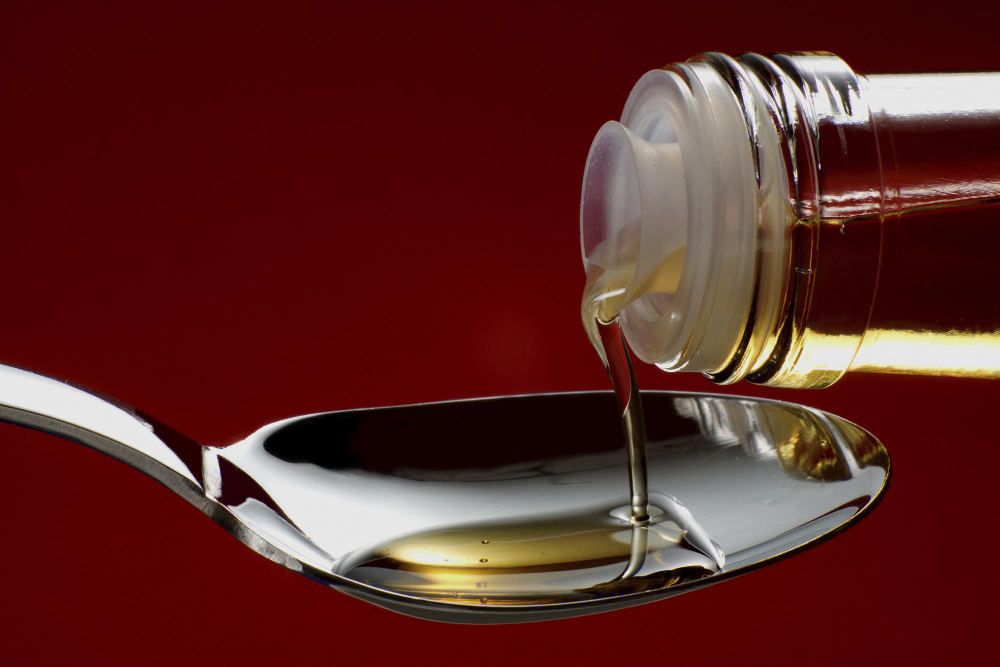
Ayurveda looks at daily self-care, diet and even subtle body signals as powerful ways to protect long term health. In a recent teaching session, an Ayurvedic doctor answered many practical questions on oil pulling, seasonal routines, doshas and simple home practices. When we view these answers together, a clear picture emerges of how nuanced and personalized Ayurveda truly is.   Oil Pulling: More Than Just Swishing Oil   From an Ayurvedic lens, the primary power of oil pulling lies in the technique rather than the substance alone. Holding and gently swishing oil in the mouth stimulates the oral tissues, enhances salivary flow and improves circulation to the gums, teeth, tongue and jaw.   The oil enters the fine channels in the mouth, loosens accumulated waste, sticky Kapha and microbial deposits and carries them out when it is finally spat out. Over time, this supports oral comfort, reduces local inflammation and indirectly helps the first stage of digestion, which is closely linked with overall Agni and immunity.   Typically, about one tablespoon of oil is enough for each practice, just sufficient to hold and move around the mouth comfortably without strain. The oil should be swished gently rather than with force.   Lukewarm boiled and cooled water is preferred if water is used for a similar practice, as it is kinder to the oral tissues and aligns with Ayurvedic principles of using warm water for cleansing.   Choosing the Right Medium for Oil Pulling   While the method drives most of the benefit, the liquid you choose adds its own therapeutic flavour.   Oil is nourishing and is traditionally used to strengthen gums, teeth, jaw and even the nerves connected to the oral region. Milk is cooling and soothing, particularly helpful in inflammatory oral conditions with burning, ulcers or injuries. Water is mainly cleansing and mildly stimulating but does not nourish in the same way as oils.   Black sesame oil stands out as the most widely recommended choice for routine oil pulling and is considered generally suitable for many constitutions when digestion is sound.   Other substances such as ghee, milk or honey are not blanket alternatives but are used only when clearly indicated, for example in certain inflammatory or burning oral conditions and always based on digestive strength. Castor oil is not considered a suitable medium for daily or routine oil pulling.   Importantly, oil pulling should be avoided when there is indigestion or Ama. Oil is heavy and unctuous, and when Agni is weak it can increase Kapha and Ama, worsening heaviness, coating on the tongue, nausea or sluggish digestion. Ideally, the tongue should be clean and digestion stable before making this practice a part of daily life.   Eye Health and Oil Pulling   There is also a traditional link between oral care and eye health. In Ayurveda, the mouth, eyes and brain are connected through subtle channels and nerves, so a well maintained oral cavity can indirectly support the eyes.   However, in acute eye diseases characterised by redness, discharge, infection or active inflammation, oil pulling can aggravate Kapha and congestion and is therefore avoided.   In contrast, in refractive issues such as poor eyesight, eye strain and regular use of glasses, oil pulling is generally considered safe and even beneficial as a supportive measure. It is not a cure for eye disease, but another way to maintain systemic balance that in turn nourishes the sense organs.   Special Situations: Allergies, Mouth Sores and Steroid Use   Oil selection becomes very individual in those with allergies or complex medical conditions. If someone is allergic to sesame, the practitioner will usually choose other gentle medicated oils or liquids based on constitution, digestive strength and oral status. Castor oil again is not a routine first choice.   For individuals with mouth sores, loss of taste buds or those currently on medications and steroids for serious illnesses such as cancer, the focus shifts to cooling and soothing substances.   Ghee is often recommended when digestion is adequate because of its lubricating and calming effect, and in some cases milk or coconut oil may also be used if there is burning or ulceration.   Strong or heating oils, including sesame, are usually avoided in these active inflammatory states and any practice is kept very gentle and based on the person’s tolerance.   In lactose intolerance or poor digestion, warm milk as a medium for pooling may itself aggravate symptoms and is therefore best avoided.   A2 ghee is usually preferred over generic ghee when used in indicated conditions, since it is considered easier to digest and better tolerated, although even ghee for oil pulling is not a routine recommendation but reserved for specific inflammatory or burning oral issues and only when Agni is reasonably strong.   Abhyanga, Hair Oils and Skin Care Choices   Ayurveda places great emphasis on appropriate oil selection for external therapies like abhyanga and head massage. Black sesame oil is classically praised as the most suitable base for daily body oiling because it is nourishing, penetrating and usually tolerable for many people when used correctly.   When black sesame is not available, cold pressed, unrefined white sesame oil is an acceptable substitute, though it may not offer the same depth of action. Nigella seed oil, however, is not recognised as a direct alternative to sesame oil in this context.   Other oils are never prescribed in a one size fits all manner. Any alternative must be chosen after considering the person’s dosha imbalance, skin type, local climate and specific complaints. Coconut oil, for instance, can be helpful where there is pronounced Pitta aggravation with heat and burning, while warmer oils may be preferred in strong Vata conditions. In Kapha dominant states, oils tend to be used more sparingly and selected very thoughtfully.   Castor oil, though valued in other therapeutic uses, is very heavy, sticky and strong and is not preferred for routine abhyanga. Mustard oil is hot and sharp and is generally avoided for… Continue reading Oil Pulling and Everyday Ayurvedic Self-Care for Better Health