
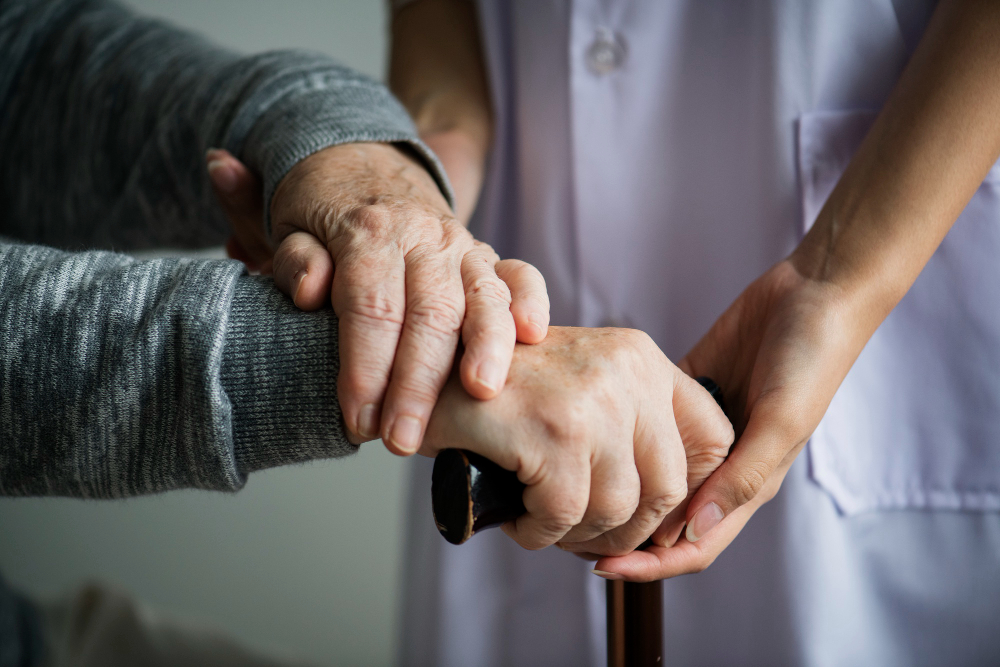
Understanding Parkinson’s Disease: A Simple Guide to Symptoms and Support

Parkinson’s disease is a brain condition that slowly gets worse over time. It starts by affecting how you move, like making your hands shake or your steps slow. But it goes deeper, touching sleep, mood, digestion, and daily joys. Millions face it worldwide, often starting after age 60, though it can hit younger people too.   This article explains Parkinson’s in plain words. We’ll cover what it is, why it happens, how it feels, and ways to manage it. It includes standard care and an Ayurvedic view for balance. The aim is clear facts to help you or a loved one feel more in control.     What is Parkinson’s Disease?   Think of your brain as a control center. It uses a chemical called dopamine to send smooth signals for walking, grabbing a cup, or smiling. In Parkinson’s, special brain cells that make dopamine die off which cause signals to glitch, movements to turn shaky, stiff, or slow.   It’s called a progressive neurological disorder. That means it worsens bit by bit. Early days might mean a slight hand tremor when resting. Months or years later, balance wobbles or speech slurs. There’s no full cure yet, but early steps make a big difference in comfort and function. Most cases show after 60, but 5-10% start younger. It affects men a touch more than women.     Causes and Risk Factors   No one cause fits all. It’s often a mix:   Brain cell loss: Dopamine factories in the substantia nigra area shut down slowly. Protein clumps called Lewy bodies gum up the works too. Age: Biggest factor. Brain cells naturally wear after 60. Genes: Rare types run in families. Common ones slightly raise odds if relatives have it. Environment: Farm chemicals like pesticides, weed killers, or factory fumes link to higher risk. Other triggers: Head injuries from sports or falls. Long stress. Poor gut health may play a role via the gut-brain link.   Daily habits don’t start it, but skipping sleep, junk food, or no exercise can speed symptoms. Smoking oddly lowers risk a bit, though no one suggests it.     Symptoms and Effects   Symptoms split into movement ones and hidden ones. They creep in slow, then build.   Movement symptoms:   Tremors: Hands shake like rolling a pill between fingers. Starts one side, worse at rest, eases with action. Stiffness: Muscles lock tight. Arms don’t swing walking. Back or neck hurts. Slow moves (bradykinesia): Buttoning shirts takes forever. Face freezes—no big expressions. Balance loss: Lean forward. Freeze mid-step. Falls rise.   Hidden symptoms:   Speech: Voice soft, slurs, or trails off. Words chop. Thinking: Memory slips. Focus fades, especially later. Mood: Sadness, worry, or feeling blank hits 50% of people. Body: Constipation blocks. Blood pressure drops standing. Sleep fights, kick or yell in dreams. Smell weakens early. Fatigue drags.     Conventional Management Overview   Doctors focus on easing symptoms and keeping function: Pills: Levodopa turns to dopamine in brain. Others mimic it or block breakdown. They cut shakes and stiffness well, but effects shorten over years. Side wiggles (dyskinesia) can pop. Exercise: Walking, boxing, dance, or cycling build strength. Aim 150 mins moderate weekly. Therapy: Physio for balance. Speech work for clear talk. Occupational help for home tasks. Advanced: Deep brain stimulation zaps steady signals via wires for tough cases.       The Need for a Deeper, Structured Approach   Pills calm shakes today, but Parkinson’s is a marathon. Body ultimately tires. Nerves need ongoing food. Digestion matters, poor gut starves brain. Quick fixes fade fast.   A deeper plan looks at whole body: Nerves, gut fire (energy to tissues), habits. Months of steady steps bring real shifts, like smoother walks or less fatigue. Regular check-ins tweak as needed.   Ayurvedic Perspective on Parkinson’s   Ayurveda names it Kampavata. Vata is the body’s air force: Moves nerves, joints, breath. Too much Vata dries channels. Nerves stutter. Shakes and stiffness grow. Weak Agni (digest fire) builds Ama (gunk), blocking nutrients to brain and muscles.   Causes mirror life: Cold foods, late nights, stress, age (Vata rises natural). Ayurveda balances Vata gently, no fight, just moisten, warm, steady. It adds to regular care, not replaces.   Ayurvedic Management Approach   Simple layers build over time. Consistency counts, weeks give calm, months rebuild. Nerve support Gut fix (Agni) Food   Outcomes and Expectations   Steady care often brings: Speech clears Tremors quiet Memory firms Coordination lifts Energy up Around 98% feel overall better with time. Some see 80% less shake or stiff. But it varies: Early stage wins bigger. Age, stick-to-it, body type matter. It slows slide, boosts function.   A Structured Approach to Parkinson’s Care For those looking beyond short-term symptom management, a more structured and consistent approach to care can make a meaningful difference over time. We offer a personalised 3-month Ayurvedic support program for Parkinson’s, designed to focus on improving function, slowing progression, and enhancing overall quality of life. This is not a quick intervention, but a guided process that works with the body steadily. The approach focuses on supporting neuromuscular coordination, improving speech and daily function, strengthening digestion (Agni), and addressing underlying imbalances that contribute to the condition. Care is provided in a structured manner, including regular consultations, ongoing reviews, daily monitoring when required, and guidance from both medical and nutrition perspectives. In certain cases, specific Ayurvedic cleansing therapies are included based on individual needs. Over time, patients have reported improvements in areas such as speech clarity, tremors, memory, and overall coordination. In some cases, significant improvements in specific symptoms have been observed. However, responses vary from person to person, and consistency plays a key role in outcomes. This initiative is offered as a service-driven effort. There are no consultation or program fees, medicines are provided at subsidised cost, and any contribution is voluntary. For those exploring a more consistent and holistic way to support Parkinson’s, this may be one approach to consider. WhatsApp +91 99011 26331 for enquiries! (Consulations, Products,… Continue reading Understanding Parkinson’s Disease: A Simple Guide to Symptoms and Support
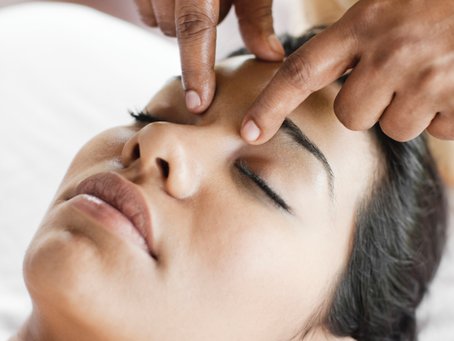
Marma Therapy and Its Amazing Benefits

Stress, pain, and fatigue have become an everyday struggle in today’s fast-paced life. And Ayurveda has the best solution for it- Marma therapy. It works, in fact, by stimulating special energy points in your body. These Marma points are like secret control centers that help balance your energy, improve circulation, and heal your body naturally.     What Are Marma Points?     Marma points are specific energy points in the body. You can think of these as ‘junctions’ where, in fact, muscles, nerves, bones, joints, and veins meet. There are 107 such junctions or Marma points described in Ayurveda which hold the vital energy in your body.  When these points are blocked, pain, fatigue or even emotional distress may arise. But when they are properly stimulated, your energy (Prana) can flow freely balancing your body and mind. Every Marma point corresponds to specific organs and Doshas (Vata, Pitta and Kapha). Hence, activating these points can cure many problem areas of your body.  Pretty cool, right?     Prana: The Life Energy Behind Marma Therapy     In Ayurveda, Prana is everything. It is the life force that keeps us alive, moving and functioning properly.   If your Prana is blocked, you feel sluggish, unhealthy and mentally clouded. But when it flows freely, you feel energetic, light and vibrant.   Marma therapy removes these energy blockages and it also, ensures that Prana is circulating properly. This is why people who receive Marma treatments feel instantly refreshed and full of life!     The Science Behind Marma Therapy     Now, you may be thinking — how is it possible to heal your body by just pressing certain points?Ayurveda has the right explanation for it.      Stimulation of nerves     There are, in fact, two types of nerves in our body: on one hand, sympathetic nerves, and on the other hand, parasympathetic nerves.   Sympathetic nerves act like an ‘action button,’ while parasympathetic nerves function as a ‘relax button.’    Parasympathetic nerves help the body relax, slow down, and heal. Any compression of these nerves, consequently, can disrupt the body’s natural healing mechanism.   Just like a good massage, applying gentle pressure to Marma points stimulates nerves, particularly those associated with the parasympathetic nervous system. This helps in:   Reducing stress and anxiety Enhancing mental clarity Aiding the body’s self-healing process   Therefore, if you are always stressed out, overthinking, and suffering from anxiety, Marma therapy can make you feel calm and composed.     Energy Flow Balance     According to Ayurveda, Prana or life energy is the force behind everything in our body. When Prana is flowing without any obstruction, we are healthy, full of life and balanced. But when there’s an energy blockage in a Marma point, we may feel tired, sick or emotionally stagnant.   Marma therapy, therefore, removes this energy blockage and, as a result, balances the Doshas (Vata, Pitta, Kapha) balance. This keeps your body and mind in balance.     Improved Circulation     The Marma points when pressed correctly enhance blood circulation. This means: Your tissues receive more oxygen and nutrients Quicker recovery from wounds Toxins are removed from the body The increased blood flow, consequently, can provide enormous relief for people with arthritis, muscle stiffness, or, in addition, chronic fatigue.     Restoration of Vitality     Do you feel depleted and exhausted, despite a full night’s sleep?  If your answer is yes, it’s possible that your body’s energy or Prana isn’t flowing properly.   Marma therapy improves the flow of energy in your body. As a result, you feel more energetic, refreshed and active. People who experience chronic stress, burnout, or physical exhaustion can benefit tremendously from just a couple of Marma Chikitsa sessions. No multi-vitamin and multimineral supplements are needed!     How Marma Therapy Heals the Body and Mind     Marma therapy doesn’t just work on the body—it also clears emotional blockages. Let’s take a look at how it benefits both:     Physical healing     Marma therapy helps with: Reducing pain (joint pain, muscle stiffness, headaches)  Boosting the immune system  Healing injuries faster Improving digestion and metabolism   Unlike modern medicines, it doesn’t just mask symptoms, but addresses the root cause of the problem, helping the body heal naturally.     Mental and emotional healing     Our mind and body are deeply connected. When we suppress emotions like stress, anger or grief, it often manifests as pain in the body.   Marma therapy releases these trapped emotions, making us feel lighter, calmer and more peaceful. It helps with: Reducing anxiety and overthinking Calming the nervous system Bringing emotional balance   Many people feel an instant sense of peace after a Marma session like a heavy weight has been lifted off their shoulders.     Key Marma Points and Their Benefits     There are 107 Marma points, but here are three of the most powerful ones:     Sthapani Marma (forehead point – between eyebrows)     Improves focus and memory Reduces headaches and stress Clears mental fog     Hridaya Marma (heart – center of chest)     Balances emotions and reduces anxiety Supports heart health Improves circulation     Nabhi Marma (navel point – center of belly)     Enhances digestion and metabolism Boosts energy levels Strengthens immunity   Stimulating these points regularly, consequently, can lead to better health, clarity, and, in addition, inner peace.     Healing Cervical Pain with Marma Therapy     I once had a patient who works in an IT job and was suffering from stiffness and pain in the cervical (neck) area. The pain radiated down to his hands and fingertips.   Why was the pain radiating?   Your vertebrae (spinal bones) are aligned one on top of the other. And there are holes through which the nerves pass. If you are constantly having a bad posture, this alignment gets disturbed. Consequently, these gaps compress the nerves that pass through them. Wherever the nerve goes you will have pain.    And the solution?   No amount of internal medicine can… Continue reading Marma Therapy and Its Amazing Benefits