
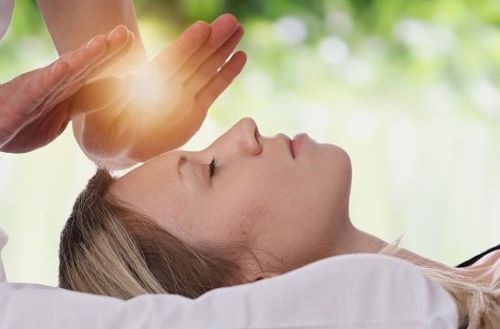
Healing Factors in Ayurveda

According to Ayurveda, health is not just the absence of disease, but a state of balance between the body, mind and spirit. Therefore, healing is a complex process that depends on various factors.     According to Ayurveda, there are three factors that influence healing in Ayurveda.    In this blog, let us take a closer look at each of these factors and how they impact healing.    Factors that influence healing      The factors are the strength of the disease (Roga Bala), the strength of the patient (Rogi Bala) and time (Kala).        Roga Bala: The strength of the disease       Roga Bala refers to the strength of the disease or the severity of the illness. In Ayurveda, diseases are classified based on their intensity, and treatment plans are tailored accordingly. Some diseases are considered mild, while others are more severe and require more intensive treatment. The strength of the disease depends on various factors such as its nature, duration and extent of involvement.     For example, a common cold is considered a mild disease, and most people recover from it within a few days with rest and home remedies. However, a chronic disease like diabetes requires long-term management and lifestyle modifications to prevent complications. In such cases, the strength of the disease is high, and the treatment plan needs to be more intensive.     Rogi Bala: The strength of the patient    Rogi Bala, refers to the strength of the patient; moreover, it signifies the ability of the body to fight the disease. In Ayurveda, each person is considered unique, and their constitution or Prakriti determines their susceptibility to diseases. Some people have a stronger constitution and can fight off diseases more easily, while others are more vulnerable and prone to illnesses.     The strength of the patient depends on various factors such as age, diet, lifestyle and genetics. For example, a young person with a healthy diet and active lifestyle is more likely to have a strong immune system and can fight off diseases more easily than an older person with a sedentary lifestyle and poor diet.     Time (Kala)     The third component that affects healing is time or Kala. In Ayurveda, time is crucial for healing and, consequently, overall well-being. There is, however, no overnight remedy for the majority of ailments.  Healing takes time. The severity of the sickness, the patient’s health and the success of the therapy are just a few of the variables that affect how long an illness lasts and how long it takes to recover.     For example, a mild infection like a sore throat may resolve on its own within a few days, while a severe infection like pneumonia may take several weeks to resolve with medication and rest. Similarly, a chronic disease like arthritis may require long-term management.    Understanding the above-mentioned factors is essential in developing an effective treatment plan for any disease.   If you’re looking to heal from any health conditions, book a consultation with us and we will help you!   If you are struggling with any health issues, you can either book a consultation with us or send us a message via WhatsApp to +91 79074 89839. We have the best Ayurvedic doctors in Trivandrum who are always glad to help you. If you have any queries, contact us.  You can also visit us at our hospital.  

Wild Turmeric Identification Tips

People often fail to recognize pure wild turmeric and mistake it for normal turmeric. It is mainly because people don’t know how exactly it looks like.    How to identify wild turmeric?      Wild turmeric or Kasturi Manjal is an essential part of Ayurveda for its medicinal and cosmetic properties. It has anti-inflammatory, anti-bacterial and anti-septic properties and is great for healing wounds and treating various health conditions.   As someone who is familiar with the characteristics of pure wild turmeric, there are a few things that I look for when trying to identify it:    Colour    The first property that distinguishes wild turmeric from its counterparts is colour. Pure wild turmeric typically has a beige colour that is uniform throughout. If the colour is bright yellow or orange, it may be an indication that the turmeric is not pure, and it is adulterated with yellow colour.     Texture     Secondly, I check the texture of the turmeric. The pure one tends to be harder and more fibrous than other types of turmeric. It may have a rough or slightly gritty texture when rubbed between the fingers.     Aroma    The last property to identifying it is its aroma. Pure wild turmeric has a strong, earthy smell that is distinctive from other types of trumeric . It may also have a slightly bitter or astringent scent.     In summary, when trying to recognize pure wild turmeric, look for a beige and uniform colour, a hard and fibrous texture, and a strong and earthy aroma.    Benefits     Anti–inflammatory properties    It is rich in antioxidants. You can boil water, add a tiny bit of turmeric and drink it twice a day for relief from a cough or sore throat.     In addition, It has anti-cancer properties. It thus reduces the risk of developing health problems by preventing free radicals from hurting our healthy cells and slowing down the growth and spread of tumours. It also helps diabetic to keep their sugar levels under control.    Strengthens immune system    Curcumin- the component that gives turmeric its yellow colour helps strengthen the immune system and ward off infections. This helps to suppress cytokines that cause inflammation and manage allergies.    Healing properties    It has natural healing propertieshelps treat both minor and major wounds and speeds up the healing process.  It also has properties that help repel mosquitoes and heal from mosquito bites.     Detoxifies liver    Turmeric also helps purify liver as well as protect other organs like heart, brain and kidneys. It is also used widely in treating different neurological health conditions, like Parkinson’s and Alzheimer’s.     Fights arthritis    The anti-inflammatory and neuroprotective properties of wild turmeric help cure arthritis. Curcumin in wild turmeric helps fight both inflammatory and degenerative arthritis. It can be used in daily cooking, added to tea or even consumed as a supplement to cure arthritis.     Great for skin    Wild turmeric has been used as a beauty product in India since centuries. It is great in curing tans and acnes, removing oil from skin and unwanted facial hair.    It offers a variety of benefits and is hence a widely used ingredient in cosmetic products as well as medicines. Its very similar to normal turmeric. So, the next time you buy pure wild turmeric, remember to look for the above-mentioned properties to identify it.   If you are struggling with any health issues, you can either book a consultation with us or send us a message via WhatsApp to +91 79074 89839. We have the best Ayurvedic doctors in Trivandrum who are always glad to help you. If you have any queries, contact us.  You can also visit us at our hospital.