Ayurveda and Menstrual Pain: Understanding Cramps, Clots and Mood Changes

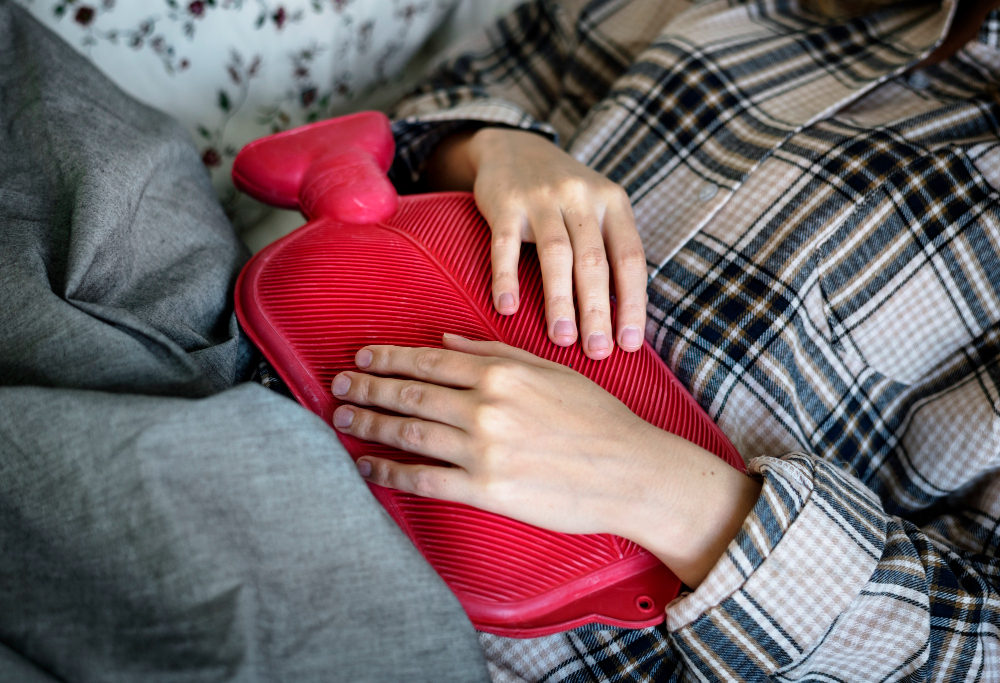
Menstrual pain, clots, and mood changes are very common, but they are not something every woman has to quietly suffer through. From an Ayurvedic perspective, these are signs that the body’s natural balance needs support. Ayurveda sees periods not as a “problem,” but as a reflection of how well digestion, hormones, and daily lifestyle are working.   Many women know the routine every month: lower‑abdomen cramps, passing clots, feeling bloated, tired, or suddenly emotional. In Ayurveda, these are not “just part of being a woman.” They are signals from the body that Vata and Pitta doshas are imbalanced, digestion is weak, and the reproductive system is under stress.   Instead of treating each symptom alone, Ayurveda looks at the whole picture: food, sleep, stress, emotions, and daily habits, and then offers gentle, natural ways to bring balance back.   Why Do Period Cramps Happen?   In Ayurveda, menstruation is seen as a natural downward movement controlled by an energy called Apana Vata. This energy helps the menstrual blood flow out smoothly.   When life is too fast, too stressful, or too cold for the body, this Apana Vata gets disturbed. The result is tightening, spasms, and cramping in the lower abdomen, back, and sometimes thighs.   Cramps usually start a few hours before the period or right when bleeding begins. They may come and go in waves and can be mild or very strong. Ayurveda views this as a sign that the body needs more warmth, rest, and calm routines, not just painkillers.   Are Clots and Heavy Bleeding Normal?   Passing small clots with your period is usually normal, especially if the bleeding is not too heavy and your cycle is otherwise regular. But large clots, very heavy bleeding, or periods lasting more than 7–8 days are signs that the body is out of balance.   Ayurveda links heavy, dark, or clotty flow mainly to Pitta dosha and disturbed Rakta dhatu (blood tissue). When Pitta is high, the blood can become hot, fast, and heavy, which leads to more bleeding and clots.   On the other hand, if the flow is very light, patchy, or very irregular, it is often linked to Vata imbalance, where the flow is weak and unsteady.   The goal in Ayurveda is to balance the doshas, support healthy digestion, and strengthen the reproductive tissues so that periods become regular, comfortable, and not painful.   Mood Swings, Anxiety and PMS   Many women feel more emotional, anxious, or easily irritated a week or two before their period. Ayurveda connects this to Vata and Pitta going out of balance in the mind and body.   Vata, which controls the nervous system, makes the mind restless and sensitive. Pitta adds intensity and sharpness to emotions. Together, they can create:   Feeling suddenly upset or tearful Feeling angry over small things Fear, anxiety, or racing thoughts   Stress, lack of sleep, and irregular eating make this worse. When the digestive fire (Agni) is weak, the body cannot digest food properly and also cannot handle stress and emotions, which leads to stronger PMS symptoms.   Simple Diet Changes During Your Period   During menstruation, the body is already delicate, so Ayurveda suggests eating light, warm, and easy‑to‑digest foods.   Here are some simple tips: Eat warm cooked meals like khichdi, vegetable soups, rice, and soft lentils. Sip warm water with ginger, fennel, or cumin to ease cramps. Avoid cold drinks, ice cream, raw salads, and too much fried food, as they increase Vata and pain. Have a light dinner early so the body can rest instead of digesting heavy food at night.   On bleeding days, it helps to avoid heavy exercise, intense workouts, and long travel and instead focus on rest, warmth, and gentle movement.   Lifestyle and Daily Habits for Better Periods   Your daily routine has a big impact on your periods. Ayurveda calls this Dinacharya (daily routine). A few simple changes can make a big difference:   Sleep and wake up around the same time every day, especially going to bed early. Avoid staying up very late or working on screens till midnight, as this aggravates Vata and Pitta. Take short gentle walks or practice mild yoga and stretching to improve blood flow in the pelvic area. Use warm water or warm showers instead of very cold baths to soothe the body.   A gentle self‑massage (Abhyanga) on the lower abdomen with warm oil a few days before the period can also relax muscles and reduce cramps.   Breathing and Mind Calming for Pain and Mood   Breathing practices help calm the mind and balance hormones. Simple techniques recommended in Ayurveda include:   Nadi Shodhana (alternate‑nostril breathing): 5–10 minutes daily to reduce anxiety and mood swings. Gentle Kapalabhati (quick exhalations): Helps clear the mind and improve circulation.   Spending 10 minutes each day in quiet breathing, without phones or screens, can greatly reduce stress‑related PMS and cramps.   Herbal Support, But Use Carefully   Ayurveda uses various herbs to support menstrual health, but they should always be taken under the guidance of a qualified Ayurvedic doctor. Some commonly used herbs include:   Shatavari: A gentle, cooling herb that nourishes the female reproductive system and helps with heavy or irregular bleeding. Ashoka: Helps regulate periods, reduce pain, and support a healthy uterus. Dashmoolarishta and similar herbal preparations: Used to balance hormones, reduce inflammation, and support long‑term menstrual health.   In chronic conditions like PCOD or endometriosis, trained Ayurvedic doctors may also suggest Panchakarma‑style therapies, such as gentle cleansing and special herbal treatments, over a few months.   When to Seek Help   Mild cramps and small mood changes are common, but severe pain, very heavy bleeding, large clots, or extreme mood swings are not normal. They can be signs of conditions like PCOD, endometriosis, fibroids, or hormonal imbalance.   If any of the following are true, it is important to see a doctor (Ayurvedic or modern): The pain is so strong that it stops daily work… Continue reading Ayurveda and Menstrual Pain: Understanding Cramps, Clots and Mood Changes
Periods with Shower : Facts, and Tips in Ayurveda

Does Ayurveda recommend taking showers during periods?   The answer is, “Yes.”   Ayurveda insists on not doing a lot of cooling practices and over-exertion during periods . This is primarily because periods is a time when your Vata is naturally high. So anything that increases Vata furthermore can disturb the balance of the body.   So, if you really want to take a shower, take a quick shower. It helps cleanse the body.   What does Ayurveda say about periods in women?   According to Ayurveda, menstruation (called Rajah Pravritti) is a natural physiological process unique to women, influenced by the balance of Doshas (Vata, Pitta, and Kapha), the state of the Dhatus (tissues) and the overall health of the individual.   Here’s how Ayurveda perceives periods in women:   Balanced menstrual cycle   A regular menstrual cycle with moderate flow, minimal discomfort, and a duration of about 3-5 days is considered indicative of good health in Ayurveda. This indicates a balanced state of doshas and proper functioning of the reproductive system.   Dosha influence   Menstrual imbalances are often attributed to disturbances in the Doshas: Vata: Irregular menstruation, scanty flow, and increased pain may occur due to Vata imbalance.   Pitta: Excessive bleeding, inflammation, and irritability during menstruation may be linked to Pitta imbalance.   Kapha: Heavy flow, lethargy, and bloating may be associated with Kapha imbalance.   Menstruation and cleansing   Ayurveda views menstruation as a natural detoxification process during which the body eliminates excess Pitta (heat) and Apana Vata (downward-moving energy) from the reproductive system. This cleansing aspect of menstruation is considered beneficial for overall health.   Role of hormones   While Ayurveda doesn’t specifically mention hormones as modern medicine does, it acknowledges the influence of subtle energies and physiological processes on menstrual health. The hormonal fluctuations during the menstrual cycle are seen as manifestations of Doshic influences and their impact on bodily functions.   Importance of rest and nourishment   Ayurveda advises women to take adequate rest during menstruation to conserve energy and support the body’s natural healing processes. It also emphasizes the consumption of warm, nourishing foods to replenish the body’s energy stores and promote balance during this time.   Why is Vata high during periods?   In Ayurveda, the concept of Vata refers to the Dosha associated with the elements of air and ether. Vata governs movement, including the movement of bodily fluids, nerve impulses, and thoughts.   During menstruation, people believe that Vata Dosha tends to increase or become aggravated in the body.  There are several reasons may elevate Vata during menstruation.   Movement of menstrual flow   Menstruation involves the downward movement of blood and tissue from the uterus through the cervix and vagina. This movement corresponds to the qualities of Vata, which governs downward movement in the body.   Change and instability   Menstruation is a time of significant change and transition in the body.  Disruptions in the body’s natural rhythms cause hormonal fluctuations.  These changes can worsen Vata Dosha, which exhibits qualities of movement, change, and instability.   Depletion of energy   People consider menstruation a physiological process that expends energy and resources from the body. This depletion of energy can contribute to an increase in Vata Dosha, as Vata is responsible for the movement and distribution of energy throughout the body.   Dryness and lightness   Vata is characterized by qualities of dryness, lightness, and roughness. During menstruation, there may be an increase in these qualities, leading to symptoms such as dry skin, constipation, or feelings of lightness or spaciness.   Emotional sensitivity   The nervous system and emotional balance closely link to Vata Dosha.  During menstruation, hormonal fluctuations and physical discomfort can lead to increased emotional sensitivity and vulnerability, which are characteristic of Vata imbalance.   What does Ayurveda suggest to do during periods?   Ayurveda offers various recommendations to support women during their menstrual cycles. These suggestions aim to promote comfort, balance Doshas, and enhance overall well-being. Here are some Ayurvedic practices to consider during menstruation:   Rest and relaxation   During menstruation, prioritize rest to conserve energy and support the body’s natural healing processes. Allow yourself to take breaks, reduce physical exertion, and engage in activities that promote relaxation, such as gentle yoga, meditation, or deep breathing exercises.   Maintain a regular routine   Stick to a consistent daily routine during menstruation to create stability and promote balance in the body and mind. This includes maintaining regular meal times, bedtime, and self-care practices.   Keep warm   To prevent Vata imbalance and promote comfort during menstruation, stay warm by dressing in layers, using heating pads or warm blankets, and avoiding exposure to cold drafts or environments.   Eat nourishing foods   Consume warm, nourishing foods that are easy to digest and provide essential nutrients to support your body during menstruation. Include cooked grains, cooked vegetables, soups, and warm herbal teas in your diet.   Stay hydrated   Drink plenty of warm fluids, such as herbal teas, warm water, or warm milk with spices like ginger or turmeric, to stay hydrated and support the proper elimination of toxins from the body.   Gentle exercise Engage in gentle movement practices like restorative yoga, walking, or light stretching to promote circulation, ease tension, and alleviate menstrual cramps.   Self-care practices   Practice self-care techniques to nurture and support yourself during menstruation. This may include taking warm baths, getting a soothing massage with warm herbal oils, or practicing abdominal massage to relieve menstrual discomfort.   Emotional well-being   Pay attention to your emotional health and practice self-compassion during menstruation. Allow yourself to express and process emotions in a supportive environment and engage in activities that uplift your spirits and promote emotional well-being.   Listen to your body   Above all, listen to your body’s signals and honour its needs during menstruation. Tune in to your intuition and make choices that support your overall health and well-being during this time.   Is it okay to have sex during periods?  … Continue reading Periods with Shower : Facts, and Tips in Ayurveda

Uterine Fibroids Treatment : How Ayurveda Offers Natural Relief

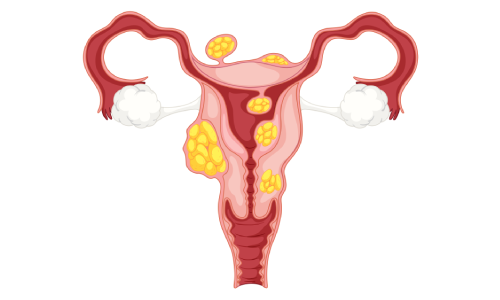
Uterine fibroids are non-cancerous growths in the uterus common in women in their reproductive ages. Modern medicine suggests strong medications and surgery as its  treatment. Unfortunately, most people resort to these methods without looking for other options.      While they can occur at any age, they are most prevalent among women in their 40s and early 50s. Studies show that about 20% to 80% of women will develop uterine fibroids by the time they reach the age of 50.        Do you know that Ayurveda can treat uterine fibroids and reduce them in size without strong medications and surgery?    What are uterine fibroids?    Uterine fibroids are benign tumours that develop within the uterine muscle. These growths can vary in size, number, and location within the uterus.     Symptoms of uterine fibroids    The following symptoms suggest that you may have uterine fibroids:   Heavy flow during periods   Longer periods lasting more than 10 days   Pain around the pelvis   Frequent urination & difficulty in emptying, etc.     However, they can be asymptomatic too, and you may detect it only with an ultrasound.    Ayurveda and uterine fibroids    Ayurvedically, we treat this based on the Dosha-Dhatu imbalance of individual patients, with Ayurvedic medicines, diet and routines. They can be completely reduced in size with Ayurveda.      Ayurvedic practitioners prescribe herbal formulations that aim to restore balance to the Doshas and promote the body’s natural healing processes. These herbal remedies can help reduce the size of fibroids and alleviate associated symptoms.    Ayurvedic dietary recommendations are personalized to address the specific Dosha imbalance. A balanced diet with an emphasis on whole foods, fruits, vegetables, and herbs is encouraged to support overall well-being.    Indeed, Ayurveda places great importance on daily routines (Dinacharya) and, furthermore, seasonal routines (Ritucharya).  Adhering to these routines can help maintain a harmonious balance within the body and mind, promoting healing.    But unfortunately, people consider Ayurveda the “last resort” or the “last option” when other medical systems fail.  Most patients come to Ayurveda for treatment for uterine fibroids only after they have grown quite big in size – when modern medicine has advised surgery as the only option. At this point, it becomes difficult even for a good Ayurvedic doctor to treat.      So, seek Ayurvedic support as soon as you are diagnosed with fibroids. Don’t wait for the fibroids to get bigger, even if it stays asymptomatic!  You can join our   Health Programs for mind and body detox.   If you are struggling with any health issues, you can either book a consultation with us or send us a message via WhatsApp to +91 79074 89839. We have the best Ayurvedic doctors in Trivandrum who are always glad to help you. If you have any queries, contact us.  You can also visit us at our hospital.

What yoga poses you shouldn’t be doing during periods?

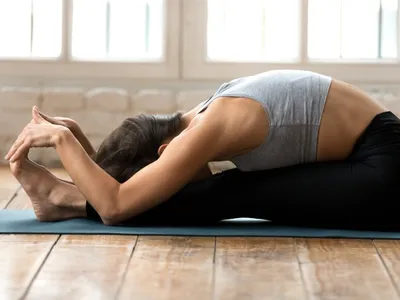
According to Ayurveda, your body goes through a lot of changes during menstruation. Excessive exercise, heavy workouts, and weight lifting may not be the right thing to do. Even Abhyanga, for that matter. So, try to avoid twisting yoga poses and poses that put pressure on your abdomen. You can do mild stretches.   Yoga Poses to Avoid:   Headstand (Sirsasana) Shoulder Stand (Sarvangasana) Handstand (Adho Mukha Vrksasana) Forearm Stand (Pincha Mayurasana) Revolved Triangle Pose (Parivrtta Trikonasana) Revolved Side Angle Pose (Parivrtta Parsvakonasana) Revolved Chair Pose (Parivrtta Utkatasana) Full Wheel Pose (Urdhva Dhanurasana) Bow Pose (Dhanurasana) Camel Pose (Ustrasana) Boat Pose (Navasana) Plank Pose (Phalakasana Crow Pose (Bakasana) Side Crow (Parsva Bakasana)   Instead, you may wish to focus on gentle, restorative yoga classes while you are on your period. Some of the more nourishing poses that are quite supportive and helpful in decreasing menstrual discomfort include Child’s Pose,  Butterfly Pose,  and  Seated Forward Bend.         Doctor Rekha is a 4th generation Ayurvedic Medicine Doctor (BAMS) living in between Dubai and India who has patients from around the globe who believes that the wisdom of Ayurveda can help everyone lead a happy, heathy and disease-free life.   You can join our Health Programs for mind and body detox. And If you are struggling with any health issues, you can book a consultation with us or give us a message via WhatsApp at +91 79074 89839. If you have any queries, contact us. You can also follow me on Instagram.