
Ayurveda and Menstrual Pain: Understanding Cramps, Clots and Mood Changes

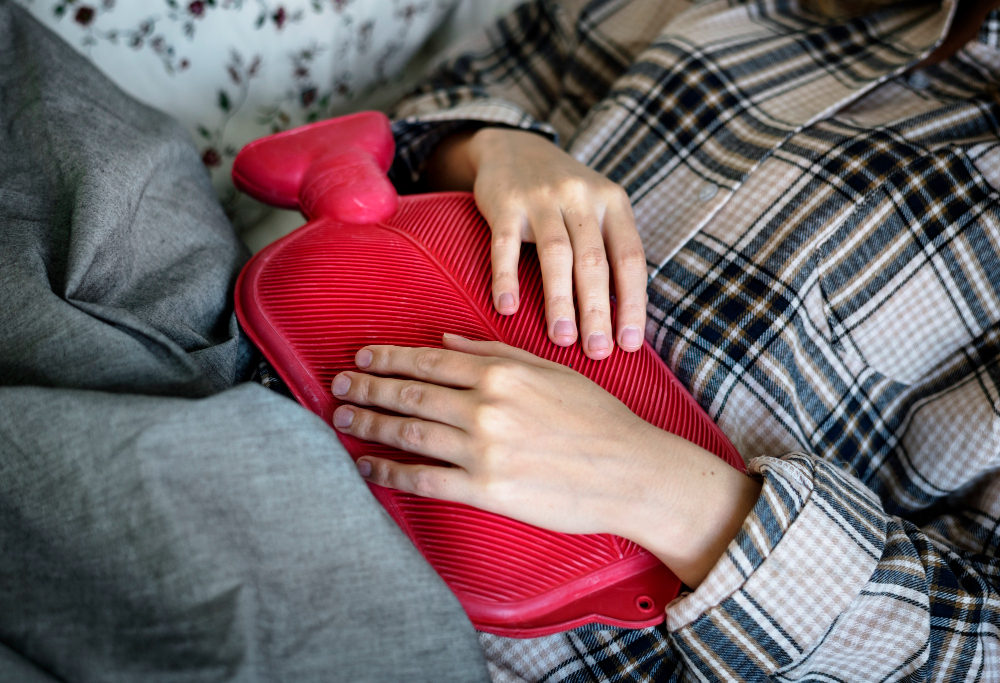
Menstrual pain, clots, and mood changes are very common, but they are not something every woman has to quietly suffer through. From an Ayurvedic perspective, these are signs that the body’s natural balance needs support. Ayurveda sees periods not as a “problem,” but as a reflection of how well digestion, hormones, and daily lifestyle are working.   Many women know the routine every month: lower‑abdomen cramps, passing clots, feeling bloated, tired, or suddenly emotional. In Ayurveda, these are not “just part of being a woman.” They are signals from the body that Vata and Pitta doshas are imbalanced, digestion is weak, and the reproductive system is under stress.   Instead of treating each symptom alone, Ayurveda looks at the whole picture: food, sleep, stress, emotions, and daily habits, and then offers gentle, natural ways to bring balance back.   Why Do Period Cramps Happen?   In Ayurveda, menstruation is seen as a natural downward movement controlled by an energy called Apana Vata. This energy helps the menstrual blood flow out smoothly.   When life is too fast, too stressful, or too cold for the body, this Apana Vata gets disturbed. The result is tightening, spasms, and cramping in the lower abdomen, back, and sometimes thighs.   Cramps usually start a few hours before the period or right when bleeding begins. They may come and go in waves and can be mild or very strong. Ayurveda views this as a sign that the body needs more warmth, rest, and calm routines, not just painkillers.   Are Clots and Heavy Bleeding Normal?   Passing small clots with your period is usually normal, especially if the bleeding is not too heavy and your cycle is otherwise regular. But large clots, very heavy bleeding, or periods lasting more than 7–8 days are signs that the body is out of balance.   Ayurveda links heavy, dark, or clotty flow mainly to Pitta dosha and disturbed Rakta dhatu (blood tissue). When Pitta is high, the blood can become hot, fast, and heavy, which leads to more bleeding and clots.   On the other hand, if the flow is very light, patchy, or very irregular, it is often linked to Vata imbalance, where the flow is weak and unsteady.   The goal in Ayurveda is to balance the doshas, support healthy digestion, and strengthen the reproductive tissues so that periods become regular, comfortable, and not painful.   Mood Swings, Anxiety and PMS   Many women feel more emotional, anxious, or easily irritated a week or two before their period. Ayurveda connects this to Vata and Pitta going out of balance in the mind and body.   Vata, which controls the nervous system, makes the mind restless and sensitive. Pitta adds intensity and sharpness to emotions. Together, they can create:   Feeling suddenly upset or tearful Feeling angry over small things Fear, anxiety, or racing thoughts   Stress, lack of sleep, and irregular eating make this worse. When the digestive fire (Agni) is weak, the body cannot digest food properly and also cannot handle stress and emotions, which leads to stronger PMS symptoms.   Simple Diet Changes During Your Period   During menstruation, the body is already delicate, so Ayurveda suggests eating light, warm, and easy‑to‑digest foods.   Here are some simple tips: Eat warm cooked meals like khichdi, vegetable soups, rice, and soft lentils. Sip warm water with ginger, fennel, or cumin to ease cramps. Avoid cold drinks, ice cream, raw salads, and too much fried food, as they increase Vata and pain. Have a light dinner early so the body can rest instead of digesting heavy food at night.   On bleeding days, it helps to avoid heavy exercise, intense workouts, and long travel and instead focus on rest, warmth, and gentle movement.   Lifestyle and Daily Habits for Better Periods   Your daily routine has a big impact on your periods. Ayurveda calls this Dinacharya (daily routine). A few simple changes can make a big difference:   Sleep and wake up around the same time every day, especially going to bed early. Avoid staying up very late or working on screens till midnight, as this aggravates Vata and Pitta. Take short gentle walks or practice mild yoga and stretching to improve blood flow in the pelvic area. Use warm water or warm showers instead of very cold baths to soothe the body.   A gentle self‑massage (Abhyanga) on the lower abdomen with warm oil a few days before the period can also relax muscles and reduce cramps.   Breathing and Mind Calming for Pain and Mood   Breathing practices help calm the mind and balance hormones. Simple techniques recommended in Ayurveda include:   Nadi Shodhana (alternate‑nostril breathing): 5–10 minutes daily to reduce anxiety and mood swings. Gentle Kapalabhati (quick exhalations): Helps clear the mind and improve circulation.   Spending 10 minutes each day in quiet breathing, without phones or screens, can greatly reduce stress‑related PMS and cramps.   Herbal Support, But Use Carefully   Ayurveda uses various herbs to support menstrual health, but they should always be taken under the guidance of a qualified Ayurvedic doctor. Some commonly used herbs include:   Shatavari: A gentle, cooling herb that nourishes the female reproductive system and helps with heavy or irregular bleeding. Ashoka: Helps regulate periods, reduce pain, and support a healthy uterus. Dashmoolarishta and similar herbal preparations: Used to balance hormones, reduce inflammation, and support long‑term menstrual health.   In chronic conditions like PCOD or endometriosis, trained Ayurvedic doctors may also suggest Panchakarma‑style therapies, such as gentle cleansing and special herbal treatments, over a few months.   When to Seek Help   Mild cramps and small mood changes are common, but severe pain, very heavy bleeding, large clots, or extreme mood swings are not normal. They can be signs of conditions like PCOD, endometriosis, fibroids, or hormonal imbalance.   If any of the following are true, it is important to see a doctor (Ayurvedic or modern): The pain is so strong that it stops daily work… Continue reading Ayurveda and Menstrual Pain: Understanding Cramps, Clots and Mood Changes

Women Health Exploration Through Ayurvedic Lenses

Did you know that according to recent statistics, India faces significant health challenges among women? Women’s health is a treasure that must be maintained with the utmost attention. From reproductive issues to mental health concerns, women often bear the brunt of societal pressures and biological complexities.    About 30% of women in India experience reproductive health issues and mental health disorders affect around 20% of women.  A woman’s body undergoes incredible modifications and variances from the time she reaches adolescence until the life-changing stages of pregnancy, childbirth, and menopause.    Unfortunately, disrupting this delicate balance can lead to a variety of women’s-specific health difficulties. However, with the support of Ayurveda, women may embark on a path of healing and rejuvenation, regaining their well-being with grace and vitality.   Ayurveda shines a ray of hope in a world where stress, the environment, and hormone imbalances may all harm women’s health. The system of medicine recognizes that women need special care as they navigate the tangled web of their lives.    Ayurveda provides women with the skills they need to embark on a life-changing journey toward robust health by balancing the Doshas and supporting overall well-being. As an Ayurvedic doctor, I’ll shed light on how Ayurveda can be a game changer for women’s health. So, let’s dive in.    Let’s talk about women’s health first!   When we discuss women’s health, we recognize that it encompasses various issues at different stages of a woman’s life. Every woman goes through several massive changes over her lifetime. Menarche, pregnancy, postpartum, and menopause are vital changes.    The uterus, ovary, and breast are the three organs that carry out these physiologic functions. The vagina is another organ that is essential to a woman’s overall health. Female hormones are vital in many physiological and emotional changes, making them equally important factors.    Women have unique health challenges, ranging from pregnancy and menopause to gynaecological disorders such as uterine fibroids and pelvic floor abnormalities. Only women are impacted by the following health conditions. While some other ailments afflict males, they affect women more severely.     Gynaecological issues affecting women include menstruation and menstrual irregularities, urinary tract health, such as urinary incontinence and pelvic floor disorders, and ailments such as bacterial vaginosis, vaginitis, uterine fibroids, and vulvodynia.     Pregnancy-related issues include prenatal care, miscarriage, early birth, preterm labour, Sudden Infant Death Syndrome (SIDS), breastfeeding, and birth challenges. Uterine fibroids, polycystic ovary syndrome, endometriosis, and primary ovarian insufficiency are some of the disorders associated with infertility.     An add-on is the societal expectations of a woman centred on her weight and looks, in which she continually stresses herself out to try to achieve the perfect figure, unaware that it indirectly impacts their mental health as well.    How does Ayurveda come to the rescue?   Ayurvedic beliefs highlight that every woman is unique, and her health is affected by her distinct constitution, or Dosha, which might be Vata, Pitta or Kapha dominant. Menstruation, pregnancy, parenthood, and menopause are all distinct life stages that women will experience over their lives.   The ancient method also clarifies the importance of diet, natural medicines, and lifestyle choices. They are created exclusively for a woman’s requirements. These practices also highlighted the value of self-care, stress management, and emotional balance.   Hormonal Balance Ayurvedic medicines and treatments assist in managing the hormonal fluctuations that women regularly experience. They treat conditions including premenstrual syndrome (PMS), polycystic ovary syndrome (PCOS), irregular periods, and menopausal symptoms.   Fertility and Reproductive Health Ayurveda offers extensive recommendations for increasing fertility and improving reproductive health. It’s accomplished by food recommendations, natural remedies and lifestyle changes.   Menstrual Health Ayurvedic medicines for monthly discomfort include particular herbs, warm oil massages, and heat therapies to relieve cramps, bloating, and mood swings.   Pregnancy and Postpartum Care Ayurveda encourages a healthy pregnancy and a quick postpartum recovery. It offers advice on a healthy diet, prenatal yoga, herbal medicines, and complementary therapies for the mother and child’s health.   Menopausal Support Ayurveda uses herbal supplements, changes in diet, and relaxation techniques to assist people manage menopausal symptoms, including hot flashes, nocturnal sweating, mood swings, and insomnia.   Ayurvedic Practices for Women’s Health   Now, let us look at some ayurvedic techniques that advise for improving women’s health.   Abhyanga Abhyanga, the Ayurvedic practice of self-massage, is one of the most beneficial ways for women to care for their minds and bodies. The mild ritual, therefore, consists of applying warm oil to the body.  It has several benefits in addition to relaxing.    The process also helps to improve blood circulation and calm the nervous system. Abhyanga is particularly effective for women facing discomfort or menopausal symptoms. The therapy also helps to keep the joints lubricated and the skin healthy. Abhyanga promotes a profound connection with one’s body and increases self-awareness daily/anytime you desire some self-care.   Yoga and Pranayama Yoga and pranayama (breathing exercises) are two of the most effective methods advised by Ayurveda for women’s health. These activities promote body-mind harmony, making them crucial for emotional and physical well-being. Yoga positions, or asanas, can help with common conditions, including menstruation cramps and back discomfort.    They increase flexibility, strength, and posture for women of all ages. In contrast, pranayama focuses on breath control. Practising these strategies can be beneficial. They are a great way to relieve tension and relax your thoughts. One can readily adapt these techniques to any age group and can perform them with or without the assistance of an ayurvedic doctor.   Herbal Remedies Ayurveda offers a wealth of herbal therapies for addressing typical women’s health concerns. Several herbs give significant health advantages to women. They help promote hormonal balance, making them ideal for menstruation irregularities and menopausal symptoms.    Turmeric and ginger are well-known home treatments for digestive and inflammatory disorders. They identify as the root cause of a variety of women’s health issues.  Herbal drinks such as chamomile and peppermint might help relieve tension and anxiety.  … Continue reading Women Health Exploration Through Ayurvedic Lenses

Periods with Shower : Facts, and Tips in Ayurveda

Does Ayurveda recommend taking showers during periods?   The answer is, “Yes.”   Ayurveda insists on not doing a lot of cooling practices and over-exertion during periods . This is primarily because periods is a time when your Vata is naturally high. So anything that increases Vata furthermore can disturb the balance of the body.   So, if you really want to take a shower, take a quick shower. It helps cleanse the body.   What does Ayurveda say about periods in women?   According to Ayurveda, menstruation (called Rajah Pravritti) is a natural physiological process unique to women, influenced by the balance of Doshas (Vata, Pitta, and Kapha), the state of the Dhatus (tissues) and the overall health of the individual.   Here’s how Ayurveda perceives periods in women:   Balanced menstrual cycle   A regular menstrual cycle with moderate flow, minimal discomfort, and a duration of about 3-5 days is considered indicative of good health in Ayurveda. This indicates a balanced state of doshas and proper functioning of the reproductive system.   Dosha influence   Menstrual imbalances are often attributed to disturbances in the Doshas: Vata: Irregular menstruation, scanty flow, and increased pain may occur due to Vata imbalance.   Pitta: Excessive bleeding, inflammation, and irritability during menstruation may be linked to Pitta imbalance.   Kapha: Heavy flow, lethargy, and bloating may be associated with Kapha imbalance.   Menstruation and cleansing   Ayurveda views menstruation as a natural detoxification process during which the body eliminates excess Pitta (heat) and Apana Vata (downward-moving energy) from the reproductive system. This cleansing aspect of menstruation is considered beneficial for overall health.   Role of hormones   While Ayurveda doesn’t specifically mention hormones as modern medicine does, it acknowledges the influence of subtle energies and physiological processes on menstrual health. The hormonal fluctuations during the menstrual cycle are seen as manifestations of Doshic influences and their impact on bodily functions.   Importance of rest and nourishment   Ayurveda advises women to take adequate rest during menstruation to conserve energy and support the body’s natural healing processes. It also emphasizes the consumption of warm, nourishing foods to replenish the body’s energy stores and promote balance during this time.   Why is Vata high during periods?   In Ayurveda, the concept of Vata refers to the Dosha associated with the elements of air and ether. Vata governs movement, including the movement of bodily fluids, nerve impulses, and thoughts.   During menstruation, people believe that Vata Dosha tends to increase or become aggravated in the body.  There are several reasons may elevate Vata during menstruation.   Movement of menstrual flow   Menstruation involves the downward movement of blood and tissue from the uterus through the cervix and vagina. This movement corresponds to the qualities of Vata, which governs downward movement in the body.   Change and instability   Menstruation is a time of significant change and transition in the body.  Disruptions in the body’s natural rhythms cause hormonal fluctuations.  These changes can worsen Vata Dosha, which exhibits qualities of movement, change, and instability.   Depletion of energy   People consider menstruation a physiological process that expends energy and resources from the body. This depletion of energy can contribute to an increase in Vata Dosha, as Vata is responsible for the movement and distribution of energy throughout the body.   Dryness and lightness   Vata is characterized by qualities of dryness, lightness, and roughness. During menstruation, there may be an increase in these qualities, leading to symptoms such as dry skin, constipation, or feelings of lightness or spaciness.   Emotional sensitivity   The nervous system and emotional balance closely link to Vata Dosha.  During menstruation, hormonal fluctuations and physical discomfort can lead to increased emotional sensitivity and vulnerability, which are characteristic of Vata imbalance.   What does Ayurveda suggest to do during periods?   Ayurveda offers various recommendations to support women during their menstrual cycles. These suggestions aim to promote comfort, balance Doshas, and enhance overall well-being. Here are some Ayurvedic practices to consider during menstruation:   Rest and relaxation   During menstruation, prioritize rest to conserve energy and support the body’s natural healing processes. Allow yourself to take breaks, reduce physical exertion, and engage in activities that promote relaxation, such as gentle yoga, meditation, or deep breathing exercises.   Maintain a regular routine   Stick to a consistent daily routine during menstruation to create stability and promote balance in the body and mind. This includes maintaining regular meal times, bedtime, and self-care practices.   Keep warm   To prevent Vata imbalance and promote comfort during menstruation, stay warm by dressing in layers, using heating pads or warm blankets, and avoiding exposure to cold drafts or environments.   Eat nourishing foods   Consume warm, nourishing foods that are easy to digest and provide essential nutrients to support your body during menstruation. Include cooked grains, cooked vegetables, soups, and warm herbal teas in your diet.   Stay hydrated   Drink plenty of warm fluids, such as herbal teas, warm water, or warm milk with spices like ginger or turmeric, to stay hydrated and support the proper elimination of toxins from the body.   Gentle exercise Engage in gentle movement practices like restorative yoga, walking, or light stretching to promote circulation, ease tension, and alleviate menstrual cramps.   Self-care practices   Practice self-care techniques to nurture and support yourself during menstruation. This may include taking warm baths, getting a soothing massage with warm herbal oils, or practicing abdominal massage to relieve menstrual discomfort.   Emotional well-being   Pay attention to your emotional health and practice self-compassion during menstruation. Allow yourself to express and process emotions in a supportive environment and engage in activities that uplift your spirits and promote emotional well-being.   Listen to your body   Above all, listen to your body’s signals and honour its needs during menstruation. Tune in to your intuition and make choices that support your overall health and well-being during this time.   Is it okay to have sex during periods?  … Continue reading Periods with Shower : Facts, and Tips in Ayurveda