
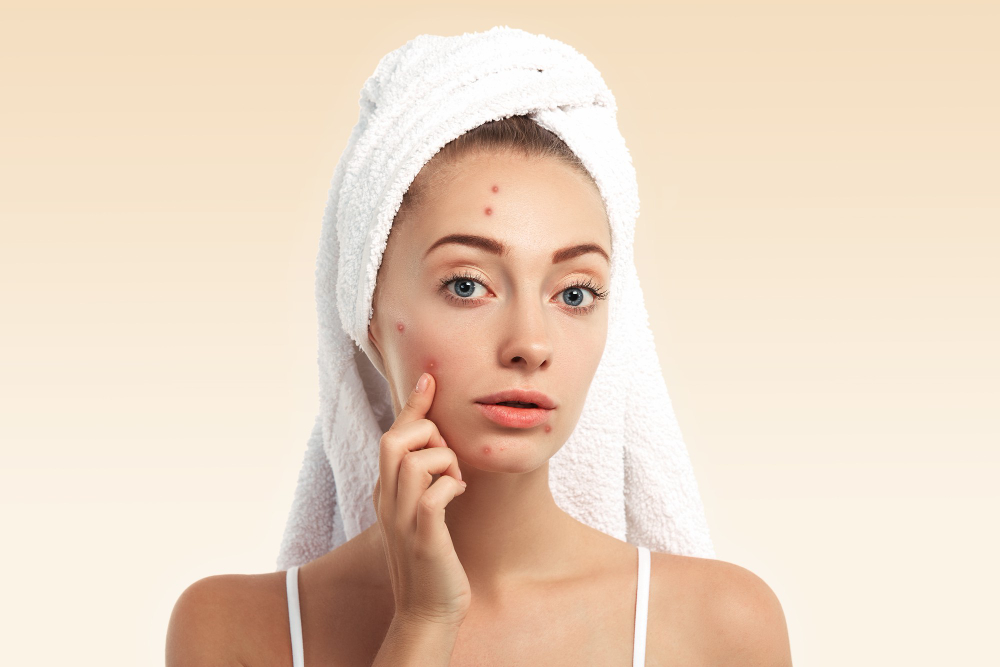
Acne, pimples and oily skin problems are some of the most common issues that people face today, especially teenagers and young adults. When these acne, pimples and oily skin problems keep coming back, it affects not only your face but also your confidence and mood. From an Ayurvedic point of view, acne, pimples and oily skin problems are not just surface-level concerns; they are signs that your inner balance, digestion and lifestyle need gentle correction. In Ayurveda, acne and pimples are commonly referred to as Mukhadushika, which means “impurities or blemishes on the face.” They are classified as a minor disease, but their impact on appearance and self-esteem can be quite major. Ayurveda explains that Mukhadushika happens when certain energies in the body called doshas, go out of balance, especially Pitta and Kapha, along with disturbance in Rakta (blood). When these are disturbed, they show up as oiliness, redness, swelling, blackheads, whiteheads and painful eruptions on the face. Role of Pitta, Kapha and Rakta in Skin Problems Ayurveda uses the concept of doshas to explain why acne, pimples and oily skin problems develop. Pitta is the heat, metabolism and transformation. When Pitta is high, it causes inflammation, redness and a burning sensation. On the face, this appears as red, tender, angry-looking pimples. Kapha stands for heaviness, coolness and oiliness. When Kapha increases, it leads to excess sebum (oil), stickiness and clogged pores, which then become blackheads, whiteheads or pus-filled pimples. Rakta (blood) carries nutrients and also heat around the body. When toxins (Ama) mix with Rakta and Pitta, the blood becomes “impure” and starts pushing out waste through the skin, leading to repeated breakouts and dull skin. In simple words, when Pitta and Kapha combine in impure blood, acne and pimples appear as the body’s way of throwing out this internal imbalance. Common Ayurvedic Causes of Acne, Pimples and Oily Skin Problems Ayurveda focuses a lot on day-to-day habits, because they are often the root cause of acne, pimples and oily skin problems. Some common triggers include: Regular eating of spicy, deep-fried, sour, junk and fast foods, which increases Pitta and heats the blood. Heavy, oily, cheesy, sugary foods and cold desserts, which aggravate Kapha and block skin channels with excess oil and mucus. Irregular meals, late-night dinners, overeating and poor digestion, which cause Ama (toxins) to build up and circulate in the body. High stress, mental pressure, anger and irritation, which directly worsen Pitta and trigger more breakouts. Staying up late, sleeping less and a disturbed sleep routine, which reduce the body’s natural ability to cleanse and repair at night. Overuse of heavy makeup, thick creams or comedogenic products, as well as hair products falling on the forehead, which clog the pores. If these root causes are not addressed, acne, pimples and oily skin problems keep returning even if you use strong creams or medicines. Skin Types and Dosha Patterns in Ayurveda To understand why some people, get more acne and oily skin than others, Ayurveda looks at your natural constitution (Prakriti). Pitta Skin Pitta-type skin is usually warm, soft, often a bit pink or reddish, and can react quickly to sun and heat. These individuals are prone to red, inflamed, burning pimples and rashes. For them, cooling foods, calming routines and gentle skin care are important. Kapha Skin Kapha-type skin is thick, cool, moist and often naturally oily, with visible pores especially on the T-zone (forehead, nose, chin). These people tend to get whiteheads, blackheads and even deep, cystic acne. Their skin responds well to light, non-greasy products, regular cleansing and more physical activity. Vata Skin Vata-type skin is usually dry, thin and rough. These individuals may get fewer oily pimples but can still develop small eruptions, uneven texture and dullness, especially if digestion is weak or if they use harsh, drying products. Many people with chronic acne, pimples and oily skin problems fall into a mixed Pitta–Kapha pattern: the skin is both hot and oily at the same time. Ayurvedic Treatment Principles for Acne and Oily Skin Ayurvedic treatment does not focus only on “killing germs.” Instead, it works on restoring balance in Pitta, Kapha and Rakta while supporting digestion and lifestyle. 1. Gentle and Regular Cleansing The face should be washed 2–4 times daily with lukewarm water to remove excess oil, sweat and dirt without irritating the skin. Extremely hot water and very harsh, foaming cleansers are avoided, because they can increase dryness and irritation, which then causes the skin to produce even more oil. Mild herbal cleansers are preferred. 2. Cleansing Blood and Reducing Toxins Since Rakta and Ama are involved in acne, pimples and oily skin problems, Ayurvedic care often includes herbs and formulas that purify the blood and support detoxification. Bitter and astringent herbs like neem and turmeric are commonly used because they cool the system, reduce inflammation and support natural healing of pimples. 3. Balancing Pitta and Kapha In most acne cases, both Pitta and Kapha need to be calmed together. Cooling measures (like avoiding very spicy foods and excessive heat), along with lighter, less oily diet and regular exercise, help to reduce this combination of heat and oil. The goal is to keep the skin cool, clean and balanced, not stripped or over-dried. 4. Supporting Digestion and Liver When digestion is irregular or weak, even healthy food can create Ama. Ayurvedic treatment often includes support for the digestive fire (Agni) and liver function. When digestion and liver work properly, hormones, fats and toxins are handled better, which naturally reduces acne and oily skin from within. Daily Routine Tips for Acne, Pimples and Oily Skin Problems A simple, consistent daily routine is one of the strongest tools in Ayurvedic care for acne and oily skin. Face Care Habits Wash your face with lukewarm water multiple times a day, especially after sweating or coming… Continue reading Ayurvedic Understanding of Acne, Pimples and Oily Skin Problems