
Understanding Hair Fall Through Ayurveda: Causes & Cures

Hair fall is a concern many people struggle with, especially during winter. As the temperatures drop, you might notice more strands of hair on your pillow and tangled in your hairbrush. While this can feel alarming, winter alone is not always the root cause of hair fall. Though it might seem concerning, hair fall in winter is quite common.   Let us understand it better through Ayurveda, which looks at hair health as a reflection of what is happening inside the body, not just on the scalp.   According to Ayurveda, hair is considered a byproduct of Asthi Dhatu – the bone tissue. This means that when your digestion, nutrition, and tissue formation are weak, your hair is often one of the first places where imbalance becomes visible. Instead of treating hair fall only with external products, Ayurveda focuses on correcting internal imbalances that affect hair growth and strength.   Why Does Hair Fall Increase in Winter?   Factors Triggering Hair Fall   Winter aggravates Vata Dosha in the body – the energy that governs movement, including circulation, nerve impulses, and cell division. When Vata becomes imbalanced, it creates dryness, roughness, and instability. This dryness directly affects the scalp and hair roots, leaving them weak, brittle, and prone to breakage.   Cold weather also reduces natural moisture in the skin and scalp. Blood circulation to the scalp may decrease, and digestion can become irregular if eating habits are not adjusted to the season. All these factors together weaken hair follicles and disturb the natural hair growth cycle.   Habits like inadequate hydration, excessive caffeine, irregular meals, and very hot showers can further increase dryness and lead to excessive hair fall. Many people also reduce oiling and nourishment routines during winter, which further worsens Vata imbalance.   Unlike quick fixes like moisturizing shampoos and expensive treatments that act superficially, it is important to strengthen and nourish the body from within to create healthy hair that grows consistently and remains strong over time.   In Ayurveda, hair is not separate from the rest of the body. Healthy hair grows from strong bones, and Asthi Dhatu depends on good digestion and proper absorption of nutrients. Hence, when digestion is weak and tissues don’t receive proper nourishment, it reflects in the form of thinning, breakage, greying, or slow growth.   There are also different types of hair problems caused by different energy imbalances, which means the same solution will not work for everyone.   For example, Khalitya is the slow, steady hair loss that usually starts from the front or crown when Pitta and Vata Doshas increase and block proper nourishment to the hair follicles. This type of hair fall is often gradual and associated with thinning and receding hairlines.   Indralupta is the type of hair loss where there is sudden loss of hair in patches. It appears more severe but often responds well when treated early with appropriate Dosha correction and improved scalp circulation.   Understanding which Dosha is disturbed helps in choosing the right diet, lifestyle, and therapies instead of following generic hair care trends.   What Is Causing Your Hair Fall?   Every person has a unique Prakriti (constitution) that directly affects their three Doshas. Let us determine the reasons behind hair fall by understanding common patterns.   If you have sudden hair fall with rough, dry hair, split ends, and an itchy scalp, it is commonly associated with Vata aggravation. It is mainly caused by irregular meals, lack of sleep, excessive screen time, mental stress, and long gaps between meals. Travel, anxiety, and inconsistent routines also increase Vata.   Shiro Abhyanga (head oil massage), regular daily routines, proper sleep, and light, nourishing foods can be helpful for this type of hair fall.   If you face thinning at the crown or temples, experience early greying, scalp sensitivity, or a burning sensation, it is often associated with Pitta imbalance caused by excessive caffeine, alcohol, spicy food, fried food, and heat exposure. Emotional stress and competitiveness can also aggravate Pitta.   Avoiding heavy and spicy foods, reducing stimulants, and including cooling foods like coconut, cucumber, coriander, and seasonal fruits in your diet can be helpful.   If you have a greasy scalp with sticky dandruff, itching, and slow thinning of hair, it is caused by Kapha imbalance, mainly due to lack of exercise, excessive oily or sugary food, overeating, and oversleeping. This type of scalp often has blocked follicles and poor circulation.   Consuming light foods, avoiding heavy dairy and fried items, and maintaining daily physical movement can help balance Kapha and improve scalp health.   The Real Reasons Your Hair Is Falling   1) Your Diet and Digestion   This is one of the most common underlying causes damaging your hair. Too much spicy, fried, processed, and junk food along with irregular meal timings and inadequate nutrition weakens your Agni (digestive fire). When Agni is weak, food is not converted efficiently into healthy tissues, leading to poor nourishment of bones and hair.   Poor digestion can also lead to Ama (toxins) buildup, which blocks nutrient delivery to hair follicles. Even if you are eating healthy foods, poor digestion can prevent proper absorption. That is why focusing only on supplements without improving digestion may not show long-term results.   2) Stress and Lifestyle   Modern life is stressful, which is one of the main reasons for Dosha imbalance. Chronic stress increases Vata and Pitta, both of which are harmful to hair when aggravated.   Late nights, excessive screen exposure, irregular sleep cycles, and constant mental stimulation prevent the body from repairing and regenerating tissues, including hair follicles. Poor sleep also affects hormone regulation, which further contributes to hair fall.   3) Hormonal Changes   After pregnancy or in conditions like PCOS, thyroid imbalance, and menopause, all three Doshas can become disturbed. These conditions affect metabolism, circulation, and tissue nourishment, directly impacting hair growth.   In such cases, external hair treatments alone are not enough. Proper internal treatment, dietary correction, and… Continue reading Understanding Hair Fall Through Ayurveda: Causes & Cures
Hypothyroidism: Why Your Metabolism Is Slowing Down

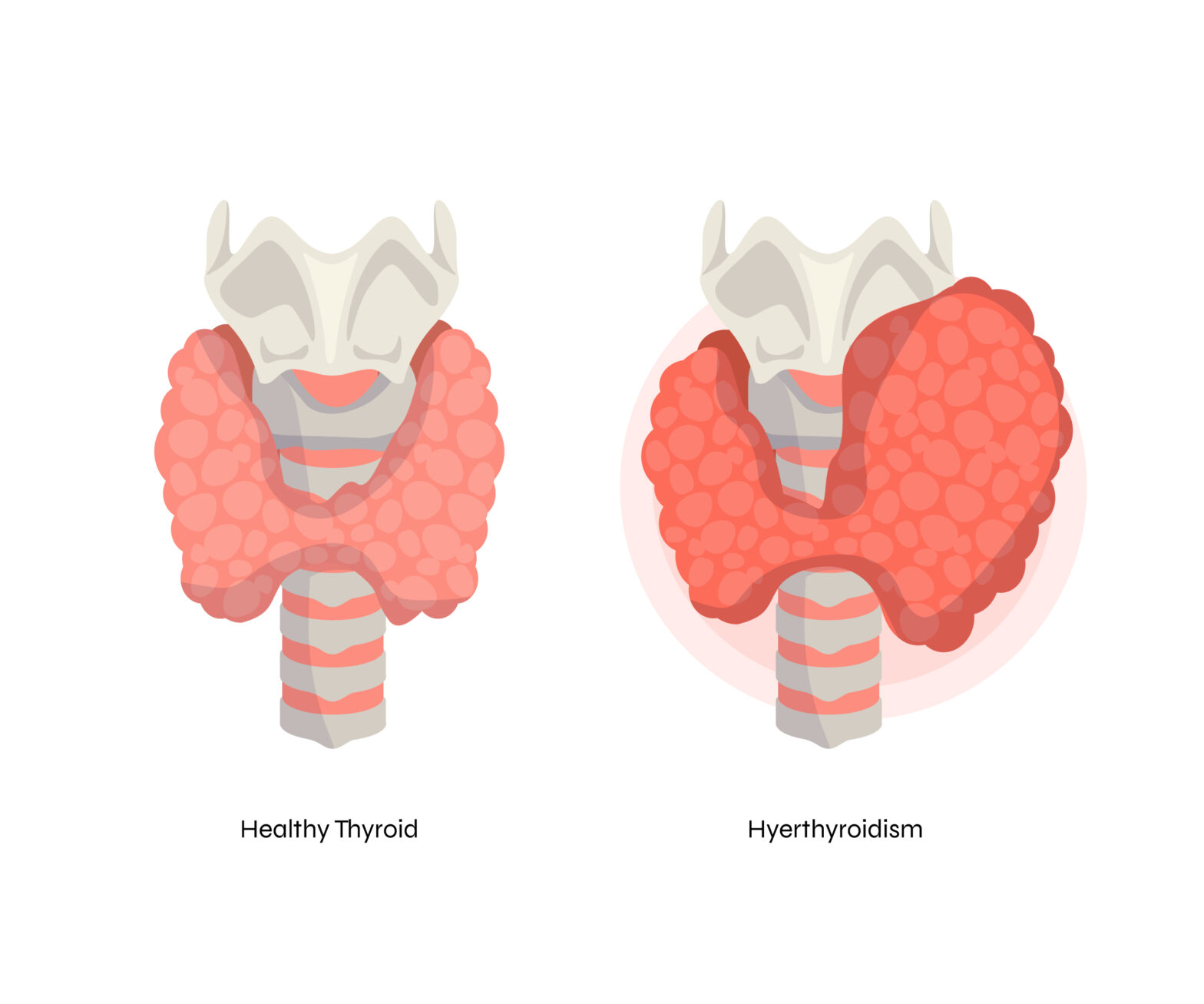
You’re doing everything “right” – eating well and sleeping enough. But you’re suddenly gaining weight, feeling tired all the time, or struggling with brain fog. Eventually, you get a diagnosis that brings both answers and new questions: hypothyroidism.   And it’s not just you. Hypothyroidism is becoming increasingly common these days.   If you’ve been diagnosed with hypothyroidism, or if you suspect something is wrong with your metabolism, read till the end to understand what’s happening inside your body and more importantly, what you can actually do about it.     What Is Hypothyroidism?   Hypothyroidism occurs when your thyroid gland doesn’t produce enough thyroid hormones. These hormones, primarily T3 and T4, are responsible for regulating your metabolism, which is essentially the rate at which your body burns calories and converts food into energy.   The condition is usually diagnosed through blood tests measuring TSH (Thyroid Stimulating Hormone) and free T4 levels.   Hashimoto’s thyroiditis is the most common cause of autoimmune hypothyroidism. In this condition, the immune system mistakenly identifies thyroid tissue as a threat and gradually attacks it. Over time, this immune response damages the thyroid gland’s ability to produce adequate hormones, leading to progressive slowing of metabolism.   Unlike temporary thyroid dysfunction caused by stress or nutrient deficiencies, Hashimoto’s is a chronic immune-mediated condition.   The immune system produces antibodies, most commonly thyroid peroxidase (TPO) antibodies and thyroglobulin antibodies, which interfere with normal hormone production.     The Hereditary Truth     Here’s something most people don’t realize: if your family has a history of hypothyroidism, your risk of developing it is significantly higher. Your thyroid hormone production capacity is determined by genetics.   In practical terms, if your mother has Hashimoto’s thyroiditis, your risk of developing the same condition is extremely high. Genetic inheritance plays a powerful role in autoimmune thyroid disorders, making proactive screening and preventive care essential. This is a condition that requires careful attention, regular monitoring, and early supportive measures rather than waiting for hormone levels to decline.   Some people are even born with congenital hypothyroidism, a condition present from birth where the thyroid gland doesn’t develop properly or function from the start.   But, even if you inherit the genetic tendency toward hypothyroidism, you might never develop it if you manage your lifestyle well. Conversely, you can be genetically resilient but still develop hypothyroidism if you’re exposed to enough environmental stressors.     The Ayurvedic View     In Ayurveda, hypothyroidism is understood through the concept of Udanavrita Samana Vata. It means, your thyroid problem starts with an imbalance in two Vata subtypes in your body, combined with excess Kapha heaviness.   Your thyroid gland is located in the throat region, which is governed by Udana Vata, one of the five subtypes of Vata Dosha. When Udana Vata becomes aggravated, it directly impacts your thyroid function.   This imbalance then spreads downward to Samana Vata, the type of Vata energy responsible for digestion and the absorption of nutrients.   When both Udana and Samana Vata are compromised, your Agni (digestive fire) becomes weak. This is when excess Kapha physically surrounds and blocks the Vata energy in your throat and digestive system.   The main symptoms are weight gain, bloating, constipation, water retention, sluggishness and cold intolerance.     Can Hypothyroidism Be Reversed?     This is one of the most common questions people ask after receiving a thyroid diagnosis. The honest answer is, it depends on the root cause, the stage of the condition, and how consistently lifestyle changes are applied.   If hypothyroidism is caused by temporary stress, nutritional deficiencies, gut imbalance, postpartum hormonal shifts, or early metabolic dysfunction, the thyroid can often recover partially or even completely with the right interventions.   However, if the condition is autoimmune (such as Hashimoto’s thyroiditis) or if the thyroid tissue has been significantly damaged, full reversal may not always be possible. In these cases, the focus shifts toward slowing progression, optimizing hormone levels, reducing symptoms, and improving overall quality of life.   The encouraging news is that regardless of the cause, your body can respond remarkably well when metabolic stress is reduced and digestion, immunity, and hormonal balance are supported properly.   Why Additional Testing is Important?     In some individuals, standard thyroid blood tests such as TSH, T3, and T4 may appear completely normal, yet the person continues to experience classic symptoms of hypothyroidism. These symptoms may include cold hands and feet, excessive sleepiness after meals, forgetfulness, slow metabolism, low energy, difficulty concentrating, and overall sluggishness.   In such cases, it becomes essential to evaluate thyroid antibodies, specifically:   Anti-TPO (Thyroid Peroxidase Antibodies) Anti-TG (Thyroglobulin Antibodies)   These tests help detect whether the immune system is attacking the thyroid gland, even before hormone levels become abnormal. Elevated antibody levels often indicate early or developing Hashimoto’s thyroiditis.     A Structured Path Toward Thyroid Balance     Rebalancing the thyroid is rarely about quick fixes or isolated treatments. From an Ayurvedic perspective, true healing happens when the body’s internal constitution is supported consistently through nutrition, daily routines, detoxification, emotional balance, and personalized care.   Personalized Assessment   Every individual has a unique constitution, digestive strength, stress response, emotional pattern, and lifestyle rhythm. A comprehensive assessment identifies the dominant doshic imbalances, digestive efficiency, toxin load, sleep quality, hormonal history, and mental resilience.   Strengthening Agni (Digestive Fire)   Healthy metabolism begins in the gut. When digestion improves, nutrient absorption becomes efficient, inflammation reduces, and hormone conversion stabilizes. Warm, freshly prepared meals, mindful eating, proper meal timing, hydration, and digestive herbs support Agni naturally.   Reducing Metabolic Toxins (Ama)   Detoxification practices help clear stagnation from tissues and channels. Gentle cleansing, proper elimination, hydration, breathing practices, and seasonal routines prevent toxin accumulation and support cellular rejuvenation.   Nourishing Ojus   Ojus represents immunity, vitality, resilience, and hormonal stability. Chronic stress, irregular lifestyle, excessive stimulation, poor sleep, and digestive weakness gradually deplete Ojus. Rebuilding Ojus requires nourishing foods, emotional balance, rest, grounding routines,… Continue reading Hypothyroidism: Why Your Metabolism Is Slowing Down