Understanding Hair Fall Through Ayurveda: Causes & Cures

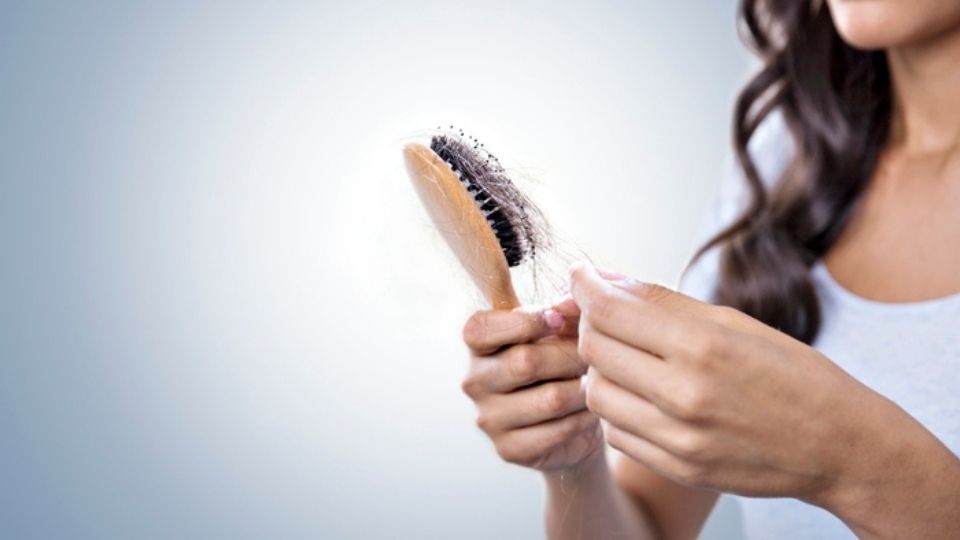
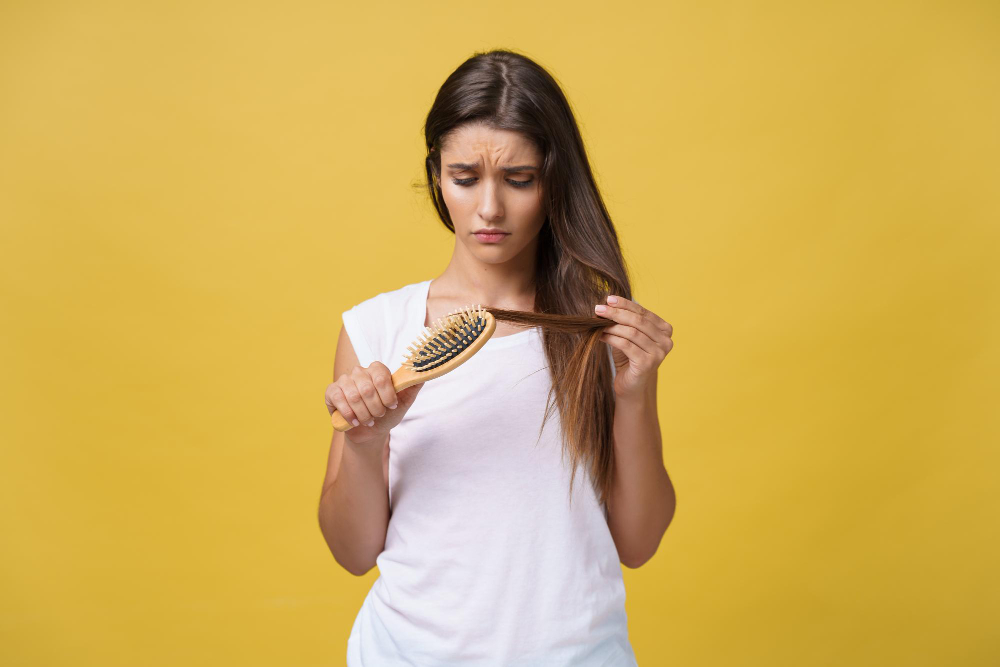
Hair fall is a concern many people struggle with, especially during winter. As the temperatures drop, you might notice more strands of hair on your pillow and tangled in your hairbrush. While this can feel alarming, winter alone is not always the root cause of hair fall. Though it might seem concerning, hair fall in winter is quite common.   Let us understand it better through Ayurveda, which looks at hair health as a reflection of what is happening inside the body, not just on the scalp.   According to Ayurveda, hair is considered a byproduct of Asthi Dhatu – the bone tissue. This means that when your digestion, nutrition, and tissue formation are weak, your hair is often one of the first places where imbalance becomes visible. Instead of treating hair fall only with external products, Ayurveda focuses on correcting internal imbalances that affect hair growth and strength.   Why Does Hair Fall Increase in Winter?   Factors Triggering Hair Fall   Winter aggravates Vata Dosha in the body – the energy that governs movement, including circulation, nerve impulses, and cell division. When Vata becomes imbalanced, it creates dryness, roughness, and instability. This dryness directly affects the scalp and hair roots, leaving them weak, brittle, and prone to breakage.   Cold weather also reduces natural moisture in the skin and scalp. Blood circulation to the scalp may decrease, and digestion can become irregular if eating habits are not adjusted to the season. All these factors together weaken hair follicles and disturb the natural hair growth cycle.   Habits like inadequate hydration, excessive caffeine, irregular meals, and very hot showers can further increase dryness and lead to excessive hair fall. Many people also reduce oiling and nourishment routines during winter, which further worsens Vata imbalance.   Unlike quick fixes like moisturizing shampoos and expensive treatments that act superficially, it is important to strengthen and nourish the body from within to create healthy hair that grows consistently and remains strong over time.   In Ayurveda, hair is not separate from the rest of the body. Healthy hair grows from strong bones, and Asthi Dhatu depends on good digestion and proper absorption of nutrients. Hence, when digestion is weak and tissues don’t receive proper nourishment, it reflects in the form of thinning, breakage, greying, or slow growth.   There are also different types of hair problems caused by different energy imbalances, which means the same solution will not work for everyone.   For example, Khalitya is the slow, steady hair loss that usually starts from the front or crown when Pitta and Vata Doshas increase and block proper nourishment to the hair follicles. This type of hair fall is often gradual and associated with thinning and receding hairlines.   Indralupta is the type of hair loss where there is sudden loss of hair in patches. It appears more severe but often responds well when treated early with appropriate Dosha correction and improved scalp circulation.   Understanding which Dosha is disturbed helps in choosing the right diet, lifestyle, and therapies instead of following generic hair care trends.   What Is Causing Your Hair Fall?   Every person has a unique Prakriti (constitution) that directly affects their three Doshas. Let us determine the reasons behind hair fall by understanding common patterns.   If you have sudden hair fall with rough, dry hair, split ends, and an itchy scalp, it is commonly associated with Vata aggravation. It is mainly caused by irregular meals, lack of sleep, excessive screen time, mental stress, and long gaps between meals. Travel, anxiety, and inconsistent routines also increase Vata.   Shiro Abhyanga (head oil massage), regular daily routines, proper sleep, and light, nourishing foods can be helpful for this type of hair fall.   If you face thinning at the crown or temples, experience early greying, scalp sensitivity, or a burning sensation, it is often associated with Pitta imbalance caused by excessive caffeine, alcohol, spicy food, fried food, and heat exposure. Emotional stress and competitiveness can also aggravate Pitta.   Avoiding heavy and spicy foods, reducing stimulants, and including cooling foods like coconut, cucumber, coriander, and seasonal fruits in your diet can be helpful.   If you have a greasy scalp with sticky dandruff, itching, and slow thinning of hair, it is caused by Kapha imbalance, mainly due to lack of exercise, excessive oily or sugary food, overeating, and oversleeping. This type of scalp often has blocked follicles and poor circulation.   Consuming light foods, avoiding heavy dairy and fried items, and maintaining daily physical movement can help balance Kapha and improve scalp health.   The Real Reasons Your Hair Is Falling   1) Your Diet and Digestion   This is one of the most common underlying causes damaging your hair. Too much spicy, fried, processed, and junk food along with irregular meal timings and inadequate nutrition weakens your Agni (digestive fire). When Agni is weak, food is not converted efficiently into healthy tissues, leading to poor nourishment of bones and hair.   Poor digestion can also lead to Ama (toxins) buildup, which blocks nutrient delivery to hair follicles. Even if you are eating healthy foods, poor digestion can prevent proper absorption. That is why focusing only on supplements without improving digestion may not show long-term results.   2) Stress and Lifestyle   Modern life is stressful, which is one of the main reasons for Dosha imbalance. Chronic stress increases Vata and Pitta, both of which are harmful to hair when aggravated.   Late nights, excessive screen exposure, irregular sleep cycles, and constant mental stimulation prevent the body from repairing and regenerating tissues, including hair follicles. Poor sleep also affects hormone regulation, which further contributes to hair fall.   3) Hormonal Changes   After pregnancy or in conditions like PCOS, thyroid imbalance, and menopause, all three Doshas can become disturbed. These conditions affect metabolism, circulation, and tissue nourishment, directly impacting hair growth.   In such cases, external hair treatments alone are not enough. Proper internal treatment, dietary correction, and… Continue reading Understanding Hair Fall Through Ayurveda: Causes & Cures

Can Ayurveda Really Stop Hair Loss?

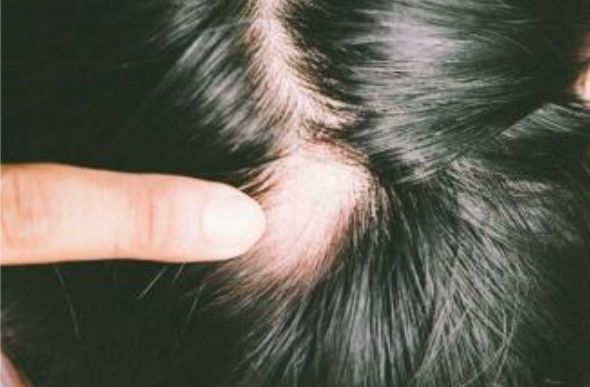
Does the sight of hair on your brush make you panic? Do you worry about thinning strands every time you run your fingers through your hair? Trust me, you’re not alone. Hair loss is a common concern, but the good news is, in most cases, it’s something you can overcome with Ayurveda.   Almost every patient who consults me, whether for thyroid issues, PCOS or even diabetes, deals with hair loss. They all ask me the same question – What do you suggest for hair growth and hair fall?   If you’ve been searching for answers, you’re at the right place.      Can Ayurveda Really Help with Hair Loss?     Is your hair loss reversible? The answer depends on the type of hair loss you have. Some conditions are completely reversible with Ayurvedic treatment, while others can only be managed or delayed.   In this blog, let’s discuss different types of hair loss, their causes, and how Ayurveda can help in each case.   1. Is your scalp completely shiny? Then Ayurveda can’t help.     One of the first things to check when dealing with hair loss is the condition of your scalp. Look at the area where you have lost hair.   If your scalp is completely smooth and shiny, with no tiny hair follicles or dots visible, then hair loss is irreversible. This happens because the hair follicles have atrophied (shrunken and died), meaning they cannot produce hair again.   This type of hair loss is known as scarring alopecia and can’t be treated with Ayurveda.    If you want to regain hair in such areas, modern treatments like hair transplants are the only option.   2. Some baby hair or tiny dots? Ayurveda can help!     Now, what if your scalp isn’t completely shiny?   If you see tiny dots or small baby hairs in the area where you’re experiencing hair loss, it means your hair follicles are not dead but dormant or weekend. In such cases, Ayurveda can help by reviving these follicles and promoting hair regrowth. Ayurvedic treatments like scalp massage, herbal oils, detoxification and a nourishing diet can stimulate these follicles back to life. So if you still have some hair left in the affected area, don’t lose hope. Your hair loss can be reversed with Ayurveda.     3. Autoimmune hair loss (Alopecia Areata)? It is completely reversible!     One of the most common autoimmune hair loss conditions is Alopecia Areata, where hair falls out in patches. If you see small, round bald patches on your scalp, eyebrows, or beard, it could be Alopecia Areata. The most unique sign of this condition is exclamation-mark-shaped hair where strands are thinner at the bottom and thicker at the top. Ayurveda calls this condition Indralupta and believes it happens due to: Pitta accumulation affecting hair follicles Obstruction of hair roots due to Kapha & Rakta (blood tissue) imbalance restricting the growth of hair Overconsumption of inflammatory foods, salty foods, and alkaline foods (eg. Apple cider vinegar) Stress Long unaddressed impaired digestion Krimi (parasites)   Ayurvedic Treatment for Alopecia Areata       Ayurveda can completely reverse this condition with: Detoxification – Removing toxins (Ama) from thehair fall baldness body Correcting diet – Eating a cooling, anti-inflammatory diet Herbal hair treatments – Hair oils, scalp scrubs, Nasya therapy, and Shiropichu (herbal oil application) If treated properly, Alopecia Areata is fully reversible, and you can regrow your hair naturally!       4. Hair loss from thyroid issues? Yes, there is hope!     If you are suffering from thyroid imbalance, your hair is falling mostly from the crown area (top of the head). Hypothyroidism and Hashimoto’s thyroiditis can lead to slow hair growth, brittle strands and diffuse thinning.   Thyroid imbalance is associated in Ayurveda with Dosha imbalance. Ayurveda focuses on balancing thyroid hormones naturally with: A Kapha and Vata balancing diet Herbal treatments to strengthen hair roots Stress management techniques like meditation and yoga   From the moment you start Ayurvedic treatment for your thyroid condition, hair fall can be stopped or significantly reduced. However, patience is key, as hair regrowth takes time.     5. Telogen Effluvium? Don’t worry at all!     Have you recently experienced extreme stress, rapid weight loss, a fever, or surgery? Then you might have Telogen Effluvium, a temporary hair loss condition. In this condition, large amounts of hair fall out suddenly, especially after a stressful event. The good news? This is not permanent, and hair can grow back naturally. Ayurveda can speed up hair regrowth by strengthening the hair follicles and nourishing the Asthi Dhatu (bone tissue) and Rakta Dhatu (blood tissue). So if your hair started shedding after an illness or stress, don’t panic! With proper care, it will grow back.   6. Genetic hair loss? Ayurveda can delay it!       If you have a family history of balding, you might have Androgenetic Alopecia (male/female pattern baldness). This condition is not completely reversible, but Ayurveda can help slow it down. By strengthening the existing hair follicles, we can delay the progression of balding. Ayurvedic oils, scalp massages and internal medicines help maintain hair for as long as possible.     7. Traction Alopecia? You can fix it yourself!     Do you always tie your hair in a tight ponytail, sleek bun, or fixed partition? This can lead to Traction Alopecia; consequently, it causes receding hairlines in women. You can fix this by: Changing hairstyles to reduce tension on hair roots Massaging the scalp with herbal oils to stimulate regrowth Using gentle hair scrubs to remove buildup If caught early, Traction Alopecia is completely reversible.       8. Postpartum hair loss? Your hair will be back soon!   If you have recently delivered and you’re noticing clumps of hair falling out, don’t panic. New mothers often experience heavy hair loss after giving birth. It is temporary. By the time your baby turns one, your hair growth cycle should return… Continue reading Can Ayurveda Really Stop Hair Loss?

Alopecia Areata – Causes and Treatment

Alopecia Areata is a condition where hair falls out in small patches, leaving bald spots on the scalp.  In Ayurveda, this condition is called ‘Indralupta’ and is said to result from the imbalance in our Doshas. Ayurveda approaches this by addressing the root causes rather than just symptoms, aiming for lasting results.   What is Alopecia Areata?     Alopecia Areata is an autoimmune disease that causes hair loss on the scalp and, in some cases, other areas of the body. This is different from regular hair fall as you lose your hair in patches.    The Causes   According to Ayurveda, diseases are usually the result of an imbalance in Doshas. Here are some underlying causes of Alopecia Areata: Pitta accumulation affecting hair follicles Obstruction of hair roots due to Kapha & Rakta (blood tissue) imbalance restricting growth of hair Over consumption of inflammatory foods, salty foods, and alkaline foods (e.g., apple cider vinegar); consequently, this can lead to various health issues. Stress Long unaddressed impaired digestion Krimi (parasites)     Ayurvedic Treatment for Alopecia Areata     Alopecia is an autoimmune disease that falls under ‘Kshudra Roga’ in Ayurveda. Kshudra Roga are diseases that not only affect the patient physically,  but also lower their self esteem and affect their mental health.  Therefore, while treating the condition, we give the treatment not only on a physical level, but also on an emotional and spiritual level.   Diagnosing and correcting the root causes   Ayurveda emphasises diagnosing and addressing the root cause of the issue rather than just treating symptoms.  This is done through dietary and lifestyle corrections, therapies and herbal medicines (if required). Personalised diet Ayurveda considers poor gut health as the root cause of all diseases.  So, the first step of treatment starts with recommending an Ayurvedic diet plan that aligns with the Prakriti or body type, Dosha imbalances and health conditions of the patient.  Daily routine (Dinacharya) Following a daily routine brings consistency and discipline into your life. Also, this consistency in meal times and exercise will have a positive impact on your life.  Herbal medicines Mild herbal medicines are also administered to the patient.      Ayurvedic cleansing therapies     Cleansing therapies like Panchakarma help remove toxins or Ama from the body – the accumulation of which can clog the channels and restrict hair growth.  These therapies not only help cleanse the body, but also the mind.    Haircare Routines The doctor recommends specific routines to the patient based on the vitiation of Dosha and Dhatu (tissues).   Nasya: Administration of medicated oil  into the nasal passage.     Shiropichu: This is a process in which medicated cotton pads dipped in oil  are applied to the scalp to strengthen the hair follicles and restore balance.   Haircare products: Using  hair oil, hair scrub and anti hairfall shampoo twice a week can also help.   Duration of Recovery    On average, Ayurvedic treatment to regain lost hair takes anywhere between 4 to 6 months. Moreover, there is a 95% no recurrence. Alopecia Areata can be challenging, but Ayurveda offers  treatment for the condition using natural ways and barely any side effects.    If you are struggling with any health issues, you can either book a consultation with us or send us a message via WhatsApp to +91 79074 89839. We have the best Ayurvedic doctors in Trivandrum who are always glad to help you. If you have any queries, contact us.  You can also visit us at our hospital.

Hair fall post COVID

I have seen many patients complaining about post-COVID hair fall. Here is all you need to know about it! About 90% of the hair fall post-COVID is due to a condition called Telogen Effluvium. Whenever the body is subjected to a phase of physical and emotional stress, it may lead to this condition. The good news is that this is a reversible hair fall and the hair will grow back but may take some time to get back to its fullness. During this condition, if you are someone with good iron levels, it will compensate for the hair loss. Else, the body uses the iron reserves for building the red blood cells. Hence, your iron levels are pivotal for the reversal of Telogen Effluvium and getting back your hair to fullness quickly.   Doctor Rekha is a 4th generation Ayurvedic Medicine Doctor (BAMS) living in between Dubai and India who has patients from around the globe who believes that the wisdom of Ayurveda can help everyone lead a happy, heathy and disease-free life.   If you are suffering from severe hairfall, you can take our Skin and Hair Care Program. If you are struggling with any health issues, you can either book a consultation with us or send us a message via WhatsApp to +91 79074 89839. We have the best Ayurvedic doctors in Trivandrum who are always glad to help you. If you have any queries, contact us.  You can also visit us at our hospital.  You can also follow me on Instagram.