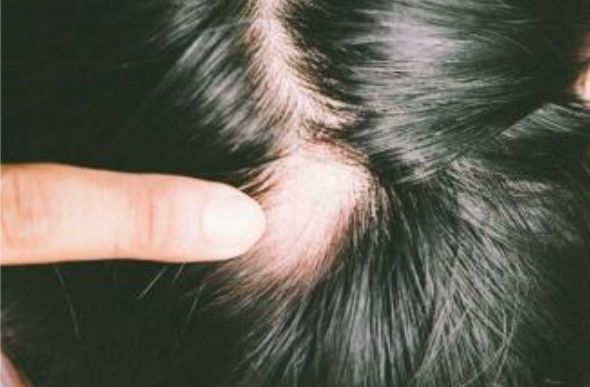
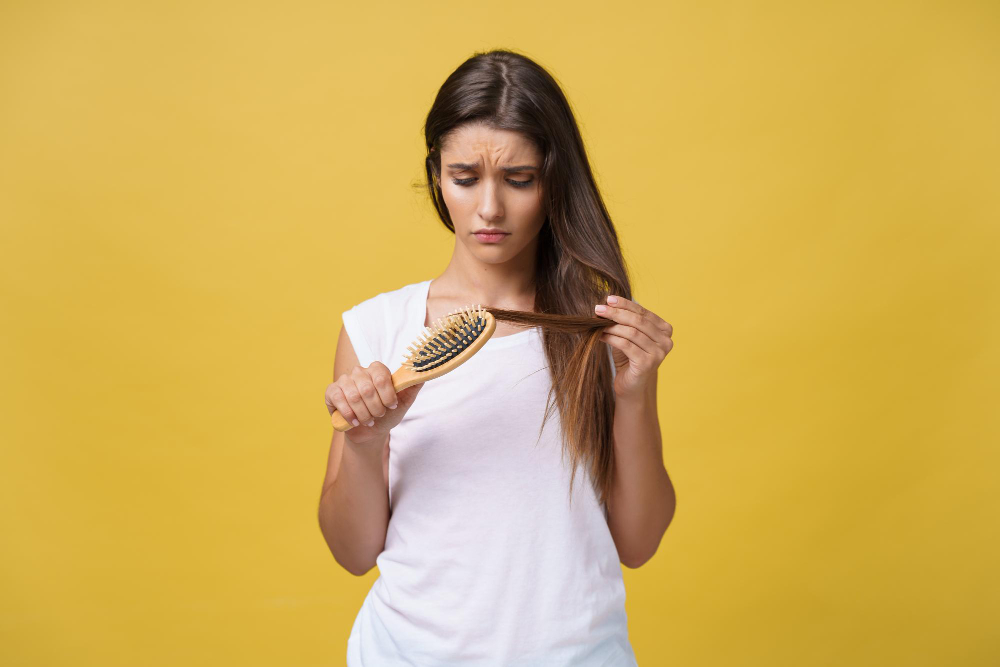
Hair fall is a concern many people struggle with, especially during winter. As the temperatures drop, you might notice more strands of hair on your pillow and tangled in your hairbrush. While this can feel alarming, winter alone is not always the root cause of hair fall. Though it might seem concerning, hair fall in winter is quite common. Let us understand it better through Ayurveda, which looks at hair health as a reflection of what is happening inside the body, not just on the scalp. According to Ayurveda, hair is considered a byproduct of Asthi Dhatu – the bone tissue. This means that when your digestion, nutrition, and tissue formation are weak, your hair is often one of the first places where imbalance becomes visible. Instead of treating hair fall only with external products, Ayurveda focuses on correcting internal imbalances that affect hair growth and strength. Why Does Hair Fall Increase in Winter? Factors Triggering Hair Fall Winter aggravates Vata Dosha in the body – the energy that governs movement, including circulation, nerve impulses, and cell division. When Vata becomes imbalanced, it creates dryness, roughness, and instability. This dryness directly affects the scalp and hair roots, leaving them weak, brittle, and prone to breakage. Cold weather also reduces natural moisture in the skin and scalp. Blood circulation to the scalp may decrease, and digestion can become irregular if eating habits are not adjusted to the season. All these factors together weaken hair follicles and disturb the natural hair growth cycle. Habits like inadequate hydration, excessive caffeine, irregular meals, and very hot showers can further increase dryness and lead to excessive hair fall. Many people also reduce oiling and nourishment routines during winter, which further worsens Vata imbalance. Unlike quick fixes like moisturizing shampoos and expensive treatments that act superficially, it is important to strengthen and nourish the body from within to create healthy hair that grows consistently and remains strong over time. In Ayurveda, hair is not separate from the rest of the body. Healthy hair grows from strong bones, and Asthi Dhatu depends on good digestion and proper absorption of nutrients. Hence, when digestion is weak and tissues don’t receive proper nourishment, it reflects in the form of thinning, breakage, greying, or slow growth. There are also different types of hair problems caused by different energy imbalances, which means the same solution will not work for everyone. For example, Khalitya is the slow, steady hair loss that usually starts from the front or crown when Pitta and Vata Doshas increase and block proper nourishment to the hair follicles. This type of hair fall is often gradual and associated with thinning and receding hairlines. Indralupta is the type of hair loss where there is sudden loss of hair in patches. It appears more severe but often responds well when treated early with appropriate Dosha correction and improved scalp circulation. Understanding which Dosha is disturbed helps in choosing the right diet, lifestyle, and therapies instead of following generic hair care trends. What Is Causing Your Hair Fall? Every person has a unique Prakriti (constitution) that directly affects their three Doshas. Let us determine the reasons behind hair fall by understanding common patterns. If you have sudden hair fall with rough, dry hair, split ends, and an itchy scalp, it is commonly associated with Vata aggravation. It is mainly caused by irregular meals, lack of sleep, excessive screen time, mental stress, and long gaps between meals. Travel, anxiety, and inconsistent routines also increase Vata. Shiro Abhyanga (head oil massage), regular daily routines, proper sleep, and light, nourishing foods can be helpful for this type of hair fall. If you face thinning at the crown or temples, experience early greying, scalp sensitivity, or a burning sensation, it is often associated with Pitta imbalance caused by excessive caffeine, alcohol, spicy food, fried food, and heat exposure. Emotional stress and competitiveness can also aggravate Pitta. Avoiding heavy and spicy foods, reducing stimulants, and including cooling foods like coconut, cucumber, coriander, and seasonal fruits in your diet can be helpful. If you have a greasy scalp with sticky dandruff, itching, and slow thinning of hair, it is caused by Kapha imbalance, mainly due to lack of exercise, excessive oily or sugary food, overeating, and oversleeping. This type of scalp often has blocked follicles and poor circulation. Consuming light foods, avoiding heavy dairy and fried items, and maintaining daily physical movement can help balance Kapha and improve scalp health. The Real Reasons Your Hair Is Falling 1) Your Diet and Digestion This is one of the most common underlying causes damaging your hair. Too much spicy, fried, processed, and junk food along with irregular meal timings and inadequate nutrition weakens your Agni (digestive fire). When Agni is weak, food is not converted efficiently into healthy tissues, leading to poor nourishment of bones and hair. Poor digestion can also lead to Ama (toxins) buildup, which blocks nutrient delivery to hair follicles. Even if you are eating healthy foods, poor digestion can prevent proper absorption. That is why focusing only on supplements without improving digestion may not show long-term results. 2) Stress and Lifestyle Modern life is stressful, which is one of the main reasons for Dosha imbalance. Chronic stress increases Vata and Pitta, both of which are harmful to hair when aggravated. Late nights, excessive screen exposure, irregular sleep cycles, and constant mental stimulation prevent the body from repairing and regenerating tissues, including hair follicles. Poor sleep also affects hormone regulation, which further contributes to hair fall. 3) Hormonal Changes After pregnancy or in conditions like PCOS, thyroid imbalance, and menopause, all three Doshas can become disturbed. These conditions affect metabolism, circulation, and tissue nourishment, directly impacting hair growth. In such cases, external hair treatments alone are not enough. Proper internal treatment, dietary correction, and… Continue reading Understanding Hair Fall Through Ayurveda: Causes & Cures