
Before Irregular Periods Begin: Early Signs of PCOS Ayurveda Looks For

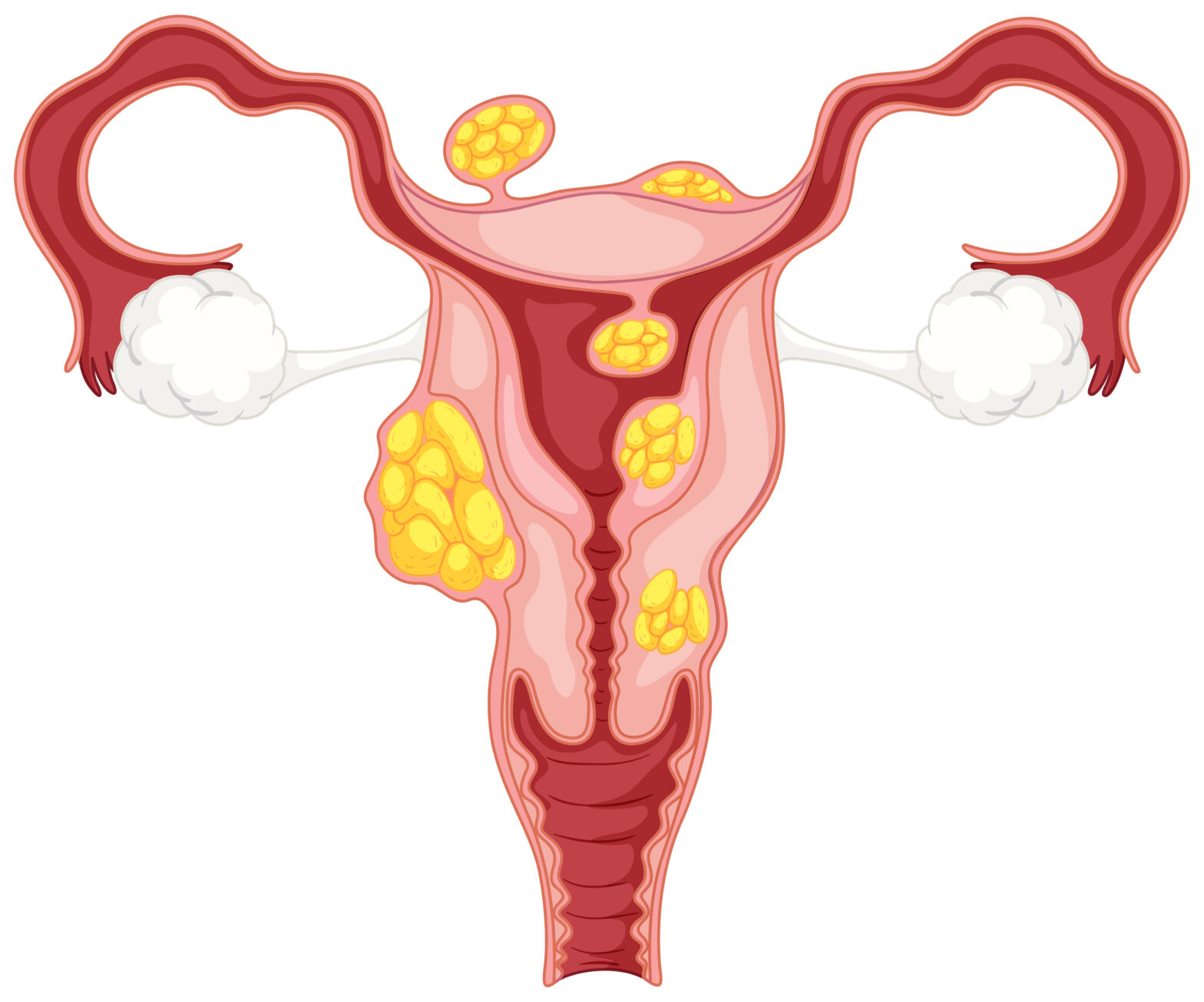
Diagram of subserosal uterine fibroids illustration

  PCOS doesn’t show up suddenly one day. If you are thinking that irregular periods are the only sign, you are already missing out the most important moment to pay attention.   Your body starts sending signals months and sometimes years before your cycle becomes irregular. I wish most woman understood these warning signs earlier, as they are there all along and obvious. They keep reminding us something is happening inside our bodies that we shouldn’t ignore.         The earliest signs start when two of the Doshas – Kapha and Pitta become excessive at the same time. The imbalance of these two Doshas creates an environment for cysts to start developing in the ovaries inside your body. This is the stage where Ayurveda can see the problem developing and when you can actually do something about it.     THE EARLY SIGNS AYURVEDA WATCHES FOR:     Now, let us talk about what exactly you should be paying attention to. These are the signs that appear before your periods starts becoming noticeably irregular.   1) Bloating and the heavy feeling after eating   Have you ever felt sluggish and uncomfortable after eating, but only on a few days, while the rest days your digestion maybe fine?   This inconsistency can actually be an important clue that your Agni (digestive fire) is starting to get weak, you food isn’t being fully processed and digested which is causing gas and bloating. This also allows Kapha to accumulate inside you.     2) Weight gain     You might not have changed how much you eat or you may even be eating less that you used to, but do you keep gaining weight, especially around your belly and thighs?     This might be because of poor diet with too much sugar, carbonated drinks, and highly refined carbohydrates.   In Ayurvedic terms, this is due to an excess Kapha and Ama accumulation. Even if you eat less, these foods disrupt your metabolism, creating the stagnation that serves as the biggest lifestyle contributor to PCOS.     3) Skin Changes     Acne suddenly shows up on your chin or jawline or dark patches appear on your neck, under your arms, or on your inner thighs. This skin condition is called Acanthosis nigricans, and it happens due to insulin resistance.       There’s also hair growth on your face and your skin might feel oilier than it used to be. These changes are directly connected to excess hormonal release, your body’s way of communicating it through your skin. This is an early-stage signal. Before your periods start becoming irregular, your skin is already responding to the hormonal changes happening inside.     4) Mood Swings, Brain Fog, and Sudden Anxiety     Your mood feels unstable. One day you’re fine, the next day you’re irritable or anxious for no clear reason. You can’t concentrate like you used to or you forget things easily.     What’s actually happening is your nervous system responding to hormonal imbalance. When Ama circulates through your body, it affects your mental clarity. Vata imbalance creates anxiety and scattered thinking. Pitta imbalance creates irritability. All of this is connected to early hormonal disruption happening inside your body.     Finally, your period starts to change, what used to come like clockwork on day 28. Now it comes on day 23 one month, then day 32 the next month. The flow varies – one month it’s heavy, the next month it’s light. You might also get spotting between your actual periods.     According to Ayurvedic understanding, this falls under Artava Vyapat, which refers to menstrual disorders. This is your reproductive channels starting to respond to the imbalance and blockage happening inside you.     This is actually the critical awareness window. Your periods aren’t irregular enough to be diagnosed as a problem yet, but they’re starting to become unpredictable.   This is the moment where Ayurveda can see that imbalance is developing. This is the moment where intervention can be most effective.     Not every woman experiences all of these signs. Some women might have intense skin changes but minimal weight gain. Others might have extreme fatigue but relatively clear skin. Some might have mainly mood and mental health changes. This variation is really important to understand.     If you have a naturally heavier Kapha constitution, you’ll likely experience more weight gain, bloating, and heaviness. Or if you have a naturally intense Pitta constitution, you’ll likely experience more acne and androgen related symptoms. If you have a naturally airy Vata constitution, you might experience more anxiety, irregular hunger, and scattered thinking.     By noticing which of these signs resonate most strongly with you, you’ll getting clues about your unique constitution and how your body is responding to imbalance.     In these early stages, when it’s still just Dosha imbalance and Ama accumulation, your body can respond remarkably quickly to support.   Your body is asking for help at this stage and your body is capable of still rebalancing itself if given the right support and attention.     If you’re recognizing some of these signs in yourself, the first step is simply awareness. You’re not trying to diagnose yourself nor you’re trying to treat yourself. You’re simply starting to pay attention to what your body is telling you.     Remember, your body is intelligent. It’s constantly communicating with you. These early signs of PCOS aren’t disease. They’re your body telling you that something needs attention.     The question is whether you listen to these messages now, in the early stages, or wait until the imbalance becomes more profound. The good news is that you have power here. By paying attention now, by seeking understanding, you’re taking the first step toward restoring your body’s balance. Your body is asking for that attention. And it’s capable of remarkable healing when given proper support.     If you are noticing these early… Continue reading Before Irregular Periods Begin: Early Signs of PCOS Ayurveda Looks For

PCOS as per Ayurveda

What  is  PCOS?     PCOS or Polycystic Ovarian Syndrome is a hormonal condition affecting women in their reproductive age. It is one of the main causes of infertility. Almost 52% of women in India complain of PCOS. The duration of Ayurveda treatment for PCOS takes anywhere between 3 months to 6 months with no recurrence.   PCOS and PCOD are one and the same; just that PCOS is a recent name given to PCOD after it was discovered that it is not just a single disease, but a complex manifestation of many factors.   The different factors are   Irregular periods Excess androgen – excess facial and body hair Face/body acne Obesity Weight gain around abdomen/hips Multiple cysts in ovaries revealed on ultrasound   According to modern science, the exact cause is of PCOS is unknown. Certain hypotheses are genetic predisposition, obesity and excess insulin. However, ancient Ayurvedic texts have mentions of the different causes of it.     Causes  of  PCOS  according  to  Ayurveda     According to Ayurveda, there are different causes of PCOS. These include:   Vata, Pitta and Kapha accumulation Sleep irregularities, staying up late and day napping Overconsumption of drying foods, Vidahi foods, such as  samosa, burgers, extremely spicy foods and skipping meals Holding natural urges of the body Impaired digestion Stress, overthinking and constant worry Kaphavrita Koshta – Gastrointestinal tract with high Kapha covering due to eating sugary foods and junk foods   Ayurveda treatment of PCOS   Moreover, Ayurveda considers PCOS as Atava Dushti, which translates to menstrual abnormality. This happens due to the vitiation of Vata, Pitta and Kapha. However, the highs and lows of vitiation vary from patient to patient.   Treatment protocol 1   Vihara (lifestyle)   Sleep is the most important parameter to be corrected as sleep irregularities are one of the main causes as per Ayurveda. Moderate exercise to half of one‚ as strength and capacity is ideal. They do not advise extreme, strenuous workouts. Moreover, meditation, along with breathing exercises like Kapalbhati, as well as daily Abhyanga (oil massages), are particularly helpful.   Treatment Protocol  2   Ahara (food)   A customized diet that balances the vitiated Doshas is ideal. E.g., if the patient presents with PCOS due to excess Kapha imbalance, the diet should be light. While for PCOS due to excess Vata imbalance, the diet should be nourishing. Reducing inflammatory foods, like black gram, yoghurt, and nightshades, like capsicum, potatoes, tomatoes, eggplants, etc. will help. Overall, having light easily digestible well-cooked foods with good fats added is important.   Treatment Protocol 3   Internal medicines   In my practice, for most cases of PCOS that come to me, I do not usually prescribe medicines. I put them on a three-month diet and routines protocol based on their imbalance; consequently, they get better.   In cases where internal medicines are required, there are, indeed, no one-size-fits-all solutions in Ayurveda. Moreover, each individual’s unique constitution and specific health needs must be considered. If you are suffering from PCOS, you can take our three-month Reversal Program. You can also join our other Health Programs for mind and body detox.   If you are struggling with any health issues, you can either book a consultation with us or send us a message via WhatsApp to +91 79074 89839. We have the best Ayurvedic doctors in Trivandrum who are always glad to help you. If you have any queries, contact us.  You can also visit us at our hospital.  You can also follow me on Instagram.                                                                                                                                                                                                                                                                                                                                                                                                                                                                                                                                                                                                                                                                                                                                                                                                                                                            … Continue reading PCOS as per Ayurveda

Treatment for Polycystic ovary syndrome (PCOS)

Ayurvedic Treatment of PCOS   Ayurveda considers PCOS as “artava dushti” which translates to menstrual abnormality. This happens due to vitiation of Vata, Pitta & Kapha. However, the highs and lows of vitiation varies from patient to patient. There are various treatment in Ayurveda for PCOS.       Types  of   Treatment protocols     1 – Vihara (Lifestyle)   Sleep is the most important parameter to corrected as sleep irregularities are one of the main causes of PCOS as per Ayurveda Moderate exercise to half of one’s strength and capacity is ideal. No extreme, strenuous workouts are advised. Meditation, breathing exercises like Kapalbhati, daily Abhyanga (oil massages) are also helpful.    2 – Ahara (food)   A customized diet that balances the vitiated doshas is ideal. Eg. If the patient presents with PCOS due to excess Kapha imbalance, the diet should be light. Vata imbalance – the diet should be nourishing. Reducing inflammatory foods like black gram, yoghurt and night shades like capsicum, potatoes, tomatoes, eggplants etc will also help. Overall, having light, easily digestible well cooked foods with good fats added is important.    3 – Internal medicines   In my practice, for most cases of PCOS that come to me, I do not usually prescribe medicines. I put them on a 3-month diet and routines protocol based on their imbalance and they get better. In cases where internal medicines are required, there is no one-size fits all in Ayurveda. The medicines vary from patient to patient depending on the imbalances.       Doctor Rekha is a 4th generation Ayurvedic Medicine Doctor (BAMS) living in between Dubai and India who has patients from around the globe who believes that the wisdom of Ayurveda can help everyone lead a happy, heathy and disease-free life.   If you are struggling with any health issues, you can either book a consultation with us or send us a message via WhatsApp to +91 79074 89839. We have the best Ayurvedic doctors in Trivandrum who are always glad to help you. If you have any queries, contact us.  You can also visit us at our hospital. You can also follow me on Instagram.                                                                                                                                                                                                                                                                                                                                                                                                                                                                                                                                                                                                                                                                                                                                                                                                                                                                                                                                                                                                                                                                                                                                                                                                                                                                                                                                … Continue reading Treatment for Polycystic ovary syndrome (PCOS)