
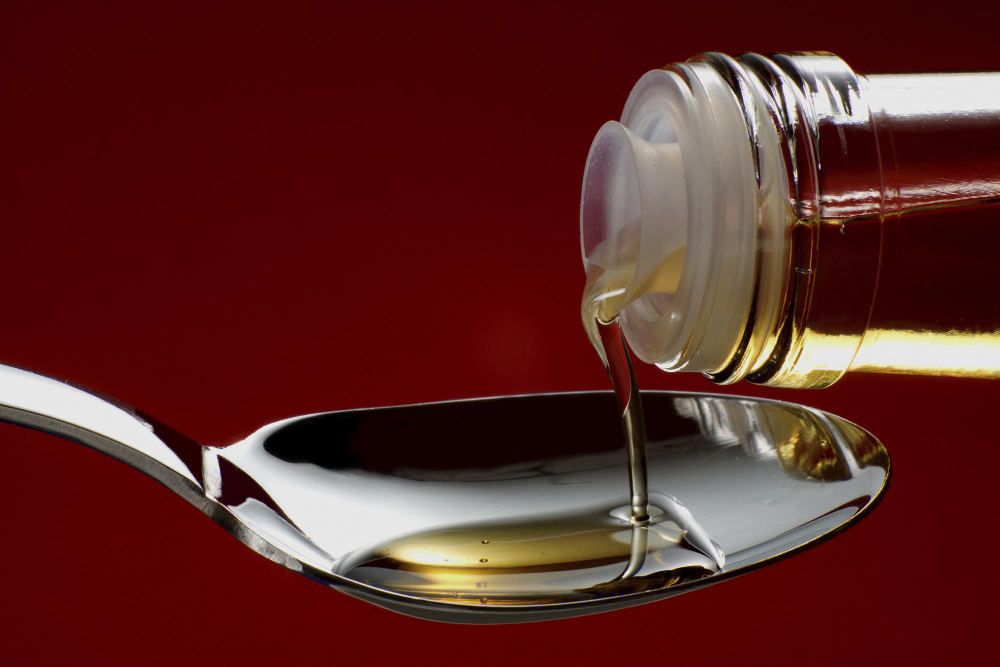
Oil Pulling and Everyday Ayurvedic Self-Care for Better Health

Ayurveda looks at daily self-care, diet and even subtle body signals as powerful ways to protect long term health. In a recent teaching session, an Ayurvedic doctor answered many practical questions on oil pulling, seasonal routines, doshas and simple home practices. When we view these answers together, a clear picture emerges of how nuanced and personalized Ayurveda truly is.   Oil Pulling: More Than Just Swishing Oil   From an Ayurvedic lens, the primary power of oil pulling lies in the technique rather than the substance alone. Holding and gently swishing oil in the mouth stimulates the oral tissues, enhances salivary flow and improves circulation to the gums, teeth, tongue and jaw.   The oil enters the fine channels in the mouth, loosens accumulated waste, sticky Kapha and microbial deposits and carries them out when it is finally spat out. Over time, this supports oral comfort, reduces local inflammation and indirectly helps the first stage of digestion, which is closely linked with overall Agni and immunity.   Typically, about one tablespoon of oil is enough for each practice, just sufficient to hold and move around the mouth comfortably without strain. The oil should be swished gently rather than with force.   Lukewarm boiled and cooled water is preferred if water is used for a similar practice, as it is kinder to the oral tissues and aligns with Ayurvedic principles of using warm water for cleansing.   Choosing the Right Medium for Oil Pulling   While the method drives most of the benefit, the liquid you choose adds its own therapeutic flavour.   Oil is nourishing and is traditionally used to strengthen gums, teeth, jaw and even the nerves connected to the oral region. Milk is cooling and soothing, particularly helpful in inflammatory oral conditions with burning, ulcers or injuries. Water is mainly cleansing and mildly stimulating but does not nourish in the same way as oils.   Black sesame oil stands out as the most widely recommended choice for routine oil pulling and is considered generally suitable for many constitutions when digestion is sound.   Other substances such as ghee, milk or honey are not blanket alternatives but are used only when clearly indicated, for example in certain inflammatory or burning oral conditions and always based on digestive strength. Castor oil is not considered a suitable medium for daily or routine oil pulling.   Importantly, oil pulling should be avoided when there is indigestion or Ama. Oil is heavy and unctuous, and when Agni is weak it can increase Kapha and Ama, worsening heaviness, coating on the tongue, nausea or sluggish digestion. Ideally, the tongue should be clean and digestion stable before making this practice a part of daily life.   Eye Health and Oil Pulling   There is also a traditional link between oral care and eye health. In Ayurveda, the mouth, eyes and brain are connected through subtle channels and nerves, so a well maintained oral cavity can indirectly support the eyes.   However, in acute eye diseases characterised by redness, discharge, infection or active inflammation, oil pulling can aggravate Kapha and congestion and is therefore avoided.   In contrast, in refractive issues such as poor eyesight, eye strain and regular use of glasses, oil pulling is generally considered safe and even beneficial as a supportive measure. It is not a cure for eye disease, but another way to maintain systemic balance that in turn nourishes the sense organs.   Special Situations: Allergies, Mouth Sores and Steroid Use   Oil selection becomes very individual in those with allergies or complex medical conditions. If someone is allergic to sesame, the practitioner will usually choose other gentle medicated oils or liquids based on constitution, digestive strength and oral status. Castor oil again is not a routine first choice.   For individuals with mouth sores, loss of taste buds or those currently on medications and steroids for serious illnesses such as cancer, the focus shifts to cooling and soothing substances.   Ghee is often recommended when digestion is adequate because of its lubricating and calming effect, and in some cases milk or coconut oil may also be used if there is burning or ulceration.   Strong or heating oils, including sesame, are usually avoided in these active inflammatory states and any practice is kept very gentle and based on the person’s tolerance.   In lactose intolerance or poor digestion, warm milk as a medium for pooling may itself aggravate symptoms and is therefore best avoided.   A2 ghee is usually preferred over generic ghee when used in indicated conditions, since it is considered easier to digest and better tolerated, although even ghee for oil pulling is not a routine recommendation but reserved for specific inflammatory or burning oral issues and only when Agni is reasonably strong.   Abhyanga, Hair Oils and Skin Care Choices   Ayurveda places great emphasis on appropriate oil selection for external therapies like abhyanga and head massage. Black sesame oil is classically praised as the most suitable base for daily body oiling because it is nourishing, penetrating and usually tolerable for many people when used correctly.   When black sesame is not available, cold pressed, unrefined white sesame oil is an acceptable substitute, though it may not offer the same depth of action. Nigella seed oil, however, is not recognised as a direct alternative to sesame oil in this context.   Other oils are never prescribed in a one size fits all manner. Any alternative must be chosen after considering the person’s dosha imbalance, skin type, local climate and specific complaints. Coconut oil, for instance, can be helpful where there is pronounced Pitta aggravation with heat and burning, while warmer oils may be preferred in strong Vata conditions. In Kapha dominant states, oils tend to be used more sparingly and selected very thoughtfully.   Castor oil, though valued in other therapeutic uses, is very heavy, sticky and strong and is not preferred for routine abhyanga. Mustard oil is hot and sharp and is generally avoided for… Continue reading Oil Pulling and Everyday Ayurvedic Self-Care for Better Health


Aligning Your Daily Routine With Ayurveda: A Practical Guide For Modern Life

Daily routine in Ayurveda is not a rigid checklist; it is a living practice. It adapts to your digestion, the season, your age, and your current state of health. The real aim is to stay in touch with your body’s signals, not to chase perfection on paper.   Waking Up, Meditation, and Timing   Ayurveda recommends waking close to Brahma Muhurta because this time supports mental clarity and natural rhythms. If you feel very cold, stiff, or sleep deprived, especially with a Vata‑dominant constitution in winter, forcing yourself to wake too early can exhaust you. In that situation, you protect your health better by waking a little later, keeping a regular schedule, staying warm, and ensuring good sleep quality instead of blindly following the clock.   Meditation does not depend on a strict time slot. Early morning and evening transitions suit a calm mind, but your mental alertness and consistency matter more than a specific hour.   A Balanced Morning Routine   A well‑structured morning routine supports digestion, the sense organs, and the mind throughout the day. Start with basic cleansing and oral care: brush your teeth and clean your tongue before oil pulling so your mouth is fresh and receptive. Practice abhyanga, or oil massage, on an empty stomach and then bathe with warm water to remove excess oil and support circulation.   You can follow a simple sequence. Lightly hydrate the eyes, drink a glass of warm water, complete dental hygiene, perform oil pulling, apply body oil for abhyanga, do mild stretching or physical activity, sit for a few minutes of meditation, and end with a warm shower. This order gently wakes up your body and mind without strain and sets a steady tone for the day.   Abhyanga: Duration, Order, and Special Situations   Abhyanga remains one of the most valuable daily routines, even when you cannot follow every other practice. Ideally you leave the oil on your body for 20–30 minutes so tissues can absorb it well. On busy days, 10 minutes still offers benefit, even though shorter exposure naturally gives less.   You get the most from abhyanga when you exercise after oiling, not before. Gentle movement after applying oil generates warmth and better blood flow, which helps the oil reach deeper into joints, ligaments, and muscles instead of staying on the surface. This approach refers to light, controlled exercise followed by a bath rather than an intense workout routine.   If you have a Vata‑dominant constitution, especially in cold weather, keep exercise mild and preferably after abhyanga. Avoid vigorous activity right after a bath because it can increase dryness and fatigue. During menstruation, skip full‑body abhyanga and heavy oil routines so you respect the body’s natural downward flow and sensitivity.   Children naturally have more Kapha, yet they still benefit from gentle oil massage. In healthy children, appropriate abhyanga supports growth and nourishment. You avoid it only when Kapha clearly aggravates or when there are specific medical reasons.   In the postpartum phase, Vata rises, but extremely heavy oils do not always suit the early days. Oils like Dhanvantara taila help pacify Vata without overburdening digestion or causing sluggishness. Very heavy, guru formulations fit better later, when the body regains strength or has specific indications.   Oils, Scalp Care, and Powder Massage   You should always choose oils according to constitution, season, and present symptoms. Coconut oil cools and suits Pitta‑dominant people or hot climates, particularly for scalp and body. Sesame oil warms and nourishes, which helps Vata types and colder seasons, and you use it more cautiously in hot weather or Pitta conditions with clear heat.   Your scalp already produces natural oil, yet that surface oil does not always replace the need for external oiling. Internal imbalance, dryness, or nervous system strain may still call for the deeper nourishment that external oil can provide. At the same time, if your scalp feels very oily or follicles clog easily, frequent oiling may worsen issues.   In Ayurveda, you treat oil as a medicine: it helps when you choose it well and use the right amount. People with naturally oily scalps usually do not need daily scalp abhyanga.   The time you keep hair oil on the scalp also matters. If you have a tendency toward sinus issues, colds, or heaviness in the head, you generally keep the oil for about 10–15 minutes before washing. If your scalp tolerates oil and feels very dry, 30–40 minutes is usually enough; keeping oil for longer rarely adds benefits and may aggravate sinus discomfort.   Udvartanam, or herbal powder massage, helps in Kapha dominance and excess weight but does not suit everyone as a daily habit. Right after childbirth, its drying and scraping action can disturb Vata and delay tissue recovery, so you wait until the body regains strength and then consider appropriate Kapha‑reducing powders such as Kolakulathadi churna.   When you have a Vata‑dominant constitution and plan for pregnancy, you focus more on nourishment and stability with regular abhyanga and gentle movement than on frequent Udvartanam.   Mouth Care, Oil Pulling, and Gargling   For everyday oil pulling, sesame oil remains a safe and broadly effective choice. It lubricates, protects, and cleanses the mouth while supporting digestion from its starting point. You reserve other substances such as ghee, honey, or milk for specific complaints, such as ulcers or burning, and do not switch them in based only on body type.   A small glass of warm water before brushing can help many people stimulate bowel movements and gently hydrate the body. Ayurveda does not completely forbid this practice for any constitution. It only discourages drinking large volumes, especially cold water, immediately after waking and before brushing.   You do not need daily warm salt water gargling unless you have a specific issue. You use it when you face an active throat infection or discomfort. In colder months, regularly sipping warm water offers a simple and sustainable way to support the throat and digestion.   Eye… Continue reading Aligning Your Daily Routine With Ayurveda: A Practical Guide For Modern Life

oil pulling – the amazing Ayurvedic practice for oral hygiene

According to Ayurveda, an imbalanced Agni (digestive fire) is the root of all diseases. Therefore, Ayurveda gives utmost importance to digestion and the mouth is the starting point of digestion. That’s why maintaining oral hygiene is important and the best way for that is to do oil pulling!    What   is  oil  pulling?        Oil pulling is an age-old Ayurvedic practice that involves retaining oil in the mouth for some time before spitting it out. It is a Dinacharya (daily routine) mentioned in Ayurvedic texts or Samhitas. It promotes oral hygiene and thus, overall health.    Which oil is the best for oil pulling?    Online sources and big brands often endorse coconut oil for oil pulling. But none of the Ayurvedic texts or Samhitas recommend coconut oil.       Organic black sesame oil is universally acceptable. It is suitable for all Prakriti (body types) and, furthermore, is great for oil pulling.    If you don’t like oil, you can even also use hot water instead.   How to do oil pulling?      You can follow the following steps to do oil pulling:   Give a light massage to the head, neck and shoulders  Steam face, neck and shoulders   Keep the face a little lifted up   Gargle/hold the recommended liquid in the mouth – You can either hold the oil entirely in your mouth and not move it around or you can take about 2 spoons of oil and swish it around.   Spit it out   Lightly massage and foment again    How long should you do it?      Ayurvedic texts mention that you must do it until you experience oozing from your nose and eyes or when your mouth is filled with saliva. This typically takes around 10 to 15 minutes. You can then spit it out.       If you do not have time, just hold the oil in your mouth for a few minutes and then spit it out.    When should you do it?      “Shall I do oil pulling before or after brushing my teeth?”  I get this question often.      Different Ayurvedic texts mention different ways. But I personally prefer doing oil pulling before brushing.    If you decide to give it a try, be patient and consistent with the routine. It can be a part of your oral care routine, but remember, it is not the complete solution for your oral health. Other steps for proper oral hygiene, like brushing, tongue scraping and having a balanced diet are also equally important.    Want to learn more about Dinacharya practices?  Download my latest ebook – A COMPLETE GUIDE TO AYURVEDIC MORNING ROUTINE for FREE today!   You can join our  Health Programs for mind and body detox.   If you are struggling with any health issues, you can either book a consultation with us or send us a message via WhatsApp to +91 79074 89839. We have the best Ayurvedic doctors in Trivandrum who are always glad to help you. If you have any queries, contact us.  You can also visit us at our hospital..

Morning Practices to Boost Productivity and Mindfulness

Following a daily routine or Dinacharya is one of the factors that help you lead a healthy life. I firmly believe in the advantages of a healthy morning routine as someone who respects the wisdom of Ayurveda. That’s why I follow a set of morning practices to give a refreshing start to my day as well as to lead a healthy life.      My morning practices  Setting the tone for your day early on and keeping a happy and healthy frame of mind will benefit you throughout the day.  Here are some of the morning practices that help me kick-start even the busiest days of my life in a refreshing manner.    Waking up early  One of my favourite morning rituals is getting up at five. As it falls during the Brahma Muhurta, which is seen to be the most auspicious time of day for spiritual practices, this is the ideal time to get up according to Ayurveda. Getting up early can help you feel more refreshed throughout the day and allow you to start the day with a sense of peace and clarity.    Tongue scraping   Another important practice in my morning routine is tongue scraping. This simple practice involves using a tongue scraper to remove any buildup on your tongue that may have accumulated overnight. This can help improve your oral hygiene and can also help remove any toxins that may have built up in your mouth. By starting your day with a clean tongue, you can help improve your overall health and well-being.    Splashing cold water on face   Splashing cold water on my face is another practice that helps me freshen up in the morning. Indeed, eyes are the seat of Pitta – the Dosha that’s responsible for body heat.  You can assist cool your eyes and lessen any excess heat in your body by splashing cold water on your face. As you begin your day, this can make you feel more centred and in balance.    Morning beverage  Another significant aspect of my everyday regimen is my beverage in the morning. Usually, I have two glasses of my lemon-cinnamon beverage to start the day. Warm water, fresh lemon juice, and cinnamon powder are combined, and thus, this straightforward beverage is created.  Antioxidants and anti-inflammatory ingredients in this beverage can help strengthen your immune system and promote your general health and well-being.    Abhyanga  Abhyanga is another practice that I follow. I massage my body with organic black sesame oil as part of my morning regimen. Sesame oil is grounding, nourishing, energizing, and healing; indeed, these are all qualities of it.  It has a lot of antioxidants; therefore, it can aid with nail, hair, and skin health.  You may enhance your general sense of well-being and get your body ready for workout by massaging your body with oil in the morning.    Morning exercise  Morning workout is another important practice that I always include in my morning routine. I typically spend around 45 minutes exercising, focusing on light to moderate intensity exercises that help me build strength and stamina. This helps me feel more energized and focused throughout the day and can also help improve my overall health and well-being.    Warm shower  I always take a warm shower to round off my daily ritual. It helps ease tense muscles and enhance general well-being.    I believe that a healthy morning routine is essential for maintaining good health and well-being. By following these seven simple morning practices, you can help improve your overall well-being and start your day.   Want to learn more about Ayurvedic morning routines? Download my ebook now! You can join our Health Programs for mind and body detox.   If you are struggling with any health issues, you can either book a consultation with us or send us a message via WhatsApp to +91 79074 89839. We have the best Ayurvedic doctors in Trivandrum who are always glad to help you. If you have any queries, contact us.  You can also visit us at our hospital.

Dinacharya Importance in Ayurveda

 Dinacharya Ayurveda promotes quality living by maintaining good health and curing diseases. Dinacharya is one of the ways by which you can achieve the goal of maintaining your health. Ayurvedic texts emphasise the importance of Dinacharya.  Dinacharya is a Sanskrit word that translates to daily routine. It is a way to organize your life, and thereby, remain healthy without medicines and live a long, happy life. Here are the routines you can make a part of your daily regime.   Wake up earlyWake up 1.5 hours before sunrise (Brahma Muhurta).   Visit the looThe time before sunrise is Vata Kala and hence, you can instinctively pass bowels during this time (If you have constipation, do take note). Pass urine, empty bowels and clean well.   Clean your face, teeth and tongueWash your face with water. Then face east and brush your teeth. The toothpaste you use should be of pungent, bitter and astringent tastes, and never sweet. Then, do tongue scraping and later, do oil pulling.   Eyes and noseSplash your eyes with room temperature water. Then, apply kajal (medicated eyeliner). Also, instil 2 drops of Anutaila in the nose. Inhale the medicated fumes and exhale through the mouth.   Oil massageMassage your body with warm sesame oil (good for all body types). Also, massage your head and feet. You can apply a few drops of sesame oil in the ears as well. If you have excess fat in your body, do a dry powder massage instead of an oil massage.   Final stepsAfter body massage, do moderate exercise. Later, take a shower, and have a warm cooked breakfast. Then, wash your feet and wear protective shoes, and you can go on with your day.   You do not have to start all of these routines in one go, See what suits you the best and start incorporating it slowly into your daily regime.   Importance of Dinacharya   Following Dinacharya helps you to have a balance in your lifestyle as well as your body. It is also beneficial for your overall physical and emotional health. Dinacharya helps you stay connected with nature. It makes you conscious of your natural surroundings and makes sure that your lifestyle is in harmony with nature. It helps you to maintain a healthy lifestyle, thereby improving your immunity and protecting you from diseases. You fall into a routine of timely intake of meals and a balanced diet. This helps improve your appetite and digestion, and effective absorption of nutrients from the food you eat. Another important benefit of following Dinacharya is that it brings about discipline in your life. You learn to stay organised, and this helps improve your productivity and has a positive effect on other aspects of your life. Dinacharya includes oil massage and meditation that will have a calming effect on you. It helps absorb positive energy from your surroundings, and release stress from your mind and body. This helps you to remain happy. Dinacharya also makes sure that you have a well-balanced, healthy lifestyle and promotes longevity.   If you are struggling with any health issues, you can either book a consultation with us or send us a message via WhatsApp to +91 79074 89839. We have the best Ayurvedic doctors in Trivandrum who are always glad to help you. If you have any queries, contact us.  You can also visit us at our hospital.  You can also follow me on Instagram.                                                                                                                                                                                                                                                                                                                                                                                                                                                                                                                                                                                                                                                                                                                                                                                                                                                                                        … Continue reading Dinacharya Importance in Ayurveda