
Understanding Menstrual Cramps, Clots and Mood Swings in Ayurveda

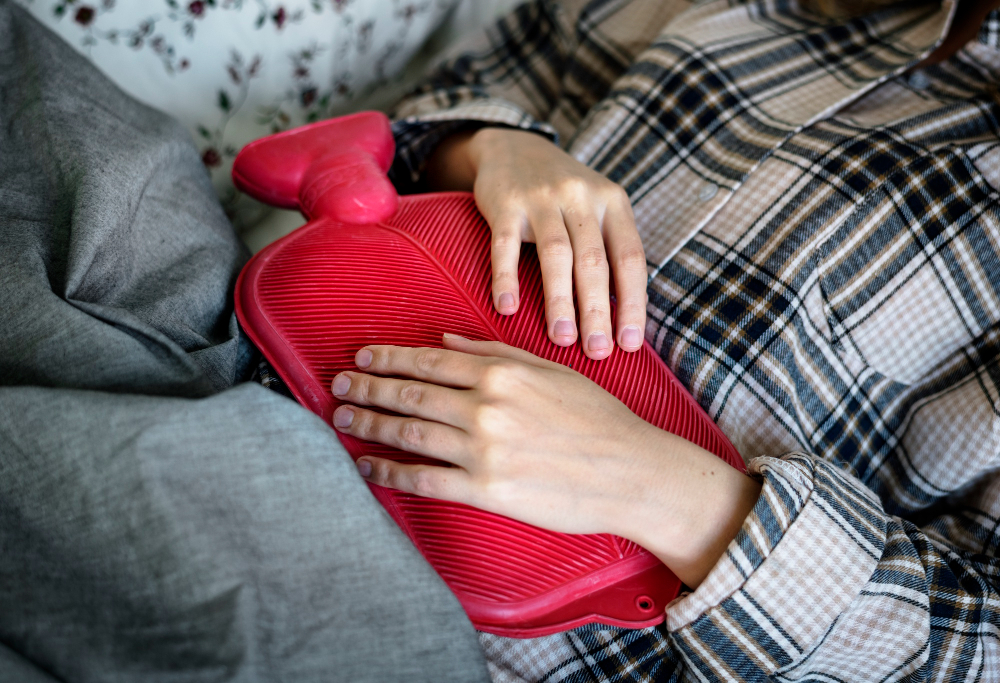
Menstruation is not just a “monthly problem” to be tolerated. In Ayurveda, your period is like a monthly health report card that shows how balanced your body and mind are. When you have strong cramps, unusual clots or big mood swings before or during your period, it usually means your doshas, especially Vata and Pitta, are disturbed and need some gentle correction.   What your menstrual pain really means   Many women think painful periods are normal, but in Ayurveda, severe cramps are seen as a sign that Apana Vayu, the downward‑moving energy in the pelvis, is not flowing smoothly.   When this energy is disturbed, the uterus contracts too hard or at the wrong time, and you feel sharp, stabbing, twisting or dragging pain in the lower abdomen, back and thighs.   Sometimes the pain changes during the cycle:   At the start of the period, it may feel sharp and colicky, often linked to Vata. In the middle, it may feel more burning or warm, linked to Pitta. At the end, it may feel dull and heavy, linked to Kapha.   If you notice that your pain comes with a lot of gas, bloating or feeling cold, it is usually Vata‑dominant. If you feel heat, burning, anger or heavy flow, Pitta is more involved. If your period feels sluggish, very heavy and you feel physically tired and heavy, Kapha is playing a bigger role.   Recognizing this helps you choose the right food, herbs and lifestyle without just guessing what will work.   Clots and flow: what is normal   Seeing clots can be scary, but small clots once in a while are part of the body’s natural cleansing. Real red flags are very large clots, repeated clots over many cycles, very dark or thick flow, or clots that come with a foul smell.   In Ayurveda, when clots are common, it usually means:   Vata and Kapha are mixed, Vata gives the irregular movement and pain, while Kapha adds the heaviness and stability that allows clots to form. Flow colour may change, dark or black because of Vata, whitish or yellowish because of Kapha, or yellowish‑blue because of Pitta and Kapha. There may also be pain, burning, bad smell or even a feeling of heaviness in the chest or abdomen.   If your blood has a strong bad smell, is very thick or you notice anything unusual like pus or tissue‑like material, it is important to speak to a doctor. Ayurveda can still support you, but you should first rule out any medical issues.   Mood swings, irritability and your cycle   Mood changes before and during your period are not just “hormones being hormonal.” In Ayurveda, they are connected to how your doshas, digestion and mental state are linked. When Vata is high, you may feel anxious, scared, restless or unable to sleep. When Pitta is high, you may feel angry, short‑tempered, impatient or very emotional. When Kapha is high, you may feel low, heavy, oversleeping or emotionally stuck.   You might notice: Wanting to cry over small things Sudden anger or irritability Feeling drained, tired or unmotivated Difficulty concentrating or feeling mentally foggy   These patterns often repeat every month, which means they are tied to your cycle and not just random stress. The good news is that simple daily changes can slowly calm your mind and make your period time less emotionally heavy.   Simple Ayurvedic ways to ease cramps   You do not need strong medicines to start feeling better. Many Ayurvedic tips are simple, gentle and easy to fit into daily life. Try one or two at first and see how your body responds.   1. Keep yourself warm   Cold and dry food, cold drinks and sitting in the cold can make cramps worse. Try to eat warm, soft, cooked food such as soups, khichidi, well‑cooked rice and vegetables. Drink warm water or warm herbal teas instead of iced water or cold juices.   2. Use gentle heat   A warm cloth, warm water bottle or warm oil massage on the lower abdomen can relax the muscles. Light massage with warm sesame or coconut oil, moving in a clockwise direction, helps calm Vata and ease pain.   3. Drink soothing herbal teas   Simple herbal teas can make a big difference. You can try:   Warm water with a pinch of ginger powder Warm water with cumin and fennel   These help reduce gas, bloating and cramping.   4. Avoid heavy work and strain   During your period, heavy physical work, long standing, lifting heavy things and intense exercise can make cramps worse. Ayurveda suggests gentle movement like short walks, light stretching or simple yoga instead of pushing yourself too hard.   5. Rest properly   Your body is cleansing during your period, so it needs rest. Try to avoid late nights, long screen time and too much mental work. Even 10–15 minutes of lying down with a warm cloth on your abdomen can help.   Food and lifestyle during your period   What you eat and how you live in the days before and during your period has a big impact on how you feel.     What to eat   Warm, cooked meals like rice, khichidi, soups and soft vegetables Light, easy‑to‑digest foods that do not create gas or heaviness Warm water or warm herbal teas Moderate amounts of healthy fats like ghee or coconut oil   What to avoid   Raw salads, heavy fried snacks and cold drinks Excess coffee, cola, alcohol and spicy food Skipping meals or eating at irregular times   Simple daily habits   Go to sleep at a similar time every night Eat your meals at regular hours Avoid rushing or overworking close to your period Take short breaks, even if you just sit quietly and breathe   These small habits reduce stress on your body and help your cycle feel lighter and smoother.   Natural herbs that support menstrual health   Ayurveda… Continue reading Understanding Menstrual Cramps, Clots and Mood Swings in Ayurveda
Oil Pulling and Everyday Ayurvedic Self-Care for Better Health

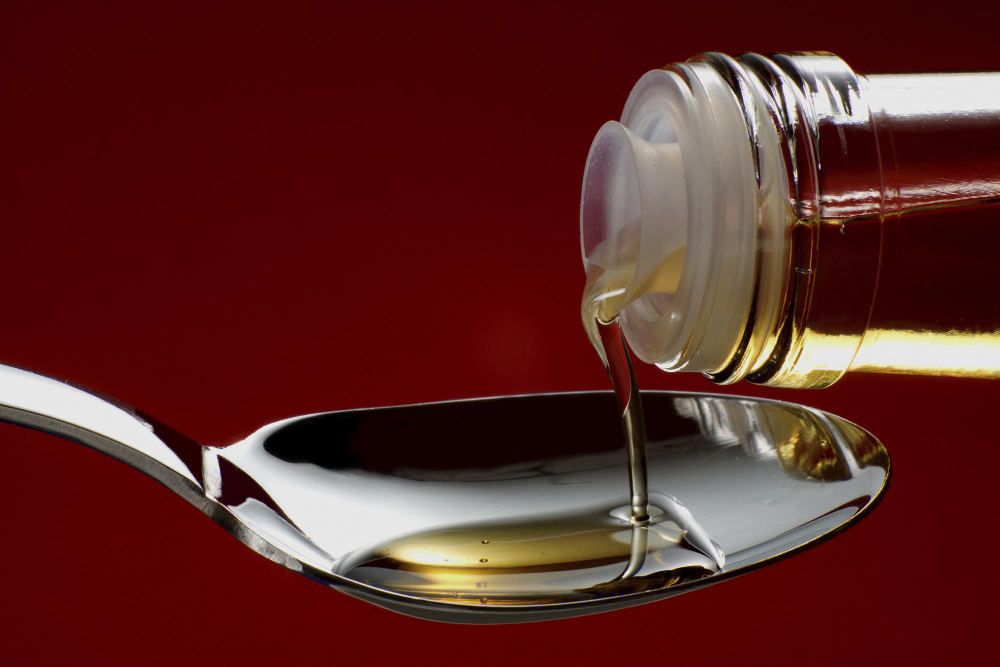
Ayurveda looks at daily self-care, diet and even subtle body signals as powerful ways to protect long term health. In a recent teaching session, an Ayurvedic doctor answered many practical questions on oil pulling, seasonal routines, doshas and simple home practices. When we view these answers together, a clear picture emerges of how nuanced and personalized Ayurveda truly is.   Oil Pulling: More Than Just Swishing Oil   From an Ayurvedic lens, the primary power of oil pulling lies in the technique rather than the substance alone. Holding and gently swishing oil in the mouth stimulates the oral tissues, enhances salivary flow and improves circulation to the gums, teeth, tongue and jaw.   The oil enters the fine channels in the mouth, loosens accumulated waste, sticky Kapha and microbial deposits and carries them out when it is finally spat out. Over time, this supports oral comfort, reduces local inflammation and indirectly helps the first stage of digestion, which is closely linked with overall Agni and immunity.   Typically, about one tablespoon of oil is enough for each practice, just sufficient to hold and move around the mouth comfortably without strain. The oil should be swished gently rather than with force.   Lukewarm boiled and cooled water is preferred if water is used for a similar practice, as it is kinder to the oral tissues and aligns with Ayurvedic principles of using warm water for cleansing.   Choosing the Right Medium for Oil Pulling   While the method drives most of the benefit, the liquid you choose adds its own therapeutic flavour.   Oil is nourishing and is traditionally used to strengthen gums, teeth, jaw and even the nerves connected to the oral region. Milk is cooling and soothing, particularly helpful in inflammatory oral conditions with burning, ulcers or injuries. Water is mainly cleansing and mildly stimulating but does not nourish in the same way as oils.   Black sesame oil stands out as the most widely recommended choice for routine oil pulling and is considered generally suitable for many constitutions when digestion is sound.   Other substances such as ghee, milk or honey are not blanket alternatives but are used only when clearly indicated, for example in certain inflammatory or burning oral conditions and always based on digestive strength. Castor oil is not considered a suitable medium for daily or routine oil pulling.   Importantly, oil pulling should be avoided when there is indigestion or Ama. Oil is heavy and unctuous, and when Agni is weak it can increase Kapha and Ama, worsening heaviness, coating on the tongue, nausea or sluggish digestion. Ideally, the tongue should be clean and digestion stable before making this practice a part of daily life.   Eye Health and Oil Pulling   There is also a traditional link between oral care and eye health. In Ayurveda, the mouth, eyes and brain are connected through subtle channels and nerves, so a well maintained oral cavity can indirectly support the eyes.   However, in acute eye diseases characterised by redness, discharge, infection or active inflammation, oil pulling can aggravate Kapha and congestion and is therefore avoided.   In contrast, in refractive issues such as poor eyesight, eye strain and regular use of glasses, oil pulling is generally considered safe and even beneficial as a supportive measure. It is not a cure for eye disease, but another way to maintain systemic balance that in turn nourishes the sense organs.   Special Situations: Allergies, Mouth Sores and Steroid Use   Oil selection becomes very individual in those with allergies or complex medical conditions. If someone is allergic to sesame, the practitioner will usually choose other gentle medicated oils or liquids based on constitution, digestive strength and oral status. Castor oil again is not a routine first choice.   For individuals with mouth sores, loss of taste buds or those currently on medications and steroids for serious illnesses such as cancer, the focus shifts to cooling and soothing substances.   Ghee is often recommended when digestion is adequate because of its lubricating and calming effect, and in some cases milk or coconut oil may also be used if there is burning or ulceration.   Strong or heating oils, including sesame, are usually avoided in these active inflammatory states and any practice is kept very gentle and based on the person’s tolerance.   In lactose intolerance or poor digestion, warm milk as a medium for pooling may itself aggravate symptoms and is therefore best avoided.   A2 ghee is usually preferred over generic ghee when used in indicated conditions, since it is considered easier to digest and better tolerated, although even ghee for oil pulling is not a routine recommendation but reserved for specific inflammatory or burning oral issues and only when Agni is reasonably strong.   Abhyanga, Hair Oils and Skin Care Choices   Ayurveda places great emphasis on appropriate oil selection for external therapies like abhyanga and head massage. Black sesame oil is classically praised as the most suitable base for daily body oiling because it is nourishing, penetrating and usually tolerable for many people when used correctly.   When black sesame is not available, cold pressed, unrefined white sesame oil is an acceptable substitute, though it may not offer the same depth of action. Nigella seed oil, however, is not recognised as a direct alternative to sesame oil in this context.   Other oils are never prescribed in a one size fits all manner. Any alternative must be chosen after considering the person’s dosha imbalance, skin type, local climate and specific complaints. Coconut oil, for instance, can be helpful where there is pronounced Pitta aggravation with heat and burning, while warmer oils may be preferred in strong Vata conditions. In Kapha dominant states, oils tend to be used more sparingly and selected very thoughtfully.   Castor oil, though valued in other therapeutic uses, is very heavy, sticky and strong and is not preferred for routine abhyanga. Mustard oil is hot and sharp and is generally avoided for… Continue reading Oil Pulling and Everyday Ayurvedic Self-Care for Better Health

Ayurvedic Understanding of Acne, Pimples and Oily Skin Problems

Acne, pimples and oily skin problems are some of the most common issues that people face today, especially teenagers and young adults. When these acne, pimples and oily skin problems keep coming back, it affects not only your face but also your confidence and mood. From an Ayurvedic point of view, acne, pimples and oily skin problems are not just surface-level concerns; they are signs that your inner balance, digestion and lifestyle need gentle correction.   In Ayurveda, acne and pimples are commonly referred to as Mukhadushika, which means “impurities or blemishes on the face.” They are classified as a minor disease, but their impact on appearance and self-esteem can be quite major. Ayurveda explains that Mukhadushika happens when certain energies in the body called doshas, go out of balance, especially Pitta and Kapha, along with disturbance in Rakta (blood). When these are disturbed, they show up as oiliness, redness, swelling, blackheads, whiteheads and painful eruptions on the face.   Role of Pitta, Kapha and Rakta in Skin Problems   Ayurveda uses the concept of doshas to explain why acne, pimples and oily skin problems develop.   Pitta is the heat, metabolism and transformation. When Pitta is high, it causes inflammation, redness and a burning sensation. On the face, this appears as red, tender, angry-looking pimples. Kapha stands for heaviness, coolness and oiliness. When Kapha increases, it leads to excess sebum (oil), stickiness and clogged pores, which then become blackheads, whiteheads or pus-filled pimples. Rakta (blood) carries nutrients and also heat around the body. When toxins (Ama) mix with Rakta and Pitta, the blood becomes “impure” and starts pushing out waste through the skin, leading to repeated breakouts and dull skin.   In simple words, when Pitta and Kapha combine in impure blood, acne and pimples appear as the body’s way of throwing out this internal imbalance.   Common Ayurvedic Causes of Acne, Pimples and Oily Skin Problems   Ayurveda focuses a lot on day-to-day habits, because they are often the root cause of acne, pimples and oily skin problems. Some common triggers include:   Regular eating of spicy, deep-fried, sour, junk and fast foods, which increases Pitta and heats the blood. Heavy, oily, cheesy, sugary foods and cold desserts, which aggravate Kapha and block skin channels with excess oil and mucus. Irregular meals, late-night dinners, overeating and poor digestion, which cause Ama (toxins) to build up and circulate in the body. High stress, mental pressure, anger and irritation, which directly worsen Pitta and trigger more breakouts. Staying up late, sleeping less and a disturbed sleep routine, which reduce the body’s natural ability to cleanse and repair at night. Overuse of heavy makeup, thick creams or comedogenic products, as well as hair products falling on the forehead, which clog the pores.   If these root causes are not addressed, acne, pimples and oily skin problems keep returning even if you use strong creams or medicines.   Skin Types and Dosha Patterns in Ayurveda   To understand why some people, get more acne and oily skin than others, Ayurveda looks at your natural constitution (Prakriti).   Pitta Skin   Pitta-type skin is usually warm, soft, often a bit pink or reddish, and can react quickly to sun and heat. These individuals are prone to red, inflamed, burning pimples and rashes. For them, cooling foods, calming routines and gentle skin care are important.   Kapha Skin   Kapha-type skin is thick, cool, moist and often naturally oily, with visible pores especially on the T-zone (forehead, nose, chin). These people tend to get whiteheads, blackheads and even deep, cystic acne. Their skin responds well to light, non-greasy products, regular cleansing and more physical activity.   Vata Skin   Vata-type skin is usually dry, thin and rough. These individuals may get fewer oily pimples but can still develop small eruptions, uneven texture and dullness, especially if digestion is weak or if they use harsh, drying products. Many people with chronic acne, pimples and oily skin problems fall into a mixed Pitta–Kapha pattern: the skin is both hot and oily at the same time.   Ayurvedic Treatment Principles for Acne and Oily Skin   Ayurvedic treatment does not focus only on “killing germs.” Instead, it works on restoring balance in Pitta, Kapha and Rakta while supporting digestion and lifestyle.   1. Gentle and Regular Cleansing   The face should be washed 2–4 times daily with lukewarm water to remove excess oil, sweat and dirt without irritating the skin. Extremely hot water and very harsh, foaming cleansers are avoided, because they can increase dryness and irritation, which then causes the skin to produce even more oil. Mild herbal cleansers are preferred.   2. Cleansing Blood and Reducing Toxins   Since Rakta and Ama are involved in acne, pimples and oily skin problems, Ayurvedic care often includes herbs and formulas that purify the blood and support detoxification. Bitter and astringent herbs like neem and turmeric are commonly used because they cool the system, reduce inflammation and support natural healing of pimples.   3. Balancing Pitta and Kapha   In most acne cases, both Pitta and Kapha need to be calmed together. Cooling measures (like avoiding very spicy foods and excessive heat), along with lighter, less oily diet and regular exercise, help to reduce this combination of heat and oil. The goal is to keep the skin cool, clean and balanced, not stripped or over-dried.   4. Supporting Digestion and Liver   When digestion is irregular or weak, even healthy food can create Ama. Ayurvedic treatment often includes support for the digestive fire (Agni) and liver function. When digestion and liver work properly, hormones, fats and toxins are handled better, which naturally reduces acne and oily skin from within.   Daily Routine Tips for Acne, Pimples and Oily Skin Problems   A simple, consistent daily routine is one of the strongest tools in Ayurvedic care for acne and oily skin.   Face Care Habits   Wash your face with lukewarm water multiple times a day, especially after sweating or coming… Continue reading Ayurvedic Understanding of Acne, Pimples and Oily Skin Problems