
How to Snack Without Bloating: Light, Digestive‑Friendly Recipe

We all love a little snack time where we get to munch on salty and spicy treats that pair perfectly with tea and coffee.   But more often than not, this snacking leaves us feeling heavy, greasy, and unnecessarily bloated.   In Ayurveda, this heaviness leads to Aama, which builds up when food is hard to digest, eaten in excess, or poorly combined. Snacks are one of the primary culprits, especially if they are:   Deep‑fried in reused oil Made from refined flours Packed with excess salt and artificial flavours Eaten in large quantities between meals   Now, instead of cutting out snacks completely, there are other ways to shrink the damage and increase the benefit, so you can still enjoy them without dragging your digestion down.   Why Snacks Mess Up Your Digestion?   Many everyday snacks are made of refined flour (maida), which is hard to digest and tends to increase heaviness in the body, especially aggravating Kapha and Vata doshas.   When these snacks also contain excess salt and artificial preservatives, they can dry out the tissues, increase water retention, and disturb Pitta and Kapha. Deep‑frying in reused oil adds another problem, as it creates irritating compounds that strain the liver and gut.   On top of all that, eating snacks in large portions between meals overloads the digestive fire (Agni), leading to gas, bloating, sluggishness, and even occasional acidity.   When you eat these snacks frequently, you may notice:   A coated tongue Murmuring in the intestines after eating Feeling heavy even after a “small” snack Mild acid reflux or heartburn     How to Make Snacks “Lighter to Digest”     Digestive‑friendly snacking isn’t about cutting out treats; it’s about making them a little easier on your body. Start by choosing simpler flours like rice flour, besan, or whole wheat instead of refined maida.   Add warming, carminative spices like ajwain, black cumin, cumin, black pepper, or a pinch of hing to help reduce gas and bloating. At the same time, keep oil, salt, and portion size in check, use good quality oil or ghee, go easy on salt, and stick to a small handful instead of eating non‑stop.   Finally, snack at the right time of day, like mid‑morning or early afternoon, when your digestion is stronger, rather than late at night when your body wants to rest.   1. Lighter Flours, Lighter Belly   Instead of maida, consider: Rice flour: Gluten‑free, easy to digest, and naturally light. Besan (gram flour): Adds protein and structure, but still gentler than refined wheat. Small amounts of whole wheat: If tolerated, in freshly ground form.   Using these flours in homemade snacks reduces the “echo” of heaviness that often follows commercial snacks.   2. Spices That Help Digestion, Not Hinder It   Ayurveda is all about using spices to kindle the digestive fire (Agni). Key players:   Ajwain (carom seeds): Gas‑relieving, warming, and deeply comforting for the stomach. Black cumin (kala jeera): Supports digestion and respiratory health with a smoky, earthy flavour. Black pepper: Stimulates enzyme secretion and helps absorb other spices. Cumin, coriander, asafoetida (hing): Soothe the gut and reduce bloating.   3. Frying Wisely, Not Wildly   Frying itself isn’t the enemy, the way and how much matter.   Use fresh oil or ghee and avoid repeatedly re‑using it. Keep the temperature moderate so the snack cooks through without burning the outside. Cut pieces thin and small so they crisp up quickly and soak in less oil. Opt for small portions, a handful is enough, not a handful and then some.   Ghee, in particular, is valued in Ayurveda as a digestive‑supportive fat that carries the benefits of spices deeper into the tissues.   4. Timing Matters   In Ayurveda, the best time for snacks is:   Between late morning and early afternoon, when digestive fire is strongest. Or optional evening snacks, if you’re active and don’t eat them too close to dinner.   Heavy, fried snacks late at night invite sluggish digestion and disturbed sleep.     A Simple, Digestive‑Friendly Snack: Rice Flour Nimki     To put these principles into practice, here’s a simple, homemade nimki recipe that uses light flours and digestive spices. It’s crisp, savoury, and seasoned with ajwain, black cumin, black pepper, and chaat masala, so it actually helps your digestion instead of working against it.   Ingredients Rice flour – 22 cups (about 250 g) Besan (gram flour) – 1/21/2 cup (about 50 g) Water – 11 cup + 4 tablespoons, or as needed Himalayan pink salt – to taste Ghee – 11 tablespoon Oil – for frying Black pepper powder – 11 teaspoon Chaat masala – 11 teaspoon Black salt – 1/21/2 teaspoon Ajwain (carom seeds) – 11 teaspoon Black cumin (kala jeera) – 11 teaspoon     How to Make Rice Flour Nimki   1. Mix the Flour and Spices Sift the rice flour and besan together into a bowl. This ensures a smooth texture. Add ajwain and black cumin and mix well so the spices are evenly distributed.   2. Cook the Dough with Water and Ghee In a pan, combine 1 cup of water, 1 tablespoon of ghee, and a pinch of salt. Bring the water to a gentle boil. Reduce the heat to low and slowly add the flour mixture while stirring continuously. Keep stirring until it forms a thick, smooth mass. The aroma should be warm and toasty.   3. Steam and Then Knead Turn off the heat, cover the pan, and let the mixture steam for 2–3 minutes. Transfer it to a large bowl. Wait until it’s warm but comfortable to handle. Knead it into a dough, adding 3–4 tablespoons of water if needed. The dough should be smooth and firm, not sticky.   4. Roll and Cut Take a medium portion of dough and flatten it between your palms. Roll it into a thin roti (about 1/81/8 inch thick). Cut into small squares with a knife or cutter. You can also roll smaller discs and cut them into triangles if you like that shape.   5. Fry Until Golden and Crisp Heat ghee or oil in a deep pan over medium heat. Drop the nimki… Continue reading How to Snack Without Bloating: Light, Digestive‑Friendly Recipe

Stress Relief with Ayurveda

Stress! It feels like it’s everywhere, isn’t it?   Whether it’s juggling work, family, or just keeping up with life, it seems stress is part of the package these days. According to a 2023 survey, over 41% of people worldwide feel stressed daily. Yes, you’re not alone. But here’s the thing – stress isn’t just a mental struggle. Ayurveda believes that your mind and body are connected. So, what affects your body affects your mind and vice versa. So, stress can mess with your sleep, skin, digestion, and overall health.   Ayurveda offers simple, natural ways to lower your stress levels.    No complicated terms or expensive treatments, just good old common sense combined with a dash of ancient wisdom.   What is Stress ?   Stress is your body’s way of saying, “Hey, something’s up!” A little stress isn’t all bad, it can push you to meet deadlines or nail a presentation. But when stress decides to stick around, it can make you feel anxious, tired, and even physically sick.   In Ayurveda, stress happens as a result of aggravation of Vata Dosha—the energy responsible for movement and your nervous system. When Vata goes haywire, you feel restless, scattered, and overwhelmed.    But you needn’t worry. Ayurveda has got your back.   Ayurveda’s Simple Tips to Tackle Stress   A little bit of anxiety isn’t all bad – it can actually boost your productivity and performance. But too much of it? That’s when it starts taking a toll on your body.   In Ayurveda, an imbalanced Vata is the root cause of anxiety. The best way to bring it back to balance is by activating the parasympathetic nervous system. Simple practices like breathing exercises, Pranayama, and sticking to a routine can help calm your Vata and thereby ease your stress.   Pamper your feet with Padabhyanga   Ever thought your feet could hold the secret to relaxation? Padabhyanga, or Ayurvedic foot massage with organic black sesame oil is all about that. It’s like giving your feet a spa day, and they’ll thank you for it. Padabhyanga calms your nerves, improves sleep and keeps stress in check.     Sip your stress away with anti-anxiety tea   Tea lovers, this one’s for you!    There’s a magical brew you can make right at home – blue pea flower tea. It’s soothing, delicious, and packed with stress-busting goodness.   Ingredients   Fresh blue pea flowers Ajwain leaves  Water   How to make it   Remove the stalks of the blue pea flowers and add it to hot or boiling water.  Let it steep. Add Ajwain leaves for flavour and digestion.  Strain and drink it after dinner.   You can also add the blue pea flowers and Ajwain seeds in water and boil it to make the tea.    This tea is cooling in nature. It calms and relaxes your mind, reduces anxiety, improves your sleep and helps with your memory!   Bonus Tip: If you’ve got high blood pressure or hypothyroidism, this tea is a must-try.   Shirodhara: oil therapy for your mind   Shirodhara involves pouring warm herbal oil on your forehead from a specific height, for a specific period of time in a continuous stream. It is, in fact, an Ayurvedic therapy that not only helps nurture the mind, but also the body and spirit.   It helps relax the mind, reduce anxiety and headaches and boost your focus.   Your Diet Matters: Eat Your Way to Calmness   It’s surprising but yes, what you eat has an effect on your stress levels. Food isn’t just for the body; it’s fuel for your mind too.   What to eat: Warm soups and stews  Ghee (a dollop of it on rice works wonders) Sweet fruits like mangoes and bananas   What to avoid: Caffeine  Spicy and fried foods (they worsen the stress worse)   Lifestyle Changes to Keep Stress at Bay   Making a few changes in your lifestyle can make a huge difference in your mental and physical health.    Stick to a routine   Follow a Dinacharya or daily routine. It helps you lead a disciplined life while benefitting your overall health.   Read my free ebook to learn more about Dinacharya.    Breathe your stress away   Try breathing exercises like Nadi Shodhana (alternate nostril breathing), Bhramari (bee breathing) and lion breath. Just 5-10 minutes a day can make you feel super zen.   Go outside   No matter how busy you are, make sure to take regular breaks where you take time out to spend time around nature, away from your gadgets. This helps reduce your cortisol levels; consequently, it lowers your stress.    We usually feel so peaceful and calm when we are around nature, right? This is because as humans, we are programmed to respond positively to these patterns.   Yoga: Stretch Your Stress Away   Yoga is a great way to keep your stress levels under control. Do not consider it as an exercise for the body; rather, view it as a way to enhance your overall well-being. It actually works more on the mind.   Try breathing exercises, like Pranayama and these poses:   Child’s Pose (Balasana) Cat-Cow Pose (Marjaryasana-Bitilasana) Corpse Pose (Shavasana)   Also, include meditation at the end of your yoga session. Trust me, it’s worth it.   Organise Your Thoughts   This is something I do! As a Vata person, I tend to overthink and put myself in non-existent stressful situations often. To tackle that, I create a checklist of the tasks I have to do in a day and tick them once each if it is done. This helps me be more organised.    Also, I practice gratitude journaling. This is, indeed, a proven scientific method to not only reduce stress but also to sleep well. I suggest gratitude journaling to my patients as well.        Why Choose Ayurveda for Stress Relief ?   Unlike quick fixes that only mask the problem, Ayurveda digs deep. It… Continue reading Stress Relief with Ayurveda

Ajwain Faanta

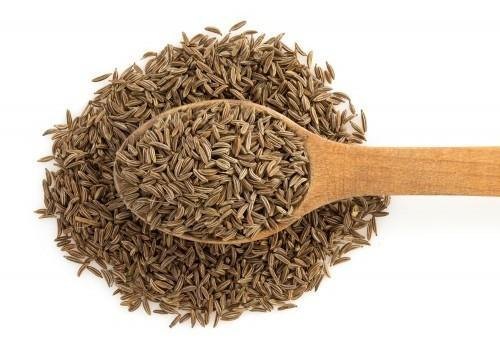
What   is   an   Ajwain   Faanta ?   The Carom seeds are boiled in water to create the herbal remedy known as “Ajwain Faanta” by literally heating them in water. This water is an infusion that is majorly used as a home remedy for various digestive problems, such as indigestion, bloating, and gas, among others, and also to cure respiratory problems. Ajwain: These are seeds commonly used in Indian cuisine because of their strong, peculiar taste. They also have a number of medicinal properties, which include digestion, gas dispelling, and colds. Faanta:  Generally, people give the name “faanta” to the infusion or decoction that results from boiling herbs or seeds in water to extract their useful properties. Ingredients Carom seeds (ajwain) – 20g Hot water – 80 ml   Preparation Boil water in a pan. Then add the ajwain seeds. Now, let it simmer till the water reduces to half in about 10-15 minutes. Strain the water to eliminate the seeds. You can see , Ajwain Faanta is in  liquid form.   Benefits   It has powerful cleansing effects. This helps cure stomach aches and bloating caused due to indigestion and also helps improve appetite and digestion. It also helps in the functioning of our respiratory system and kidneys. This provides relief for menstrual pain and discomfort. It acts as a natural pain reliever and helps in easing cramps. The regular intake of Ajwain Faanta may help in reducing weight through increasing metabolism and breaking down fat. The diuretic properties in ajwain stimulate the process of detoxification through flushing out toxins from the body. Do not drink more than 10ml of Ajwan Fanta at a time. You should also not drink it  if you have stomach pain due to loose stools as it can worsen the problem.  Also, do not have it on an empty stomach if you have stomach pain.   Usage and Dosage   For Digestive Problems: Take one cup of Ajwain Faanta half an hour post-meals.Cold and cough: Take one cup in the morning and evening for relief.For Painful Menstruation: A glass of fomented Ajwain Faanta during the mense may bring pain relief.   If you are struggling with any health issues, you can either book a consultation with us or send us a message via WhatsApp to +91 79074 89839. We have the best Ayurvedic doctors in Trivandrum who are always glad to help you. If you have any queries, contact us.  You can also visit us at our hospital.