
Ayurvedic Understanding of Acne, Pimples and Oily Skin Problems

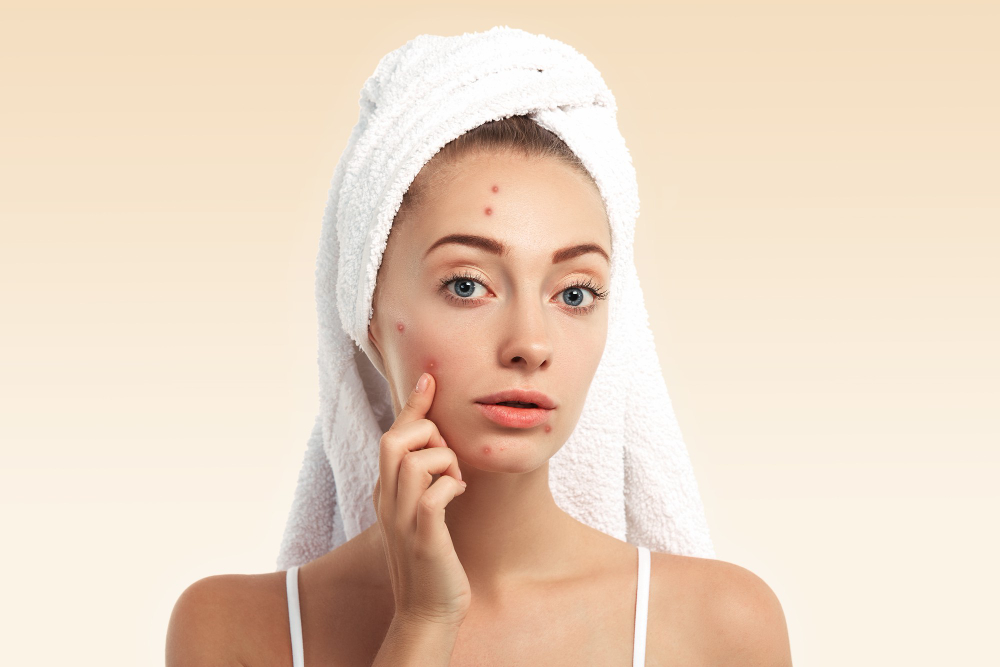
Acne, pimples and oily skin problems are some of the most common issues that people face today, especially teenagers and young adults. When these acne, pimples and oily skin problems keep coming back, it affects not only your face but also your confidence and mood. From an Ayurvedic point of view, acne, pimples and oily skin problems are not just surface-level concerns; they are signs that your inner balance, digestion and lifestyle need gentle correction.   In Ayurveda, acne and pimples are commonly referred to as Mukhadushika, which means “impurities or blemishes on the face.” They are classified as a minor disease, but their impact on appearance and self-esteem can be quite major. Ayurveda explains that Mukhadushika happens when certain energies in the body called doshas, go out of balance, especially Pitta and Kapha, along with disturbance in Rakta (blood). When these are disturbed, they show up as oiliness, redness, swelling, blackheads, whiteheads and painful eruptions on the face.   Role of Pitta, Kapha and Rakta in Skin Problems   Ayurveda uses the concept of doshas to explain why acne, pimples and oily skin problems develop.   Pitta is the heat, metabolism and transformation. When Pitta is high, it causes inflammation, redness and a burning sensation. On the face, this appears as red, tender, angry-looking pimples. Kapha stands for heaviness, coolness and oiliness. When Kapha increases, it leads to excess sebum (oil), stickiness and clogged pores, which then become blackheads, whiteheads or pus-filled pimples. Rakta (blood) carries nutrients and also heat around the body. When toxins (Ama) mix with Rakta and Pitta, the blood becomes “impure” and starts pushing out waste through the skin, leading to repeated breakouts and dull skin.   In simple words, when Pitta and Kapha combine in impure blood, acne and pimples appear as the body’s way of throwing out this internal imbalance.   Common Ayurvedic Causes of Acne, Pimples and Oily Skin Problems   Ayurveda focuses a lot on day-to-day habits, because they are often the root cause of acne, pimples and oily skin problems. Some common triggers include:   Regular eating of spicy, deep-fried, sour, junk and fast foods, which increases Pitta and heats the blood. Heavy, oily, cheesy, sugary foods and cold desserts, which aggravate Kapha and block skin channels with excess oil and mucus. Irregular meals, late-night dinners, overeating and poor digestion, which cause Ama (toxins) to build up and circulate in the body. High stress, mental pressure, anger and irritation, which directly worsen Pitta and trigger more breakouts. Staying up late, sleeping less and a disturbed sleep routine, which reduce the body’s natural ability to cleanse and repair at night. Overuse of heavy makeup, thick creams or comedogenic products, as well as hair products falling on the forehead, which clog the pores.   If these root causes are not addressed, acne, pimples and oily skin problems keep returning even if you use strong creams or medicines.   Skin Types and Dosha Patterns in Ayurveda   To understand why some people, get more acne and oily skin than others, Ayurveda looks at your natural constitution (Prakriti).   Pitta Skin   Pitta-type skin is usually warm, soft, often a bit pink or reddish, and can react quickly to sun and heat. These individuals are prone to red, inflamed, burning pimples and rashes. For them, cooling foods, calming routines and gentle skin care are important.   Kapha Skin   Kapha-type skin is thick, cool, moist and often naturally oily, with visible pores especially on the T-zone (forehead, nose, chin). These people tend to get whiteheads, blackheads and even deep, cystic acne. Their skin responds well to light, non-greasy products, regular cleansing and more physical activity.   Vata Skin   Vata-type skin is usually dry, thin and rough. These individuals may get fewer oily pimples but can still develop small eruptions, uneven texture and dullness, especially if digestion is weak or if they use harsh, drying products. Many people with chronic acne, pimples and oily skin problems fall into a mixed Pitta–Kapha pattern: the skin is both hot and oily at the same time.   Ayurvedic Treatment Principles for Acne and Oily Skin   Ayurvedic treatment does not focus only on “killing germs.” Instead, it works on restoring balance in Pitta, Kapha and Rakta while supporting digestion and lifestyle.   1. Gentle and Regular Cleansing   The face should be washed 2–4 times daily with lukewarm water to remove excess oil, sweat and dirt without irritating the skin. Extremely hot water and very harsh, foaming cleansers are avoided, because they can increase dryness and irritation, which then causes the skin to produce even more oil. Mild herbal cleansers are preferred.   2. Cleansing Blood and Reducing Toxins   Since Rakta and Ama are involved in acne, pimples and oily skin problems, Ayurvedic care often includes herbs and formulas that purify the blood and support detoxification. Bitter and astringent herbs like neem and turmeric are commonly used because they cool the system, reduce inflammation and support natural healing of pimples.   3. Balancing Pitta and Kapha   In most acne cases, both Pitta and Kapha need to be calmed together. Cooling measures (like avoiding very spicy foods and excessive heat), along with lighter, less oily diet and regular exercise, help to reduce this combination of heat and oil. The goal is to keep the skin cool, clean and balanced, not stripped or over-dried.   4. Supporting Digestion and Liver   When digestion is irregular or weak, even healthy food can create Ama. Ayurvedic treatment often includes support for the digestive fire (Agni) and liver function. When digestion and liver work properly, hormones, fats and toxins are handled better, which naturally reduces acne and oily skin from within.   Daily Routine Tips for Acne, Pimples and Oily Skin Problems   A simple, consistent daily routine is one of the strongest tools in Ayurvedic care for acne and oily skin.   Face Care Habits   Wash your face with lukewarm water multiple times a day, especially after sweating or coming… Continue reading Ayurvedic Understanding of Acne, Pimples and Oily Skin Problems

Dhataki – A Wonder Herb in Ayurveda

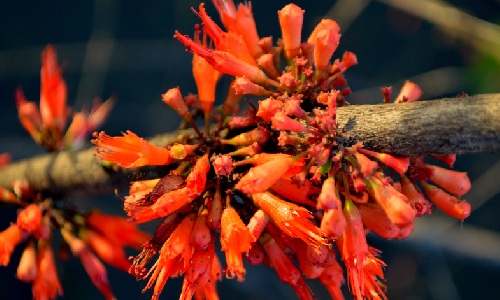
When it comes to Ayurveda, every herb has a story. And Dhataki, also known as Woodfordia fruticosa, has one of the most fascinating ones.    This low perennial herb with attractive red flowers occupies a very high position in Ayurvedic pharmacopeia. For enhancing women’s health, digestion and increased immunity, people have been depending it for generations.    What is Dhataki?   Dhataki is a flowering shrub native to India, also known as Fire Flame Bush in English. Known for its tiny red flowers, this plant is celebrated in Ayurveda for its ability to balance Doshas, particularly Kapha and Pitta.   This herb is pungent and astringent in taste with cold potency. It is light in nature and widely used in Ayurvedic medicine for excessive thirst, poisoning, abnormal bleeding and skin conditions like gout and herpes. Due to its amazing medicinal properties, it is the main ingredient in many Asava and Arishta formulations.   However, like all herbs, moderation is key. Overuse of Dhataki can lead to mental confusion and disorientation, so it’s essential to use it carefully.   Parts of Dhataki used in Ayurveda   Flowers   Dhataki flowers are astringent and analgesic. They help treat various health conditions, such as diarrhea, dysentery, menorrhagia and mucous membrane disorders. Its flowers are also antibacterial in nature and are useful for skin diseases, fever, herpes, ulcers, wounds, and hemorrhoids. They are used in preparing Ayurvedic Asava and Arishtas.   Leaves    The  juice of its leaves is used to treat diseases associated with excess bile.   Bark   The bark of Dhataki is pungent, acrid and cooling. It acts as a uterine sedative. They use the bark in the treatment of health conditions, such as leprosy, erysipelas, thirst, dysentery and blood disorders. It is also applied as a Lepa for burns.   While other parts of the herb have medicinal value, the flowers are the most potent.   Medicinal uses of Dhataki in Ayurveda   Ayurvedic texts like the Charaka Samhita and Sushruta Samhita describe Dhataki as a key ingredient in several medicinal formulations.    Here are some of its notable applications:   Women’s health   When we talk about women’s health, most of them involve menstrual disorders. Dhataki is especially helpful for issues like menorrhagia (heavy bleeding) and dysmenorrhea (painful periods).    Bleeding disorders   The astringent properties of Dhataki makes it useful in bleeding disorders, such as nasal bleeding, menorrhagia, etc.    Digestive health   Apoor gut health or Agni is the root cause of all diseases. Constipation, diarrhea, bloating, and flatulence are the serious outcomes of this problem. Dhataki is a mild antidote to diarrhea, dysentery and even small digestive episodes. Ayurvedic formulations with Dhataki help restore gut health without causing any side effects.    Skin problems   People know Dhataki for its anti-inflammatory and antimicrobial properties. Ayurvedic remedies often use it for acne, rashes and other skin conditions. It’s often used in herbal face packs and topical treatments.   Immunity     Dhataki flowers are rich in bioactive compounds that strengthen the immune system, keeping common infections at bay.    Diabetes   According to Ayurveda, Dhataki is useful for managing diabetes. It supports the pancreas and enhances sugar metabolism.    However, I don’t advise patients to experiment on their own since they should consider several other factors.   While they offer an array of benefits, be mindful not to use any Ayurvedic herbs, including Dhataki without consulting a qualified Ayurvedic doctor. Overuse or incorrect use can lead to unwanted side effects.    Uses of Dhataki in Ayurvedic Formulations   Dhataki is an ingredient in many Ayurvedic formulations like:    Mustharisharishtam: used to treat digestive issues Sarivadyasava: a remedy for skin problems Chandanadi Tailam: an oil used for its soothing effects on the skin Kutajashtaka Kashayam: a decoction used to support digestive health   Dhataki has been used for centuries for all sorts of health concerns, ranging from improving women’s health to enhancing digestion.    This herb is a testimony to how Mother Nature always has the most effective cures for us.   If you are struggling with any health issues, you can either book a consultation with us or send us a message via WhatsApp to +91 79074 89839. We have the best Ayurvedic doctors in Trivandrum who are always glad to help you. If you have any queries, contact us.  You can also visit us at our hospital.

Skincare Secrets for Radiant Skin with Ayurveda

Ayurvedic skincare incorporates traditional healing methods from India. The practice offers natural facials, treatments for skin problems, and herbal remedies for the skin. Today, numerous skincare products based on Ayurveda are available for purchase. It is crucial to review the ingredients and the quality in order to achieve optimal results. According to Ayurveda, the treatments for skin are designed to target specific skin types and their related concerns.   Understanding your type of skin   Ayurvedic skin care treatments are designed to cater to a range of skin conditions. According to Ayurveda, an individual’s skin type is determined by their Doshas.    Vata In Ayurveda, Vata refers to the combination of air and space elements within the body. As per Ayurveda, an individual with predominant Vata Dosha may have dry and coarse skin that becomes wrinkled without proper moisturization. Lower fat levels characterize Vata-type skin and require additional moisturizing, both externally and internally.   Pitta Individuals who have high body heat levels frequently experience oily skin and are susceptible to developing acne and rosacea.   Kapha Kapha skin tends to feel cold, produce excess oil, and is prone to developing pimples, whiteheads and retaining water. Utilizing dry brushing is a beneficial method for removing blockages, stimulating the lymphatic system and exfoliating the skin.   Causes of skincare problems   According to Ayurveda, numerous factors can lead to skincare issues.   Imbalance of Doshas An excess of Vata can lead to dry, flaky, and rough skin. An excess of Pitta can lead to swelling, redness, and acne. Excessive Kapha can lead to the excessive production of oil in the skin, resulting in clogged pores and a dull complexion.   Poor gut health  Skin issues can result from difficulties in digesting food, as per Ayurveda. When your digestion is not functioning correctly, harmful substances known as toxins may accumulate in your body. This may lead to skin problems, such as acne, eczema, or psoriasis.   Issues in diet Consuming foods that do not suit your body type (Prakriti) or consuming unhealthy processed foods can disrupt your body’s equilibrium and lead to skin issues. Consuming unhealthy food can exacerbate Dosha imbalances and lead to skin issues.   Environmental factors  Excessive pollution, sun exposure, adverse weather conditions and using chemical products can also damage the skin and lead to skin issues.   Emotional stress  Emotional stress and psychological factors can affect the skin. Ayurveda recognizes the interconnectedness of the mind and body. Emotional stress, consequently, may lead to the development or, furthermore, aggravation of skin issues.   Toxin buildup  The accumulation of toxins (Ama) in the body from unhealthy habits, poor dietary choices, or digestive issues may lead to skin problems. These toxins are capable of obstructing the pathways, disrupting blood circulation, and damaging skin wellness.   My skincare routine   I have acne-prone skin and therefore, finding the right kind of products that suit my skin has been a struggle, until I found them in Ayurveda. Ever since, I haven’t looked back. After starting my career and gaining some experience, now I have my own line of products that I personally use and also recommend to my patients. I use them on a daily basis.    Here is my daily skincare routine:   Step 1- Cleansing with organic black sesame oil   The first step of my skincare routine is cleansing my face with organic black sesame oil. I strongly believe in double cleansing. So, I massage my face with organic black sesame oil to remove makeup, dirt, and all the impurities that have accumulated on my face. If you are not aware, organic black sesame oil holds lots of importance in Ayurveda. It has lots of health benefits and is the best recommended oil for Abhyanga (self-oil massage).   Step 2- Cleansing with a mild herbal scrub   This herbal scrub smells so divine. Furthermore, it has Vetiver as the main ingredient. In addition, Vetiver is an amazing Ayurvedic herb that has a cooling effect on your skin. Once dried, I rinse it off and then, dry my face gently using use a microfiber towel.   Step 3- Applying the magical oil   This is the last and the most crucial step of my skincare routine – applying 4 drops of my magical Glow Oil. I can’t tell you how much this oil has helped reduce me with reducing my blemishes and dark circles, and makes my skin glow. Happy skin, happy me.    Benefits of Vetiver and organic black sesame oil   Apart from my Glow Oil, organic black sesame oil and the herbal scrub with Vetiver as the main ingredient help keep my skin healthy and happy! Indeed, Ayurveda has a lot to say about Vetiver and, furthermore, organic black sesame oil for its amazing health benefits.     Vetiver   Vetiver is a perennial grass that thrives in the southern regions of India and regrows annually. Known as Khus in Ayurveda, it is scientifically called Vetiveriazizanioides and has a refreshing scent with hints of citrus and earthy notes that provide a cooling sensation. It is a good skincare herb. Specifically, vetiver water or oil is commonly utilized for addressing various skin issues. Vetiver roots are processed and incorporated into beauty products.    For a long time, individuals have believed that this particular item is unique due to its ability to withstand high temperatures and provide a refreshing, cooling sensation. It is commonly found in households, particularly during the summer months. During the summer, your body can heat up, leading to increased acne, breakouts, irritation, and sunburns.   Vetiver oil has a calming effect on the skin, consequently, it promotes relaxation and, furthermore, reduces stress. It helps keep the skin safe from harsh weather, lessens damage from oxygen, lessens wrinkles, and makes the skin tighter and more hydrated. Renowned for improving hair and combating scalp infections, Vetiver essential oil is derived from Indian grass.  The process of making vetiver essential oil involves boiling the roots in water; subsequently, the… Continue reading Skincare Secrets for Radiant Skin with Ayurveda