
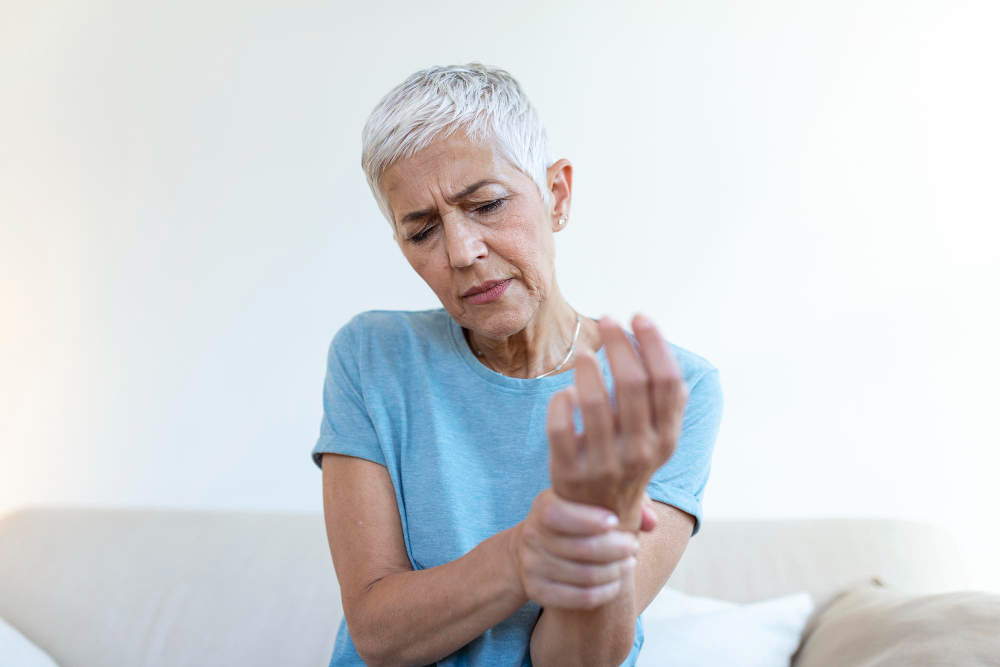
Rheumatoid Arthritis: Understanding Amavata and Natural Healing

If you are dealing with rheumatoid arthritis, you know how painful and frustrating it can be. Your joints hurt, they swell up, and sometimes you cannot even perform simple tasks. Many people turn to conventional medicines, but what if we told you that Ayurveda offers a completely different approach to managing this condition?   In Ayurveda, we call rheumatoid arthritis by the name Amavata, and the system has been treating this condition for thousands of years with remarkable results.   Understanding Rheumatoid Arthritis Through Ayurvedic Eyes   When we talk about rheumatoid arthritis in Ayurveda, we are looking at a condition that develops due to the accumulation of Ama in the body. Now, Ama is a term that might sound unfamiliar to you, but it simply means metabolic toxins or undigested waste products that build up in your body. Think of it like stagnant water that you do not clean from a vessel.   Over time, this stagnant water becomes murky and problematic. Similarly, when Ama accumulates in your joints, it causes the painful inflammation we associate with rheumatoid arthritis. The root cause of Amavata lies in weak digestion and imbalanced Vata dosha.   When your digestive fire becomes weak, your body cannot properly break down and eliminate what you eat. This undigested material becomes Ama. At the same time, when Vata dosha becomes aggravated, it carries this Ama throughout your body and deposits it in the joints, particularly in smaller joints like those in your fingers and wrists.   Unlike conventional medicine that focuses mainly on suppressing symptoms, the Ayurvedic treatment for rheumatoid arthritis works to address the root cause. We do not just want to reduce the pain and swelling. We want to strengthen your digestion, clear out the accumulated toxins, and restore balance to your doshas so that your body can heal itself from within.   How Ayurveda Views the Three Doshas in Rheumatoid Arthritis   The three doshas, Vata, Pitta, and Kapha, play important roles in how rheumatoid arthritis develops and how we can treat it. When we design an Ayurvedic treatment for rheumatoid arthritis, we need to understand which doshas are involved.   Vata dosha is almost always aggravated in Amavata. The light, dry, and moving qualities of Vata make it very easy for this dosha to carry toxins to different parts of the body. When Vata becomes unbalanced, it creates movement and pain in the joints. This is why people with rheumatoid arthritis often experience pain that moves from one joint to another.   Pitta dosha also plays a role, particularly in the inflammation aspect. The hot, sharp, and intense nature of Pitta creates the inflammation and swelling you experience in your joints. The burning sensation in the joints during flare-ups is often a sign of Pitta involvement.   Kapha dosha contributes to the heaviness and stiffness in your joints, especially when you wake up in the morning or after sitting for long periods. The cold and sticky qualities of Kapha combine with Ama to create that feeling of your joints being locked up.   The Role of Ama in Amavata   We cannot talk about the Ayurvedic treatment for rheumatoid arthritis without discussing Ama in detail. Ama is not just a theoretical concept. It is a real, sticky substance that accumulates in your body when digestion becomes weak. This substance blocks the channels through which nutrients flow, causing pain and inflammation.   The presence of Ama in your joints creates a perfect environment for chronic inflammation. Your body’s immune system becomes confused when it encounters this foreign substance, and it starts attacking your own joint tissues. This is why rheumatoid arthritis is an autoimmune condition, but Ayurveda sees it as a digestive problem that cascades into an immune problem.   The Ayurvedic treatment for rheumatoid arthritis focuses heavily on removing Ama from the body. Once we clear out these toxins, the inflammation often reduces significantly, and your body can begin to repair the damage to your joints.   Dietary Approach in Ayurvedic Treatment for Rheumatoid Arthritis   Your diet plays a massive role when you follow the Ayurvedic treatment for rheumatoid arthritis. In fact, many Ayurvedic practitioners believe that medicine and diet work together, and if your diet is not right, even the best herbs cannot help you completely.   The Ayurvedic treatment for rheumatoid arthritis recommends eating warm, cooked foods that are easy for your digestive system to process. Cold, raw foods and leftovers burden your weak digestion and create more Ama.   You should eat freshly cooked meals that contain plenty of warming spices like ginger, turmeric, cumin, and cinnamon. These spices do more than just add flavor. They actively support your digestion and help reduce inflammation. Include generous amounts of turmeric in your daily meals. This golden spice contains a compound called curcumin that has powerful anti-inflammatory properties.   Many people taking the Ayurvedic treatment for rheumatoid arthritis find that turmeric alone brings significant relief within a few weeks. Ginger is another essential ingredient in the Ayurvedic treatment for rheumatoid arthritis. Fresh ginger improves your digestive fire and reduces pain in your joints.   You can have fresh ginger tea every morning or add ginger to your meals. Avoid heavy, oily foods and foods that are difficult to digest. Skip raw salads, cold drinks, and foods that are hard to digest like heavy meats and processed items. These create more Ama in your system and aggravate your condition.   Instead, choose easily digestible foods like well-cooked grains, lentils, and vegetables. Herbs and Supplements in Ayurvedic Treatment for Rheumatoid Arthritis Several powerful herbs form the backbone of Ayurvedic treatment for rheumatoid arthritis.   These are not just remedies passed down through generations. Modern research now supports their effectiveness in reducing joint pain and inflammation.     Panchakarma: The Detoxification Therapy   When your rheumatoid arthritis is more severe or in an advanced stage, your Ayurvedic practitioner may recommend Panchakarma.   This is a comprehensive detoxification therapy that goes deeper than simple… Continue reading Rheumatoid Arthritis: Understanding Amavata and Natural Healing
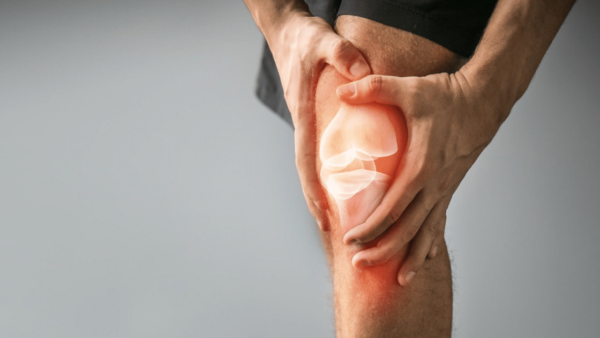
Osteoarthritis Management With Ayurveda

Osteoarthritis is a common degenerative joint disease that millions of patients suffer across the world. Osteoarthritis joint pain affects nearly 20% of the population.    The condition affects your joints, especially in the knees, hands, and hips. In some cases, the shoulders are affected. The large weight-bearing joints face depleted cartilage and affect mobility.   The condition is incurable, but Ayurveda can help manage the symptoms. Ayurvedic treatment for osteoarthritis includes Panchakarma therapy, Abhyanga, dietary and routine correction and more.   In this blog, let us learn more about managing osteoarthritis with Ayurveda.   Understanding Osteoarthritis   Osteoarthritis occurs due to wear and tear of joints resulting in cartilage deterioration. This is most often due to ageing. But obesity, heredity and joint trauma can also be the reasons.    The symptoms and their severity can differ for each individual. People often feel their joints being tender and painful. There is a limited range of motion thereby hampering free movement. The muscles surrounding the affected joint might be painful; moreover, they might swell.   The symptoms are usually prominent in the morning on waking up. They tend to be more severe in winter or after strenuous physical activity. Patients suffering from osteoarthritis feel tenderness when any pressure is applied.    The ageing process reduces the cartilage and causes it to degenerate. Additional weight lays extra pressure on the joints, resulting in degeneration of the cartilage. Repetitive jobs and joint injuries are other possible causes for symptoms of osteoarthritis. Joint discomfort and cracking are the early symptoms of arthritis.    If left unattended, there is progressive destruction of the articular surface. In advanced stages, the patient has a deformity of the joint. Pain relief for severe osteoarthritis involves careful examination of the condition before prescribing a customized treatment.   Ayurveda and osteoarthritis   Osteoarthritis is called Sandhigata Vata in Ayurveda. According to Ayurveda, the reason for osteoarthritis is the rush of morbid Vata into the joints of the body, affecting their mobility and causing pain and inflammation.    Vata controls joint health and mobility. Any imbalance in Vata Dosha can result in reduced joint lubrication, inflammation and pain. Ayurveda can help in pain relief for osteoarthritis pain and improve lubrication and joint strengthening.  Vata levels can be reduced to improve mobility and reduce pain.    The unique perspective of Ayurveda is that it traces the disease to accumulated toxins and blocked channels of the body. Reactive arthritis and seronegative arthritis have a direct link to the gut.  Therefore, the treatment begins with expelling the toxins (Ama) from the gut. Dietary changes are suggested to treat the buildup of Ama and the lowering of the digestive fire (Agni).   Ayurvedic Treatment for Osteoarthritis   Sandhigata Vata is addressed in Ayurveda mainly with rejuvenating and detoxification therapies. The treatment also involves dietary and lifestyle changes and treatments to improve mobility and reduce pain.   External Treatments   Bahya Chikitsa or external treatment for osteoarthritis includes the following:   Abhyanga Abhyanga means oil massage. Ayurveda recommends including Abhyanga in your Dinacharya or daily routine. It is also a great remedy for osteoarthritis.     You can massage the joints using organic black sesame oil, Adirekha Ayurveda Pain Oil or any other medicated oils. In some cases, practitioners, notably, use a combination of herbal oils and, additionally, medicated ghee.   Doing Abhyanga eases the morbid Vata in the joints and also provides relief from inflammation and pain.    Swedana or steam therapy This therapy involves inducing sweat through any of the different methods recommended in Ayurveda. One way to do it is steaming treatment (applying herbal steam on the whole body or affected joints). Another method is Pinda Sweda, where hot or boiled medications tied in cloth boluses brought down to tolerable heat are used to massage the joints until sweating happens. Swedana provides relief from stiffness by improving joint mobility. It also rejuvenates the joints and relieves pain.   Janu Basti Janu Basti – an Upakarma (subtype) of Panchakarma is also a great remedy for osteoarthritis.    In this therapy, the therapist places a dough ring of black gram flour on the affected joint. Medicated oil is poured and placed in the dough ring for nearly an hour. The gentle pressure provided by the warm oil boosts blood circulation to the affected joint. This goes a long way in improving joint mobility and reducing inflammation.      Internal Treatment   Internal treatment for Osteoarthritis involves some of the steps of Panchakarma. But the treatment methods recommended for a patient depend on factors, such as Prakriti, Dosha imbalances, health conditions and more.  Snehapana Snehapana involves the consumption of medicated oils or ghee by the patient in prescribed doses. This treatment helps pacify the vitiated Doshas.    Basti  Basti or medicated enema is best for vitiated Vata.  The practitioner uses medicated oils in the enema to balance the doshas and provide nourishment.   Virechana  Virechana or therapeutic purgation helps restore Vata imbalance. The patient experiences well-being once the impurities are expelled and the Doshas are in balance.   Dietary changes for osteoarthritis   Your gut health is everything. The vitiated Vata Dosha that is the main reason for your osteoarthritis could be a result of poor Agni. Therefore, it is important to have foods that can help correct your Agni. You can consult an Ayurvedic doctor to help strategize a diet plan that aligns with your Prakriti, health conditions, Dosha imbalances and more.    Always opt for warm and freshly prepared foods. Have plenty of vegetables and fruits in your diet. Stay clear of oily food. Furthermore, include ghee to benefit from its pain-relieving and lubricating properties.  Avoid foods that induce inflammation.   Turmeric is rich in anti-inflammatory benefits and must be added while cooking. Ginger offers plenty of anti-inflammatory properties too. Excessive fasting can, therefore, increase Vata in the body; consequently, it is not suitable for those suffering from osteoarthritis.   Furthermore, include black gram cereals, lentils, pulses, and other wholesome foods.  Do not eat dry and… Continue reading Osteoarthritis Management With Ayurveda