
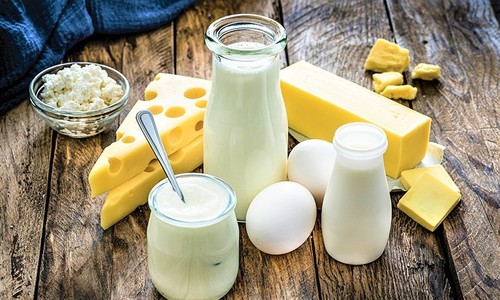
Dairy products are a controversial topic when it comes to PCOS. Some studies suggest that dairy products may have a beneficial effect on insulin resistance – one of the symptoms of PCOS. Meanwhile there are also studies that suggest that dairy products may worsen PCOS symptoms. According to Ayurveda, the effects of dairy products on PCOS depend on several factors, including the individual’s constitution, the quality and quantity of dairy products consumed and the method of preparation. Prakriti In Ayurveda, each individual has a unique constitution or Prakriti. Pitta or Kapha people may be more prone to PCOS. However, those with a Vata constitution may be less likely to develop PCOS. Therefore, Ayurveda advises restricting dairy products for people with a Pitta or Kapha constitution, especially if they are high in fat. This is because dairy products are heavy and challenging to digest. It can induce a digestive system imbalance and aggravate Pitta and Kapha imbalances. Yet, because they tend to have a lighter constitution and may benefit from the nourishing and anchoring qualities of dairy, those with a Vata constitution may find that moderate dairy consumption is beneficial. Type and quantity of dairy products To maintain optimum health, Ayurveda places a strong emphasis on eating fresh, organic and unprocessed foods. It is better to consume dairy products, like cream, butter and cheese in moderation or avoid them entirely as they can exacerbate Kapha and Pitta imbalances. For those with PCOS, low-fat dairy products like skim milk and low-fat yogurt can be a preferable choice. Taste Ayurveda also emphasizes the importance of balancing the six tastes in each meal: sweet, sour, salty, bitter, pungent and astringent. Dairy products usually have a sweet taste. It can be beneficial for individuals with a Vata constitution but may exacerbate Pitta and Kapha imbalances if consumed in excess. To balance the sweet taste of dairy, Ayurveda recommends adding bitter, pungent, or astringent foods to meals, such as leafy greens, turmeric or ginger. Method of preparation In Ayurveda, foods are prepared and cooked in a way that maximizes their nutritional value and digestibility. Raw dairy products should be avoided as they are believed to be heavy and difficult to digest. Instead, Ayurveda recommends consuming dairy products that have been heated or cooked, such as milk, ghee and paneer. The effects of dairy products on PCOS depend on several factors. They include the individual’s constitution, the quality and quantity of dairy products consumed and the method of preparation. For individuals with a Pitta or Kapha constitution, Ayurveda recommends limiting dairy products, especially those that are high in fat. If you are struggling with any health issues, you can either book a consultation with us or send us a message via WhatsApp to +91 79074 89839. We have the best Ayurvedic doctors in Trivandrum who are always glad to help you. If you have any queries, contact us. You can also visit us at our hospital.