
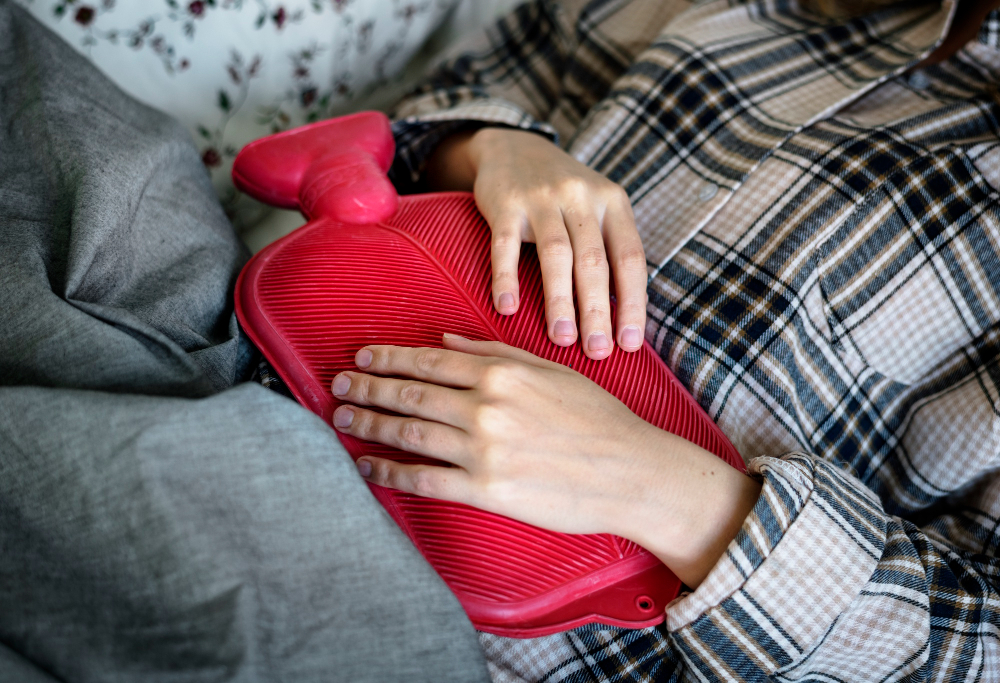
Menstruation is not just a “monthly problem” to be tolerated. In Ayurveda, your period is like a monthly health report card that shows how balanced your body and mind are. When you have strong cramps, unusual clots or big mood swings before or during your period, it usually means your doshas, especially Vata and Pitta, are disturbed and need some gentle correction. What your menstrual pain really means Many women think painful periods are normal, but in Ayurveda, severe cramps are seen as a sign that Apana Vayu, the downward‑moving energy in the pelvis, is not flowing smoothly. When this energy is disturbed, the uterus contracts too hard or at the wrong time, and you feel sharp, stabbing, twisting or dragging pain in the lower abdomen, back and thighs. Sometimes the pain changes during the cycle: At the start of the period, it may feel sharp and colicky, often linked to Vata. In the middle, it may feel more burning or warm, linked to Pitta. At the end, it may feel dull and heavy, linked to Kapha. If you notice that your pain comes with a lot of gas, bloating or feeling cold, it is usually Vata‑dominant. If you feel heat, burning, anger or heavy flow, Pitta is more involved. If your period feels sluggish, very heavy and you feel physically tired and heavy, Kapha is playing a bigger role. Recognizing this helps you choose the right food, herbs and lifestyle without just guessing what will work. Clots and flow: what is normal Seeing clots can be scary, but small clots once in a while are part of the body’s natural cleansing. Real red flags are very large clots, repeated clots over many cycles, very dark or thick flow, or clots that come with a foul smell. In Ayurveda, when clots are common, it usually means: Vata and Kapha are mixed, Vata gives the irregular movement and pain, while Kapha adds the heaviness and stability that allows clots to form. Flow colour may change, dark or black because of Vata, whitish or yellowish because of Kapha, or yellowish‑blue because of Pitta and Kapha. There may also be pain, burning, bad smell or even a feeling of heaviness in the chest or abdomen. If your blood has a strong bad smell, is very thick or you notice anything unusual like pus or tissue‑like material, it is important to speak to a doctor. Ayurveda can still support you, but you should first rule out any medical issues. Mood swings, irritability and your cycle Mood changes before and during your period are not just “hormones being hormonal.” In Ayurveda, they are connected to how your doshas, digestion and mental state are linked. When Vata is high, you may feel anxious, scared, restless or unable to sleep. When Pitta is high, you may feel angry, short‑tempered, impatient or very emotional. When Kapha is high, you may feel low, heavy, oversleeping or emotionally stuck. You might notice: Wanting to cry over small things Sudden anger or irritability Feeling drained, tired or unmotivated Difficulty concentrating or feeling mentally foggy These patterns often repeat every month, which means they are tied to your cycle and not just random stress. The good news is that simple daily changes can slowly calm your mind and make your period time less emotionally heavy. Simple Ayurvedic ways to ease cramps You do not need strong medicines to start feeling better. Many Ayurvedic tips are simple, gentle and easy to fit into daily life. Try one or two at first and see how your body responds. 1. Keep yourself warm Cold and dry food, cold drinks and sitting in the cold can make cramps worse. Try to eat warm, soft, cooked food such as soups, khichidi, well‑cooked rice and vegetables. Drink warm water or warm herbal teas instead of iced water or cold juices. 2. Use gentle heat A warm cloth, warm water bottle or warm oil massage on the lower abdomen can relax the muscles. Light massage with warm sesame or coconut oil, moving in a clockwise direction, helps calm Vata and ease pain. 3. Drink soothing herbal teas Simple herbal teas can make a big difference. You can try: Warm water with a pinch of ginger powder Warm water with cumin and fennel These help reduce gas, bloating and cramping. 4. Avoid heavy work and strain During your period, heavy physical work, long standing, lifting heavy things and intense exercise can make cramps worse. Ayurveda suggests gentle movement like short walks, light stretching or simple yoga instead of pushing yourself too hard. 5. Rest properly Your body is cleansing during your period, so it needs rest. Try to avoid late nights, long screen time and too much mental work. Even 10–15 minutes of lying down with a warm cloth on your abdomen can help. Food and lifestyle during your period What you eat and how you live in the days before and during your period has a big impact on how you feel. What to eat Warm, cooked meals like rice, khichidi, soups and soft vegetables Light, easy‑to‑digest foods that do not create gas or heaviness Warm water or warm herbal teas Moderate amounts of healthy fats like ghee or coconut oil What to avoid Raw salads, heavy fried snacks and cold drinks Excess coffee, cola, alcohol and spicy food Skipping meals or eating at irregular times Simple daily habits Go to sleep at a similar time every night Eat your meals at regular hours Avoid rushing or overworking close to your period Take short breaks, even if you just sit quietly and breathe These small habits reduce stress on your body and help your cycle feel lighter and smoother. Natural herbs that support menstrual health Ayurveda… Continue reading Understanding Menstrual Cramps, Clots and Mood Swings in Ayurveda