
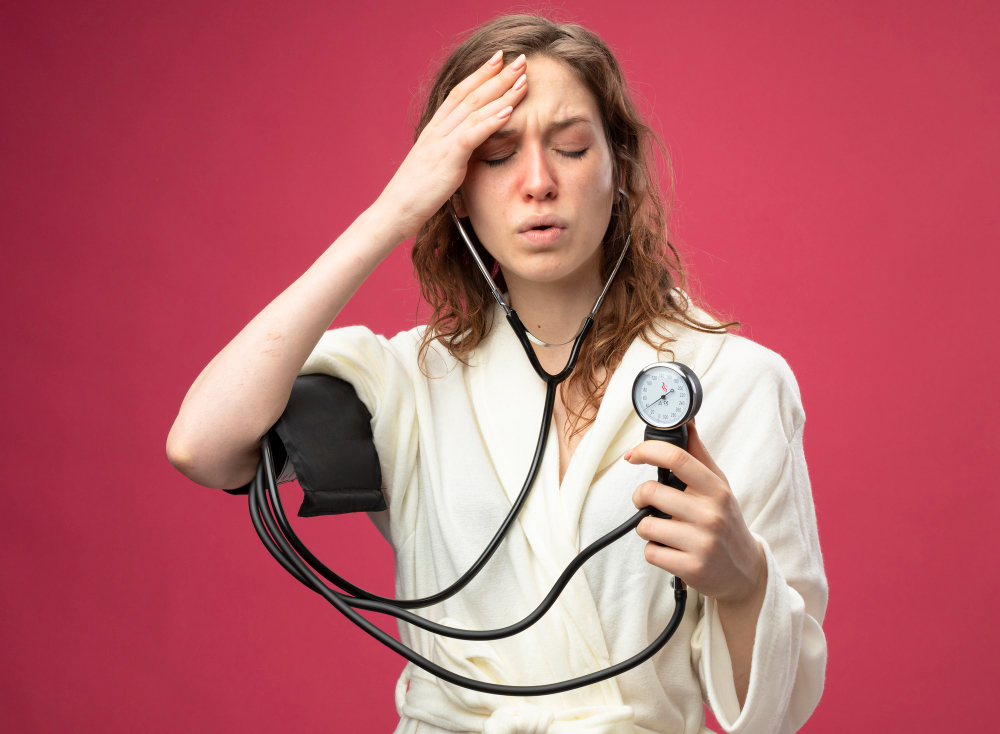
High blood pressure is no longer considered a condition that appears only after the age of 60.
Today, more and more people in their 30s and 40s are being diagnosed with hypertension, especially those with a family history of diabetes, obesity, cholesterol imbalance, or cardiovascular disease.
Many people believe high blood pressure is simply caused by stress or excess salt intake. While these factors do play a role, the deeper issue is often metabolic dysfunction, particularly insulin resistance.
Let us understand this in a simple way.
The Connection Between Insulin Resistance and High Blood Pressure
Our body produces a hormone called aldosterone.
This hormone tells the kidneys to retain sodium (salt). When salt is retained in the body, water also stays back. Increased water retention raises blood volume, and when blood volume increases, blood pressure rises.
Now here is where insulin resistance becomes important.
People with insulin resistance often have higher insulin levels circulating in the body. Elevated insulin can stimulate the retention of sodium and water, making the body more prone to developing high blood pressure.
This is why people with:
- Belly fat
- Weight gain
- Fatty liver
- High cholesterol
- Prediabetes
- Sedentary lifestyles
often gradually develop hypertension as well.
Ayurveda sees this pattern as a Kapha-dominant metabolic disorder associated with weak Agni, Ama accumulation, sluggish circulation, and blocked channels.
The good news is that Ayurveda focuses not just on controlling blood pressure numbers but on improving the underlying metabolic imbalance itself.
Ayurvedic Principles That Support Better Metabolic Health
- Langhana, Lightening Therapy
One of the first approaches in Ayurveda for metabolic disorders is Langhana, or “lightening therapy.”
The goal is to reduce overload on the digestive system and give metabolism an opportunity to reset.
This includes:
- Eating lighter meals
- Avoiding overeating
- Choosing foods that are easy to digest
- Reducing processed and heavy foods
- Allowing proper gaps between meals
When digestion improves, the body becomes more efficient at handling glucose and insulin. Cells begin responding better to insulin signals, reducing metabolic stress.
Simple dietary practices can often create profound changes in energy levels, bloating, cravings, and metabolic function.
- Ruksha Ahara and Ruksha Upachara, Dry Diet and Dry Therapies
Kapha imbalance is typically associated with heaviness, excess moisture, sluggishness, and fat accumulation.
To counter this, Ayurveda recommends “Ruksha” therapies, dry and light approaches that reduce excessive Kapha.
Examples include:
- Barley
- Horse gram
- Flat beans
- Millets
- Light legumes
Daily use of spices such as:
- Turmeric
- Black pepper
- Dry ginger
- Cumin
- Mustard seeds
can help stimulate metabolism and improve digestion.
These foods and herbs support better cellular activity and reduce stagnation in the body.
- Ushna Dravya
Cold, heavy, oily, and refrigerated foods tend to aggravate Kapha and weaken digestion.
Warmth, on the other hand, activates Agni.
This is why Ayurveda often recommends:
- Warm water throughout the day
- Freshly cooked warm meals
- Warm herbal infusions
These practices improve circulation, digestion, and metabolic responsiveness.
Many people notice reduced bloating, better digestion, and improved energy simply by shifting from cold foods and drinks to warm alternatives.
- Bitter and Pungent Tastes for Metabolic Cleansing
Ayurveda classifies tastes according to their effect on the body.
For Kapha-related disorders like insulin resistance and obesity, bitter (Tikta) and pungent (Katu) tastes are especially beneficial.
Bitter substances help clear metabolic channels and reduce excess accumulation.
Pungent substances stimulate digestion and circulation.
Examples include:
- Neem
- Fenugreek (Methi)
- Bitter gourd
- Turmeric
- Black pepper
- Garlic
- Radish
- Leafy greens
These foods support healthy glucose metabolism and improve digestive efficiency.
- Vyayama, Movement and Exercise
Modern lifestyles with very little physical activity are one of the main reasons behind poor metabolism and lifestyle diseases today.
Ayurveda strongly emphasises daily movement to reduce Kapha stagnation.
Exercise helps:
- Improve circulation
- Enhance glucose uptake into muscles
- Reduce insulin resistance
- Improve cardiovascular health
- Support healthy body weight
Strength training is particularly beneficial because muscle tissue improves insulin sensitivity.
Even simple daily habits like walking after meals, climbing stairs, yoga, or mobility exercises can create significant improvements over time.
Consistency matters far more than intensity.
- Udvartana, Herbal Dry Powder Massage
Udvartana is a traditional Ayurvedic therapy involving massage with herbal powders.
Unlike oil massage, this therapy uses dry herbal powders to stimulate circulation and reduce excess Kapha.
Horse gram powder is commonly used for this purpose.
Benefits may include:
- Improved lymphatic circulation
- Reduction in heaviness
- Better skin tone
- Support for fat metabolism
- Increased body stimulation
This therapy is often used as part of comprehensive metabolic management programs.
- Swedana, Sweat Therapy
Swedana refers to therapeutic sweating or steam therapy.
Mild heat therapy helps mobilise accumulated Kapha in the body.
Benefits include:
- Improved circulation
- Relaxation of stiffness
- Opening of channels
- Better elimination of waste
- Enhanced metabolic activity
One important precaution:
The head should not be exposed directly to excessive steam or heat during the process.
- Deepana and Pachana, Improving Digestion and Reducing Ama
Ayurveda believes that weak digestion is the foundation of many chronic diseases.
When digestion is impaired, Ama forms in the body.
Ama contributes to:
- Sluggish metabolism
- Inflammation
- Weight gain
- Blocked circulation
- Reduced insulin sensitivity
Deepana therapies stimulate digestive fire, while Pachana therapies help in digestion.
This may include:
- Digestive herbs
- Fasting strategies
- Herbal teas
- Spice combinations
- Meal timing corrections
Once digestion improves, many metabolic symptoms begin correcting naturally.
- Shamana Therapy, Balancing Kapha with Herbs
After digestion improves and metabolism becomes more active, Ayurveda may use herbal formulations to stabilise the system. This is called Shamana therapy.
Importantly, Ayurveda does not rely on random single herbs for complex metabolic disorders.
Proper treatment usually involves carefully selected herbal combinations tailored to:
- Body constitution
- Digestion
- Sleep
- Stress levels
- Weight
- Existing medical conditions
Because every individual is different, these medicines should always be prescribed by a qualified Ayurvedic physician.
- Kapha-Reducing Daily Routine (Kapha Nashaka Dinacharya)
Lifestyle routines play a major role in Ayurvedic healing.
Small daily habits can either worsen or improve metabolic health.
A Kapha-balancing daily routine includes:
- Waking up early
- Avoiding excessive daytime sleep
- Eating light dinners
- Finishing dinner early
- Drinking warm water through the day
- Maintaining regular exercise
- Avoiding overeating and emotional eating
These habits help prevent further Kapha accumulation and support long-term metabolic balance.
Ayurveda Focuses on the Root Cause
One of Ayurveda’s greatest strengths is its focus on identifying and correcting the root cause rather than merely suppressing symptoms.
In many individuals, high blood pressure is not an isolated issue.
It is often connected with:
- Insulin resistance
- Weight gain
- Poor digestion
- Cholesterol imbalance
- Fatty liver
- Stress
- Sedentary lifestyle
By improving digestion, reducing metabolic stagnation, correcting daily habits, and restoring balance, Ayurveda aims to support the body’s natural healing capacity.
If you would like to understand how we approach chronic metabolic disorders through our structured 3-Month Agni Awakening Program, feel free to connect with us for guidance and consultation.
WhatsApp: +91 99011 26331